A car can be freshly washed and still look tired. Under Malta’s intense sun, light reveals every swirl mark, faded patch and fine scratch that ordinary cleaning cannot remove. Professional car polishing is the process that restores the depth, clarity and gloss hidden beneath those defects – bringing paintwork closer to the finish it had when it left the showroom.
It is not simply about making a vehicle shiny for the day. Done correctly, polishing refines the paint surface, improves the way light reflects from it and creates the right foundation for lasting protection. For owners who take pride in their vehicle, it is one of the most visible upgrades they can make.
What professional car polishing actually does
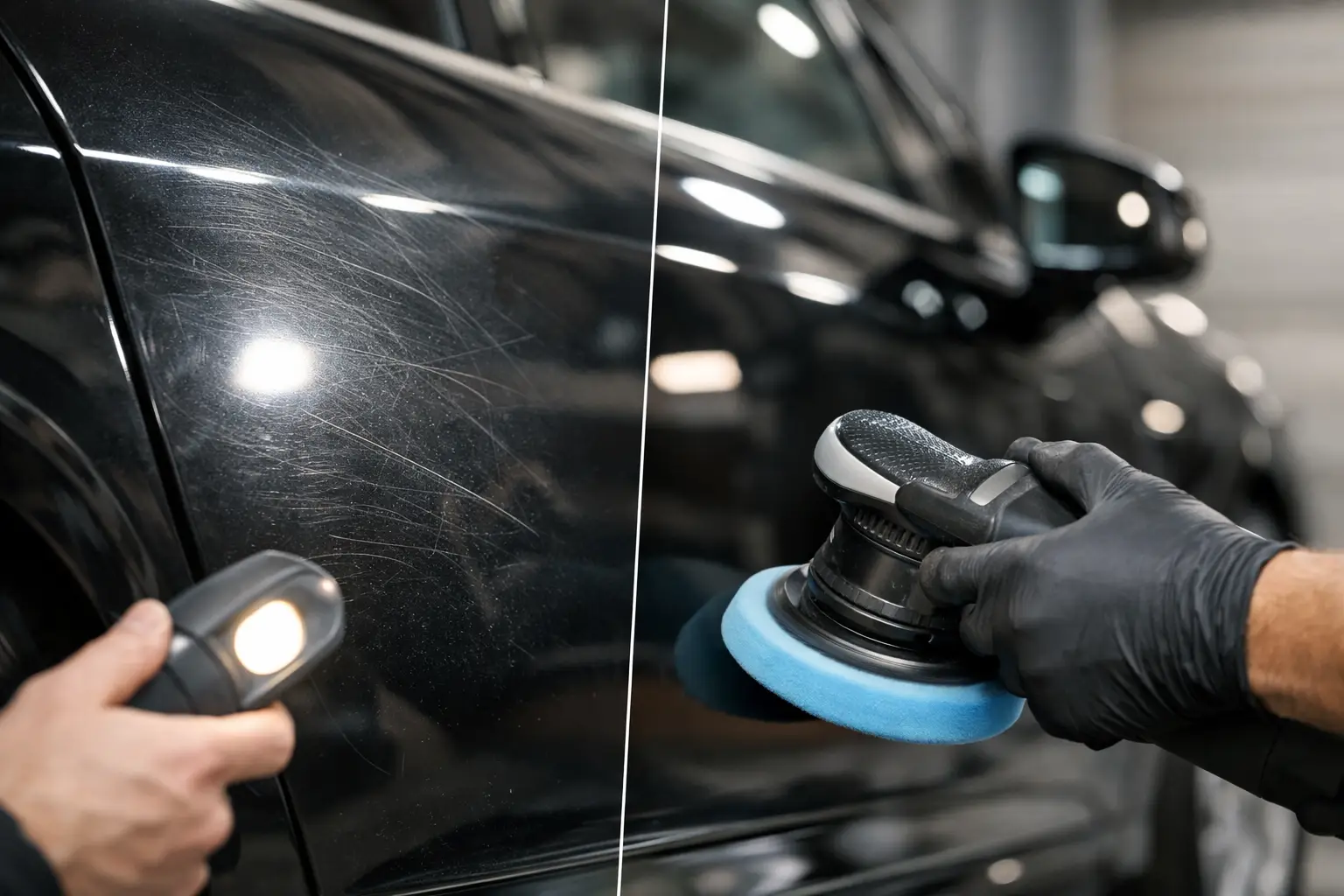
Modern paintwork is protected by a clear coat. Over time, that clear coat can develop wash marring, holograms, oxidation, water spotting, bird-dropping etching and fine scratches from daily use. These marks scatter light rather than reflecting it cleanly, which is why even a clean car can appear dull.
Professional polishing uses carefully selected compounds, polishing pads and machine techniques to level or refine the affected area of the clear coat. The aim is not to remove paint unnecessarily. It is to correct as much visual damage as is safely possible while preserving the integrity of the finish.
The result is a richer colour, sharper reflections and a smoother surface. Metallic flakes appear more defined, darker colours gain depth and lighter colours look cleaner and brighter. On a well-maintained vehicle, a single-stage polish may be enough to achieve a striking improvement. On neglected paintwork, a more involved paint correction process may be needed.
Polishing and paint correction are not identical
The terms are often used together, but the level of work can differ significantly. A refinement polish is designed to enhance gloss and reduce light defects. Paint correction is more comprehensive, often involving several stages to address deeper swirls, scratches and sanding marks.
Not every mark should be chased. If a scratch has penetrated through the clear coat, polishing cannot make it disappear without compromising the surrounding paint. A specialist will assess the depth of the defect and advise whether refinement, touch-up work or repainting is the sensible route. Precision means knowing when to correct and when to protect.
When is professional car polishing worth it?
Polishing is especially worthwhile when your car looks flat or hazy despite regular washing, when circular marks are obvious in direct sunlight, or before you apply a ceramic coating, wax or paint protection film. Protection performs best on a clean, properly prepared surface. Applying it over defects may preserve them rather than improve them.
It is also a smart decision before selling a vehicle. Paintwork that looks cared for creates a stronger first impression and helps support the perceived value of the car. Buyers notice reflective panels, clear headlights and clean finishes quickly, even if they do not know the technical reason the vehicle looks better.
For newer cars, a light enhancement polish can remove imperfections introduced during transport, dealership washing or early ownership. For older cars, professional work can reverse much of the visual wear accumulated through years of exposure. The right approach depends on paint condition, vehicle age, previous bodywork and the level of finish you want to achieve.
Malta’s climate adds another consideration. UV exposure, airborne dust, sea salt and hard-water marks can all affect exterior surfaces. Regular maintenance helps, but it cannot correct defects already embedded in the paint. A properly planned polish followed by suitable protection gives your vehicle a far stronger defence against the elements.
The difference is in the preparation
A premium result is never created by quickly running a machine polisher across a dirty panel. Safe, consistent work starts with thorough preparation. The vehicle is washed carefully to remove loose contamination, followed by decontamination to lift bonded particles such as tar, iron fallout and mineral residue.
Once the surface is clean, the paint is inspected under specialist lighting. This reveals defects that daylight can hide and helps determine the appropriate combination of pad, polish and machine movement. Paint depth readings may also be taken where necessary, particularly on vehicles with unknown repair history or sensitive paintwork.
The polishing stage is then tailored panel by panel. A bonnet exposed to years of sun may need a different approach from a lower door panel affected by road contamination. Edges, body lines and repainted areas require particular care. There is no universal setting that delivers a premium finish on every vehicle.
After correction, polishing residue is removed and the paint is checked again in controlled lighting. Only then can a detailer see the true finish and decide whether another refinement stage is needed. This measured process is why specialist detailing produces a noticeably different result from a quick valet service.
Protect the finish once the gloss is restored
Polishing improves the appearance of paint, but it is the protection applied afterwards that helps preserve the result. The best choice depends on how the vehicle is used, where it is parked and how often it receives maintenance.
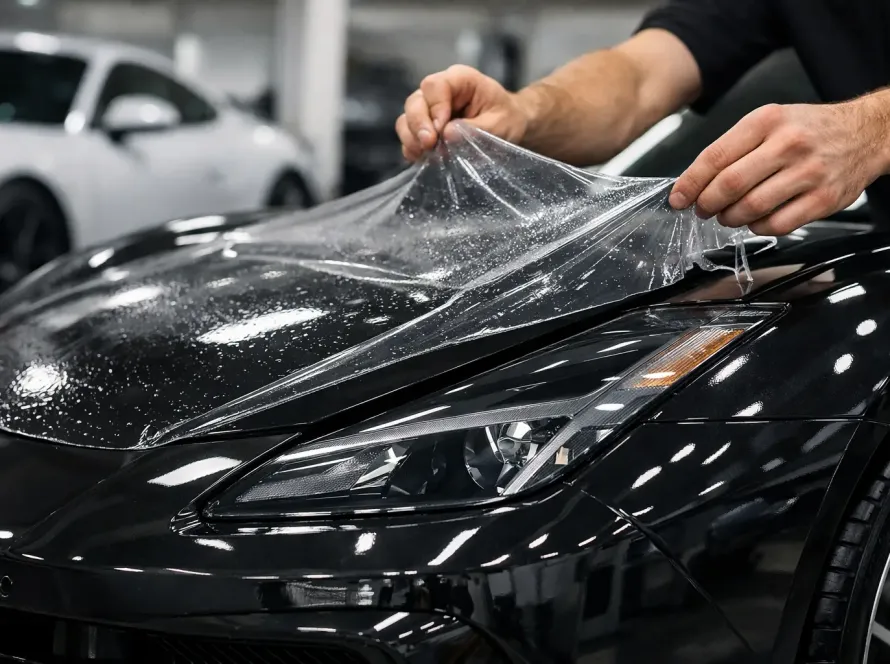
A quality wax can add warmth and gloss, making it an appealing option for owners who enjoy regular detailing. Paint sealants offer durable protection with a crisp finish. Ceramic coatings provide a harder-wearing protective layer with excellent water behaviour, chemical resistance and easier routine cleaning. Paint protection film is suited to areas at greater risk of stone chips and physical impact, such as front bumpers, bonnets and mirrors.
No protective treatment makes paint invincible. Ceramic coating will not prevent every scratch, and wax will not stop stone chips. What protection does provide is a cleaner, more resistant surface that is easier to maintain and better equipped for daily exposure. Honest advice means selecting the treatment that suits your ownership habits, not simply the most extensive option.
How to maintain polished paintwork
The way a car is washed after polishing matters. Repeated use of harsh brushes, dirty sponges or strong household cleaners can quickly reintroduce fine marring and reduce the life of protective treatments. Gentle washing methods, clean microfibre materials and pH-neutral products make a real difference.
Try to remove bird droppings, tree sap and salt residue promptly, particularly in hot weather. These contaminants can mark paint if left to bake onto the surface. Drying the vehicle properly also prevents mineral deposits from forming after a wash.
Maintenance does not mean obsessive care. It means using the right methods consistently. A professionally polished car should be enjoyable to own, not difficult to keep looking exceptional.
Choosing a specialist for professional car polishing
Before booking, look beyond before-and-after photographs. Ask how the vehicle will be assessed, whether the paint condition will influence the service recommended and what protection is included or available afterwards. A credible specialist should set realistic expectations, explain the limits of correction and treat each vehicle as an individual project.
At GloboWax Malta, professional car polishing is approached as a precision service, not a one-size-fits-all add-on. The focus is on restoring clarity safely, enhancing the character of the paintwork and protecting the finish for the road ahead.
Your car does not need to be a collector’s piece to deserve expert care. When the paint begins to lose its clarity, the right polishing work can make every arrival, every reflection and every drive feel more rewarding.