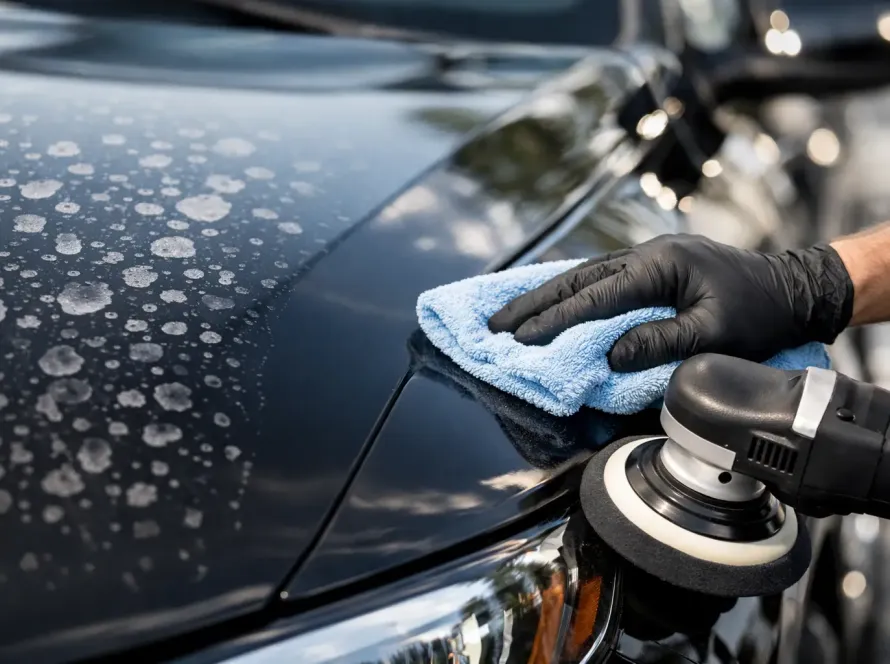
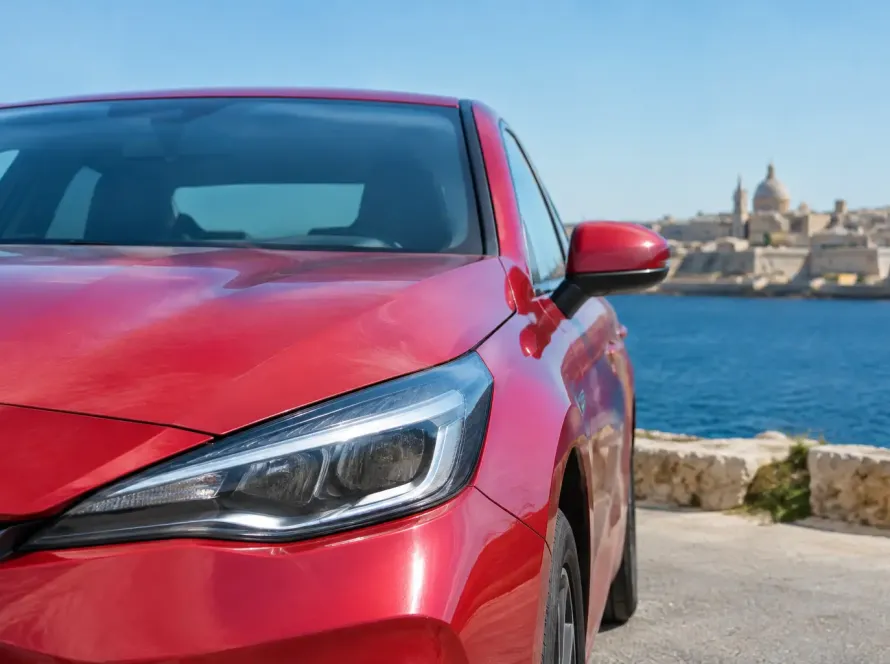
A freshly corrected paint finish can look exceptional under the Maltese sun. Yet the same roads, heat, dust and everyday parking that make driving enjoyable can quickly leave their mark. The real ppf wrap benefits begin where polishing ends: paint protection film creates a sacrificial, near-invisible barrier between your vehicle’s finish and the hazards that gradually reduce its clarity and value.
For owners who expect more than a temporary shine, PPF is not simply a cosmetic upgrade. It is a precision protection service designed to keep the original paintwork in exceptional condition for longer.
What Is Paint Protection Film?
Paint protection film, often called PPF or a clear wrap, is a high-performance urethane film professionally applied over painted panels. Once installed with care, it closely follows the contours of the vehicle while retaining the depth, gloss and colour of the paint beneath it.
Unlike a wax or sealant, PPF is a physical layer of defence. It is especially effective on high-impact areas such as the front bumper, bonnet, front wings, wing mirrors, headlights, door edges and sill areas. A full-body installation is also available for owners who want complete coverage and the highest level of preservation.
The quality of the film matters, but installation matters just as much. Correct panel preparation, accurate pattern work, careful edge finishing and a controlled application environment all determine whether the result looks truly refined.
PPF Wrap Benefits That Protect Your Investment
Defence against stone chips and road debris
The front of any vehicle takes the hardest punishment. Loose stones, grit, sand and debris thrown up by surrounding traffic can chip paint in an instant, particularly on faster roads. These small marks may seem minor at first, but they soon become visible across a bonnet or bumper and can make an otherwise well-kept vehicle look tired.
PPF absorbs much of this impact before it reaches the paint. It cannot make a car indestructible, and a severe impact can still damage the panel beneath. However, for normal driving exposure, it gives vulnerable areas a meaningful level of protection that waxes and ceramic coatings cannot physically provide.
Resistance to everyday scuffs and light scratches
Life around a car is full of small risks: a tight parking space, a bag brushing against a door, fingernails behind a handle, a poorly placed fuel nozzle or road grime wiped across a panel. Modern self-healing paint protection films are designed to reduce the appearance of fine surface marring when exposed to warmth.
This does not mean every scratch disappears. Deep gouges, impacts that cut through the film and sharp objects will still leave damage. The advantage is that many light marks affect the protective layer rather than the original paintwork, helping the surface retain its cleaner, more uniform appearance.
Protection from Malta’s sun and environmental exposure
Strong UV exposure, heat, sea air and airborne contaminants can take their toll on exterior finishes over time. Dark paint may show dullness and swirl marks more readily, while lighter colours can lose their crispness if neglected. PPF helps shield paint from UV exposure and environmental fallout, reducing the amount of direct abuse the clear coat receives.
For vehicles regularly parked outdoors, this extra layer can make a genuine difference. It supports a more consistent finish across protected panels and reduces the likelihood of obvious contrast when the vehicle is later polished, repaired or sold.
Preserves original paint and resale appeal
Original paintwork matters. Buyers, collectors and knowledgeable enthusiasts often look closely for evidence of repainting, poor repair work or widespread stone chipping. Keeping factory paint in better condition can strengthen a vehicle’s appeal when it is time to sell, part-exchange or hand it over to its next owner.
PPF is not a guarantee of a specific resale price, because mileage, service history, specification and market demand all play their part. What it does provide is a stronger presentation: cleaner paint, fewer visible defects and a better chance of revealing a well-cared-for vehicle beneath the film.
Easier maintenance without compromising the finish
A protected car still needs regular washing. PPF does not replace good maintenance, and allowing salt, dust or contaminants to build up is never advisable. It does, however, make day-to-day care more forgiving by protecting the paint from the minor wear that can occur during normal ownership.
With safe wash methods and quality products, the film remains clear and glossy while the paint beneath stays protected. Many owners choose to pair PPF with a suitable ceramic coating on exposed paint, film, glass and wheels for improved water behaviour and easier cleaning. These services work differently, but together they can create a comprehensive protection package.
Where Should PPF Be Applied?
The right coverage depends on how you use the vehicle, where it is parked and the standard you want to maintain. A daily driver travelling frequently on open roads may benefit most from front-end coverage. This usually focuses on the areas that receive the greatest concentration of impacts: bumper, bonnet, front wings, mirrors and headlights.
For performance, luxury and new vehicles, full-body PPF offers a more complete solution. It protects every painted panel, including areas often damaged by shoes, luggage, narrow car parks and routine washing. It is a higher investment, but it gives the owner the reassurance that the vehicle is protected consistently rather than only at the front.
Selective protection can also be highly effective. Door cups, door edges, rear arches, loading areas and piano-black trim are all common areas where a small, carefully installed section of film can prevent disproportionate wear.
PPF Versus Ceramic Coating: A Clear Difference
Paint protection film and ceramic coating are often discussed together, but they are not interchangeable. Ceramic coating enhances gloss, adds chemical resistance and helps water and dirt release more easily from the surface. It is an excellent option for maintaining a beautifully corrected vehicle.
PPF provides impact resistance. If stone-chip defence and protection from light scuffs are the priority, film is the stronger choice. If easy cleaning and enhanced gloss are the main goals, a ceramic coating may be sufficient. For owners seeking the highest standard of protection, PPF on high-risk areas followed by coating across the vehicle is often the most balanced approach.
The right answer depends on the car and its purpose. A weekend vehicle kept in a garage has different needs from a daily-driven executive saloon, a family SUV or a performance car used enthusiastically on Malta’s roads.
Why Preparation and Installation Define the Result
PPF should be applied to paint that is as clean and refined as possible. Installing film over bonded contamination, swirl marks or existing scratches can trap imperfections beneath a highly visible protective layer. That is why a professional assessment may recommend decontamination, paint correction or localised refinement before the film is fitted.
Precision also affects longevity and appearance. Poorly aligned film, contaminated edges, overstretched corners and visible seams can distract from the vehicle rather than enhance it. A premium installation should look considered and discreet, with the film protecting the finish without announcing itself.
At GloboWax Malta, this approach is built around careful preparation, professional-grade materials and detail-led application. The objective is simple: preserve the visual impact of your vehicle while giving it protection that performs long after it leaves the studio.
Is PPF Worth It?
PPF is most worthwhile when paint condition matters to you from the first day of ownership. It is particularly valuable for new cars, freshly corrected vehicles, premium models and any car exposed to regular motorway driving, outdoor parking or demanding daily use.
It is also a sensible choice for owners who dislike constantly chasing stone chips, minor scuffs and fading gloss through repeat correction work. The film takes the wear so the original finish does not have to. When it eventually reaches the end of its service life, professionally removed quality film can reveal paint that has been protected underneath.
Choose coverage based on how you actually drive, not simply on the vehicle’s badge. A well-protected daily driver can be just as rewarding to own as a cherished weekend car. The best time to protect exceptional paint is before the first chip has the chance to spoil it.