A car parked near the coast can collect a fine layer of salt before the day is over. Add Malta’s intense UV exposure, airborne dust and busy urban driving, and even a well-kept vehicle can lose its gloss faster than expected. So, how often should you detail your car? For most owners, a professional detail every six to 12 months is a strong benchmark, supported by regular safe washing and protection checks in between.
The right interval is not simply about keeping a car looking freshly polished. Detailing is preventative maintenance for paintwork, trim, wheels, glass and the interior. It removes embedded contamination, corrects early defects where appropriate and renews the protection that stands between your vehicle and the elements.
How Often Should You Detail Your Car?
A full professional detail once or twice a year suits many daily-driven cars. Vehicles that live outdoors, cover high mileage, spend time close to the sea or are regularly exposed to construction dust may benefit from detailing every three to six months. A cherished weekend car kept in a covered garage may only need a thorough detail annually, provided it is washed carefully and protected properly.
The frequency also depends on what the last appointment included. A maintenance detail, designed to cleanse and refresh an already protected car, is different from a correction detail that removes swirls, oxidation and deeper paint defects. Ceramic coating, paint protection film and high-quality sealants can extend the time between major detailing sessions, but none eliminates the need for proper maintenance.
A simple rule is to book a detail before the finish looks neglected, not after it has deteriorated. Protection performs best when it is maintained early. Waiting until paint feels rough, water no longer beads, leather appears tired or stains have settled into fabric often means more corrective work is required.
Malta’s Climate Changes the Schedule
Malta is an exceptional place to drive, but it is demanding on vehicle surfaces. Strong sunlight can fade unprotected trim, dry out interior materials and gradually dull clear coat. Salt-laden coastal air is equally unforgiving, particularly around lower panels, wheels, brake components and door shuts. Dust settles quickly and, when wiped away dry, can leave fine scratches across paintwork.
For an outdoor-parked car in Malta, consider a professional maintenance detail every four to six months. This keeps contamination under control and gives a specialist the opportunity to inspect vulnerable areas before minor issues become costly ones. If the car is protected with ceramic coating or paint protection film, maintenance can often focus on safe decontamination, coating health and restoring the clean, high-gloss finish.
Cars stored indoors are better protected from direct UV and overnight moisture, yet they are not exempt. Road film, bird droppings, tree sap and brake dust still need prompt attention. A garage reduces exposure, but it does not replace a considered care routine.
Detailing Is More Than a Premium Wash
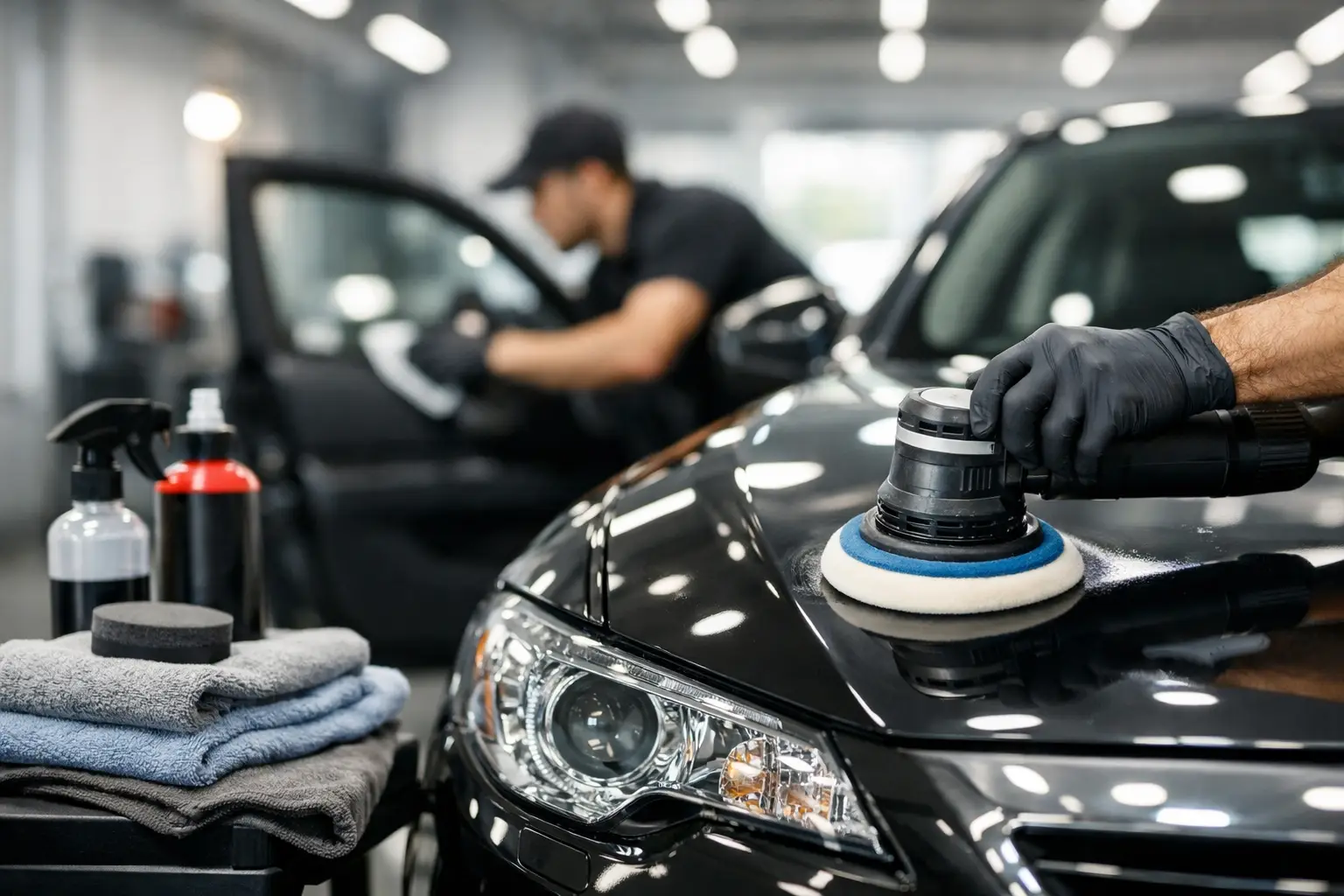
A routine wash removes loose dirt. Professional detailing goes further, using controlled processes to clean, enhance and protect each surface without creating unnecessary damage. That may include deep wheel cleaning, paint decontamination, polishing, interior steam cleaning, leather treatment, glass care and protective applications tailored to the vehicle.
This distinction matters because incorrect washing causes many of the defects owners later want corrected. Dirty sponges, harsh chemicals, roadside brushes and dry wiping can introduce swirls and marring. A car can be washed frequently yet still look dull because the paint has been repeatedly marked and its protection has been stripped away.
A professional detail is also an opportunity to assess the vehicle properly. Fine scratches, failing sealant, water spotting, faded headlights and early interior wear are easier to address when spotted early. For owners who take pride in their vehicle, that attention to detail protects both presentation and long-term value.
Signs Your Car Is Ready for Detailing
Your calendar is useful, but the vehicle itself gives clear signals. Paint that feels gritty after washing is often carrying bonded contamination. Water that lies flat rather than forming tight beads may indicate that wax, sealant or coating protection is weakening. Dull paint, stained seats, unpleasant odours and cloudy headlights all suggest that a standard wash is no longer enough.
Look closely at high-contact and high-exposure areas. Door handles, boot lips, wheel faces, lower sills and the front bumper tend to show wear first. Inside, inspect steering wheels, leather bolsters, seat fabric, carpets and air vents. These areas collect oils, sunscreen, dust and everyday grime long before the rest of the cabin appears dirty.
Bird droppings, insect residue and tree sap deserve immediate action, especially in warm weather. Their acidic or sticky deposits can mark paint if left in place. Remove them safely as soon as possible, then arrange professional attention if a stain or etching remains.
Choose a Schedule Based on How You Use the Car
There is no single detailing timetable for every vehicle. A daily commuter parked outside in Sliema faces a very different environment from a low-mileage performance car stored in a private garage. Usage, parking and existing protection should shape the plan.
For a daily driver, aim for a safe wash every two to four weeks and a professional detail every six to 12 months. If it is exposed to coastal air, frequent motorway miles or dusty work sites, move that professional interval closer to three to six months.
For a luxury, sports or collector vehicle, regular light maintenance is often more valuable than infrequent heavy correction. Keep the vehicle clean, avoid automatic brush washes and schedule a professional inspection every six months. This preserves a refined finish without repeatedly polishing paint that does not need correction.
For family cars, interior detailing is often the priority. Food spills, sand, pet hair and sun cream build up quickly, especially during summer. An interior deep clean every six months, or sooner when stains and odours appear, helps preserve fabrics, leather and cabin comfort.
For vehicles prepared for sale, a correction and protection detail can make a meaningful difference to first impressions. Fresh, glossy paint and a clean, neutral-smelling interior communicate care. The aim is not to disguise a car’s history, but to present it at its best.
Protect First, Then Maintain
The best detailing frequency is often determined by the level of protection on the car. Traditional wax can deliver warmth and gloss but usually needs more frequent renewal. Modern sealants tend to last longer, while ceramic coatings provide durable chemical resistance, improved washability and strong gloss when properly maintained. Paint protection film adds a physical barrier against many stone chips, scuffs and road hazards in high-impact areas.
Protection is an investment in easier maintenance, not permission to ignore the vehicle. Ceramic-coated paint still accumulates contamination. Film still needs careful washing. Neglect can reduce hydrophobic performance and leave surfaces looking flat, even when the underlying protection remains in place.
At GloboWax Malta, the most effective approach is always tailored to the car, its finish and the way it is used. A new vehicle may benefit from immediate protection, while an older car may need paint correction first to restore clarity before a coating or sealant is applied. This sequence gives the protective layer a finish worth preserving.
Keep the Finish Between Appointments
You do not need to detail your car every month to maintain a premium appearance. Consistent, careful habits make the largest difference between professional visits. Wash only when the paint is cool, use pH-neutral products and quality wash media, and dry with clean microfibre towels rather than allowing mineral-rich water to dry on the surface.
Avoid washing with household detergents, which can strip protection and dry out exterior trim. Do not use a dry cloth to remove dust. If the car is heavily soiled, pre-rinse it thoroughly before making contact with the paint. Wheels should be cleaned with dedicated tools, as brake dust and road grime can be abrasive.
Inside, vacuum regularly, wipe spills promptly and use surface-appropriate cleaners. Leather should be cleaned gently and conditioned when needed, not saturated with glossy dressings. These small disciplines keep the cabin feeling composed and reduce the need for aggressive cleaning later.
Your car does not need constant correction to look exceptional. It needs a measured care plan: timely washing, durable protection and professional detailing before exposure turns into damage. Treat that schedule as part of owning the vehicle well, and every drive starts with a finish that reflects the standard you expect.