A freshly polished car under Maltese sun can look spectacular at 9 am and tired by the end of the week. Dust settles, bird droppings bite quickly, UV exposure dulls the finish, and every rushed wash risks adding more swirl marks. That is exactly why a ceramic coating review matters – not as a trend, but as a practical decision about how you protect a valuable vehicle.
Ceramic coating has earned a reputation for deep gloss, easier maintenance and long-term surface protection. Some of that reputation is deserved. Some of it has been inflated by marketing that makes it sound indestructible. The truth sits in the middle, and for owners who care about presentation, value and long-term condition, that middle ground is where the real decision should be made.
Ceramic coating review: what it actually does
A ceramic coating is a liquid-applied protective layer designed to bond with your vehicle’s paintwork. Once cured, it creates a harder, more chemically resistant surface than traditional waxes or sealants. The result is a finish that repels water more effectively, resists contamination better and holds its gloss for much longer.
That does not mean it forms an impenetrable shield. It will not stop stone chips, prevent every scratch or make poor washing techniques harmless. What it does do exceptionally well is reduce day-to-day wear from environmental fallout, UV exposure, road grime and repeated cleaning.
For many owners, the biggest difference is not only how the car looks after application, but how it behaves afterwards. Dirt releases more easily. Water beads and sheets away. Regular washing becomes less of a chore, and the finish stays sharper between maintenance visits.
Why ceramic coating appeals to serious car owners
If you have invested in a car you genuinely care about, appearance is only one part of the equation. The other part is preservation. Paintwork is under constant attack from sunlight, airborne contamination, bug residue, bird lime and careless washing. Left untreated, that damage accumulates slowly until the finish loses depth, clarity and value.
Ceramic coating answers that problem with durability. A quality professional coating can maintain a high-gloss, freshly detailed look far beyond what a wax can deliver. It also helps reduce the frequency and intensity of polishing, which matters because every abrasive correction removes a small amount of clear coat.
For daily drivers, this means a car that remains cleaner and glossier with less effort. For premium, performance or prestige vehicles, it means preserving the quality of the finish in a way that supports long-term resale and ownership pride.
Where ceramic coating performs well
The most immediate benefit is visual. A properly prepared and coated car has a cleaner, richer finish with excellent depth and reflection. Darker colours often show this most dramatically, but even lighter shades gain a crisper, more refined surface appearance.
The second major advantage is maintenance. When a vehicle is coated correctly, contaminants have a harder time bonding to the surface. That makes routine washing safer and faster, especially when paired with proper detailing methods. You are not fighting baked-on grime in the same way, and that reduces the temptation to scrub aggressively.
Chemical resistance is another strength. Traffic film, bird droppings, tree sap and other contaminants are less likely to etch the paint if they are removed promptly. The coating gives you more breathing room, not unlimited time. That distinction matters.
Then there is UV protection. In a climate where strong sun is a constant factor, paint fade and oxidation are real concerns. Ceramic coating helps maintain clarity and gloss by reducing the impact of prolonged exposure.
The limits most reviews leave out
A credible ceramic coating review should be honest about where expectations need adjusting. Ceramic coating is not paint protection film. If your concern is stone chips on a motorway-driven front end, a coating alone is not the right solution. Nor will it stop someone dragging a bag across the bonnet or prevent damage from poor automatic car washes.
It is also not maintenance-free. This is one of the biggest misconceptions in the market. A coated car still needs washing, periodic decontamination and sensible aftercare. Neglect can clog the coating and reduce the very water behaviour owners pay for.
Application quality is another major variable. A professionally installed coating on thoroughly corrected paint is a completely different proposition from a quick retail product applied over unprepared surfaces. The latter may add short-term slickness. It will not deliver the same finish, durability or consistency.
Professional coating versus DIY products
This is where cost often enters the conversation. DIY ceramic sprays and consumer-grade coatings can be useful for enthusiasts who understand preparation and aftercare. They are generally cheaper and quicker to apply, and some offer respectable short-term performance.
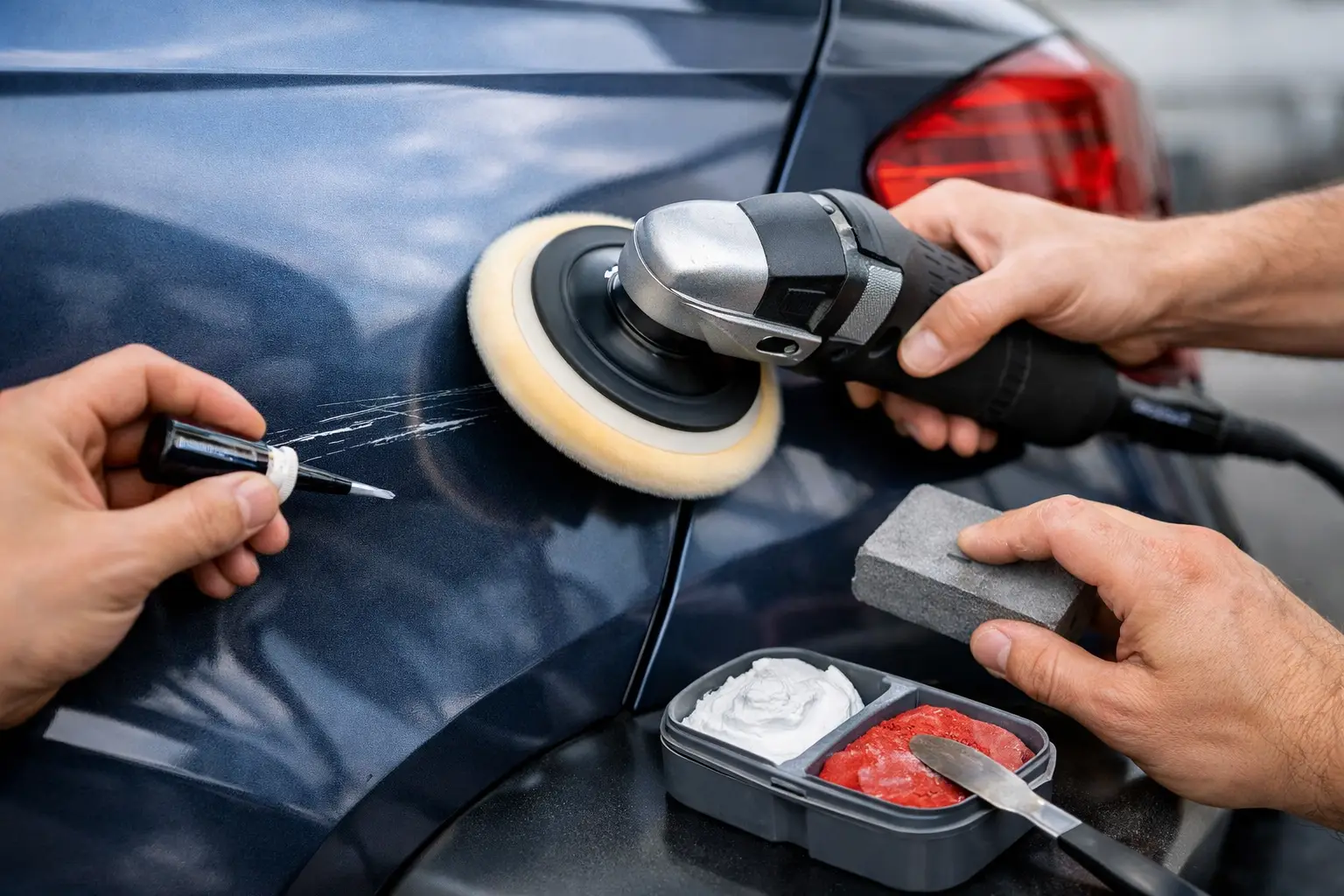
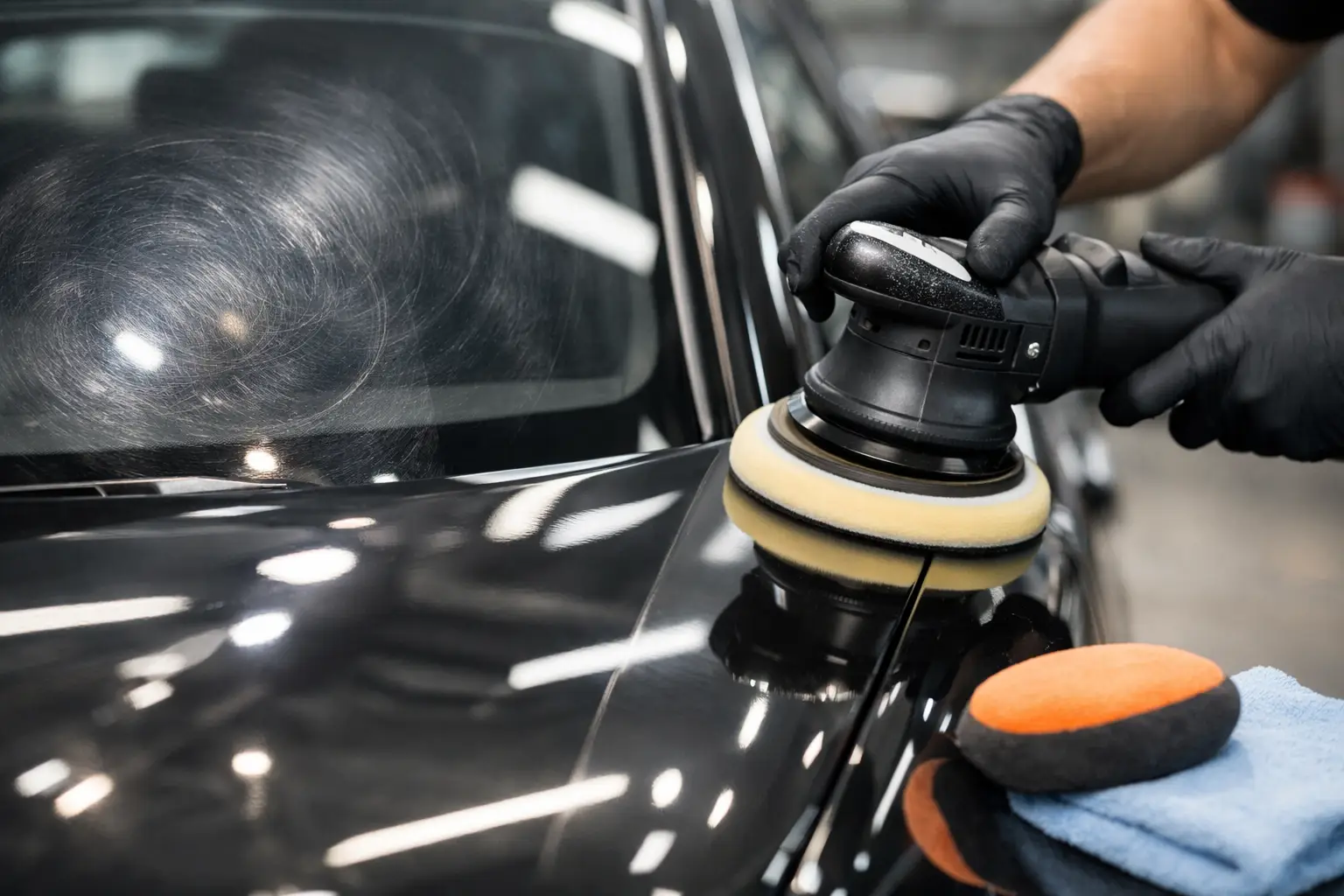
However, they are not equivalent to a professional-grade ceramic system installed by a detailing specialist. The difference begins before the coating bottle is even opened. Proper washing, decontamination, machine polishing and paint correction create the clean, level surface needed for the coating to bond and perform as intended.
Without that preparation, you are often sealing in defects rather than elevating the finish. Swirl marks, haze and embedded contamination do not disappear under ceramic coating. If anything, the added gloss can make poor paint condition more obvious.
Professional application also matters during curing and levelling. High spots, patchiness and inconsistent bonding are common problems with rushed or inexperienced installation. Premium detailing is not just about product choice. It is about process, control and finish quality.
Is ceramic coating worth the investment?
For the right owner, yes. But it depends on what you value.
If you want the cheapest possible way to add temporary shine, ceramic coating is probably not the answer. A wax or entry-level sealant may be enough. If, however, you want a longer-lasting solution that improves gloss, simplifies washing and helps preserve paintwork over time, ceramic coating offers genuine value.
It is particularly worthwhile for newer vehicles, freshly corrected paint and cars that spend significant time outdoors. In those cases, the coating helps protect an already strong finish before wear becomes visible. It also makes sense for owners who prefer to maintain a premium standard rather than repeatedly restore neglected paint later.
For older vehicles, the calculation is slightly different. Ceramic coating can still be an excellent choice, but only after proper correction. If the paint is oxidised, scratched or dull, the coating should be viewed as the protective final step, not the repair itself.
Who should seriously consider it
Drivers who take pride in their car’s appearance will appreciate the visual and practical gains immediately. Owners of luxury, sports and executive vehicles often see the strongest return because finish quality forms part of the ownership experience.
It also suits busy professionals who want their vehicle to stay presentable without constant upkeep. A coated car still needs care, but it rewards that care more efficiently. For many people, that balance is ideal.
If your vehicle is exposed to intense sun, sea air, dust or frequent road contamination, ceramic coating becomes even more relevant. In those conditions, paint protection is not a cosmetic extra. It is a smart step in preserving condition.
Choosing the right specialist matters more than the label
Many coatings promise years of protection. That headline can be useful, but it should never be the only benchmark. The true measure is how the car is assessed, prepared and maintained afterwards.
A reputable detailing specialist will explain what your paint needs before recommending a package. That may include decontamination, single-stage polishing or more extensive paint correction depending on condition. They should also be honest about what the coating will and will not do.
This is where experience separates premium detailing from basic valeting. At GloboWax Malta, that standard is built around precision preparation and long-term finish protection rather than quick cosmetic uplift. For owners who expect showroom-level presentation and credible protection, that difference matters.
Final thoughts on this ceramic coating review
Ceramic coating is not magic, and it is not meant to be. Its real strength is more useful than that. It helps a well-maintained vehicle stay sharper, cleaner and better protected in the real world, where sun, dust, fallout and poor wash habits slowly wear paint down. If you care about keeping your car at a higher standard, ceramic coating is less about chasing a trend and more about making fewer compromises with your finish.