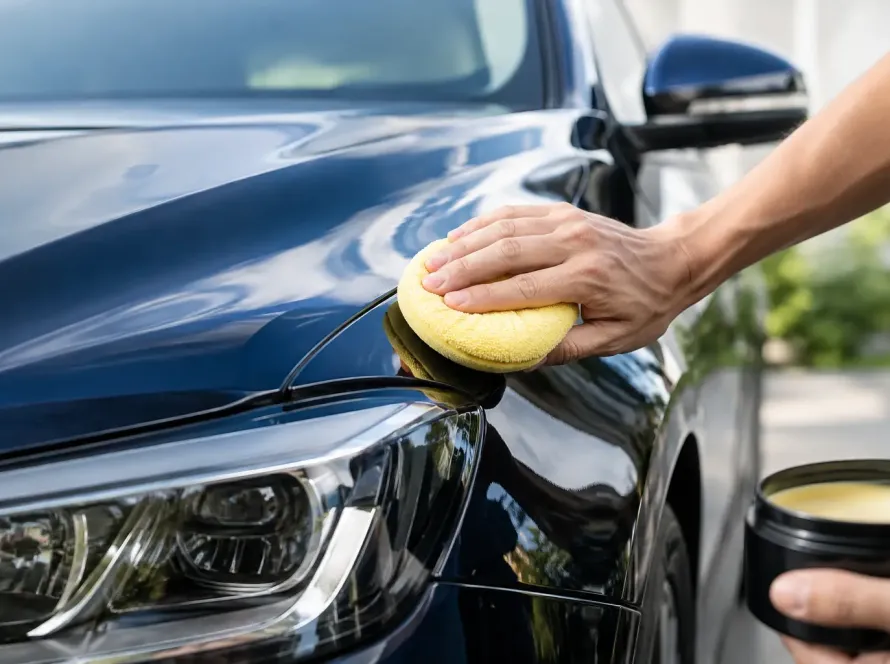
You notice it in direct sunlight first – that fine web of marks across the bonnet, the key line near the door handle, or the dull haze that makes the paint look older than the car really is. At that point, the question becomes very practical: does paint correction remove scratches? The honest answer is yes, but only certain types of scratches, and the difference matters if you want a finish that looks exceptional rather than merely improved.
Paint correction is a specialist process designed to refine the surface of your vehicle’s paintwork by removing defects from the clear coat. It is not a cover-up. It is not a quick gloss enhancer. Done properly, it levels out surface imperfections so light reflects evenly again, restoring depth, clarity and that crisp, high-end finish owners expect from a premium detail.
Does paint correction remove scratches or just improve them?
In many cases, paint correction removes scratches completely. In others, it significantly reduces their visibility. The deciding factor is depth.
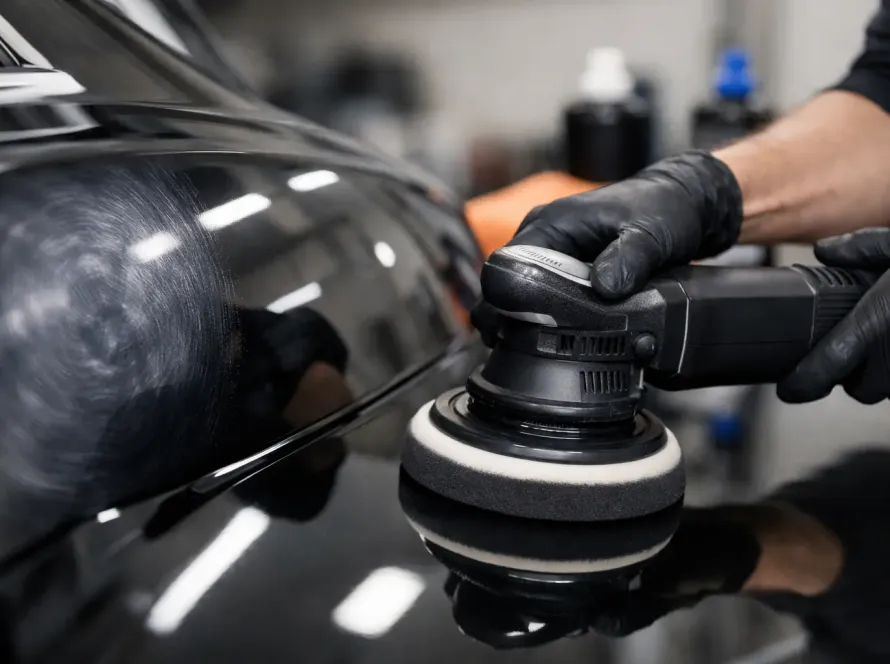
Modern vehicle paint usually consists of several layers, with the clear coat sitting on top. Paint correction works within that upper layer. Using machine polishing, specialist compounds and precise pad combinations, a detailer carefully removes an ultra-fine amount of clear coat to level the area around the scratch. If the defect sits within that clear coat, it can often be corrected fully.
If the scratch has gone deeper than the clear coat and into the colour coat or primer, paint correction cannot safely remove it in full. At that stage, polishing may soften its appearance, but it will not make the damage disappear. That type of defect may require touch-up work, wet sanding in selected cases, or a repaint.
This is why proper assessment comes first. Premium detailing is not about making bold promises. It is about understanding the condition of the paint and choosing the right corrective approach.
Which scratches can paint correction remove?
The best candidates are light surface scratches, swirl marks, towel marks, wash marring, oxidation and general paint dullness. These are the defects that often make a vehicle look tired even when it is otherwise in good condition.
Swirl marks are especially common. They usually come from poor washing technique, automatic car washes, harsh drying towels or repeated contact with dust and dirt. Under workshop lighting or strong sun, they create a circular, cobweb-like appearance. Paint correction is highly effective on this type of damage because it typically sits in the upper portion of the clear coat.
Light scratches around door handles, boot lips and load areas can also respond very well, provided they have not cut too deeply. The same goes for fine branch marks and superficial scuffs that have affected the top surface rather than penetrated through it.
When the paint still has enough healthy clear coat available, a skilled correction can produce a dramatic transformation.
Signs a scratch may be too deep
There are a few warning signs that suggest paint correction alone may not be enough. If the scratch catches your fingernail easily, that usually indicates more serious depth. If you can see a white, grey or darker line beneath the surface gloss, the damage may have gone beyond the clear coat. Deep isolated scratches also tend to remain visible from multiple angles, even when the panel is clean and glossy.
That does not mean the situation is hopeless. It simply means the right solution may involve more than polishing.
What paint correction actually does
There is often confusion between waxing, polishing and correction. A wax adds gloss and short-term protection. A basic polish can improve shine. Paint correction goes further by physically refining the top layer of paint to remove or reduce defects.
A professional correction usually starts with a thorough decontamination wash. The paint must be completely clean before any machine work begins. Iron fallout, tar, bonded contaminants and residue all need to be removed so the polishing stage is controlled and safe.
The vehicle is then inspected under proper lighting. Paint depth readings may be taken, and test spots are performed to determine the least aggressive method that will deliver the desired result. This matters because precision is everything. Removing defects while preserving as much clear coat as possible is the standard.
From there, the detailer uses a machine polisher, compounds and pads selected specifically for the paint type and defect severity. Some vehicles need only a single-stage enhancement. Others require a multi-stage correction to address heavier swirling, deeper marring or years of neglect.
Single-stage vs multi-stage correction
A single-stage correction is ideal when the paint has moderate defects but does not need heavy refinement. It can restore a remarkable amount of gloss and remove a good percentage of light scratching.
A multi-stage correction is more intensive. It usually begins with a stronger cutting stage to address the defects, followed by a refining stage to maximise clarity and finish. This is often chosen for darker paint, higher-end vehicles or owners seeking a near-showroom result.
The right option depends on the condition of the paint, the vehicle’s age and the level of finish you want to achieve.
Why some scratches should not be chased aggressively
One of the biggest mistakes in detailing is trying to remove every last mark at any cost. Paint correction is a controlled process, not a race to zero defects.
Every correction removes a measurable amount of clear coat. That is why an experienced detailer works with restraint. If a scratch is too deep, chasing it aggressively can compromise the long-term integrity of the paint. In premium vehicle care, preservation matters just as much as appearance.
Sometimes the most professional result is a scratch that is 80 or 90 per cent improved rather than fully removed at the expense of paint safety. To the eye, that can still mean a far cleaner, sharper and more valuable-looking finish.
Does paint correction remove scratches permanently?
If a scratch is genuinely removed through correction, it is gone because the surrounding clear coat has been levelled to eliminate it. It is not masked and it will not simply wash back into view after a few weeks.
That said, new scratches can always be introduced if the vehicle is washed poorly afterwards. Even the finest correction work can be undermined by rough mitts, dirty sponges, automatic brushes or careless drying.
This is why protection and maintenance matter after correction. A ceramic coating, high-quality sealant or well-maintained wax layer helps reduce direct contact with the paint and makes cleaning easier. Safe wash methods then help preserve the finish for far longer.
For owners who want their vehicle to continue looking exceptional, correction should be seen as the restoration stage, with protection and maintenance forming the long-term strategy.
When paint correction is worth it
If your vehicle has lost its depth, gloss and clean reflection, paint correction can be one of the most transformative services available. It is especially worthwhile before applying ceramic coating, before selling a high-value car, or when restoring pride in a vehicle you intend to keep.
It also makes sense when the paint is suffering from defects that a normal polish or wax will never truly fix. A car can be freshly washed and still look tired if the clear coat is full of swirls and micro-scratches. Correction addresses the actual problem rather than temporarily disguising it.
For premium, performance and prestige vehicles, the visual difference can be substantial. Crisp reflections, richer paint depth and a cleaner surface finish all contribute to a more refined appearance and stronger resale impression.
Choosing the right specialist for scratch removal
The answer to whether paint correction removes scratches also depends on who performs it. This is a highly skilled service. Different paint systems respond differently, and not every defect should be treated the same way.
A proper specialist will inspect the paint, explain what is realistically achievable and recommend the safest path to the best result. That may involve full correction, partial improvement, or a combination of correction and touch-in work depending on the damage.
At GloboWax Malta, that standard of precision matters. The goal is not simply to make paint look shinier for a day. It is to restore clarity, refine defects safely and protect the finish with the level of care a quality vehicle deserves.
If you are looking at a scratch and hoping for a simple yes or no, the truth is more precise than that. Paint correction can remove many scratches beautifully, but only when they sit within the part of the paint system that can be safely refined. The best outcome always comes from treating the paint with skill, restraint and respect – because true detailing is not just about making a car look better, but keeping it exceptional.