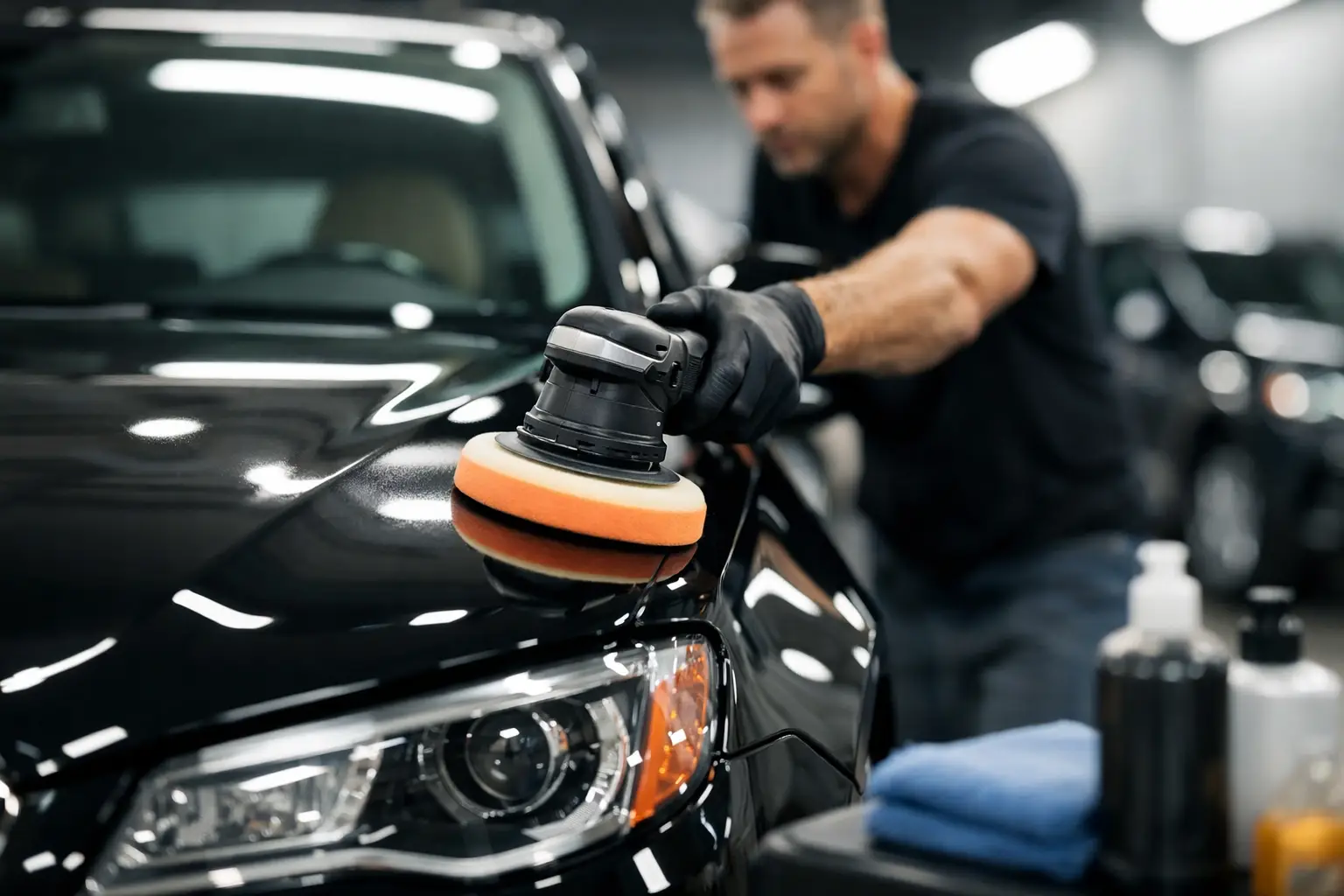
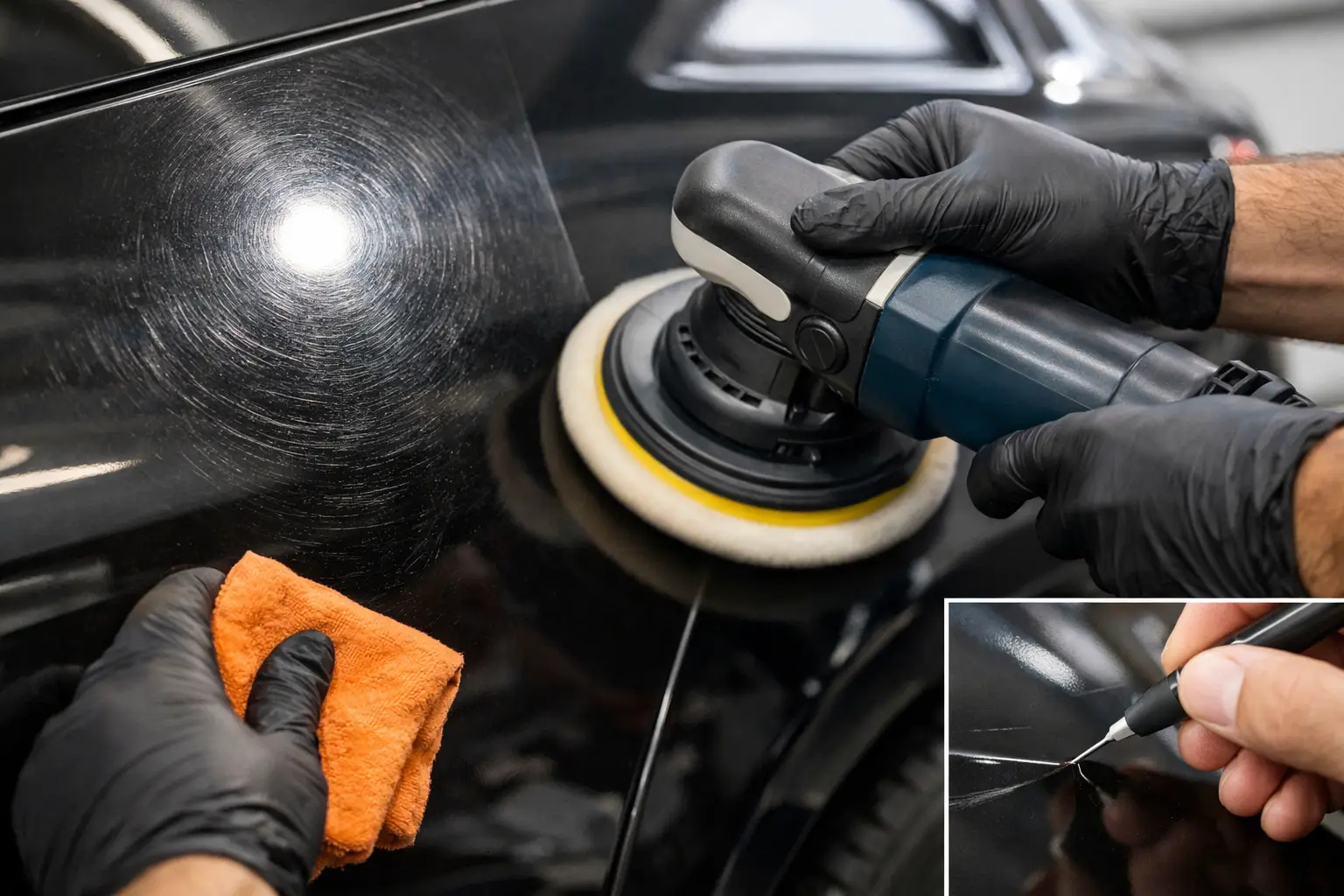
A fresh paint finish can lose its edge far sooner than most owners expect. Stone chips on the front bumper, light scratches around the door handles, harsh UV exposure and tight car parks all leave their mark. A proper PPF vinyl comparison matters because these films may look similar at first glance, yet they are designed to do very different jobs.
For drivers who expect their vehicle to look exceptional for years rather than weeks, the choice is not simply about appearance. It is about deciding whether you need serious impact protection, a dramatic change of colour, or a carefully considered combination of both.
PPF vinyl comparison: protection versus personalisation
Paint protection film, usually called PPF, is a clear or coloured polyurethane film engineered to protect painted surfaces from physical damage. It is thicker and more resilient than conventional wrapping vinyl, creating a sacrificial barrier between your factory paint and the hazards of daily driving.
Vinyl wrap is primarily a styling material. It gives owners the freedom to change a vehicle’s colour, add a gloss, satin or matte finish, or create a more distinctive look without committing to a permanent respray. Quality vinyl also offers a degree of protection from light marks and UV exposure, but it is not intended to absorb repeated stone strikes in the way PPF can.
That distinction shapes every part of the decision. If preserving original paint and defending high-impact areas is the priority, PPF is the stronger option. If the objective is a complete visual transformation, vinyl is often the more cost-effective route.
Where PPF delivers a higher level of defence
PPF is most valuable on the panels that take the greatest punishment. The front bumper, bonnet, wings, mirrors, side skirts and rear wheel arches are exposed to road debris, grit and contaminants every time the car is driven. On performance cars and vehicles with low front ends, these areas can suffer quickly.
The film’s thickness helps it resist chipping, scuffing and abrasion. Many premium PPF products also feature self-healing top coats. When minor surface scratches are exposed to warmth from sunlight or warm water, the top layer can recover, helping the finish remain cleaner and glossier over time.
For Malta, this protection has particular value. Intense sunshine can accelerate paint ageing, while coastal air, dust and regular urban driving create a demanding environment for exposed bodywork. PPF does not make a car invulnerable, but it significantly reduces the damage that would otherwise reach the paint beneath.
Clear PPF is the natural choice for owners who love their factory colour and want to preserve it. Satin PPF can give gloss paint a refined frozen appearance while retaining the same protective purpose. Coloured PPF is also available for those who want a visual change with more protection than standard vinyl can offer, though material choice and installation quality become especially important.
When a vinyl wrap is the better choice
A vinyl wrap is about visual expression. It can transform a conservative factory finish into a deep metallic shade, a motorsport-inspired satin colour or a subtle matte surface, all while keeping the original paint underneath intact. For leased vehicles, changing tastes or owners who simply want a new look without repainting, this flexibility is highly appealing.
Vinyl does provide a light barrier against swirl marks, mild abrasion and sun exposure. It can help preserve the paint from everyday wear, especially on lower-risk panels. However, a vinyl wrap is thinner than PPF and more likely to mark or puncture when struck by stones. It should not be sold as a like-for-like alternative for impact protection.
The best vinyl result depends on far more than the colour swatch. Paint must be thoroughly cleansed and decontaminated before installation. Damaged lacquer, corrosion, peeling clear coat and poorly repaired panels can compromise adhesion and show through the film. Precise preparation and skilled edge finishing are what separate a premium wrap from a short-lived cosmetic cover-up.
Durability, maintenance and finish quality
A professionally installed PPF package generally offers a longer service life than a vinyl wrap, particularly on heavily exposed areas. Its durability reflects the material’s purpose, greater thickness and advanced top-coat technology. Exact longevity varies with the film, vehicle use, storage, wash routine and exposure to the elements.
Vinyl can still look outstanding for years when it is high quality, correctly installed and carefully maintained. Yet it is more vulnerable to edge lifting, staining and damage from harsh washing methods. Matte and satin wraps demand particular care because aggressive polishing cannot correct marks without changing the texture of the finish.
Both materials benefit from gentle maintenance. Use pH-neutral wash products, clean bird droppings and tree sap promptly, and avoid abrasive brushes at automatic washes. Pressure washers should be used carefully around seams and edges, never held close enough to force water beneath the film. Regular professional detailing helps keep contamination from dulling the finish and allows early inspection of any vulnerable areas.
Ceramic protection can be applied to compatible PPF and vinyl to improve water behaviour and simplify maintenance, but it does not replace the film’s core purpose. A ceramic coating enhances gloss, slickness and chemical resistance. PPF remains the solution for physical impact protection.
Cost: what are you paying for?
PPF costs more than vinyl because the material is more technically advanced, installation is highly precise and the process often includes extensive pattern work, panel preparation and meticulous finishing. Full-front protection is a popular investment because it targets the most vulnerable and visible areas without the cost of covering the entire vehicle.
A full PPF installation is best suited to owners who want maximum paint preservation, whether the car is new, high-value, performance-focused or simply cherished. It can also support stronger resale appeal by keeping the original paint in better condition.
Vinyl is usually the more accessible option for a complete colour change. The final price depends on the vehicle size, complexity of bodywork, chosen finish, condition of the paint and how much disassembly is required for a clean result. A low price may seem attractive, but rushed preparation and poor fitting can leave visible seams, trapped contamination and lifting edges that undermine the whole transformation.
Can PPF and vinyl be used together?
Yes, and for many owners this is the most intelligent approach. A colour-change vinyl wrap can cover the majority of the vehicle, while clear PPF is installed over selected high-impact areas such as the bumper, bonnet, mirrors and side skirts. This allows the vehicle to gain a distinctive new appearance while adding extra defence where it matters most.
There are also instances where coloured PPF is the cleaner all-in-one answer. It combines a change of finish with strong protective properties, making it attractive for owners who want a premium result without layering two separate films. The right route depends on your preferred finish, how the vehicle is used and the level of protection you expect.
Choosing the right film for your vehicle
Start with an honest assessment of how you use the car. A daily driver that spends long hours on motorways, a newly collected luxury vehicle, or a performance car used enthusiastically at weekends will benefit greatly from PPF on its most exposed panels. If preserving original paint is non-negotiable, clear PPF is difficult to beat.
If your priority is changing the vehicle’s identity, vinyl offers far more colour and finish options for the budget. It is ideal for drivers who want a bold new specification, a more understated aesthetic or a reversible alternative to respraying.
The condition of the paint also matters. Film preserves paint well, but it does not erase defects beneath it. Paint correction, chip repair and careful preparation should be considered before either film is installed, especially on darker colours where imperfections are more visible.
At GloboWax Malta, every protection decision should begin with the vehicle, not a one-size-fits-all package. The best result comes from matching the material to your driving habits, finish expectations and long-term plans for ownership.
Choose PPF when the mission is to defend your paint. Choose vinyl when the mission is to redefine your look. Choose both where appearance and protection deserve equal attention – then maintain the finish with the same care that went into creating it.