A vehicle can look clean, freshly washed and still appear tired. Under direct sunlight or workshop lighting, the truth shows itself – swirl marks, fine scratches, haze, oxidation and dull patches that flatten the finish and steal away the depth of the paint. That is why paint correction before and after results matter so much. They reveal the difference between a surface that is merely clean and one that has been professionally restored.
For owners who take pride in how their car presents, this is not a minor cosmetic detail. Paint condition shapes first impressions, affects resale appeal and reflects how well the vehicle has been cared for over time. A premium finish does more than shine. It gives the paint clarity, richness and a smoother, more refined appearance that standard washing and quick polishing simply cannot deliver.
What paint correction before and after really means
When people search for paint correction before and after, they are usually looking for proof that the process is worth it. Fair enough. The transformation can be dramatic, but it helps to understand what is actually changing.
Paint correction is a machine polishing process designed to remove defects from the clear coat. These defects often include swirl marks from poor washing techniques, light scratches, water spot etching, oxidation, buffer trails and general loss of gloss. Rather than hiding these flaws with fillers or temporary shine enhancers, proper correction refines the surface itself.
The before stage often shows a finish that reflects light unevenly. The paint may look greyed out, smeared or flat, especially on darker vehicles. The after stage reveals sharper reflections, stronger gloss and a cleaner, deeper finish. Metallic paint tends to show more sparkle and definition, while solid colours gain a richer, more liquid appearance.
That said, results depend on the starting condition of the paint. Not every car can be brought back to perfection, and not every defect can be safely removed. Deep scratches that have gone beyond the clear coat, stone chips and previous poor-quality repairs may remain visible to some degree. Professional correction is about achieving the best safe improvement, not chasing unrealistic perfection at the cost of paint thickness.
Paint correction before and after: what changes most
The most noticeable change is clarity. Before correction, light bounces around the surface because of microscopic scratches and marring. After correction, the paint reflects light more evenly, so the finish looks sharper and more refined.
Gloss also improves, but true gloss is not just about brightness. It comes from a level, properly refined surface. This is why a corrected vehicle often looks significantly better than one that has simply had wax applied over imperfections. The finish appears deeper, cleaner and more premium.
Colour richness is another major difference. Black paint looks darker and more mirror-like. Red and blue finishes regain vibrancy. White and silver cars, although less dramatic at first glance, often show a cleaner, brighter, crisper appearance after correction. Even subtle improvements can make a vehicle look years newer.
Then there is the feel of the finish. Once contamination has been removed and the paint has been properly refined, the surface becomes smoother and more uniform. This lays the ideal foundation for a protective layer such as wax, sealant or ceramic coating.
Why some before and after transformations look dramatic
Not all vehicles respond the same way, and that is one of the most important points to understand. A car that has been through years of automatic car washes, poor maintenance or harsh outdoor exposure may show a huge visual shift after correction. The paint was being masked by defects, so removing them creates a striking contrast.
On a newer or well-kept vehicle, the change may be more subtle, but no less valuable. In these cases, correction is often about refining the finish, improving gloss and removing isolated defects before they become more serious. For prestige, performance and enthusiast-owned vehicles, that extra level of finish is exactly what preserves the car’s standard.
Lighting also plays a part. Before and after images taken in direct sun or under inspection lights tend to show the real level of correction more clearly. A casual photo in the shade can make defects disappear even when they are still present. This is why professional assessment matters more than flattering photography.
The process behind the result
Strong paint correction before and after results do not come from a quick pass with a machine polisher. They come from preparation, paint assessment and the right combination of pad, polish, technique and patience.
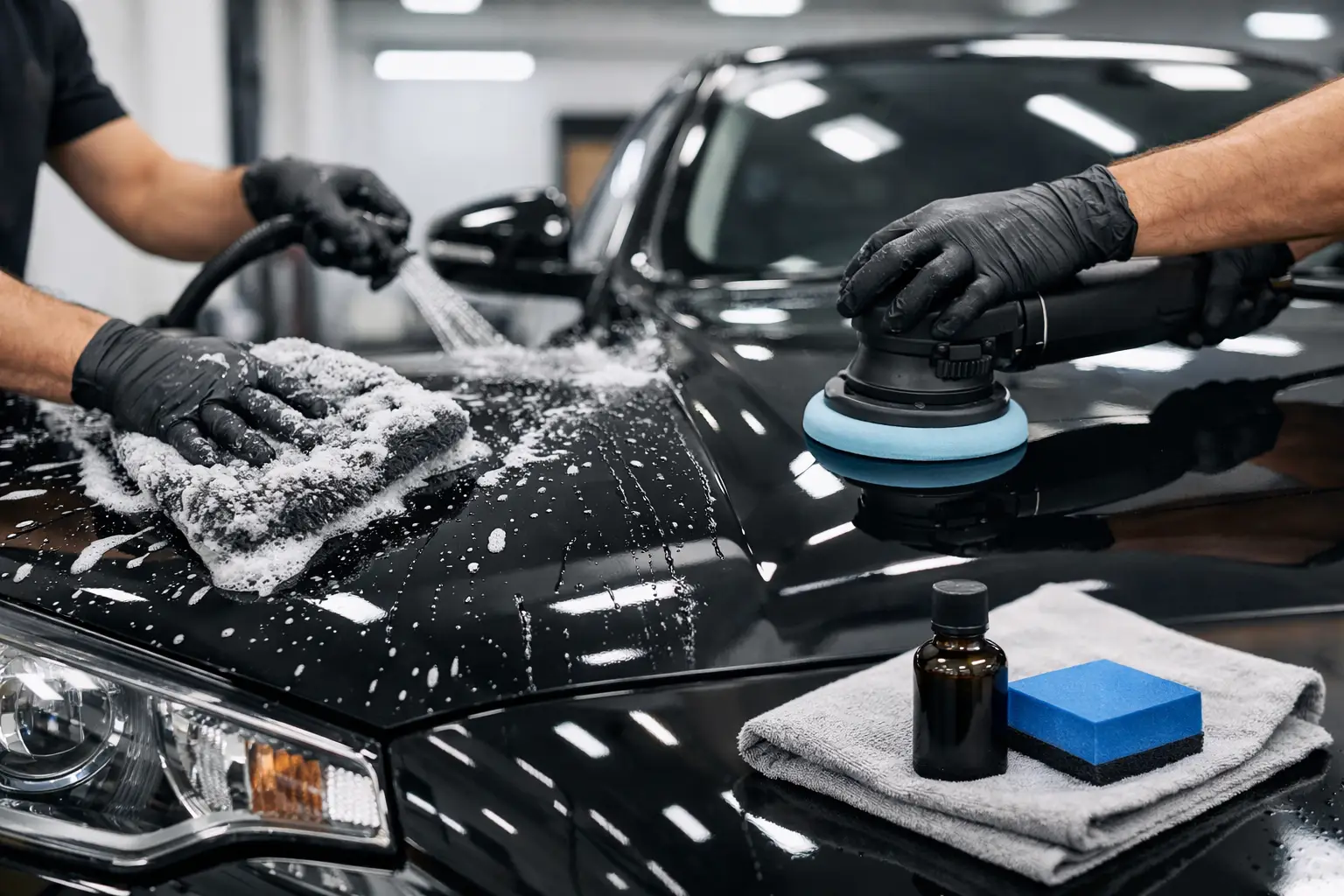
The process usually begins with a safe wash and chemical decontamination to remove dirt, tar, iron fallout and other bonded contaminants. The paint may then be clayed if needed to ensure the surface is fully clean. From there, the vehicle is dried, inspected and measured where appropriate.
Machine polishing is then tailored to the paint system and the level of correction required. Some cars respond well to a single-stage enhancement, which improves gloss and removes lighter defects. Others need a multi-stage process involving a cutting step followed by a refining polish to restore maximum clarity. Harder paints, softer paints, repainted panels and aged finishes all require a slightly different approach.
This is where experience makes a measurable difference. Over-correcting can remove unnecessary clear coat. Under-correcting leaves defects behind. The goal is precision – enough cut to improve the paint significantly, followed by enough refinement to produce a finish that looks clean and controlled in all lighting.
When paint correction is worth it
If your car looks dull even after a wash, paint correction is often worth serious consideration. The same applies if you can see circular wash marks, random scratches, faded paint or a lack of depth in the finish. For owners preparing a vehicle for sale, correction can also increase visual appeal and help the car present closer to its true value.
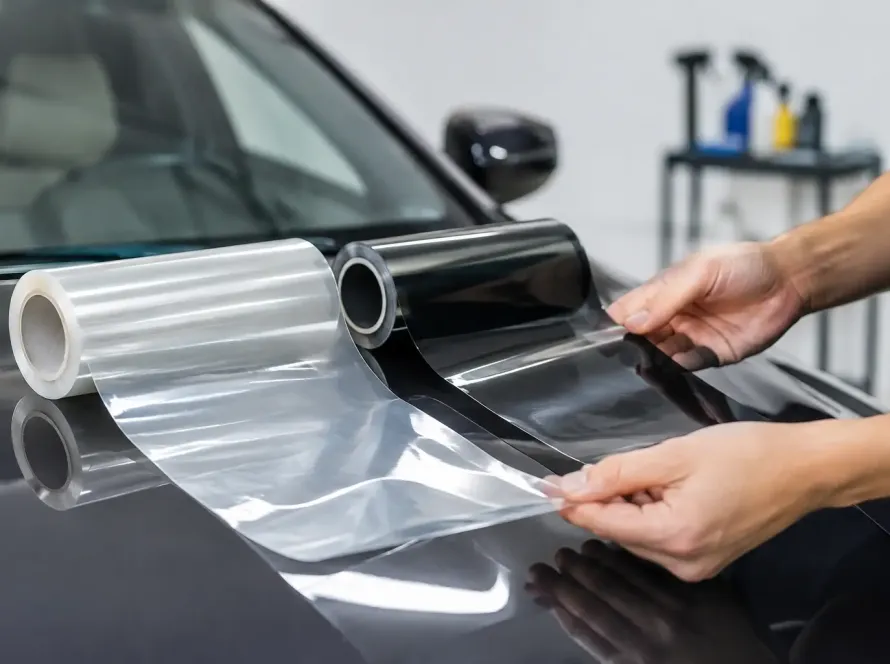
It is especially worthwhile before applying ceramic coating or paint protection film to visible painted areas. Protection works best on paint that has already been corrected, because coatings lock in the condition underneath. If defects remain, they do not disappear once protection is applied.
There is also a practical long-term case for correction. Restoring the finish and then protecting it properly can make future maintenance easier and help preserve the vehicle’s appearance over the years. For many owners, that means more enjoyment now and fewer compromises later.
What paint correction cannot do
A premium service should come with honest expectations. Paint correction can remove or reduce many surface defects, but it is not a cure for everything.
If a scratch has penetrated through the clear coat, polishing alone will not fully remove it. Etching that has gone too deep may improve without disappearing entirely. Stone chips, peeling lacquer and poor body-shop repairs are separate issues that may need paintwork rather than correction.
This is why inspection matters. The best outcomes come from matching the process to the vehicle, not applying the same package to every car. A trustworthy specialist will explain what improvement is realistic, what risks should be avoided and which route offers the best balance between appearance and paint preservation.
Protecting the after
The after stage only stays impressive if the finish is maintained properly. Once the paint has been corrected, it should be protected. Wax offers warmth and gloss, sealants add durability and ceramic coatings provide longer-lasting chemical resistance and easier upkeep. The right option depends on how the car is used, where it is stored and the level of maintenance the owner is prepared to follow.
Washing technique matters just as much. Poor washing can reintroduce swirls surprisingly quickly. Using safe methods, quality wash media and proper drying practices helps preserve the corrected finish for much longer. This is where professional detailing goes beyond transformation and into protection.
At GloboWax Malta, that difference is central to the result. Paint is not only restored for the day it leaves the studio. It is prepared to hold its finish, its value and its visual impact well beyond the appointment.
A true paint correction result is not about making a car look artificially glossy for a few days. It is about revealing what the finish should have looked like all along – clearer, deeper, sharper and properly cared for. If your paint still looks disappointing after a wash, the before and after may be far more significant than you expect. The right correction does not just improve appearance. It brings pride back to every glance across the bonnet.