Freshly polished paint can look spectacular on day one. The real question is what happens after a few weeks of sun, dust, road film and routine washing. That is where ceramic coating vs wax becomes more than a styling choice. It becomes a decision about how well your vehicle will hold its gloss, resist contamination and maintain its value over time.
For some owners, a quality wax is enough. For others, especially those who want longer-term protection and less compromise, ceramic coating is the clear step up. The right answer depends on your expectations, your budget and how you use your car.
Ceramic coating vs wax: the core difference
Wax is a traditional paint protection product designed to enhance gloss and add a sacrificial layer over the clear coat. It can improve water beading, deepen the finish and give paintwork that freshly detailed look. But wax sits on the surface in a relatively soft layer, and it gradually wears away through washing, heat, UV exposure and everyday driving.
Ceramic coating works differently. It forms a far more durable protective layer that bonds to the paintwork. Once professionally applied and cured, it offers stronger resistance to environmental fallout, UV damage, chemical contamination and general wear. The finish tends to stay cleaner for longer, and washing the vehicle becomes easier because dirt has less chance to cling to the surface.
Both options can make a car look better. The difference is how long that result lasts and how much protection you are actually getting.
How they compare in real-world driving
On a garage-kept weekend car that sees limited mileage and careful maintenance, wax can still perform well enough. It delivers warmth, gloss and a satisfying finish at a lower entry cost. If you enjoy regular detailing sessions, reapplying wax every couple of months may feel like part of the ownership experience rather than a drawback.
On a daily driver exposed to Malta’s sun, airborne dust, bird droppings, sea air and frequent washing, wax starts to show its limitations quickly. Its protective layer degrades faster, and that means the paint is back to facing the elements with far less defence.
Ceramic coating is better suited to demanding conditions. It is not invincible, and it does not make paint scratch-proof, but it creates a far stronger barrier than wax. For owners who want consistent performance rather than short-lived shine, that durability matters.
Shine and finish
Wax is often loved for the richness it brings to paint, particularly on darker colours. It can give a softer, warmer glow that some enthusiasts still prefer. Ceramic coating usually delivers a sharper, cleaner gloss – more reflective, more glass-like and more consistent over time.
This is partly personal preference. If you want a finish that looks freshly detailed week after week with less drop-off, ceramic coating has the advantage. If you enjoy the tactile ritual of hand-waxing and favour that traditional look, wax still has its place.
Durability and lifespan
This is where the gap becomes significant. A wax may last a few weeks to a few months depending on product quality, weather exposure and wash routine. Even the better waxes need regular top-ups to keep performing properly.
A professionally applied ceramic coating can last years rather than weeks, provided the paint is prepared correctly and the vehicle is maintained with care. That difference changes the ownership experience completely. Instead of repeatedly restoring lost protection, you start from a stronger baseline every time you wash the car.
Protection against contamination
Bird lime, tree sap, UV exposure, traffic film and mineral deposits can all take a toll on paintwork. Wax provides a light sacrificial layer, but it does not hold up for long under repeated exposure.
Ceramic coating offers much greater chemical resistance and environmental protection. It helps reduce staining and slows the damage these contaminants can cause if they are removed promptly. It is not a licence to ignore the car, but it gives your paint a much better chance of staying in excellent condition.
Maintenance and washing
One of the biggest advantages of ceramic coating is ease of maintenance. Water beads and sheets off more efficiently, and grime generally releases more easily during a wash. That means less effort, less aggressive cleaning and less risk of inflicting wash marks through overworking dirty panels.
Wax can also bead water nicely, but that effect fades faster. As the layer weakens, cleaning becomes harder and the finish loses its crispness sooner.
Cost: cheaper now or better value later?
Wax is the more affordable option upfront. That makes it attractive if you want a quick visual lift or are not ready to invest in longer-term protection. It can be a sensible choice for older vehicles, short-term ownership or owners who simply want occasional enhancement.
Ceramic coating costs more because the process is more involved. Proper application usually starts with decontamination and often paint correction to refine the surface before the coating is installed. That preparation is not an extra for the sake of it. It is what allows the coating to bond correctly and lock in a high-standard finish.
When you look beyond the initial spend, ceramic coating often delivers stronger value. You are paying for longevity, reduced maintenance effort and better preservation of the vehicle’s appearance. For owners who take pride in their car and want protection that matches that standard, it is typically the smarter investment.
Ceramic coating vs wax for different types of owner
If you change vehicles frequently, keep your car under cover and enjoy hands-on detailing, wax may still suit you. It offers flexibility and a lower short-term cost, and you can refresh the finish whenever you like.
If your car is a daily driver, a prestige vehicle, a performance model or something you plan to keep in prime condition, ceramic coating makes far more sense. It supports the long-term appearance of the paintwork and helps preserve the sort of finish that influences pride of ownership and resale appeal.
There is also a middle ground worth mentioning. Some owners use wax after polishing for a quick cosmetic improvement, knowing it is temporary. Others want a more serious protection system because they would rather maintain excellence than keep correcting preventable damage. Neither approach is wrong. The difference lies in what standard you expect the car to hold.
What wax and ceramic coating do not do
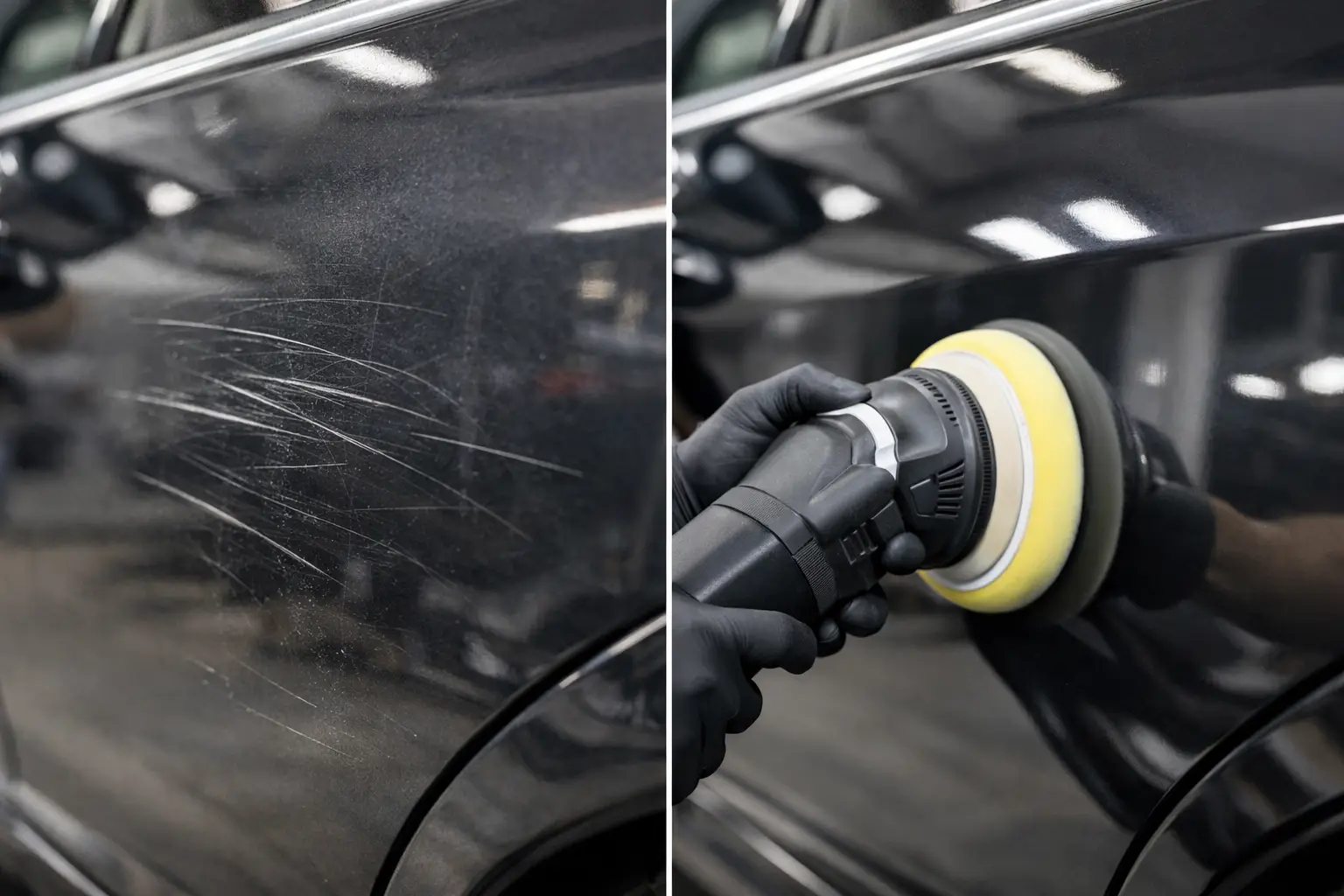
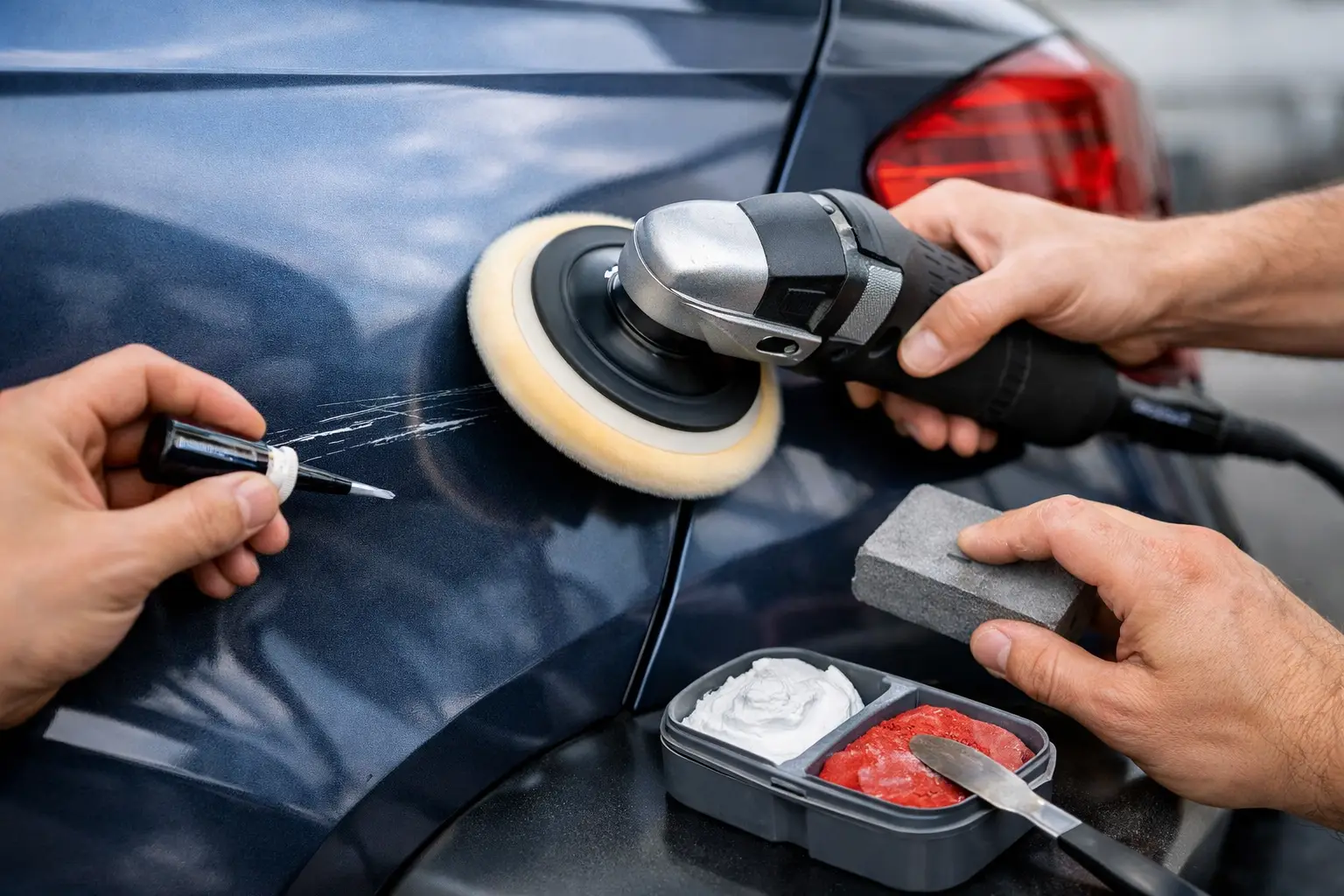
This part matters because unrealistic expectations lead to disappointment. Neither wax nor ceramic coating removes scratches, swirl marks or oxidation already present in the paint. If the finish is dull or marked, the surface may need machine polishing or paint correction before any protection is applied.
Ceramic coating also does not make a vehicle immune to stone chips or poor washing technique. It is highly effective, but it is still part of a complete care strategy, not a magic shield. The quality of preparation, application and aftercare all influence the final result.
Why professional application changes the result
A wax can be applied at home with reasonable results, although technique still matters. Ceramic coating is different. Surface preparation has to be meticulous. Any embedded contamination, marring or residue left behind can affect bonding and final appearance.
Professional application gives you control over that process. The paint is assessed properly, refined where needed and protected in a way that suits the vehicle and its condition. That is where premium detailing proves its value. Protection should never be treated as a quick add-on when the goal is a finish that looks exceptional and stays that way.
For owners who expect a higher standard, this is where specialist workmanship separates real paint protection from a short-lived cosmetic boost. At GloboWax Malta, that difference is central to the service philosophy – visible transformation backed by protection designed to last.
So which should you choose?
If you want affordable gloss, enjoy frequent upkeep and do not mind reapplying protection regularly, wax remains a respectable option. It is simple, familiar and can still make paintwork look superb for a while.
If you want stronger defence, longer-lasting results and easier maintenance, ceramic coating is the better choice by a clear margin. It asks for more investment at the start, but it returns that in durability, appearance retention and day-to-day practicality.
The best protection is not simply the one that shines brightest after application. It is the one that still performs after heat, washing, contamination and time have had their say. Choose the solution that matches how you drive, how you maintain your vehicle and the standard you expect every time you walk back towards it in a car park.