A ceramic-coated car can still look exceptional two years on – or disappoint within months. The difference is rarely the bottle alone. It comes down to preparation, application quality, aftercare, and the conditions the vehicle faces every day. If you are asking how long does ceramic coating last, the honest answer is that it depends on the grade of coating and how well the car is maintained afterwards.
For most vehicles, a professionally applied ceramic coating will typically last between two and five years. Some premium systems can go beyond that in the right conditions, while entry-level or poorly maintained coatings may deliver noticeably less. That gap matters, especially if you are investing in paint protection to preserve gloss, reduce maintenance, and support long-term vehicle value.
How long does ceramic coating last in real-world conditions?
Marketing claims can make ceramic coatings sound permanent. They are not. A coating is durable, but it is still exposed to UV, road film, detergents, bird droppings, salt, traffic fallout, and regular washing. Over time, that constant wear gradually reduces its performance.
In real-world use, longevity usually looks like this. Spray-applied ceramic sealants and maintenance toppers may last a few months up to a year. Consumer-grade ceramic coatings often sit around one to two years. Professionally installed coatings, especially those paired with proper paint correction and controlled curing, are the ones most likely to achieve the two to five year range.
That does not always mean the coating suddenly fails on a specific date. More often, it slowly loses slickness, water behaviour becomes less dramatic, and contamination starts to bond more easily to the paint. Protection can still be present even when the surface no longer beads water as dramatically as it once did.
What affects ceramic coating durability?
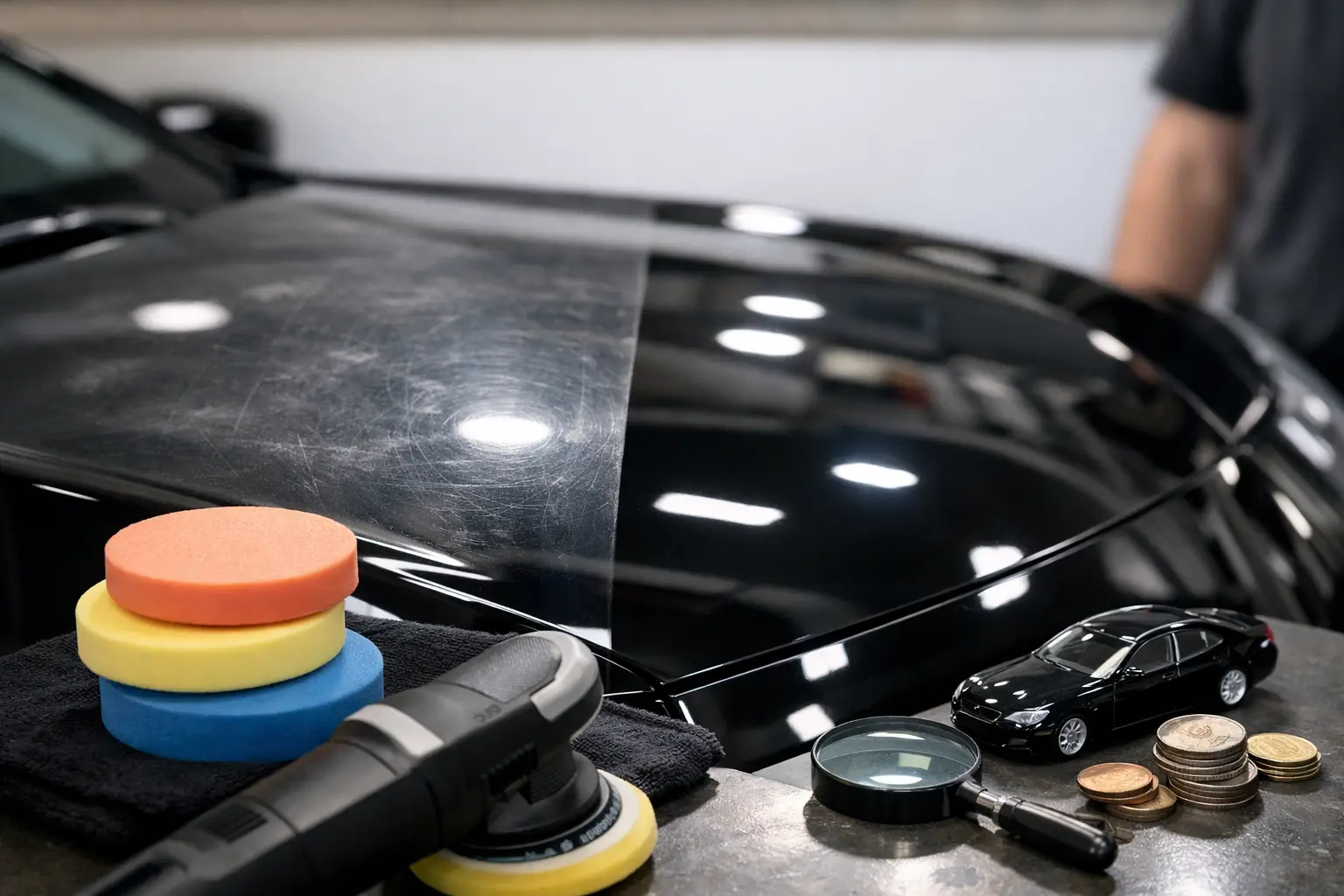
The biggest factor is what happens before the coating touches the paint. Ceramic coating bonds best to a properly corrected and fully decontaminated surface. If the paint still carries residue, embedded contamination, polishing oils, or defects that should have been addressed first, the coating will not perform at its best.
Application standards matter just as much. Temperature, humidity, curing time, layer consistency, and the technician’s experience all influence the final result. This is why professional ceramic coating tends to outperform quick retail applications. Precision is what turns a coating from a short-term gloss boost into serious paint protection.
Then there is usage. A garage-kept weekend car in Malta will generally have a much easier life than a daily driver parked outdoors near the coast. UV exposure, sea air, hard water, dust, and frequent motorway miles all increase the demands on the coating. The more aggressive the environment, the harder the coating has to work.
Washing habits also make a significant difference. A car that is washed properly with pH-appropriate products and soft microfibre media will retain coating performance far longer than one that is regularly run through harsh automatic washes. Poor wash methods do not just dull the finish – they can slowly degrade the protective layer and introduce swirl marks into the clear coat beneath.
Professional vs DIY coatings
This is where expectations often need resetting. DIY coatings can offer worthwhile protection and improved gloss, but they are not always comparable to a professionally installed system. The chemistry may be different, but the larger difference is usually process.
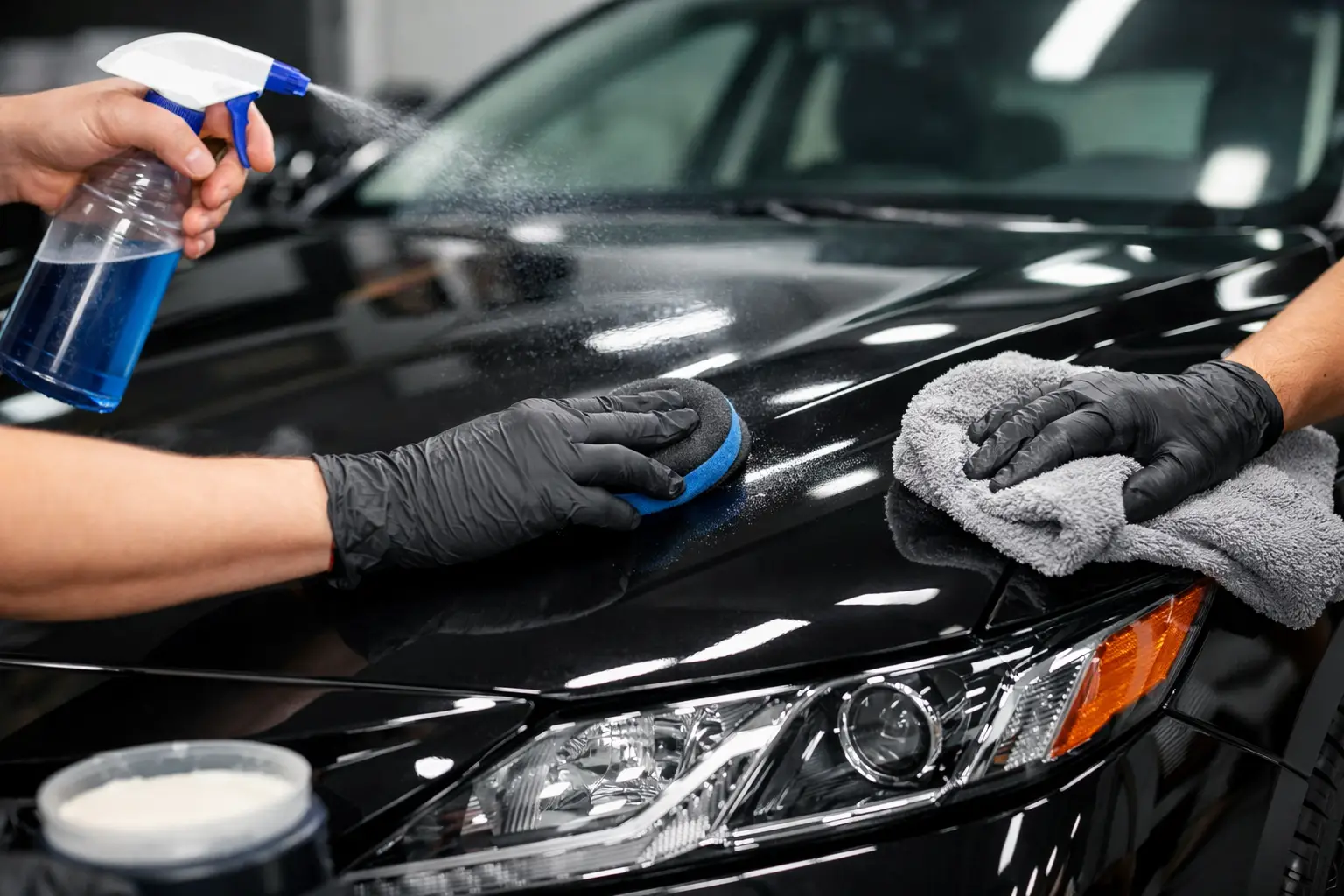
A professional service includes proper assessment of the paint, decontamination, machine polishing where needed, careful panel wipe preparation, controlled application, and curing. That groundwork is what gives the coating the best chance of lasting as long as it should. Without it, even a good product can underperform.
DIY options suit some owners, particularly those comfortable with preparation and realistic about maintenance. But if the goal is maximum durability, higher visual clarity, and the confidence that the protection has been installed correctly, professional application is the stronger choice.
Signs your ceramic coating is wearing out
Many owners assume that once water stops beading tightly, the coating is gone. That is not always true. Beading can be affected by contamination sitting on top of the coating, rather than failure of the coating itself. A maintenance wash or decontamination treatment may restore some of that behaviour.
Still, there are signs that a coating is approaching the end of its effective life. The paint may feel less slick after washing. Dirt may cling more stubbornly. Drying may take more effort. Gloss can appear flatter, and the ease of cleaning that once made the car feel effortlessly maintained may start to fade.
At that stage, the right next step depends on the condition of the surface. Sometimes the coating only needs professional maintenance. In other cases, especially after a few years of exposure and wear, a fresh protection package is the better option.
How to make ceramic coating last longer
Ceramic coating is not a fit-and-forget product. It lowers maintenance, but it does not remove the need for it. The owners who see the best long-term results are the ones who treat the coating as part of a proper care routine, not a substitute for one.
Regular safe washing is the foundation. Leaving heavy dirt, bird lime, insect residue, or mineral deposits on the paint for too long shortens the life of any protective layer. Quick attention to contamination helps preserve both the coating and the finish underneath.
Maintenance products can help too, but only when used correctly. A compatible topper or silica-based maintenance spray can refresh hydrophobic performance and support the coating between major treatments. Used excessively or layered with the wrong products, though, maintenance sprays can create build-up and confusion about what the coating itself is actually doing.
Periodic inspections are valuable, especially for premium or high-mileage vehicles. A professional can assess whether the coating is clogged, weakened, or still performing well, and recommend the right correction rather than guessing based on water beading alone.
Is ceramic coating worth it if it does not last forever?
Yes – for the right owner, absolutely. Ceramic coating is not sold on permanence. Its value lies in how it protects the paint during the years it is active. It helps defend against UV degradation, makes washing easier, reduces how strongly dirt and contaminants bond, and keeps the finish looking sharper between details.
For owners who take pride in appearance, that means less time fighting with the paint and more time enjoying a cleaner, glossier vehicle. For those thinking longer term, it also supports better preservation of the vehicle’s finish, which matters when resale value and overall presentation are priorities.
That said, ceramic coating is not magic. It will not stop stone chips. It will not make poor wash technique harmless. It will not permanently eliminate scratches or swirl marks. The most satisfying results come when expectations are clear and the coating is matched to the vehicle, the owner’s habits, and the level of finish they want to maintain.
How long does ceramic coating last on a daily driver?
A daily driver usually sits somewhere in the middle of the durability range, assuming it receives sensible care. For most professionally coated vehicles used every day, two to three years of strong real-world performance is a fair expectation, with some coatings stretching further when maintained properly.
If the car lives outdoors, covers high mileage, or is exposed to frequent sun, dust, salt, and industrial fallout, durability may sit at the lower end of the range. If it is washed correctly, stored under cover when possible, and seen for periodic maintenance, you can reasonably expect better longevity and a more consistent finish.
This is why a proper consultation matters. The best protection plan is not simply the longest claimed lifespan on paper. It is the one that fits how the vehicle is actually used.
The smarter way to judge coating lifespan
Instead of asking whether a coating can survive a certain number of years in theory, ask how well it will perform on your car, in your conditions, with your maintenance habits. That question leads to a more useful answer.
A premium ceramic coating should deliver more than water beading. It should preserve gloss, reduce cleaning effort, and maintain a refined, protected finish that reflects the standard of the vehicle itself. When applied with care and maintained properly, it becomes one of the most effective ways to keep paintwork looking sharper for longer.
If you want ceramic coating to last, focus less on the headline claim and more on the quality behind it – preparation, craftsmanship, and aftercare. That is where lasting protection begins, and where the best results continue to show long after the initial shine has settled.