A car’s paint rarely fails all at once. It dulls gradually under the Malta sun, picks up fine swirl marks from rushed washing, and loses depth every time dust, salt and bird droppings sit too long on the surface. If you are wondering how to protect car paint properly, the real answer is not one product or one wash. It is a system – the right habits, the right protection, and the right level of professional care at the right time.
For owners who value finish, presentation and resale strength, paint protection is not cosmetic fuss. It is preservation. Modern paintwork looks stunning when it is fresh, but it is constantly under pressure from UV exposure, traffic film, road grime, hard water spotting and poor washing methods. The better the car, the more obvious the damage becomes.
Why car paint degrades faster than most owners expect
Many people assume factory paint is tough enough to take care of itself. It is durable, but not invincible. Clear coat is designed to shield the coloured layer beneath, yet it is still vulnerable to abrasion and contamination. Every contact with the surface matters.
Sun exposure is one of the biggest threats, particularly in bright coastal climates. Over time, ultraviolet light oxidises the upper surface, reducing gloss and richness. Add salt in the air, airborne fallout, tree sap and insect residue, and that once-deep finish can start to look flat surprisingly quickly.
The other major cause is poor maintenance. A cheap sponge, circular scrubbing, dirty wash water and rough drying towels can mark paint in a single session. Most swirl marks are not caused by driving. They are caused by washing.
How to protect car paint day to day
If you want lasting gloss, the first step is reducing avoidable damage. That starts with washing the car correctly. A careful hand wash removes contamination without grinding it into the clear coat. Pre-rinsing the vehicle, using a quality pH-neutral shampoo and drying with clean microfibre towels all make a visible difference over time.
Technique matters just as much as products. Wash from the top down, where the car is cleaner, and leave the lower sections until last. Wheels and arches should be cleaned separately so brake dust and grit are not transferred onto painted panels. If the wash mitt touches the ground, it should not go back on the paint.
Drying is often overlooked, but it is where many light scratches are created. Letting water air-dry can leave mineral spots, especially in strong sun. Dragging an old towel across the surface can leave marring. A soft, high-quality drying towel used with patience is a small detail that protects a major investment.
The protection options that actually work
When people ask how to protect car paint, they are usually asking which protective layer is worth paying for. The answer depends on expectations, budget and how the vehicle is used.
Wax for warmth and short-term defence
A quality wax enhances gloss and gives paint a rich, freshly detailed look. It also adds a sacrificial layer that helps repel water and light contamination. For enthusiasts who enjoy regular upkeep, wax can be an excellent choice.
Its limitation is durability. Heat, detergents and environmental exposure wear it down relatively quickly. On a daily-driven car kept outdoors, wax alone may not be enough if you want longer intervals of protection.
Sealants for longer-lasting coverage
Paint sealants are designed to last longer than traditional wax and usually offer stronger resistance to weathering and washing. They can deliver a crisp, reflective finish and are a sensible step up for owners who want durability without moving into more advanced systems.
That said, a sealant still needs proper prep and maintenance. Applied over contaminated or poorly corrected paint, it will lock in defects rather than hide them.
Ceramic coating for serious protection
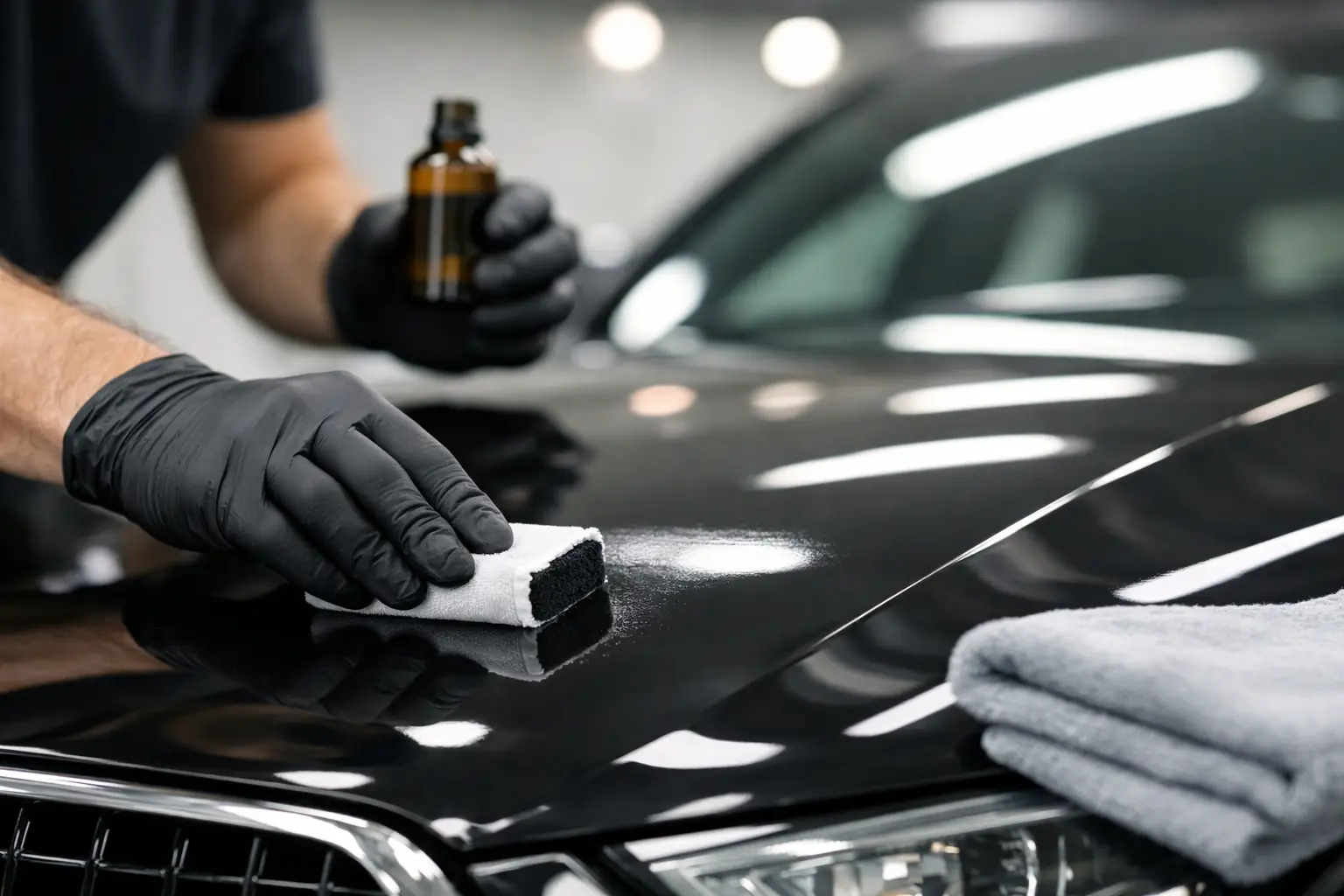
Ceramic coating is the preferred choice for owners who want high-level paint protection with long-term benefits. It forms a durable protective layer that improves chemical resistance, makes washing easier and helps maintain a sharper finish for longer. Water behaviour improves, grime tends to release more easily, and the car stays cleaner between washes.
Ceramic coating is not magic, and it is not bulletproof. It will not stop stone chips, and it does not mean the car can be washed carelessly. What it does offer is a stronger line of defence against the everyday elements that slowly age paintwork.
Paint protection film for maximum physical defence
For the highest-risk areas – bonnet edges, bumpers, mirrors, sills and front wings – paint protection film offers a different level of security. Unlike waxes or coatings, it is a physical barrier designed to absorb impacts from road debris and reduce the risk of chips and abrasion.
This is particularly valuable on performance, luxury and motorway-driven vehicles. It is a premium solution, but in the right areas it can preserve paint to a standard other systems cannot match.
Preparation matters more than most products
One of the biggest mistakes in paint protection is applying premium products to paint that has not been properly prepared. If the finish has swirl marks, embedded contamination or oxidation, protection should not be the first step. Correction should.
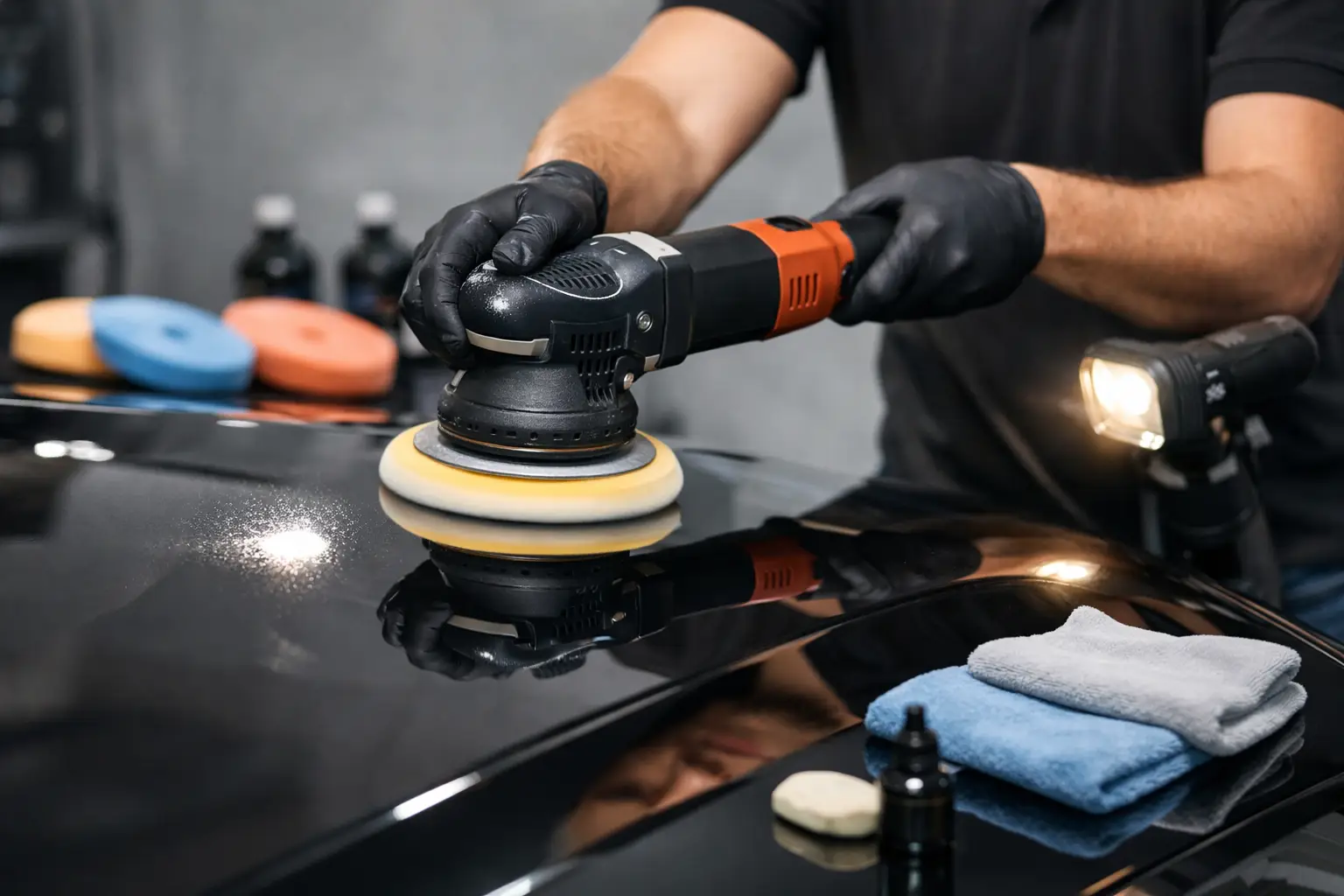
Decontamination removes bonded fallout, tar, iron particles and residue that normal washing leaves behind. Polishing then refines the surface, restoring clarity and gloss. Only after the paint is properly cleansed and corrected does protection perform at its best.
This is where specialist detailing separates itself from a routine car wash. Protection is only as good as the surface underneath it. A professionally prepared car does not just look better on the day – it gives protective products the clean, stable foundation they need to last.
How to protect car paint from common real-world damage
The threats most owners face are not dramatic. They are everyday issues that build up quietly.
Bird droppings should be removed quickly, because their acidity can etch into warm paint. Tree sap and insect remains can harden and stain if left in place. Fuel spills around the filler area should not be ignored. Even dusty cars can be damaged when someone wipes a panel with a dry cloth, effectively rubbing abrasive particles into the finish.
Parking choices also matter. Shade helps, but trees can introduce sap and bird activity, so it is always a trade-off. Covered parking is ideal where possible. If the vehicle is driven daily and stored outdoors, stronger protection becomes less of a luxury and more of a necessity.
Professional care versus DIY maintenance
There is nothing wrong with maintaining your own car if you use the correct methods. In fact, regular safe washing is essential. But there is a clear difference between maintenance and specialist protection.
DIY products can help, especially at entry level, but results depend heavily on preparation, technique and consistency. Professional detailing brings controlled correction, precise application and product systems chosen for the car’s condition and use. For high-value vehicles, dark paint, soft paint finishes or owners who simply want flawless results, expert treatment is usually the more cost-effective path in the long run.
At GloboWax Malta, that philosophy sits at the centre of paint care. Protection is not treated as an add-on. It is part of preserving the finish, the presence and the value of the vehicle.
The right protection depends on the car
A weekend sports car, a family SUV and a daily executive saloon do not all need the same approach. Mileage, storage conditions, paint colour, driving routes and owner expectations all influence the right protection plan.
For some vehicles, regular washing and a high-quality sealant may be enough. For others, paint correction followed by ceramic coating is the smarter answer. On cars exposed to heavy motorway use or owners who want maximum front-end preservation, paint protection film can make the most sense.
The best results usually come from combining methods rather than chasing one miracle solution. Correct the finish, apply the right protective layer, and maintain it properly. That is how paint stays sharp year after year.
A well-kept finish does more than shine in the sun. It reflects standards. Protecting your paint means protecting the first thing people notice, the surface that takes the punishment, and the value you will appreciate long after the first impression.