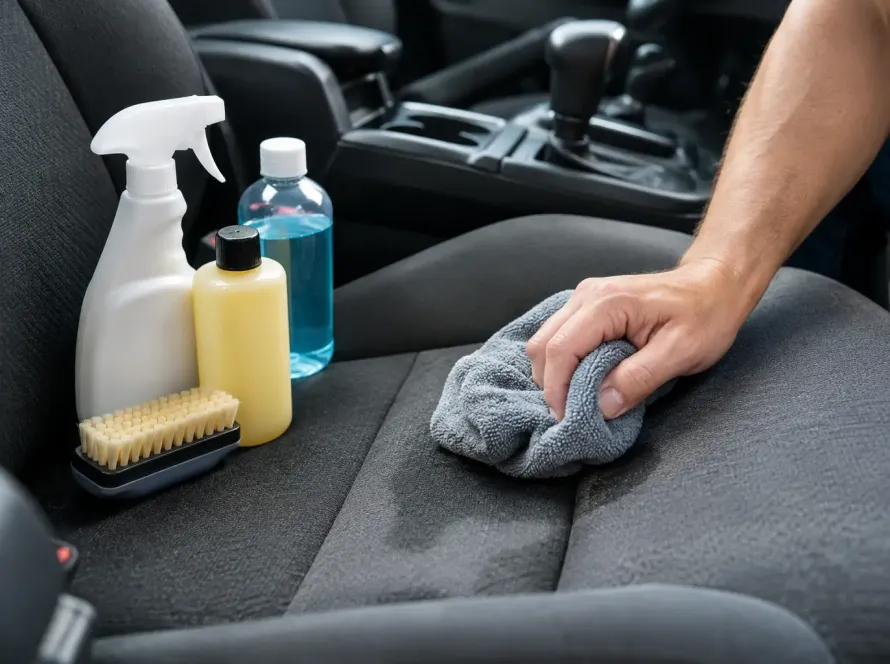
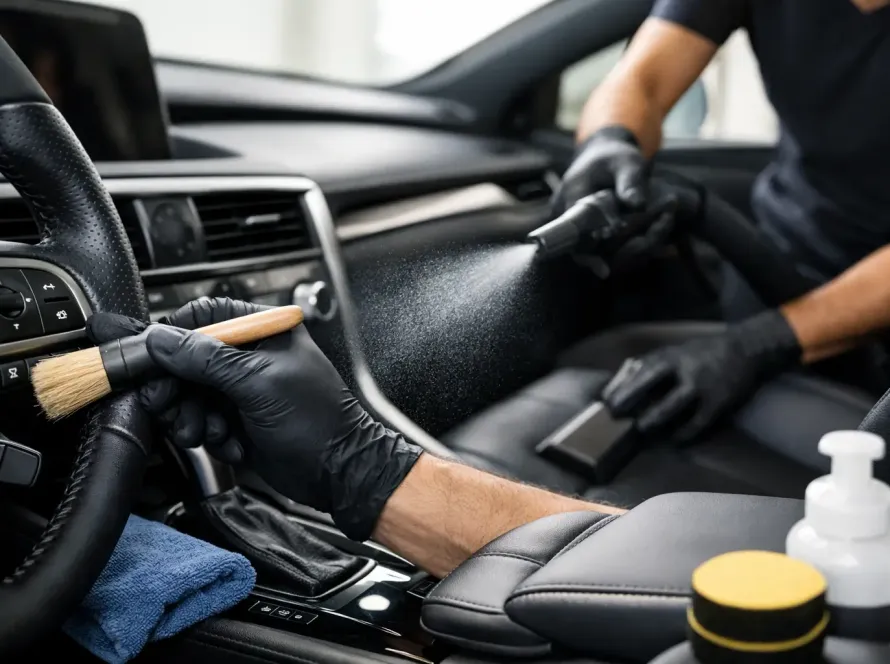
Open the door of a well-kept car and you notice it straight away – clean air, fresh trim, seats that look cared for, and surfaces free from the tired sheen that comes from neglect. That is the difference interior car detailing makes. It is not a quick vacuum and a wipe over. It is a precise restoration process that improves how your car looks, feels and holds its value.
For many owners, the cabin is where wear shows first. Daily commuting, school runs, coffee spills, sun exposure and general use all leave their mark. Dust settles into vents, oils build up on touchpoints, fabrics trap odours, and leather gradually loses its natural finish. Left alone, these issues do more than spoil appearance. They accelerate ageing and make a car feel older than it is.
What interior car detailing really involves
Professional interior car detailing is a methodical treatment of every surface inside the vehicle. The goal is not simply to make the cabin look tidy. It is to clean deeply, restore finish, remove contamination and apply protection where needed.
That means more than the obvious areas. Seats, carpets, mats, dashboard plastics, centre console, door cards, headlining, boot lining, vents, crevices, touchscreens and interior glass all need different handling. Leather requires a different approach from cloth. Piano black trim needs more care than textured plastic. Light-coloured interiors demand stronger stain control but gentler finishing. Precision matters because the wrong product or technique can leave staining, streaking, premature wear or a greasy residue.
A proper detail also focuses on the details owners notice every day. Cup holders free from sticky buildup. Seat rails cleared of debris. Steering wheels cleaned without leaving a slick finish. Interior glass polished to clear visibility rather than smeared into the sunlight. These are small areas, but together they shape the quality of the driving experience.
Why interior car detailing matters beyond appearance
A clean cabin always looks better, but appearance is only part of the story. Interior detailing protects the materials that make up your vehicle’s cabin and helps preserve resale appeal over time.
Wear starts quietly
Most interior deterioration is gradual. UV exposure fades trim and dries leather. Friction breaks down seat bolsters. Dirt particles trapped in fabric act like abrasives. Moisture from shoes and spills can sink into carpets and underlay. By the time damage looks obvious, some of it is no longer reversible.
That is where professional care adds real value. Deep cleaning removes the contamination that causes long-term wear, while protectants help surfaces resist future staining, fading and cracking. For owners who plan to keep their car for years, that protection pays off in daily comfort. For owners who may sell or part-exchange later, a well-maintained interior can strengthen first impressions and support stronger value.
Hygiene and comfort count
Your vehicle cabin is a closed environment. Dust, food particles, pet hair, bacteria and odours build up more quickly than many people expect. Air-conditioning vents can hold fine dust. Seats absorb body oils and moisture. Carpets collect debris that a standard vacuum often misses.
Interior detailing helps reset that environment. The result is not only visual. The cabin feels fresher, cleaner and more refined. For families, daily drivers and anyone spending serious time behind the wheel, that improvement is immediately noticeable.
The difference between a standard clean and a professional detail
This is where many owners are caught out. A routine valet or car wash interior service usually focuses on speed. It can improve presentation, but it is rarely designed for correction or protection.
A professional detail is slower because it is more exacting. Stains are treated rather than disguised. Sensitive trim is cleaned with the right chemistry. Leather is cleansed and conditioned according to condition, not given a glossy dressing to create a short-lived impression. Fabrics are extracted properly where appropriate, and moisture management is considered to avoid lingering dampness or odour.
It also depends on the condition of the vehicle. A lightly used executive saloon will need a different process from a family SUV with child seats, pet hair and food spills. Likewise, a performance car with alcantara, carbon trim and tight cabin spaces requires a more specialist approach than a general clean can offer.
Which interiors benefit most from detailing
The short answer is all of them, but some vehicles show the benefits faster than others.
Light interiors reveal dye transfer, denim marks and shoe scuffs very quickly. Leather cabins benefit because body oils and heat gradually flatten the finish and dry the material. Cloth seats often trap odours and stains that domestic cleaners struggle to remove. Cars used daily on dusty roads or near the coast can also collect more fine debris and salt-related residue than owners realise.
In Malta’s climate, heat and sun exposure add another layer of pressure. Interior surfaces can fade, harden and lose their factory look faster if they are not maintained correctly. That is why interior care should not be treated as an occasional cosmetic extra. In warm, high-UV conditions, it becomes part of responsible vehicle preservation.
Interior car detailing and long-term protection
The best results come when restoration is followed by protection. Cleaning alone resets the cabin. Protection helps keep it that way.
Leather, fabric and trim all age differently
Leather needs products that clean without stripping natural finish and protect without leaving artificial shine. Fabric seats and carpets may benefit from protection that makes future spills easier to manage. Plastics and vinyl require UV-conscious care to reduce fading and brittleness. Even interior glass matters because clean, residue-free screens improve visibility, especially in strong sunlight and at night.
This is where a specialist approach stands apart. The aim is not to make every surface look glossy. It is to return each material to the finish it should have had in the first place – clean, even, natural and properly protected.
Timing matters
If the interior already has deep staining, mould, heavy odours or neglected leather, a single session can make a dramatic difference, but expectations should stay realistic. Some damage is wear rather than dirt. Cracked leather, permanent dye transfer or sun-faded plastics may improve but not disappear completely. Honest detailing is about restoration and preservation, not false promises.
For newer vehicles, the equation is simpler. Early detailing and protection help prevent those issues from taking hold at all. Owners who treat their interior before visible deterioration appears usually spend less on corrective work later.
How often should you book interior car detailing?
That depends on how the car is used. A weekend vehicle driven sparingly may need full interior detailing far less often than a daily driver carrying children, pets or clients. For many owners, a professional interior detail every few months, supported by careful maintenance in between, keeps the cabin in excellent condition.
If you eat in the car, carry sports gear, transport pets or spend hours commuting, more frequent attention is sensible. If the vehicle is part of your professional image, regular detailing is not indulgent – it is maintenance. The cabin says a great deal about how a vehicle has been cared for.
Choosing the right specialist
Not every cleaning service is equipped for high-level interior detailing. The difference is usually visible in the finish. Over-dressed plastics, patchy fabrics, saturated carpets and strong artificial scents are signs of rushed work or poor technique.
A true specialist understands material behaviour, uses the correct tools for delicate areas, and works with precision rather than shortcuts. That matters even more in premium vehicles, where cabin materials are softer, more varied and less forgiving. At that level, craftsmanship is not a luxury. It is the standard required to achieve the right result.
At GloboWax Malta, interior detailing is approached with that standard in mind – careful assessment, refined technique and protection-focused results that respect the quality of the vehicle.
A well-detailed interior changes more than the look of a car. It restores the sense of pride you feel every time you take your seat, close the door and drive in a space that feels properly cared for.