A leather interior can make even a well-used car feel considered, refined and properly cared for. Yet leather is often treated either too aggressively or not at all. The best products for leather seats do more than leave a temporary shine: they remove body oils and embedded grime safely, preserve the original finish and help protect the surface from Malta’s intense sun.
The right choice depends on the leather in your vehicle, its present condition and the result you want to maintain. Most modern car seats are coated leather, designed with a protective top layer rather than an exposed, absorbent hide. That means they need a measured approach – clean the coating, protect it from wear and UV exposure, and avoid products that leave it slippery, glossy or clogged with residue.
The Best Products for Leather Seats Start With a Safe Cleaner
A dedicated pH-neutral leather cleaner is the foundation of proper seat care. It is formulated to lift the oils, sunscreen, denim transfer and everyday dirt that build up on high-contact areas such as bolsters, steering wheels and armrests. These contaminants are not merely cosmetic. Left in place, they can make the leather look darker, feel greasy and accelerate wear on the protective coating.
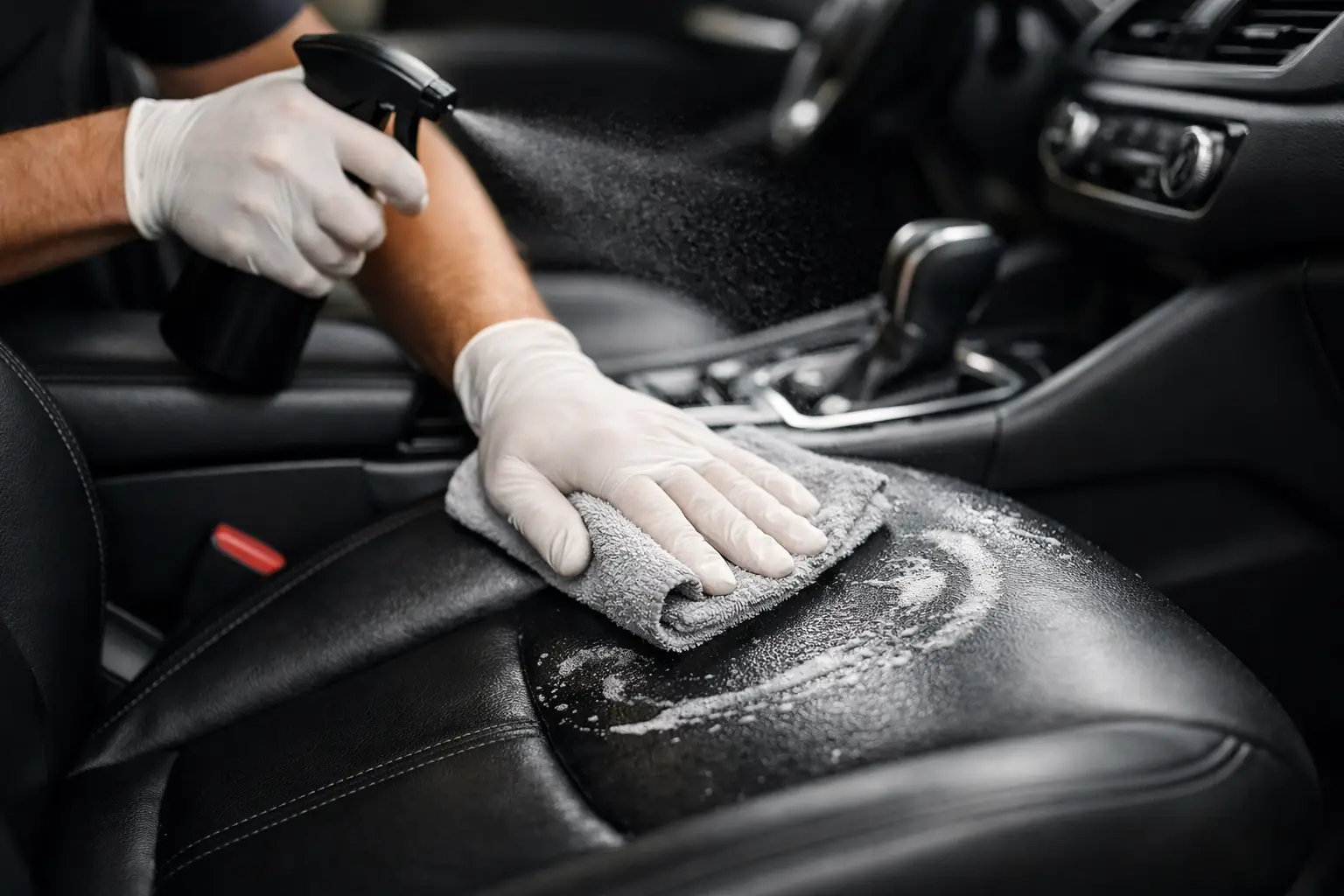
Choose a water-based cleaner with no harsh solvents, bleach or strong alkaline ingredients. A foaming formula is particularly useful because it gives controlled coverage without soaking stitching, perforations or seat seams. Apply it to a soft leather brush or microfibre applicator rather than directly flooding the seat, then work one small section at a time with light pressure. Wipe the released dirt away with a clean microfibre towel.
The aim is a clean, natural matte or satin finish. If the seat looks unusually shiny after cleaning, it may still have old dressing or silicone residue on it. It may also be worn smooth in that area, which calls for a professional assessment rather than more aggressive scrubbing.
Why household cleaners are a poor substitute
All-purpose cleaners, washing-up liquid, baby wipes and kitchen degreasers are tempting because they are close at hand. They can also strip protective coatings, dry the surface and leave behind residues that attract more dirt. Products containing alcohol can be especially risky around coloured finishes, printed details and repaired leather.
Leather upholstery deserves a product made for automotive use. Car leather faces far greater heat swings, friction and UV exposure than a leather sofa, so its care products must be designed for that environment.
Use a Leather Protector, Not a Heavy Dressing
For most modern interiors, a quality leather protector is more valuable than a traditional oil-rich conditioner. A protector forms an invisible barrier that makes it harder for oils, dyes and spills to bond to the seat surface. It also adds UV resistance, helping limit fading and premature deterioration where the car spends long hours parked outdoors.
Look for a non-greasy, low-sheen formula that dries dry to the touch. The best protectors leave the leather feeling clean and natural, not slick. This matters for both appearance and driving control: a slippery driver’s seat or steering wheel is never an upgrade.
Apply a thin, even layer after cleaning and allow it to cure as directed. More product is not better. Overapplication can create streaks, leave a tacky finish and attract dust. In Malta, where sun exposure is a daily factor for many vehicles, regular UV protection is part of preserving the interior’s condition and resale appeal.
When conditioner is the right product
A leather conditioner can be useful for older, uncoated or genuinely dry leather, especially in classic vehicles. These surfaces may benefit from a carefully selected conditioner that restores flexibility without saturating the material. However, this is a case where product choice matters greatly.
Many modern seats do not absorb conditioners in the way people expect because their top coat acts as a barrier. Applying a rich cream to coated leather can simply leave residue sitting on the surface. If you are unsure whether your seats are coated, semi-aniline or uncoated leather, test a discreet area or seek professional guidance before treating the full interior.
The Products That Make the Difference in Application
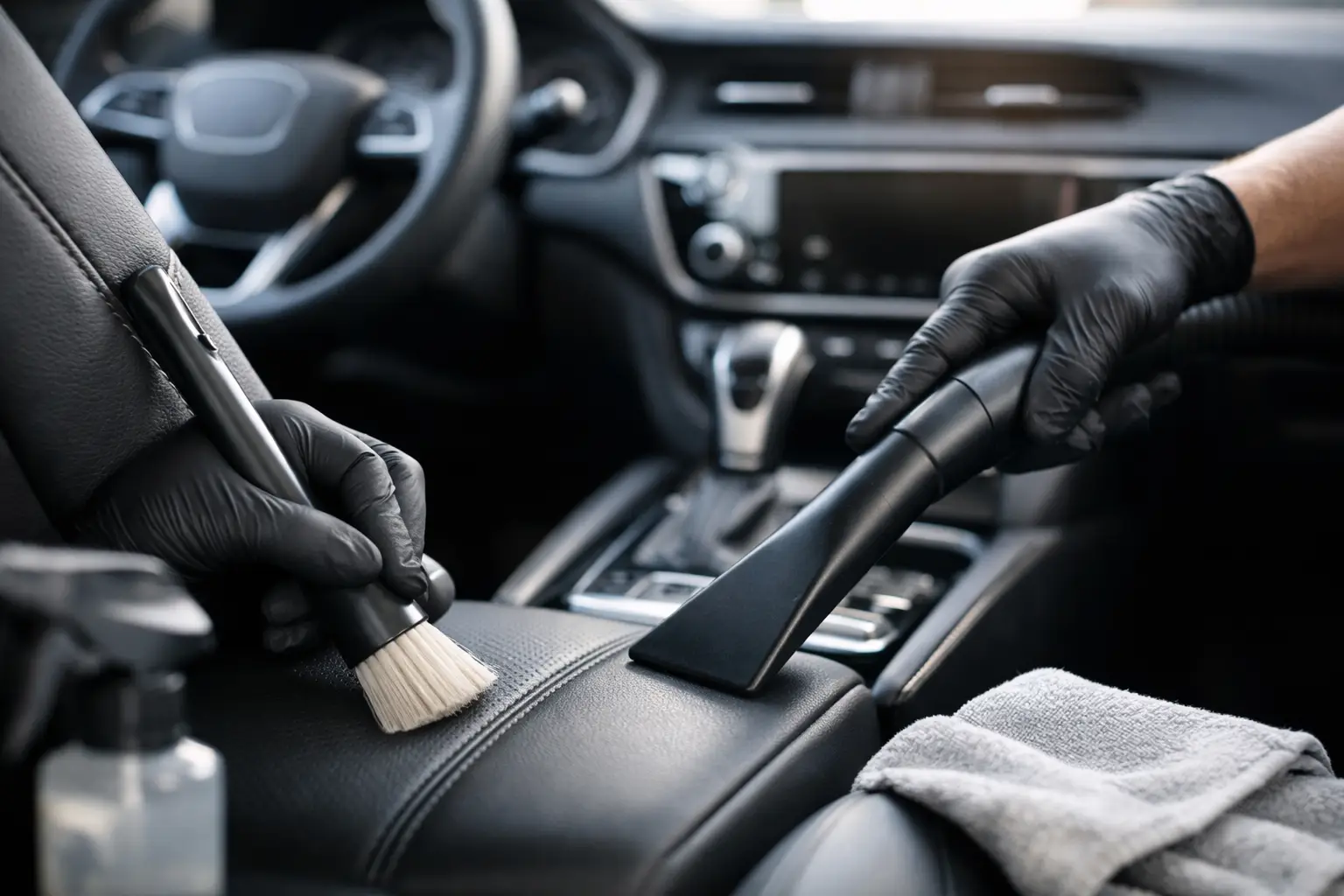
Good results are not created by a bottle alone. The applicators used during cleaning and protection affect how safely and evenly a product performs. A soft detailing brush with fine bristles reaches leather grain and stitching without scouring the surface. Use it gently. Pressing hard is unnecessary and may cause abrasion on aged or weakened leather.
Clean, high-quality microfibre towels are equally essential. Keep separate towels for cleaning, wiping and applying protectant so that dirt is never transferred back onto the seat. A soft foam or microfibre applicator pad helps distribute protection evenly across large panels, while cotton buds can be useful for carefully cleaning tight stitching channels and embossed details.
Avoid rough cloths, melamine sponges and stiff household brushes. Their damage may not show immediately, but repeated abrasion can dull the coating and increase the chance of cracking or colour loss over time.
Match the Product to the Problem
A well-maintained leather interior usually needs only a gentle cleaner and a protector. Heavily soiled seats, however, need more considered treatment. Dark blue marks on pale leather may be dye transfer from jeans. Shiny patches on the driver’s bolster are often compacted body oils and worn coating. A sticky finish can point to accumulated dressings or an unsuitable previous product.
For fresh spills, a leather-safe cleaner and quick blotting are often enough. Do not rub liquid deeper into the grain. For ink, dye transfer, odours or severe staining, do not reach for stronger chemicals without understanding the risk. Specialist leather stain removers exist, but their use depends on the type of finish and the nature of the contamination. An incorrect product can spread a mark or alter the colour.
Cracks, worn bolsters, peeling pigment and scuffed seat edges are not maintenance issues alone. They may require leather repair, recolouring or restoration. Cleaning them harder will not restore the finish and can make the repair more complex.
A Practical Leather Care Routine
For a daily driven vehicle, light cleaning every two to three months is usually sufficient, followed by protection. Cars carrying children, pets, gym gear or frequent passengers may need attention more often. A vehicle that spends most of its time in a shaded garage will face different demands from one parked outdoors every day.
Between deeper cleans, wipe away fresh spills promptly and vacuum dust from seams with a soft brush attachment. This prevents grit from working into the stitching and rubbing against the surface. If you notice a change in texture, colour or sheen, act early. Preventative care is always more cost-effective than repairing neglected leather.
The steering wheel deserves the same attention as the seats. It absorbs a high level of hand oils, lotions and sanitiser residue, and can become shiny long before the rest of the interior looks dirty. Use a suitable leather cleaner sparingly, then apply a non-slip protector only if the product is approved for steering wheel use.
Protecting Leather in Malta’s Climate
Heat and ultraviolet exposure place continuous pressure on interior materials. Sunshades, shaded parking and quality window tinting can reduce the thermal load, but they do not replace proper leather protection. UV-resistant leather protection helps preserve colour, particularly on lighter interiors and exposed rear seats.
Ventilation also matters. A car sealed in direct sun can become exceptionally hot, and that repeated stress affects leather, plastics, adhesives and trim. Keeping the interior clean means contaminants are less likely to bake onto the surface, while a regular protective layer provides an additional defence against daily use.
For owners who expect a showroom-level interior rather than a quick cosmetic fix, professional interior detailing brings the process together. At GloboWax Malta, leather care is approached as surface preservation: clean accurately, protect correctly and address wear before it compromises the finish.
The best leather care product is ultimately the one suited to your seat’s finish and used with restraint. Keep the surface clean, dry and naturally finished, protect it from UV exposure, and treat early signs of wear as a reason to act rather than something to hide with shine.