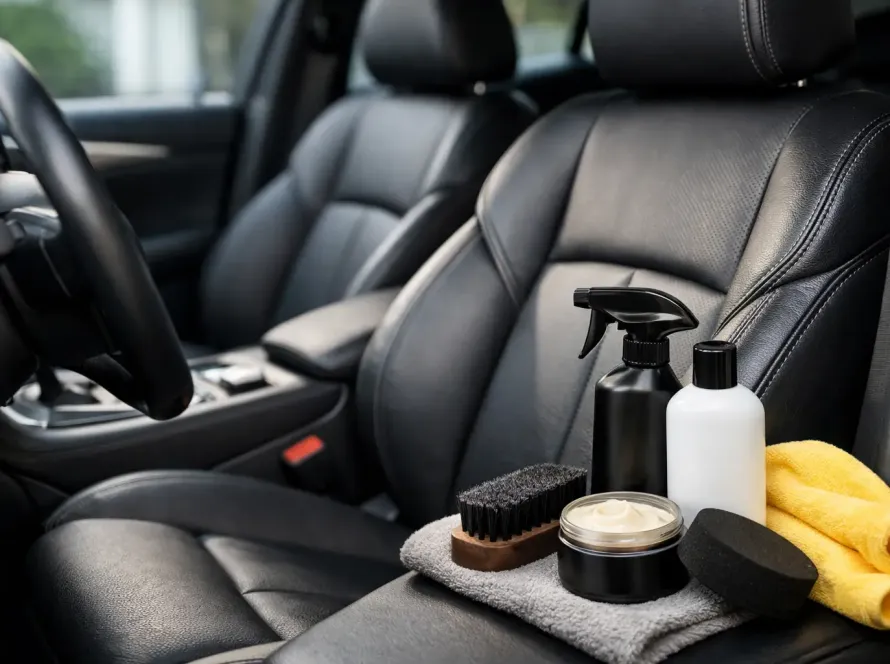
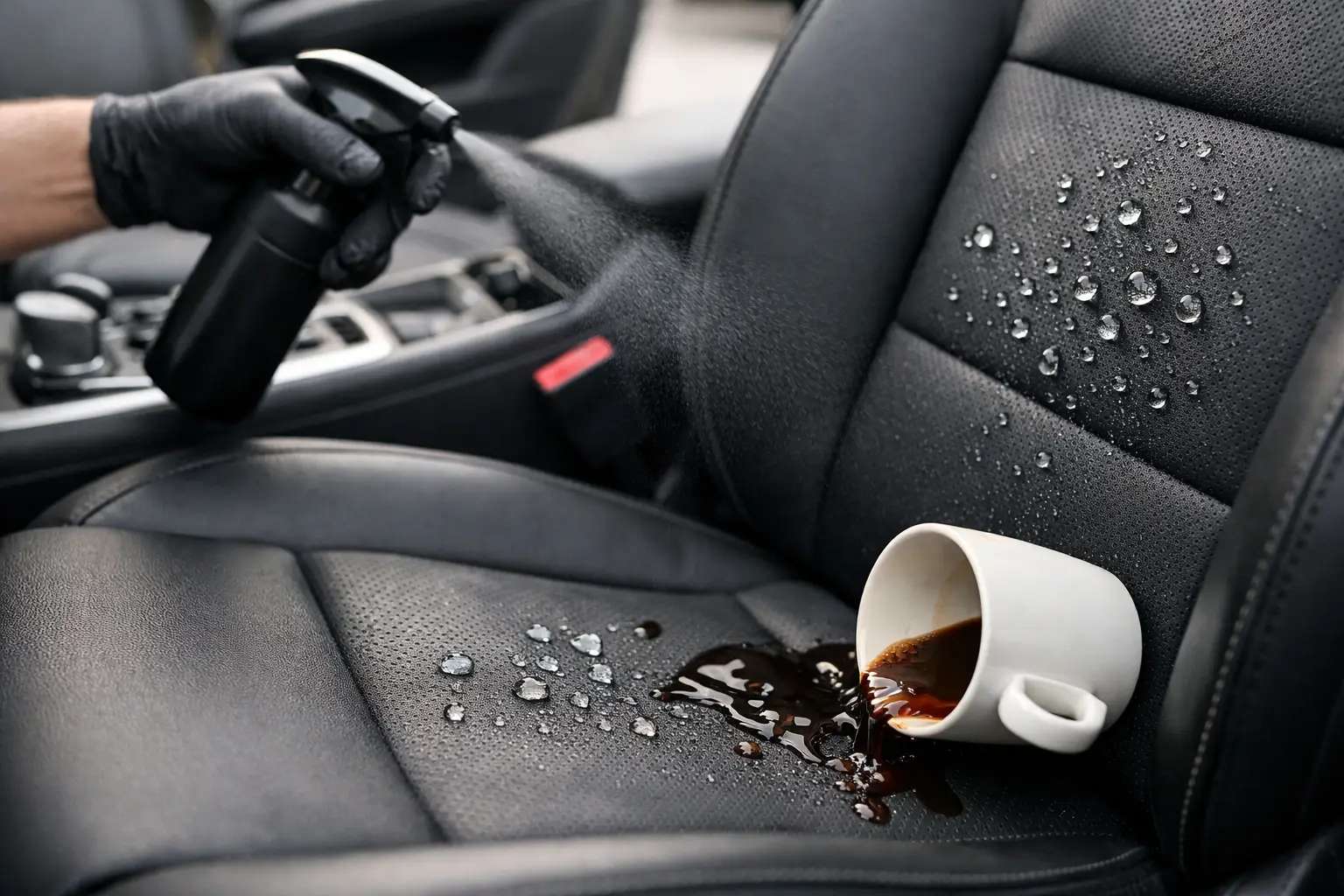
A morning coffee at the lights, sun pouring through the windscreen, children in the rear seats, gym bags, work clothes and everyday journeys all leave their mark. Professional seat protection for cars is designed to keep those moments from becoming permanent stains, faded leather or tired-looking fabric. It is not about making an interior untouchable. It is about preserving the clean, refined finish that makes a car feel properly cared for.
For owners who value their vehicle, the cabin deserves the same standard of protection as the paintwork. Seats are among the most used and most visible surfaces in any car. Once they absorb dirt, oils, dye transfer and UV exposure, restoring them can be more involved than preventing the damage in the first place.
Why seat protection for cars is a worthwhile investment
Seats take a different kind of punishment from exterior surfaces. Every entry and exit transfers natural oils from skin, residue from clothing and fine dust onto the bolsters and cushions. Add Malta’s intense sunshine, high temperatures and the occasional sea air, and even a well-kept interior can begin to look older than the car should.
On fabric upholstery, spills can travel quickly beneath the surface, leaving tide marks, odours or a stain that reappears after cleaning. On leather, body oils and heat can dry the finish, while denim can transfer colour onto lighter seats. Alcantara and similar premium materials need particularly careful treatment: aggressive products or incorrect brushing can alter their soft, even appearance.
A quality protective treatment creates a barrier suited to the material. It helps contaminants remain closer to the surface, making routine cleaning easier and reducing the chance of permanent marking. The practical benefit is simple: a spill dealt with promptly is more likely to wipe away cleanly, rather than becoming tomorrow’s upholstery problem.
Protection also supports long-term value. A clean, evenly coloured interior immediately changes how a vehicle is perceived, whether you drive it daily, plan to sell it later or simply expect it to remain at a high standard. Buyers notice shiny steering wheels, discoloured bolsters and stained rear seats. They also notice when an interior has been maintained with care.
The right protection depends on your upholstery
There is no one-size-fits-all approach to car seat protection. The material, colour, age and condition of the upholstery should guide the process. Applying a product without proper assessment may offer limited benefit and, in some cases, interfere with the natural look or feel of the surface.
Fabric seats
Fabric is practical and comfortable, but its woven structure makes it vulnerable to moisture and embedded grime. A professional fabric protectant is applied after a deep clean and full drying process. It helps repel water-based spills and makes dirt less likely to bond tightly to the fibres.
This does not mean fabric becomes stain-proof. Strong dyes, oily food and neglected spills can still cause damage. The advantage is time: more opportunity to blot a spill correctly before it penetrates the seat. For family cars, daily commuters and vehicles that regularly carry passengers, that extra margin matters.
Leather seats
Leather protection requires a more measured approach. Modern automotive leather is usually coated, which means it benefits from dedicated cleaners and protectants rather than heavy oils or household conditioners. The objective is to keep the surface clean, supple in appearance and better defended against UV exposure, dye transfer and abrasion.
Light-coloured leather especially benefits from regular protection. Blue denim, dark belts and everyday friction can leave visible marks on pale bolsters. A suitable protective layer makes maintenance easier, but it should never leave the leather slippery, overly glossy or artificially coated. Premium leather should look natural, not lacquered.
Alcantara, suede and specialist trims
These materials create a distinctive cabin, particularly in performance and luxury vehicles, but they demand specialist care. Their fibres can flatten with use, absorb oils easily and show water marks if treated incorrectly. Protection must be compatible with the material and applied with restraint. This is an area where professional preparation is far safer than an off-the-shelf spray chosen in haste.
Preparation is where lasting results begin
A protective treatment is only as effective as the surface beneath it. Sealing in existing dirt, grease or residue does not preserve the interior. It simply makes contamination harder to remove later.
The process should begin with a detailed inspection. This identifies high-wear areas, existing stains, dye transfer, cracking, loose stitching or damage that needs correction before protection is applied. Seats are then carefully vacuumed, cleaned with material-appropriate products and dried fully. Leather receives controlled cleaning around bolsters, perforations and seams; fabric requires extraction where necessary without over-saturating the cushioning.
Only after this preparation can protection be applied evenly. The treatment needs time to bond or cure, particularly in humid conditions. Rushing the job, applying too much product or using a universal formula across every surface can leave patchiness, residue or disappointing durability.
At GloboWax Malta, this attention to preparation is central to the result. Seat protection should complement a properly detailed interior, not replace one. When the surface is clean, balanced and treated with the correct product, the finish remains comfortable, refined and easier to maintain.
What seat protection can and cannot do
The strongest reason to choose professional protection is not a promise of invincibility. It is controlled, practical defence against everyday wear. A treated seat is easier to clean, less likely to absorb fresh contamination and better placed to retain its original appearance.
It cannot repair deep cracks in leather, reverse severe UV damage, prevent sharp objects from tearing upholstery or erase an old stain hidden beneath the fibres. It also cannot overcome poor habits. Leaving sun cream, drinks or wet clothing on seats for long periods will test any protective treatment.
Think of it in the same way as paint protection. It reduces risk and makes maintenance more manageable, but it performs best when paired with sensible care. The result is a car that stays presentable between professional detailing appointments, rather than one that needs constant rescue work.
Maintaining protected seats between details
Routine care does not need to become complicated. For leather, a soft microfibre cloth used regularly to remove dust and light residue goes a long way. Avoid harsh household cleaners, alcohol-heavy wipes and silicone dressings, which can dry, dull or leave an unnatural sheen.
For fabric, deal with spills immediately. Blot rather than scrub, working from the outside of the affected area towards the centre. Scrubbing can push contamination deeper into the fibres and spread the mark. If the spill contains oil, dyes or strong pigments, professional attention is the better choice before it sets.
Sun protection also matters. Parking in shade where possible, using a windscreen sunshade and keeping windows tinted within legal requirements all reduce the heat and UV load on the cabin. These small habits protect more than seats: they help preserve trim, dashboards and steering wheels too.
Protection should be refreshed according to use. A lightly used weekend car may hold its treatment longer than a family SUV or a vehicle used daily for work. Light interiors, pets, children, frequent beach trips and regular passenger use all justify more frequent inspections. The right interval depends on the car’s real life, not a fixed date on a calendar.
A cabin that reflects the care behind the wheel
A professionally protected interior feels different because it remains easier to live with. The leather keeps its composed finish, fabric stays fresher, and the small signs of daily use are less likely to take over the cabin. That matters every time you open the door, not only on the day the car is cleaned.
Give your seats the same standard of attention you expect for your paintwork. With correct preparation, material-specific protection and sensible upkeep, your interior can continue to look like a place worth arriving in.