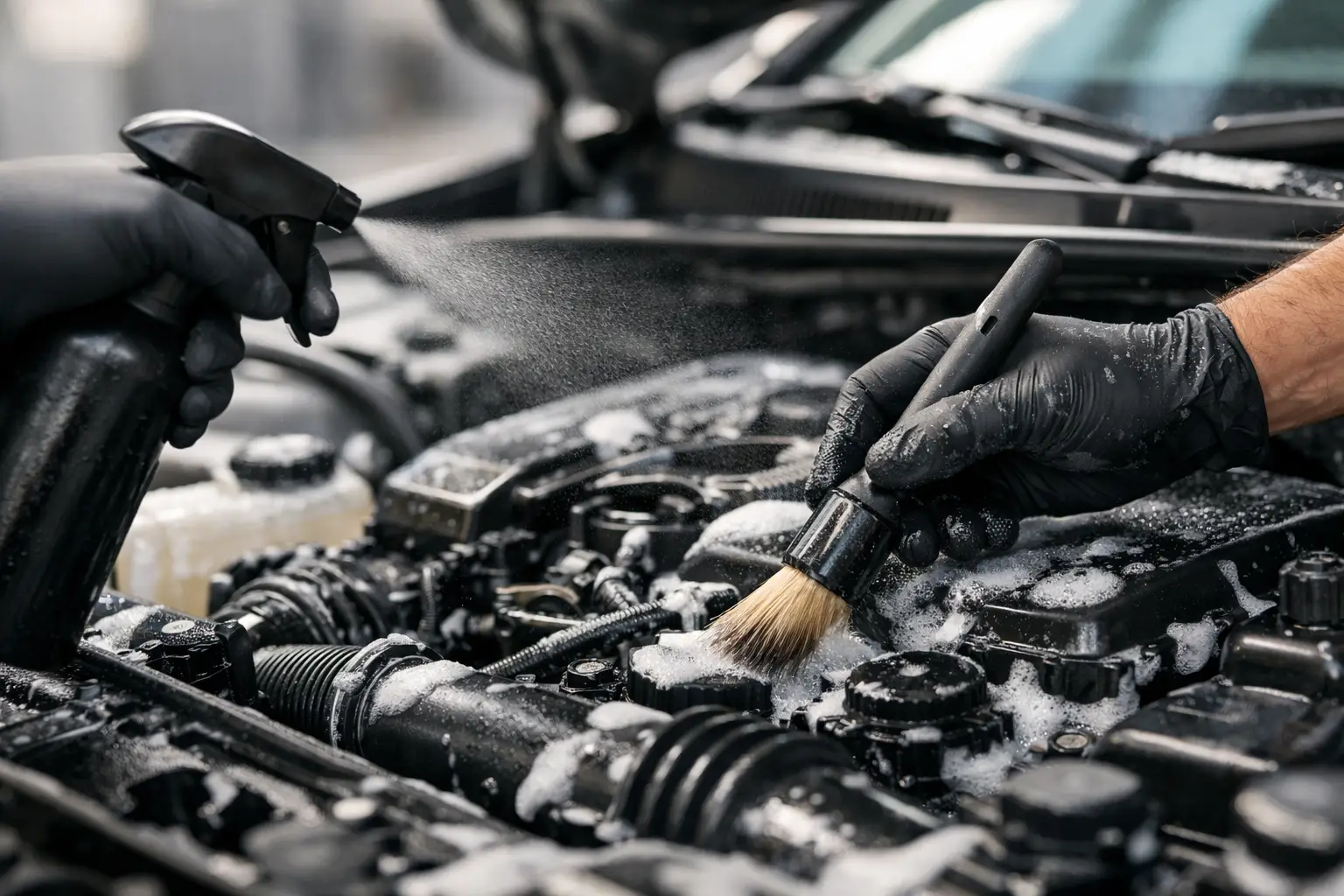
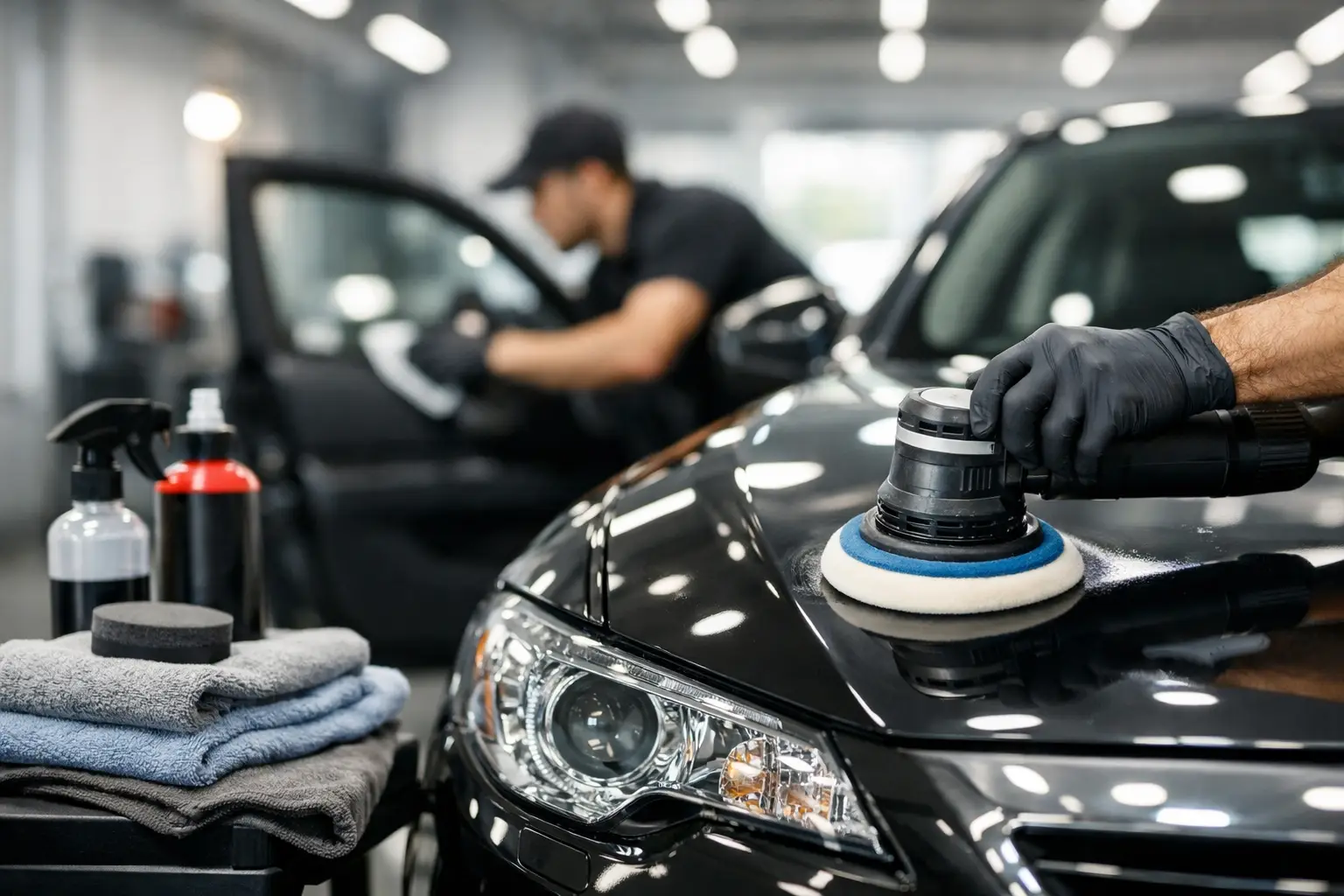
A freshly washed car can still feel rough beneath the fingertips, look dull in direct sunlight and refuse to achieve the crisp reflections its paintwork should deliver. That is where a professional car decontamination treatment guide becomes useful. Decontamination removes the stubborn, bonded contamination that ordinary washing leaves behind – creating the clean foundation required for polishing, wax, ceramic coating or paint protection film.
For vehicles driven in Malta, this stage matters even more. Coastal salt air, strong UV exposure, road film, construction dust and industrial fallout all settle on exterior surfaces over time. Left untreated, they compromise gloss, make paint feel gritty and can contribute to staining or corrosion on vulnerable areas.
What car decontamination treatment actually means
Decontamination is a controlled deep-cleaning process for exterior surfaces. It goes beyond shampoo and wheel cleaner to remove particles and deposits that have attached themselves to paint, glass, wheels and exterior trim.
Some contaminants are visible. Tar spots behind the wheels, brake dust on alloys and tree sap on the bonnet are common examples. Others are almost invisible, including embedded iron particles from brakes and traffic, mineral deposits from water and fine industrial fallout. These particles may be small, but they disrupt the smooth surface that gives paint its clarity and shine.
A proper treatment is not simply about making a vehicle look cleaner for the day. It prepares the surface for correction and protection, allowing a sealant, wax or ceramic coating to bond as intended. Applying protection over contamination can lock defects beneath the surface and reduce the treatment’s durability.
Why a normal wash is not enough
A quality hand wash removes loose dirt, traffic film and much of the grime accumulated during daily driving. It cannot reliably dissolve iron contamination embedded in paint, soften tar without specialist chemistry or remove mineral staining without risking unnecessary abrasion.
That distinction is vital. Aggressive scrubbing may appear to solve the problem, but it can introduce swirl marks and fine scratches into clear coat. Premium detailing relies on the right chemical process first, followed by carefully controlled mechanical decontamination only where necessary.
The result is paintwork that feels smooth, reflects light more evenly and is ready for the next stage. On dark paint in particular, the difference can be striking: sharper gloss, cleaner lines and a finish that looks properly refined rather than merely washed.
The car decontamination treatment process
Every vehicle should be assessed before treatment begins. A well-maintained weekend car may need a light chemical decontamination, while a daily-driven vehicle parked outdoors near the coast or building works may require more extensive work. Paint condition, existing protection, wheel design and contamination level all affect the approach.
Safe wash and surface assessment
The process begins with a careful pre-wash to loosen grit without dragging it across the paint. This is followed by a contact wash using suitable lubricants, clean wash media and controlled techniques. The aim is to remove loose contamination before any specialist treatment is introduced.
At this point, the detailer assesses the finish. Feeling the paint through a clean glove or fingertips can reveal bonded contamination that is not obvious to the eye. Areas behind wheel arches, lower doors, the rear bumper and horizontal panels often carry the heaviest build-up.
Iron fallout removal
Iron fallout is especially common around wheels, lower bodywork and rear panels. Tiny ferrous particles can originate from brake wear, rail transport and industrial sources. Once embedded, they may oxidise, creating small orange spots and leaving paintwork feeling rough.
A dedicated iron remover reacts with these particles, drawing them out of the surface. This stage requires knowledge, timing and thorough rinsing. It is not a substitute for cleaning neglected wheels, but it is essential when preparing paint and alloys for long-term protection.
Tar, sap and adhesive removal
Tar spots are often most noticeable along sills, bumpers and behind the wheels. Tree sap, fuel residue and old adhesive can also cling tightly to paintwork. These need solvents formulated for automotive surfaces, applied sparingly and removed with soft, clean materials.
The trade-off is straightforward: stronger products can work quickly, but careless use can affect delicate trims, weaken old protection or cause staining on neglected surfaces. Precision matters more than speed. A specialist treats the contamination, not the entire car with unnecessary harshness.
Mechanical decontamination where required
Once chemical treatments have done their work, a clay bar, clay mitt or synthetic decontamination pad may be used with generous lubrication. This removes the remaining bonded particles and leaves the paint exceptionally smooth.
Mechanical decontamination is effective, but it is not automatically the right choice for every vehicle. Used incorrectly, it can create light marring, particularly on soft or dark paint. When this is a risk, the paint may need a refining polish afterwards. For that reason, it is best viewed as part of a measured detailing process rather than a quick DIY add-on.
Final rinse, inspection and preparation
After decontamination, the vehicle is rinsed, dried safely and inspected under appropriate lighting. This reveals the paint’s true condition. Swirls, scratches, oxidation and water-spot etching are often easier to see once the masking layer of grime and bonded contamination has been removed.
From here, the correct route becomes clear. Paint correction may be recommended for vehicles that need greater clarity and defect removal. Where the finish is already in good condition, the vehicle can move directly to a protective treatment.
When should your car be decontaminated?
There is no fixed calendar that suits every car. Frequency depends on where the vehicle is stored, how often it is driven, whether it is exposed to coastal conditions and what protection is already on the paint.
As a general rule, a full decontamination is sensible before polishing, ceramic coating, wax application or paint protection film installation. It is also worth considering when paint feels rough after washing, water no longer beads cleanly, alloys develop persistent brake-dust staining or the finish looks flat despite regular care.
For a well-protected vehicle, an annual assessment is often sufficient. A daily driver exposed to harsh conditions may benefit from more frequent professional maintenance. The objective is not to over-treat the paint, but to intervene before contamination becomes difficult to remove.
What should follow decontamination?
Decontamination exposes the true surface, but it does not provide lasting protection on its own. Once the paint is clean, it should be protected promptly. The right option depends on your expectations, vehicle use and maintenance routine.
A premium wax can enrich gloss and offer a warm, enhanced finish. A paint sealant provides durable protection with a clean, sharp appearance. Ceramic coating is suited to owners seeking stronger chemical resistance, easier maintenance and long-term performance, provided the vehicle receives suitable preparation first. Paint protection film offers a different benefit altogether, helping defend high-impact areas against stone chips and physical road damage.
No treatment makes a car maintenance-free. Even ceramic-coated paint needs regular safe washing, particularly in Malta’s sun and salt-laden environment. Protection makes contamination easier to manage; it does not stop contamination from arriving.
Avoid the shortcuts that damage paint
The most common mistake is treating a rough surface with force. Dry wiping, harsh household chemicals, abrasive sponges and poorly lubricated clay can all cause damage that costs more to correct than a professional treatment would have done.
Another mistake is applying a coating or wax too soon. If the paint still contains fallout, tar residue or mineral deposits, the protection may not bond evenly. The result can be patchy performance and less visual depth than expected.
At GloboWax Malta, decontamination is approached as preparation with purpose: careful assessment, specialist products and precise workmanship before any correction or protection is applied. It is the difference between covering a surface and properly refining it.
Your vehicle’s paintwork faces more than everyday dust. When it no longer feels smooth or looks as clear as it should, professional decontamination gives the finish a clean starting point – and gives every protective treatment that follows the best chance to perform.