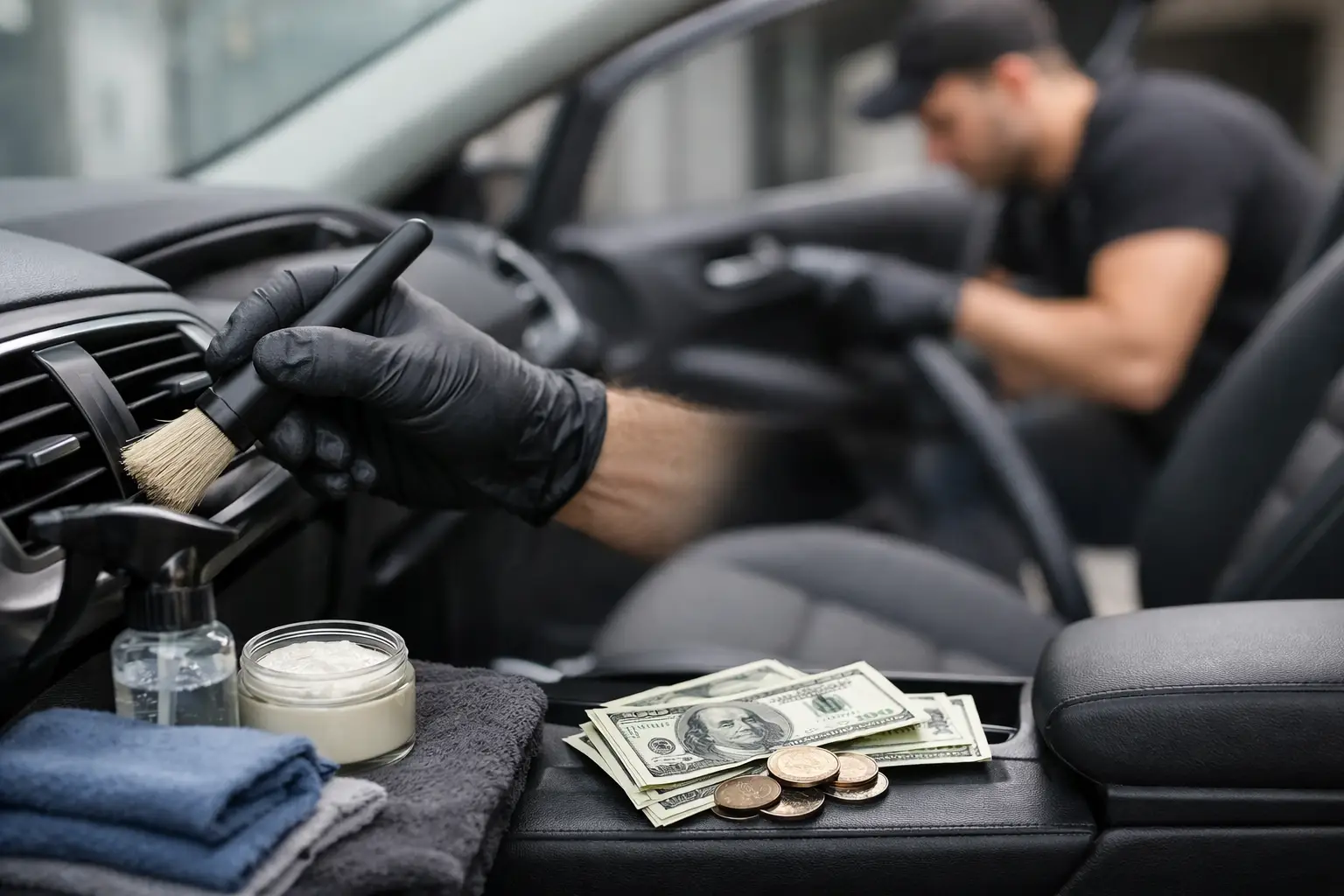
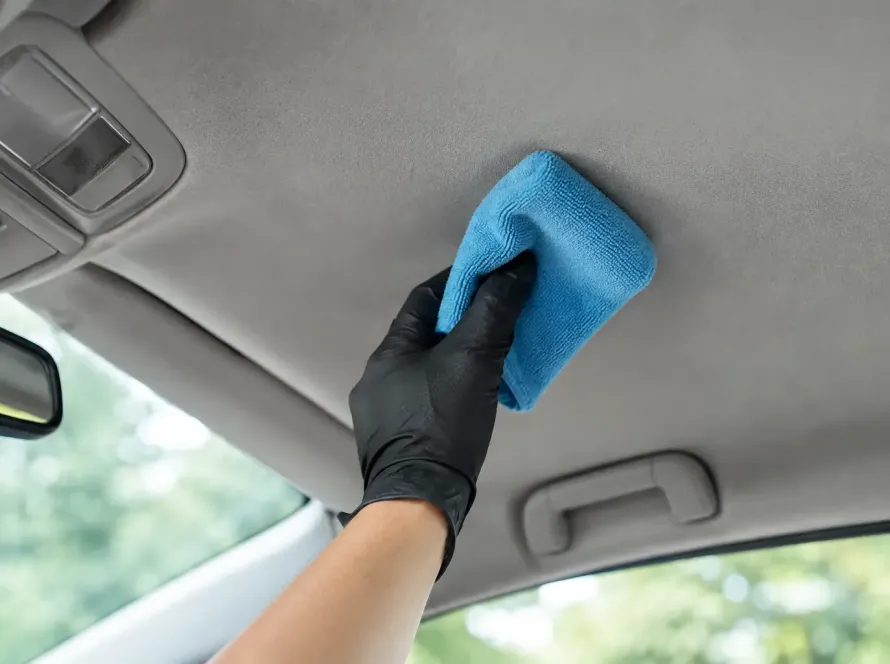
A clean cabin changes the entire feel of a vehicle. Yet crumbs, sunscreen, denim dye, pet hair and everyday moisture gradually settle into the seats long before they become obvious. Knowing how to deep clean car upholstery properly helps protect the materials you see and touch every day – and helps preserve the standard and resale appeal of your vehicle.
A quick vacuum and dashboard wipe have their place, but deep cleaning is a more controlled process. The aim is not to soak seats with cleaner or leave behind a strong fragrance. It is to lift embedded contamination, treat marks safely and return fabric or leather to a fresh, balanced finish.
Before Deep Cleaning Car Upholstery, Identify the Material
The first rule of quality interior care is simple: treat the material in front of you, not the stain alone. Fabric, Alcantara, leather, vinyl and suede-style trims all respond differently to moisture, agitation and cleaning products.
Check your owner’s handbook where possible. Many modern vehicles combine several materials across the seat faces, bolsters, door cards and headlining. Leather-look upholstery may actually be coated vinyl, while perforated leather, heated seats and electrically operated seats need extra caution around liquids.
Fabric seats usually tolerate a dedicated upholstery cleaner and controlled extraction well. Leather needs a pH-balanced leather cleaner, a soft brush or applicator, and minimal moisture. Alcantara and genuine suede require an even lighter approach because excessive water or harsh brushing can leave tide marks, stiffness or a flattened nap.
Before treating the full seat, test your chosen product on a discreet area. Look for colour transfer, darkening or changes in texture once dry. This small step prevents a minor mark becoming an expensive correction.
Prepare the Cabin for a Proper Clean
Deep cleaning works best when the interior is cool, dry and out of direct sun. In Malta, heat can cause cleaning solutions to dry too quickly, leaving residue before they have had time to break down soil. Work in shade or a well-ventilated covered area whenever possible.
Remove floor mats, loose items and child seats. Slide the front seats forward and backwards to reach the rails, seat creases and rear footwells. Then vacuum thoroughly using a crevice tool and a soft upholstery attachment. Move slowly over each section, including seams, piping, under the seat fronts and the gap between the seat base and backrest.
This stage matters more than many owners realise. Dry debris turns into mud when moisture is introduced, making the cleaning process less effective. A thorough vacuum also exposes the true condition of the upholstery, so you can treat individual marks with precision rather than over-cleaning the whole seat.
For a well-prepared deep clean, keep the following to hand:
- A quality vacuum with crevice and upholstery tools
- Material-appropriate upholstery or leather cleaner
- Soft detailing brushes and clean microfibre towels
- A spray bottle of clean water for controlled rinsing
- An extractor or wet vacuum for suitable fabric seats
- A fan or good ventilation to support drying
Treat Stains Before Cleaning the Whole Seat
Spot treatment should always come before the wider clean. Spray the cleaner onto a brush, applicator or microfibre cloth rather than directly flooding the affected area. Work from the outer edge of the mark towards the centre so it does not spread.
Food spills, coffee and soft drinks are often easiest to remove when treated promptly. Grease-based marks, such as sun cream or takeaway residue, may need a dedicated interior degreasing product formulated for upholstery. Ink, dye transfer and unknown stains can be more stubborn, particularly on pale leather or light-coloured fabric. In these cases, repeated gentle treatments are safer than aggressive scrubbing.
Avoid household washing-up liquid, bleach, strong all-purpose cleaners and aerosol foam intended for household carpets. They can leave sticky residues that attract more dirt, alter the texture of fibres or strip protective coatings from leather. The result may look clean for a day, then quickly appear dull or patchy.
How to Deep Clean Fabric Car Upholstery
For fabric upholstery, apply a low-residue fabric cleaner sparingly to one manageable section at a time. Agitate with a soft brush using light, overlapping movements. You are loosening grime held within the fibres, not grinding the brush into the seat.
Allow the product a brief dwell time according to its instructions, then remove the suspended soil with a clean microfibre towel or an upholstery extractor. If using an extractor, make several slow dry passes after the wet pass. Removing as much moisture as possible is what helps prevent lingering odours, water marks and overly long drying times.
Do not saturate the foam beneath the fabric. This is especially important on seats with airbags, heating elements, occupancy sensors or complex electrical connections. Heavy saturation can lead to musty smells and may create unnecessary risk around sensitive components.
Work methodically across the seat base, backrest and bolsters, slightly overlapping each area for a consistent finish. Change towels when they become soiled. Reusing a dirty towel simply transfers contamination back onto the upholstery.
When the fabric is clean, inspect it under good light before it dries completely. Some stains become less visible while damp, only to reappear later. If a mark remains, treat that small area again rather than repeating a full heavy clean.
Cleaning Leather and Delicate Upholstery Safely
Leather responds best to restraint. Apply a dedicated leather cleaner to a soft brush or microfibre applicator, work one small section at a time, and wipe away residue immediately with a fresh towel. Pay attention to high-contact areas such as the driver’s bolster, steering wheel-side seat edge and armrests, where body oils and dye transfer collect.
Do not soak perforated leather. Liquid can settle beneath the surface and be difficult to remove. Avoid oily dressings that leave seats glossy or slippery. A properly cleaned leather interior should look clean, supple and naturally satin – not artificially shiny.
Once the leather is dry, apply a suitable protectant or conditioner if the product is compatible with your upholstery. Protection is particularly valuable in sunny climates, where UV exposure and heat can gradually dry, fade or stress the surface. The right finish supports easier maintenance without changing the original appearance of the cabin.
For Alcantara or suede-style inserts, use as little moisture as possible. Lightly clean with the appropriate product, blot rather than scrub, and brush the fibres gently once dry to restore an even texture. If the material is heavily stained, professional treatment is the wiser choice.
Dry the Interior Fully Before Driving
Drying is not an afterthought. Leave doors or windows open in a secure, ventilated space, or use air movement from a fan. Avoid sealing the vehicle immediately after cleaning, particularly if the weather is humid. The upholstery should feel dry to the touch before regular use.
If you notice a damp smell after the seats dry, the likely cause is excess moisture left in the foam or underlay. Reopen the cabin, increase ventilation and allow more drying time. Covering the scent with an air freshener does not solve the underlying issue.
Keep the Fresh Finish for Longer
Deep cleaning is most effective when followed by careful maintenance. Vacuum seats regularly, blot spills immediately and use a clean microfibre cloth for small marks before they settle. If you travel with pets, children or regularly wear work clothing, consider seat protection designed for your material type.
A full deep clean is usually worthwhile once or twice a year, depending on how the vehicle is used. A daily commuter, family car or vehicle exposed to beach sand and summer sun may need more frequent attention. Conversely, an enthusiast car that is used selectively and maintained carefully may only require periodic professional refinement.
For heavily stained upholstery, persistent odours, mould concerns, dye transfer or delicate premium materials, specialist interior detailing offers a safer route to a true reset. At GloboWax Malta, the focus is on controlled cleaning and lasting protection, so the cabin feels as refined as the vehicle deserves. Treat the interior with the same precision you expect for the paintwork, and every journey begins with a better standard.