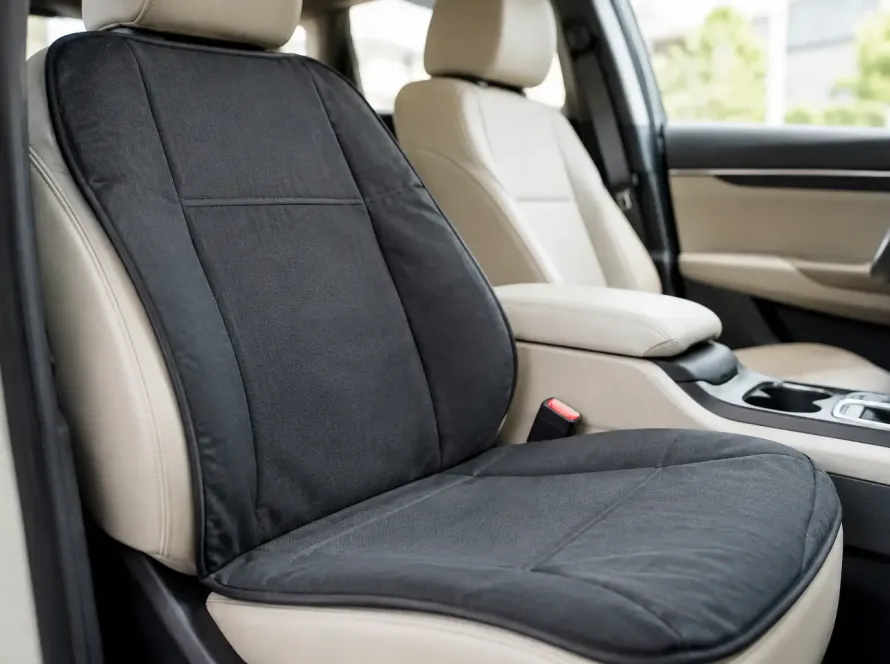
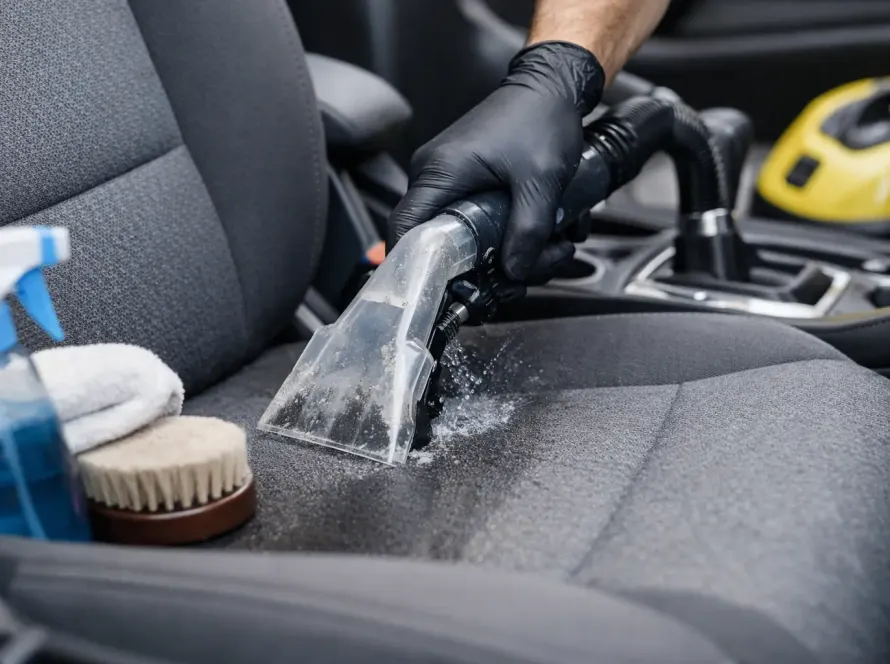
A car can look immaculate from the outside yet still carry a build-up of grime, odours and unseen contamination inside. Professional car sanitisation goes beyond a quick vacuum or fragranced spray. It focuses on the surfaces you touch, the air you breathe and the materials that make your cabin feel like a place worth spending time in.
For owners who expect more from their vehicle, this is not an optional finishing touch. It is part of proper interior care. A clean, fresh cabin protects the driving experience now and helps preserve condition, comfort and resale appeal over time.
What car sanitisation really involves
Car sanitisation is often confused with a standard interior clean. The difference is in the method, coverage and purpose. A basic valet may remove visible dust, empty rubbish and freshen the carpets. A detailed sanitisation treatment addresses high-contact areas, ingrained dirt, odour-causing residue and contamination that ordinary cleaning can leave behind.
The work should begin with a careful assessment of the cabin. Leather, Alcantara, fabric, piano-black trim, touchscreens and soft-touch plastics all need different products and techniques. Applying one aggressive cleaner across every surface may be quick, but it can leave leather dry, trim marked or sensitive finishes dull.
A professional process combines thorough vacuuming, careful cleaning of interior surfaces and a suitable sanitising treatment. The objective is a cabin that feels genuinely refreshed, not one that merely smells strongly of fragrance for a day or two.
The high-contact areas that deserve attention
The steering wheel, gear selector, door pulls, seatbelt buckles, window switches, indicator stalks and infotainment controls are used constantly. They also collect skin oils, hand cream, food residue and dust. These are the details that make an interior feel tired surprisingly quickly.
Attention should extend to the less obvious places: cup holders, storage compartments, rear-seat controls, child-seat contact points and the inside of the windscreen. A hazy screen is not just unattractive. It can reduce visibility when low sun or night-time headlights hit the glass.
Why Malta’s climate changes the equation
Warm weather is excellent for driving, but it can be demanding on a vehicle interior. Heat intensifies odours trapped in upholstery and carpets. Humidity can make a damp spill or wet floor mat linger longer than expected. Sand, sea air and sunscreen are also part of everyday driving in Malta, especially for cars used near the coast or during busy family weekends.
A small coffee spill, gym bag or wet towel can become a persistent cabin smell when the temperature rises. Leaving the problem to settle is rarely the best option. The longer residue remains in fabric or foam, the more difficult it is to remove without a deeper treatment.
This is also why the air-conditioning system deserves consideration. If an unpleasant smell appears when the system starts, the issue may not be the upholstery at all. Moisture and debris around the ventilation system can affect cabin freshness. Surface sanitisation helps, but a complete diagnosis may require attention to the ventilation components and cabin filter as well.
Car sanitisation is not the same as masking odours
A heavily perfumed interior product can make a car seem clean for a short time, but it does not solve the source of an odour. In some cases, it simply mixes with it. The result is a cabin that feels worse rather than better.
Effective odour treatment starts by finding the cause. It could be spilled milk beneath a seat, pet hair in the boot, moisture in carpet backing, food residue in a console or contamination within the air-conditioning system. Once identified, the affected material can be cleaned with the right method and then treated appropriately.
It depends on the source and the material involved. Light, recent contamination may respond well to careful cleaning and sanitisation. Deep staining, mould growth, flooding or long-standing odours can require more extensive interior detailing. Honest assessment matters because no responsible specialist should promise that every odour will disappear instantly.
The value of a methodical interior treatment
A premium result is created in the details. During a comprehensive sanitisation service, the cabin is not rushed through with a single cloth and chemical. Contamination is removed from seams, vents, seat rails, crevices and touchpoints before the interior is protected and presented properly.
For fabric upholstery, this may involve extracting embedded soil without overwetting the material. For leather, the priority is to clean without stripping essential oils or leaving a slippery finish. Delicate display screens and gloss trim need residue-free products and soft tools to prevent scratching.
This careful approach delivers visible benefits: cleaner upholstery, clearer glass, fresher air and surfaces that look cared for rather than artificially dressed. It also prevents the gradual accumulation of grime that can permanently affect light-coloured leather, cloth seats and textured plastics.
Sanitising treatment and material safety
Not every sanitising product is suitable for every car interior. Strong chemicals may be effective in the wrong context but can compromise colour, coatings or surface texture. Premium interior care means selecting products that work effectively while respecting the materials fitted to the vehicle.
This is particularly relevant in luxury and performance cars, where interiors often combine several finishes in a small space. Perforated leather, carbon-fibre trim, suede-style headlining and satin controls require restraint as much as skill. More product is not always better. Precision is what protects the finish.
When should you sanitise your car?
There is no single timetable that suits every owner. A daily-driven family vehicle, a car used for client journeys or a vehicle that regularly carries pets will need more frequent attention than a weekend car kept in a garage.
As a practical benchmark, a professional interior sanitisation every three to six months keeps most regularly used vehicles in excellent condition. Consider an earlier treatment after illness, a spill, a long road trip, transporting pets, buying a used car or noticing a change in cabin smell.
For a vehicle being prepared for sale, sanitisation is particularly valuable. Buyers notice the interior immediately. Fresh upholstery, clean touchpoints and a neutral, well-kept cabin can influence how a car is perceived before the engine is even started. It signals ownership standards and helps support the value you have worked to maintain.
Simple habits that make results last
Professional treatment delivers the reset. Good habits extend it. Remove food packaging promptly, avoid leaving wet items in the cabin and use quality floor mats that can be cleaned easily. If sunscreen, makeup or hand cream transfers to leather or trim, deal with it early using a suitable interior cleaner rather than letting it bake in under the sun.
It is also worth checking beneath child seats and along the edges of the boot from time to time. These places often hide crumbs, sand and moisture until they become a larger cleaning task. Small interventions protect the finish between detailing appointments.
Avoid household disinfectants, bleach-based products and rough paper towels. They may seem convenient, but they can mark screens, dry out leather and leave residue on gloss finishes. The cabin is made from specialised materials, and it should be treated accordingly.
A cleaner cabin is part of complete vehicle care
Paint correction, ceramic coating and exterior protection transform the impression a car makes. Interior sanitisation completes that standard by ensuring the place you sit in every day receives the same level of care. It is a practical service, but it also changes how the vehicle feels every time you open the door.
At GloboWax Malta, careful interior work is approached with the same precision as exterior detailing: the correct products, considered techniques and no shortcuts around the details that matter. Give the cabin the attention it deserves, and every journey starts with a cleaner, fresher sense of pride.