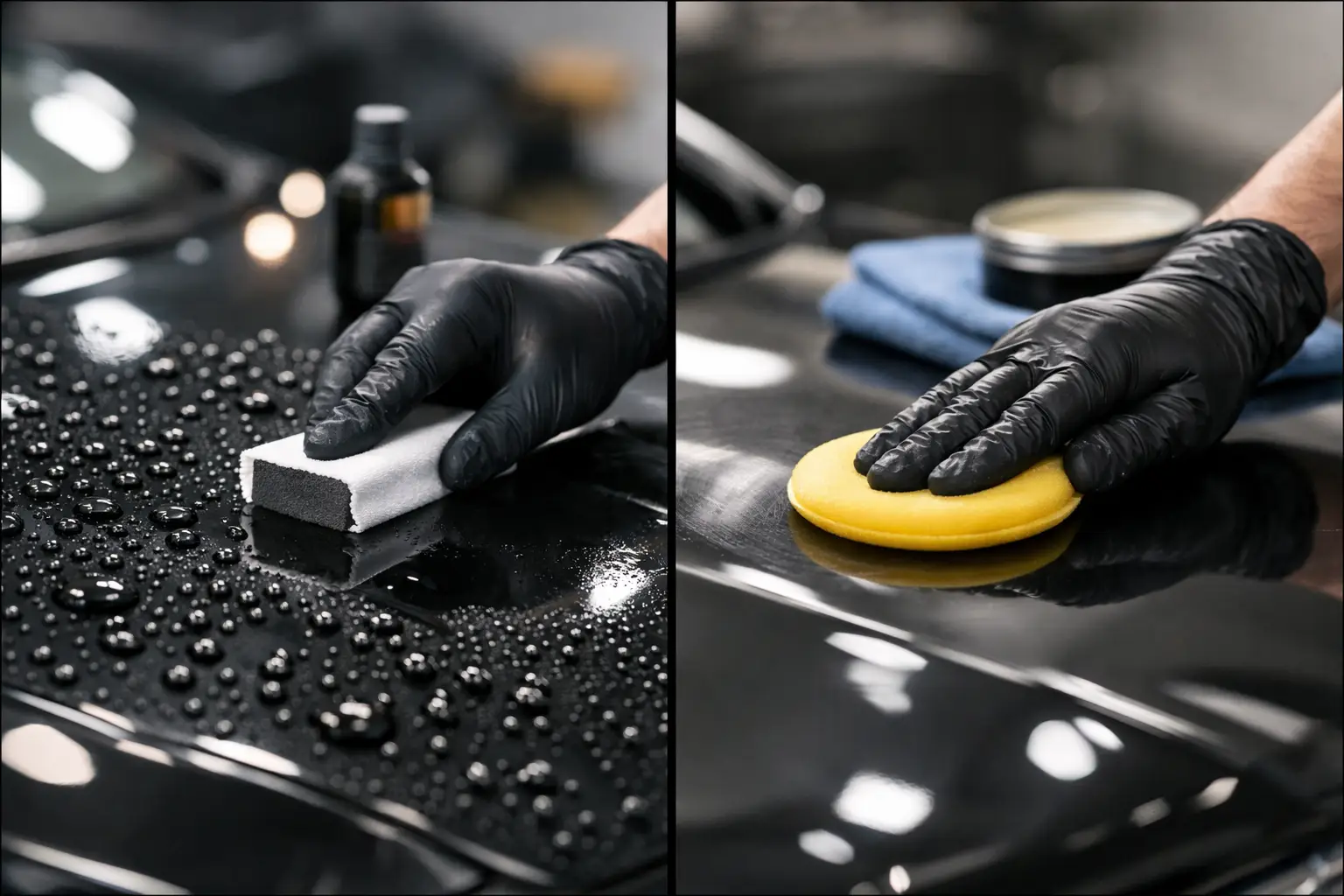
A fresh paint finish can make a car feel exceptional, but keeping it that way is where most owners come unstuck. Malta’s sun, road film, bird droppings, sea air and routine washing all work against the finish. That is why choosing the best paint protection options matters – not just for gloss, but for preserving the value, depth and condition of your vehicle over time.
The right choice depends on how you use your car, where you park it, how often you wash it and what standard of finish you expect. Some protections are ideal for drivers who want a sharp, well-kept appearance with modest upkeep. Others are designed for owners who want serious long-term defence and are not prepared to compromise.
What the best paint protection options actually do
Paint protection is not one single treatment. It is a category that includes traditional waxes, synthetic sealants, ceramic coatings and paint protection film. Each one creates a barrier between the environment and your vehicle’s painted surfaces, but they perform very differently.
Some focus on gloss and water behaviour. Some are built for chemical resistance and easier maintenance. Some are there to absorb physical impact from stone chips and road debris. That distinction matters because many owners expect one product to solve every problem, and that simply is not how professional protection works.
If your goal is easier cleaning and a richer finish, a wax or sealant may be enough. If you want greater durability and stronger resistance to contaminants, ceramic coating becomes a more serious option. If you want protection against physical damage as well as environmental exposure, paint protection film sits in a different league altogether.
Wax and sealants – entry-level paint protection
For many drivers, wax is the first step into paint protection. It enhances gloss, adds warmth to darker colours and gives the paint a smoother, more refined appearance. A good wax can make a well-maintained car look outstanding, especially after proper polishing.
The limitation is durability. Wax looks excellent, but it is short-term protection. Heat, washing, road grime and sun exposure gradually wear it away. In a climate with strong UV and regular contamination, that lifespan can be relatively brief.
Sealants offer a more durable alternative. They are synthetic, designed to bond more effectively than traditional wax and usually last longer. They also tend to provide crisp shine and improved water repellency. For owners who want a practical step up from wax without moving into specialist coatings, sealants make good sense.
Still, both wax and sealants are better viewed as maintenance-minded protection rather than heavy-duty defence. They can improve the look of the paint and make washing easier, but they will not stop swirl marks, stone chips or deeper wear from poor washing methods.
Ceramic coating – the premium balance of gloss and durability
When people ask about the best paint protection options, ceramic coating is often the treatment they have in mind. For good reason. A professionally applied ceramic coating offers a much stronger, more durable protective layer than wax or sealant, while delivering a sharp, high-clarity finish that suits everything from daily drivers to prestige vehicles.
A quality coating helps resist UV exposure, chemical fallout, bird droppings, tree sap and road grime. It also reduces how aggressively dirt bonds to the surface, which means the vehicle is easier to maintain correctly. That does not make the car maintenance-free, despite how some products are marketed. It means proper washing becomes more efficient and the finish stays cleaner for longer.
The biggest advantage is consistency. With ceramic coating, the vehicle keeps that freshly detailed look with far less drop-off between maintenance washes. For owners who care about appearance but also want practical long-term value, it is often the smartest middle ground.
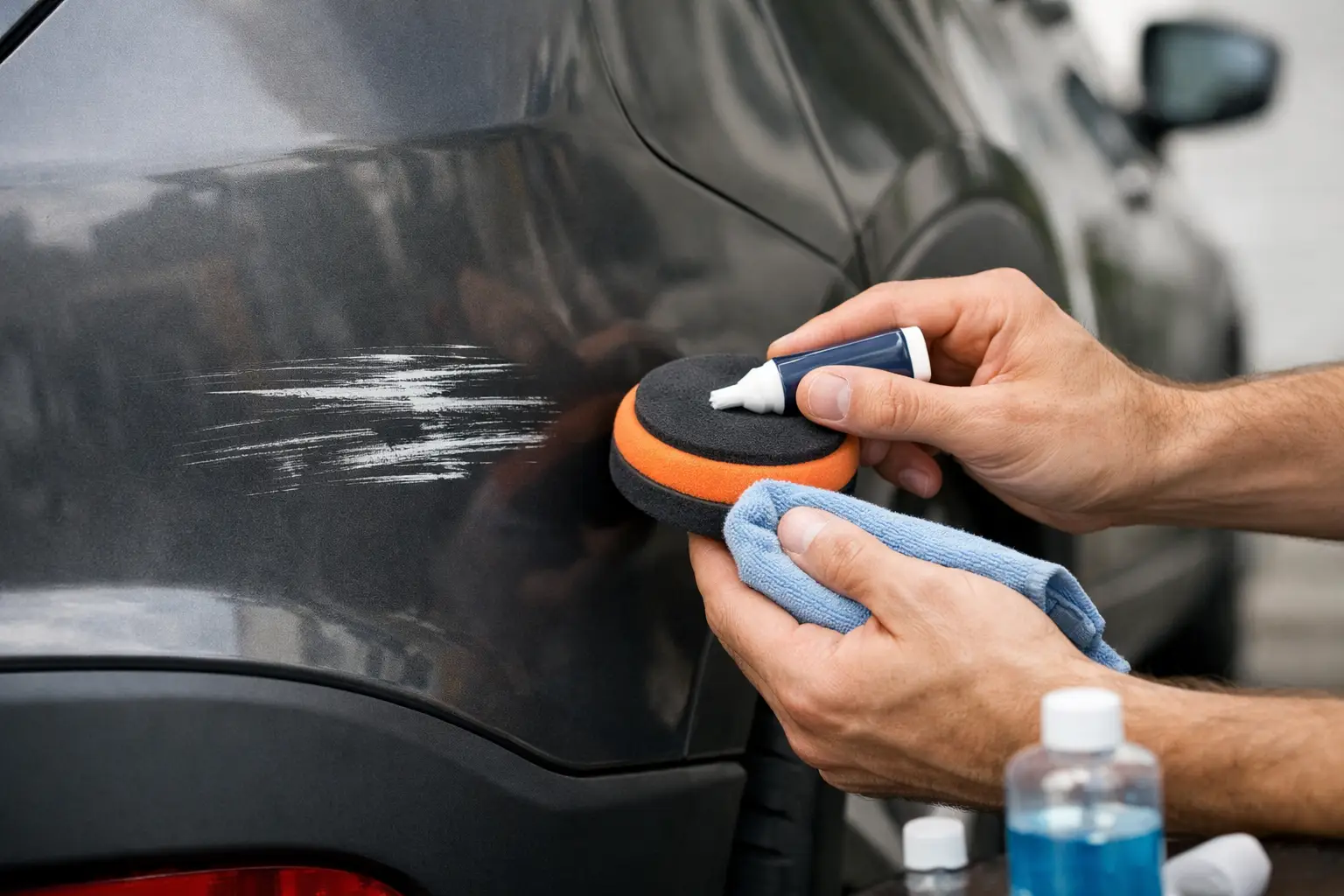
There are trade-offs, of course. Ceramic coating is only as good as the preparation beneath it. If the paint has swirl marks, oxidation or light scratches, those defects need to be corrected before the coating is applied. Otherwise, they are effectively sealed in. Professional preparation is not an optional extra – it is what determines the final result.
It is also worth being clear about what ceramic coating does not do. It does not make paint scratch-proof. It can offer some resistance to light marring, but it will not protect against impact damage in the way film can.
Paint protection film – the strongest defence for vulnerable panels
If ceramic coating is about durable surface protection, paint protection film is about physical defence. This is a transparent film applied directly to painted surfaces to shield them from stone chips, light abrasions, road debris and everyday contact damage.
For high-value vehicles, performance cars and owners who spend time on faster roads, paint protection film is often the most complete answer. Bonnets, front bumpers, wings, mirror caps, sills and other high-impact areas benefit most because these are the panels that tend to show damage first.
The appeal is simple. It protects the paint itself, not just the finish sitting on top of it. Many modern films also have self-healing properties for light surface marks, helping the surface maintain a cleaner, sharper look.
The trade-off is cost and complexity. Film is more expensive than coatings and requires precise installation if it is going to look truly premium. Poorly fitted film can spoil the look of the car. Properly installed film, by contrast, is discreet, highly effective and especially valuable on vehicles where preserving original paint is a priority.
Best paint protection options by driver type
The best solution depends less on marketing claims and more on how the car is actually used.
For a daily driver that lives outdoors, ceramic coating is often the strongest all-round choice. It offers durable resistance to environmental contamination, helps maintain gloss and makes routine washing less demanding. It is a sensible investment for owners who want their car to look consistently well cared for.
For a prestige, luxury or enthusiast vehicle, the answer is often a combination approach. Paint protection film on the most vulnerable panels, followed by ceramic coating on the remaining exterior surfaces, delivers both impact resistance and easier maintenance. This is where protection becomes a complete strategy rather than a single product.
For owners who want improved shine at a lower initial cost, sealants and waxes still have a place. They can work well when applied over polished paint and maintained properly, particularly on cars that are used less frequently or stored indoors.
Why preparation matters more than most owners realise
No protection product can outperform poor preparation. If the paint is contaminated, scratched, dull or badly washed, applying wax, coating or film over the top will not create a premium result. Protection should come after decontamination, correction and careful surface preparation.
This is the point where specialist detailing separates itself from a standard valeting approach. True paint protection is not just a product being applied. It is a process built around assessment, correction and precision. The final finish depends on what is done before the protection stage begins.
That is particularly important with darker colours and high-gloss finishes, where defects are more visible. It is also important for owners who expect showroom-level clarity rather than simply a layer of product on imperfect paint.
The mistake of choosing on price alone
It is understandable to compare paint protection by price, but this is one area where the cheapest route often becomes the most disappointing. Lower-cost services may sound appealing until the finish lacks depth, durability falls short or the vehicle was not prepared properly in the first place.
Real value comes from correct product choice, expert installation and an honest recommendation based on the car’s condition and your expectations. A premium protection service should not oversell. It should tell you where wax is enough, where ceramic is justified and where film is the better investment.
That is the standard serious vehicle owners should expect.
Choosing the right protection for the long term
The best paint protection options are not about chasing trends. They are about matching the treatment to the car, the environment and the level of finish you want to preserve. Wax and sealants suit lighter protection needs. Ceramic coating delivers durable gloss and easier maintenance. Paint protection film provides the strongest barrier against physical damage.
For many owners, the best result is not choosing one over another in absolute terms. It is choosing the right level of protection for the way the vehicle is driven and cared for. When that decision is made properly, protection stops being a cosmetic extra and becomes part of preserving the vehicle at its best.
A well-protected car does more than shine on the day it is detailed. It holds its presence, its finish and its value with far less compromise, which is exactly what premium vehicle care should achieve.