That sinking feeling usually hits before you even step out – a supermarket pillar, a tight garage wall, a careless door edge, and suddenly you are searching for how to remove a paint scrape on car panels without making it worse. The good news is that many scrapes look worse than they are. The less good news is that the wrong fix can turn a minor mark into a larger repair.
A paint scrape is not always the same as a scratch. Quite often, what you are seeing is transferred paint from another surface sitting on top of your clear coat. In other cases, the scrape has cut through the lacquer and into the colour coat, or even down to the primer. Knowing the difference is what separates a clean correction from an expensive mistake.
How to remove a paint scrape on car paint safely
The first rule is simple – do not attack the area with aggressive compounds, rough cloths or household cleaners. Premium paintwork deserves a controlled approach. Before you touch the mark, wash the affected panel properly with pH-neutral shampoo and clean water. Dirt around the scrape can behave like sandpaper if you start rubbing too soon.
Once the panel is clean and dry, inspect the scrape in good light. If the mark looks like a streak sitting on the surface and your fingernail does not catch sharply in it, there is a strong chance it is paint transfer or very light surface damage. If the scrape feels deep, exposes a different colour beneath, or shows primer or bare metal, this is no longer a simple DIY correction.
A gentle test can tell you a lot. Apply a small amount of detailing spray or even clean water to a microfibre cloth and wipe lightly. If some of the mark begins to fade, that is encouraging. It suggests the foreign paint is lifting rather than your own paint having been removed.
Start with the least aggressive method
If you want to know how to remove a paint scrape on car bodywork properly, always begin with the mildest option. This protects gloss, preserves clear coat thickness and reduces the risk of creating haze around the damaged area.
A dedicated tar and adhesive remover or a safe paint transfer remover can sometimes loosen the foreign material. Apply it to a soft microfibre cloth rather than pouring it directly onto the panel, then work gently over a small area. Let the product do the work. Pressing harder rarely improves the result.
If the transfer remains, a light clay bar treatment may help. Use proper clay lubricant and glide the clay across the surface with almost no pressure. The aim is to lift contamination from the top layer, not grind into the finish. Clay can be effective, but it is not magic. If the scrape is actually a gouge in the paint, clay will not repair it.
After either method, wipe the area clean and reassess. Sometimes the dramatic white or coloured streak disappears, leaving only a faint underlying scratch. That is progress. At this stage, what looked like serious damage may now be a much smaller correction job.
When polishing will remove the scrape
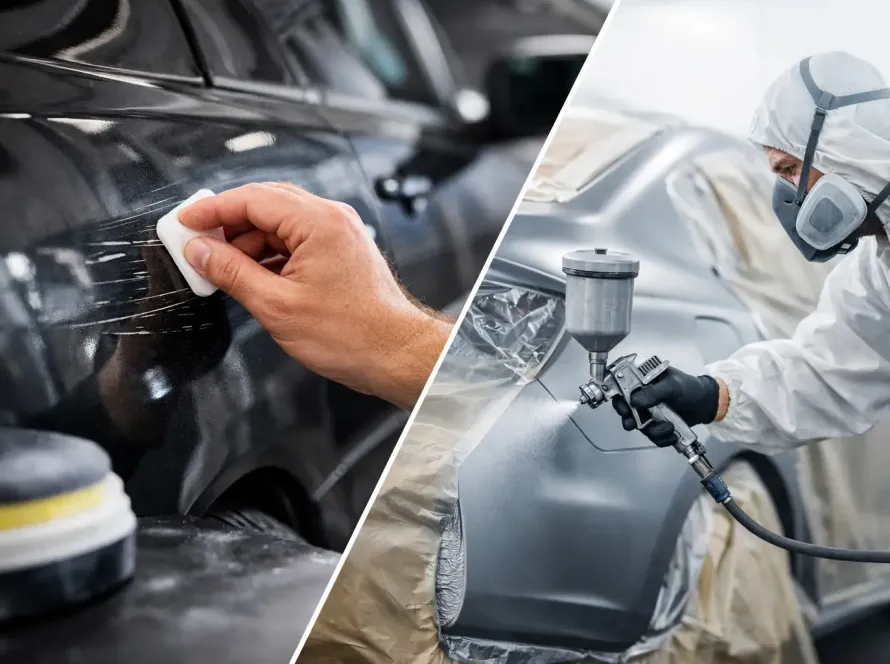
For light surface marks, a finishing polish or light cutting compound can refine the area and restore clarity. This is the stage where patience matters. Use a foam applicator pad or a polishing pad if you have the right machine and know how to use it. Hand polishing is safer for most owners, even if it takes longer.
Work in short passes over the affected section, then buff away the residue with a clean microfibre cloth. Check your results before repeating. The goal is controlled improvement, not chasing perfection at any cost. Modern vehicle paint systems have limited clear coat thickness, and overworking one area can leave the finish weaker than before.
This is also where expectations need to be realistic. A light polish can remove transfer, soften shallow marks and recover gloss. It cannot rebuild missing paint. If the scrape has physically cut through the surface, polishing may reduce how obvious it looks, but it will not make a deep defect vanish.
Signs the scrape needs professional correction
Not every scrape should be treated at home. If the mark runs through the clear coat, catches your nail firmly, or reveals primer, the right result usually requires machine polishing, paint correction, touch-in work or bodyshop refinishing depending on severity.
Metal exposure is especially urgent. Once bare metal is visible, corrosion becomes a risk, particularly in coastal climates where salt in the air can accelerate deterioration. Even a small damaged area can spread if left untreated.
There is also the matter of panel shape and paint type. Curved edges, body lines and metallic finishes are less forgiving than flat, solid-colour panels. On premium and performance vehicles, the difference between a careful correction and a poor repair is immediately visible in the reflection.
A specialist detailer can measure paint depth, identify whether the damage is transfer or actual paint loss, and choose the least invasive correction method. That level of precision is exactly why many owners prefer professional care over trial and error.
Common mistakes when removing a paint scrape on car panels
The biggest mistake is using the wrong product because it is close at hand. Scouring pads, toothpaste, kitchen degreasers and random solvents are not paint-care tools. They may strip wax, stain trims, dull the lacquer or leave marring that needs even more correction afterwards.
The second mistake is skipping decontamination and polishing the dirt into the panel. Even high-quality compounds can create fresh scratches if the surface is not properly cleaned first.
The third is trying to fix deep damage with endless rubbing. If the paint is gone, it is gone. At that point, effort does not equal improvement. It just increases the chance of thinning the surrounding finish.
Finally, many people stop after removing the visible mark and forget protection. Once the area has been clayed or polished, any wax or sealant in that spot is likely reduced or removed. The panel may look better, but it is now more exposed.
Protect the finish after the scrape is removed
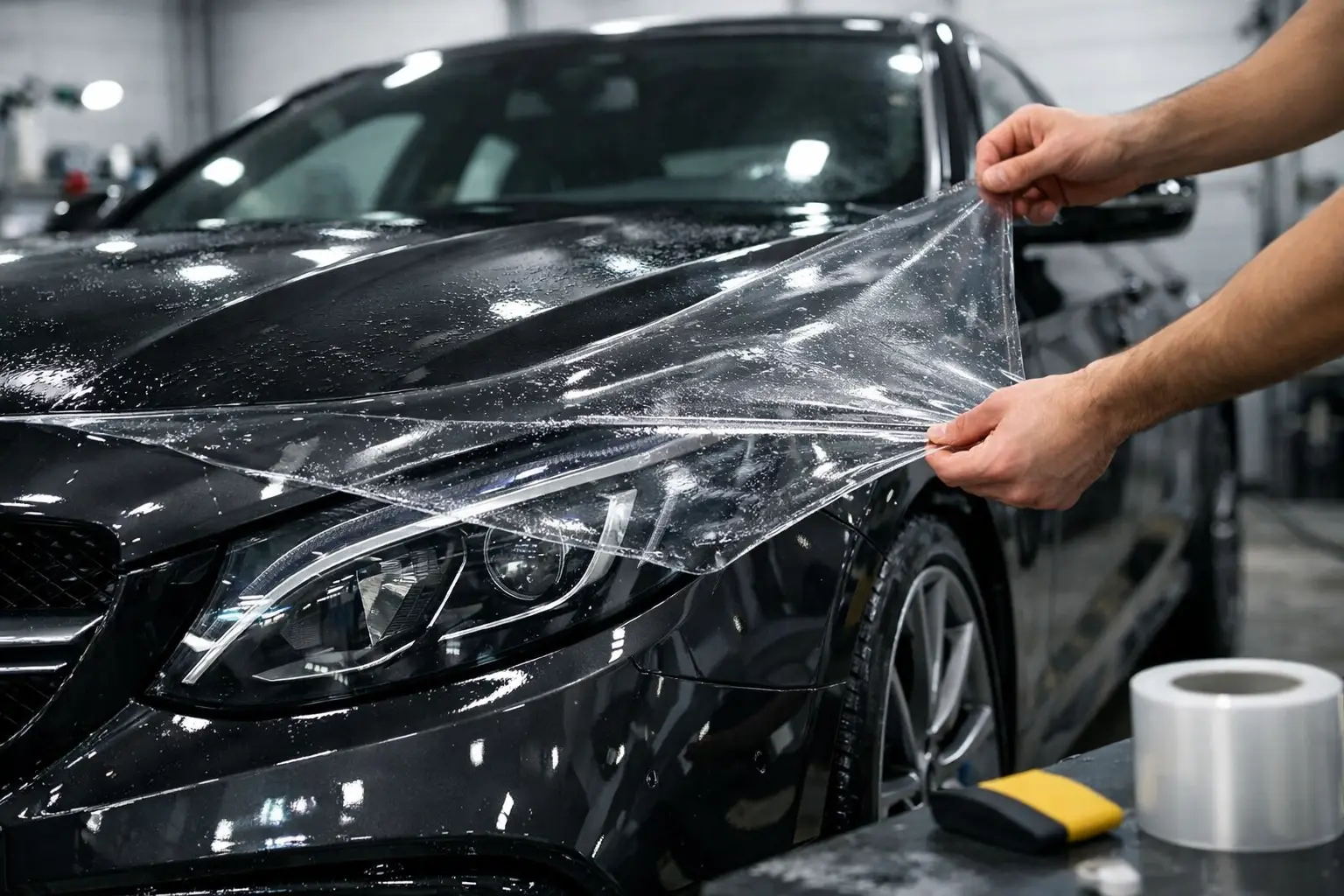
Once the scrape has been corrected as far as safely possible, protect the area. A quality wax, paint sealant or ceramic-based topper will help restore water behaviour and add a defensive layer against the elements. This is not only about shine. Protection helps preserve the corrected finish and supports easier maintenance afterwards.
If your vehicle has already suffered one or two avoidable paint incidents, it may be time to think beyond simple repair. Long-term surface protection, whether through regular professional polishing and waxing or a more advanced coating system, helps keep paintwork in stronger condition. It will not make the car immune to damage, but it does make routine contamination easier to remove and keeps the finish looking sharper for longer.
For owners who value presentation and resale, preventative care usually costs less than repeated corrective work over time. That is one reason premium detailing is not just cosmetic. It is preservation.
The real question is how far you should go yourself
There is a point where home treatment stops being smart and starts becoming risky. If the scrape is minor and clearly superficial, careful cleaning, decontamination and light polishing may be enough. If it is deeper, wider, or on a high-visibility panel such as a bonnet, wing or door, the better decision is often to hand it to a professional.
At GloboWax Malta, that distinction matters. Precision correction is not about throwing the strongest product at the panel. It is about restoring the finish with discipline, preserving as much original paint as possible, and protecting the surface once the defect is resolved.
A paint scrape can be frustrating, but it does not always mean a full respray or a permanent blemish. Start gently, assess honestly, and choose the method that respects the value of the vehicle as much as the appearance. Your paintwork will tell you very quickly whether it needs a light touch or expert hands.