You notice a mark on the door in bright sunlight, run your fingers across it, and immediately ask the question most car owners do – does paint scratch remover work? The honest answer is yes, sometimes very well. But it depends entirely on what kind of scratch you are dealing with, how deep it goes, and how the product is used.
That distinction matters. A quality scratch remover can dramatically improve light defects and restore gloss, but it cannot rebuild missing paint or reverse deep damage by magic. Knowing the difference is what separates a smart fix from an expensive mistake.
Does paint scratch remover work for every scratch?
Not every scratch is the same, even if they look similar at first glance. Some marks sit in the clear coat, which is the transparent protective layer above the paint. Others cut through the colour coat and into the primer beneath. A scratch remover is designed to improve or remove surface-level defects by refining the surrounding clear coat, not by filling in deep trenches permanently.
If the scratch is light and only affects the top layer, the result can be excellent. The surface can look smoother, reflections become cleaner, and the defect may disappear completely. If the scratch is deeper, the product may reduce how visible it looks, but it will not fully remove it.
A simple rule helps here. If the scratch catches your fingernail clearly, it is usually too deep for a standard remover to solve on its own. That does not mean the panel is beyond improvement, only that the solution is likely to involve machine polishing, paint correction, touch-up work, or a more advanced refinishing approach.
What paint scratch remover actually does
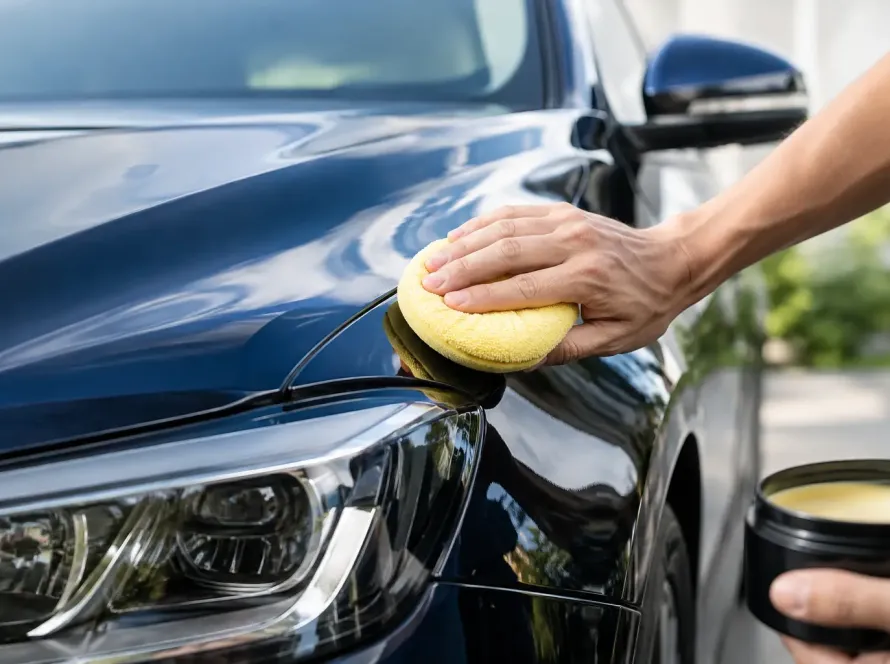
Most paint scratch removers work like a mild abrasive polish. They shave down a very fine amount of the surrounding clear coat so the edges of a shallow scratch become less noticeable. In the right hands, this can produce a clean, sharp finish. In the wrong hands, it can leave haze, dullness, or uneven gloss.
Some products also contain fillers. These temporarily mask defects by sitting inside the scratch and reflecting light differently. That can make the finish look better for a short period, especially just after application, but the improvement may fade after a few washes.
This is why product claims can sound bigger than the real-world result. A remover may work, but the nature of that improvement matters. Is it correcting the defect properly, or simply hiding it for now?
When scratch remover works well
The best results usually come from light swirls, superficial scuffs, fingernail marks around door handles, minor loading scratches near the boot, and faint paint transfer from another object. These are common defects on daily-driven vehicles and often respond well to a suitable corrective product.
If the paint is otherwise healthy and the defect is shallow, a scratch remover can restore clarity without major intervention. Darker colours often show a more dramatic before-and-after result because even slight surface defects interrupt reflections more obviously.
This is also where technique matters as much as the product itself. Working on a clean, cool panel with the right applicator and pressure can make a visible difference. Rushing the process, applying too much product, or rubbing aggressively often does the opposite.
When it does not work as expected
Deep scratches, stone chips, key marks, and damage that has broken through the clear coat are a different story. If you can see a white, grey, or darker line beneath the surface, that often means the paint layers have been penetrated. A remover cannot replace material that is no longer there.
In those cases, trying to polish harder is not a solution. It can thin the clear coat around the damage and make the area more obvious. On modern vehicle paint, clear coat thickness is limited. Chasing a deep scratch too aggressively can create more correction work, not less.
There is also the issue of expectations. Many owners hope for complete removal when what is realistically possible is improvement. A scratch that becomes 70 per cent less visible may still be an excellent result, especially if the alternative is repainting an entire panel.
How to tell what kind of scratch you have
Good lighting reveals a lot. Check the mark in direct daylight or under a bright inspection light after washing the panel properly. Dirt can make a harmless scuff look more serious than it is.
Then assess the defect carefully. If it looks dull but not deep, if it seems to sit on the surface, or if it appears like paint transfer rather than a cut, a remover may be effective. If your fingernail catches sharply, or the scratch shows a different base colour underneath, you are likely beyond what a hand-applied remover can fully fix.
Water can offer a clue too. If a scratch almost disappears when wet, there is a good chance correction will improve it significantly. If it remains obvious when wet, the damage is usually deeper.
Hand application versus machine correction
This is where many results rise or fall. A hand-applied scratch remover can improve light defects, but it has limited cutting power. It is useful for very minor issues and localised marks, especially for owners who want a cautious first step.
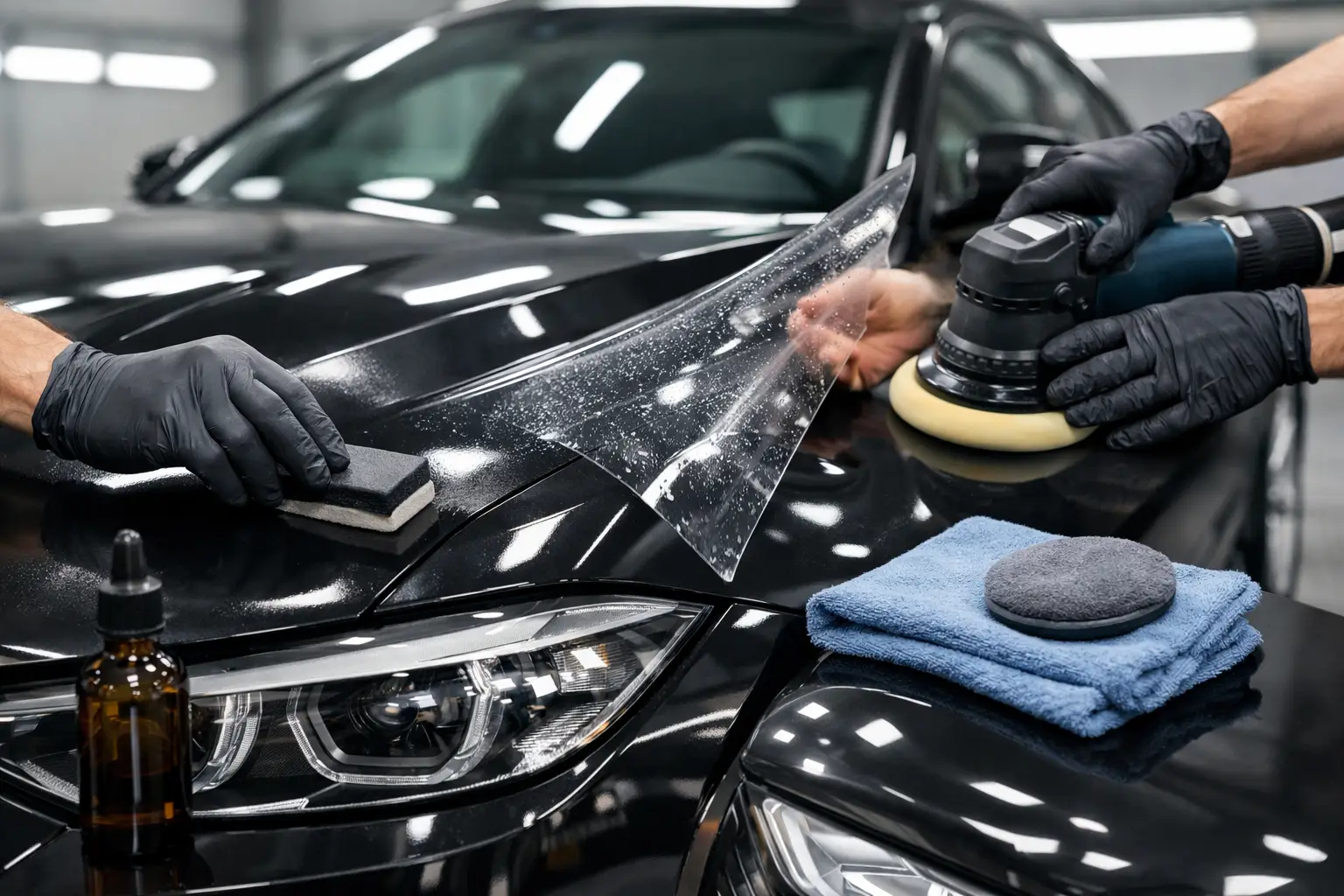
Machine polishing is more precise and more effective when carried out correctly. It allows controlled paint correction, better consistency, and a higher-quality finish across the affected area. It also demands judgement. Different paint systems respond differently, and premium or softer finishes can be especially easy to mar if treated carelessly.
For a valuable vehicle, a darker paint finish, or any scratch that sits in a highly visible area, professional assessment is often the safest route. Precision matters more than pressure.
The risks of getting it wrong
Using the wrong product or technique can leave the surface worse than the original mark. Common issues include hazing, patchy gloss, visible hand-rubbed spots, and overworked edges around body lines. On black, navy, and other darker finishes, these mistakes tend to stand out immediately.
There is also a bigger concern – clear coat preservation. Every abrasive correction removes a measurable amount of material. Done properly, that is part of refining the finish. Done repeatedly without understanding paint depth, it reduces the long-term safety margin of the panel.
That is why premium detailing is not about chasing every mark at any cost. It is about correcting defects responsibly while protecting the integrity of the paint.
So, does paint scratch remover work well enough to use at home?
For minor defects, yes, it can. If the mark is shallow, the panel is clean, and the product is used carefully, a home treatment may deliver a satisfying improvement. That is particularly true for light scuffs and very fine scratches that affect appearance more than the structure of the paint.
But for anything deeper, or for owners who want a true finish upgrade rather than a temporary cosmetic improvement, home products have limits. The gap between a quick fix and proper correction is often wider than it appears.
This is where professional detailing earns its value. A trained eye can identify whether the defect needs polishing, wet sanding, touch-up paint, or a more advanced correction process. More importantly, the result is judged not just by whether the scratch fades, but by whether the panel retains its gloss, depth, and protection afterwards.
At GloboWax Malta, that standard matters. The goal is never to simply rub at a mark and hope for the best. It is to restore the finish with precision and protect the vehicle’s long-term appearance.
The smarter way to think about scratch removal
Scratch remover is not a miracle product, and it is not pointless either. It is a tool. In the right situation, it can make a scratch vanish or become barely noticeable. In the wrong situation, it can waste time, reduce clear coat unnecessarily, and leave you disappointed.
The key is to treat paintwork with the same care you would give any high-value surface. Accurate diagnosis comes first. Correction follows only when it is appropriate. Protection should always be part of the plan afterwards, whether that means wax, sealant, ceramic protection, or simply better wash habits.
If you are staring at a scratch and wondering what to do next, resist the urge to attack it with the nearest bottle on the shelf. A measured approach nearly always delivers the better finish – and the better result for your car over time.