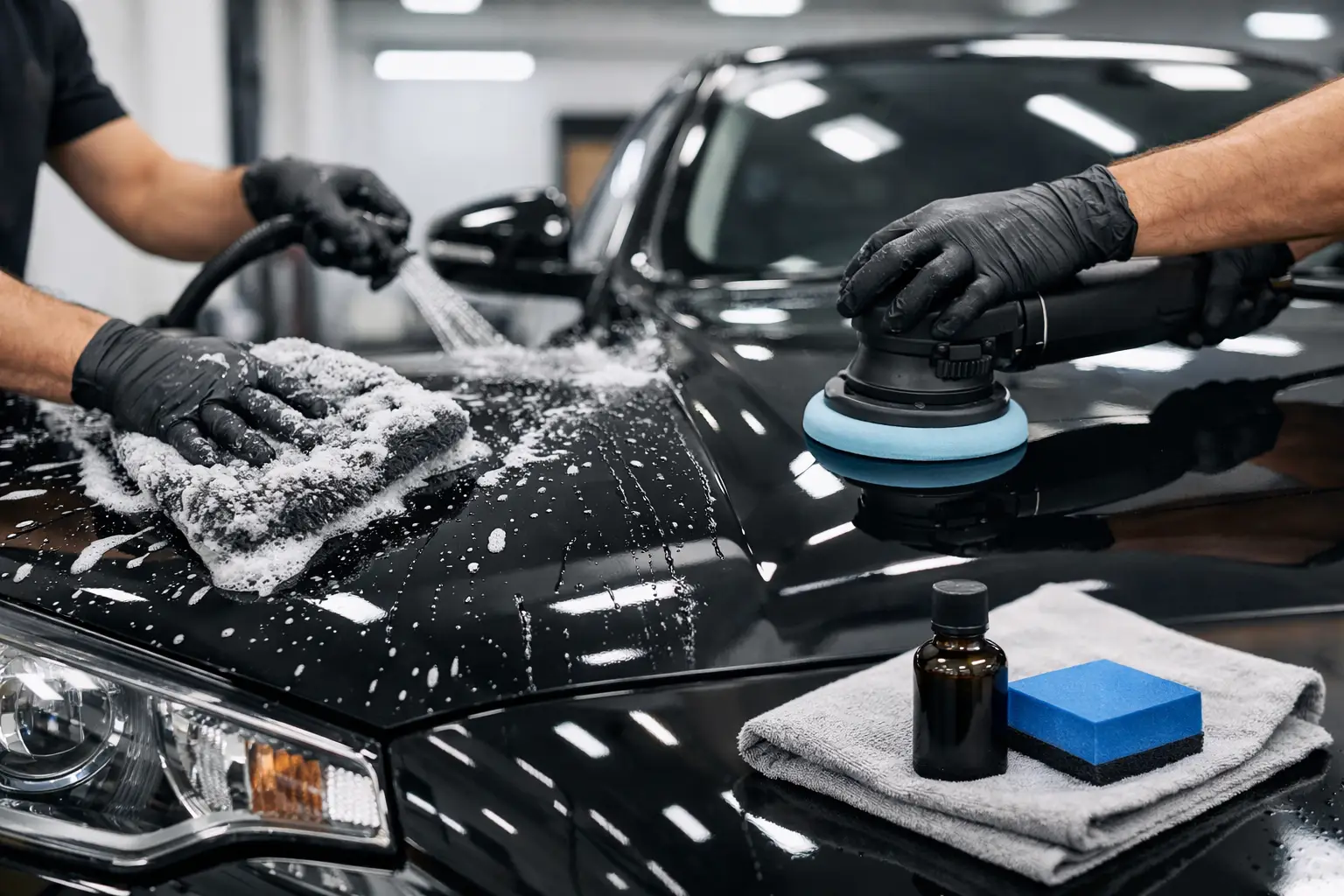
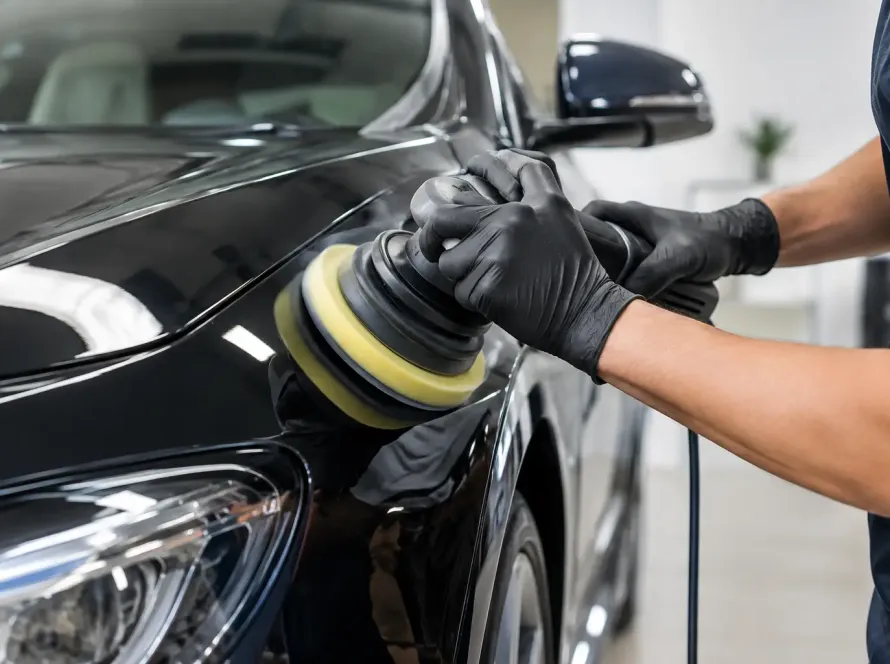
A freshly detailed car can look flawless under Malta’s sun, but that same sunlight, road grit and regular washing start working against your paint almost immediately. When owners ask about ppf vs ceramic coating, they are usually asking one practical question – what will actually keep my car looking better for longer?
The honest answer is that these two protections do different jobs. One is built to absorb physical impact. The other is designed to make the surface easier to maintain while enhancing gloss and resistance to contamination. If you choose the right one for the way you drive, where you park and how particular you are about finish quality, the result is not just a shinier car. It is stronger long-term protection for one of your biggest personal assets.
PPF vs ceramic coating: the core difference
Paint protection film, or PPF, is a transparent urethane film applied over painted panels. Its purpose is physical defence. It helps shield the paint from stone chips, light scuffs, road rash and minor abrasion that would otherwise mark the lacquer.
Ceramic coating is a liquid-applied protective layer that bonds to the paint surface. It does not create a thick impact barrier like film. Instead, it adds chemical resistance, UV protection, improved water behaviour and easier cleaning while giving the paint a richer, more refined finish.
That distinction matters. If your concern is motorway driving, gravel flick-up, tight parking spaces or preserving the front end of a high-value car, PPF is the stronger answer. If your concern is gloss, easier washing, resistance to bird droppings, tree sap and everyday grime, ceramic coating is often the better fit.
What PPF does especially well
PPF is the closest thing to armour for your paint. It is particularly valuable on areas that take the most punishment – front bumpers, bonnets, wings, mirror caps, sills and rear arches. These are the places where chips and wear appear first, especially on performance cars, darker paintwork and vehicles driven regularly at speed.
The best films also have self-healing properties, meaning fine surface marks can soften or disappear with heat. That helps the finish stay cleaner and sharper over time. For owners who are serious about preserving factory paint, that benefit is hard to ignore.
Where PPF justifies its premium is in damage prevention. A ceramic coating can make a panel easier to wash, but it will not stop a sharp stone from chipping the paint underneath. PPF can significantly reduce that risk.
The trade-off is cost and complexity. PPF is more expensive than ceramic coating because the material itself is premium and installation demands real precision. A poor fit, trapped edges or badly prepared paint will show. This is not a service where shortcuts make sense.
Where ceramic coating stands out
Ceramic coating earns its place because it improves the ownership experience every week, not just when a stone flies up. It creates a slicker surface, so dirt, water and contaminants struggle to cling as stubbornly. Washing becomes easier, drying is quicker and the paint tends to hold that freshly detailed look for longer.
It also enhances visual depth. On black, blue, red and metallic finishes especially, ceramic coating can bring extra clarity and gloss that owners notice immediately. The car looks sharper, cleaner and more refined in changing light.
For many daily drivers, this is exactly what they want. They are not chasing track-level impact protection. They want their vehicle to resist the wear of routine use, stand up better to UV exposure and keep a high-end finish with less effort between maintenance washes.
The limitation is straightforward. Ceramic coating is not a substitute for impact protection. It can help reduce very light wash marring when maintained properly, but it will not protect the paint from chips, deeper scratches or careless door contact in a car park.
Which option looks better?
This is where things become more nuanced. Ceramic coating often gives the more obvious glossy finish because it amplifies reflectivity and clarity across the paint. It suits owners who want that crisp, freshly polished appearance day after day.
Modern PPF can also look excellent, especially when installed well on properly corrected paint. High-quality film is far more discreet and visually refined than many drivers expect. Still, film can slightly alter the appearance of the surface depending on the product, the panel shape and the paint colour.
If the question is pure visual enhancement, ceramic coating usually has the edge. If the question is preserving the finish from physical damage while still looking excellent, PPF is the stronger performer.
PPF vs ceramic coating for daily driving in Malta
Local conditions matter more than many people realise. Strong UV exposure, airborne dust, coastal salt in some areas and frequent hand washing all affect how a finish ages. A car parked outside every day will face different challenges from a garage-kept weekend vehicle.
For many Malta drivers, ceramic coating is a smart choice because it helps fight sun-related fading, makes dust and grime easier to remove and keeps the vehicle looking cleaner between washes. It is an excellent fit for executive saloons, family cars and well-kept daily drivers where appearance and low-maintenance protection matter most.
PPF becomes especially compelling when the car is new, high-value or vulnerable to road damage. If you own a performance model, a prestige SUV or a vehicle with soft paint that marks easily, film on the high-impact areas can preserve condition far more effectively than coating alone.
The cost question
Cost should be measured against what you are protecting. Ceramic coating is usually more accessible upfront and offers strong value for owners who want long-lasting gloss and easier maintenance without stepping into the higher price bracket of full film coverage.
PPF is a larger investment, particularly for full-front or full-car applications. But if it prevents repeated stone-chip repairs, repainting or visible deterioration on original factory paint, its value becomes easier to justify. On premium vehicles, preserving originality often matters just as much as preserving appearance.
The mistake is comparing them as if they are direct substitutes at the same price point. They are not. They solve different problems, and the right choice depends on which problem matters more to you.
Do you need one or both?
Sometimes the best answer is not one or the other. It is both.
A popular approach is to install PPF on the most exposed panels and apply ceramic coating over the rest of the vehicle, or even over the film itself if the system allows. This gives you impact protection where you need it most and the easy-clean, gloss-enhancing benefits of ceramic coating across the entire car.
For owners who expect the highest standard of preservation, this combination delivers the most complete result. It protects the vulnerable areas from chips and abrasion while keeping the whole vehicle easier to maintain and more visually consistent.
At GloboWax Malta, this is often the most sensible route for clients who want showroom presentation without compromising long-term protection.
How to choose the right protection for your car
Start with how you use the vehicle. If you cover high mileage, drive on faster roads or simply cannot tolerate chips on the front end, PPF deserves serious consideration. If your priority is a cleaner finish, easier upkeep and enhanced gloss, ceramic coating is likely the better match.
Then consider the value of the vehicle and how long you plan to keep it. The newer and more valuable the car, the stronger the case for PPF, especially before damage appears. If the paint already needs correction, that should be addressed before either protection is applied.
Most importantly, think beyond the product name. Preparation, paint condition and installation quality make a major difference to the final result. Premium protection only performs at its best when the surface beneath it has been properly assessed, corrected and prepared with care.
The better question than ppf vs ceramic coating
Rather than asking which product is better in general, ask which one is better for your standards, your driving and your vehicle. That is where the right decision becomes clear.
If you want the strongest defence against chips and physical wear, choose PPF. If you want exceptional gloss, easier maintenance and dependable surface protection, choose ceramic coating. If you want the most complete finish and preservation package, combine the two intelligently.
The best paint protection is not the one with the boldest marketing. It is the one that keeps your car closer to flawless, for longer, in the real conditions it faces every day.