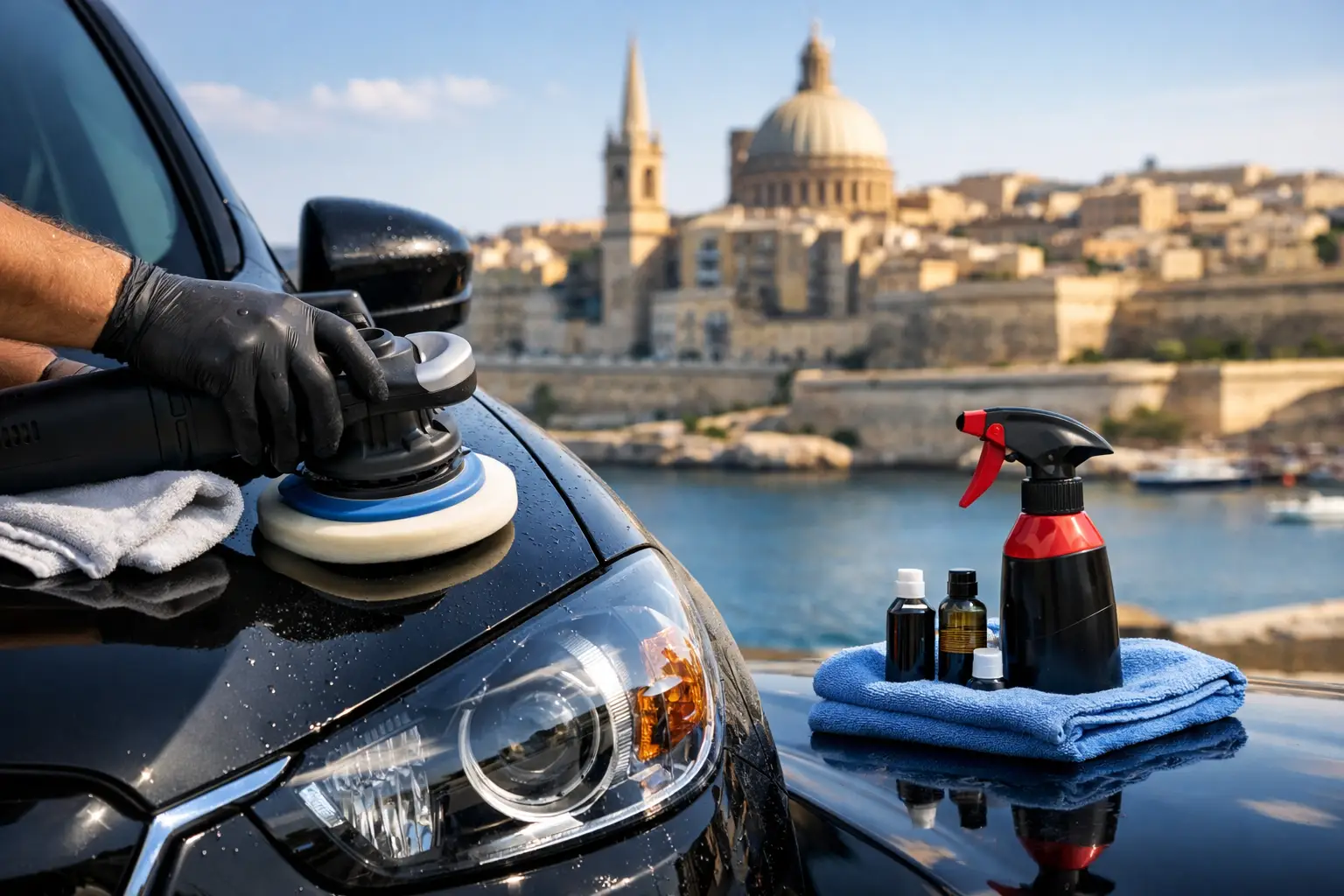
Cloudy headlights can make an otherwise well-maintained car look neglected – but the real concern is what happens after dark. Reduced light output affects visibility, weakens the appearance of the vehicle and can become an issue at inspection time. Headlight restoration cost is therefore not simply a cosmetic question. It is an investment in safer driving, a sharper finish and the long-term presentation of your car.
For drivers in Malta, the price can vary noticeably between a quick surface polish and a complete professional restoration. The right choice depends on the condition of the lenses, the vehicle, and whether the aim is a short-term visual improvement or a durable, showroom-level result.
What affects headlight restoration cost?
There is no responsible one-price answer for every vehicle. Headlight lenses age differently, even on identical models. A car regularly parked outdoors will often show heavier UV oxidation than one kept in a garage, while heat, road contamination, salt in the air and previous DIY treatments can all affect the condition of the plastic.
The main factor is the depth of the damage. Mild haze on the outer surface may respond well to a controlled polishing process. More severe yellowing, rough oxidation, deep pitting or peeling factory coating requires more correction. That means additional preparation, staged sanding and refining to restore optical clarity without leaving visible marks in the lens.
The size and shape of the headlights also matter. Modern units can have intricate contours, tight edges and delicate surrounding trim. A specialist must work precisely around these areas rather than treating the headlight as a flat, simple surface. Premium and performance vehicles may also demand extra care because replacement lamps are expensive and their design leaves little room for error.
Finally, protection affects the final price and the value of the service. Restoring clarity without protecting the corrected lens can leave it exposed to fresh UV damage. A professional quote should account for the restoration method and the protective finish applied afterwards.
Typical headlight restoration cost in Malta
As a broad guide, basic headlight polishing is usually the least expensive option. It may suit lenses with light dullness where the existing surface remains largely sound. The result can be visually pleasing, but a quick polish alone is often a temporary answer if oxidation has already developed beneath or through the worn outer layer.
A professional restoration sits at a higher level because it involves assessment, measured correction and a protective treatment. The technician removes damaged material progressively, refines the surface to regain transparency, then applies protection designed to preserve the finish. The cost reflects labour, specialist abrasives, coating products and the skill required to produce an even result across both headlights.
Where the lenses have deep cracks, internal condensation, severe stone damage or damage inside the headlight unit, restoration may not be the right solution. External correction cannot repair faults beneath the lens or restore a compromised seal. In these cases, replacement or more extensive repair may be necessary, and an honest specialist will explain that before work begins.
Rather than choosing on the lowest figure alone, consider what is included. Ask whether both headlights are covered, whether sanding is required, what form of UV protection is applied and how the lenses should be maintained afterwards. Those details reveal whether you are paying for a superficial shine or a considered restoration.
Why cheap polishing often costs more over time
A low-cost polish can be tempting when the immediate goal is to make headlights look brighter before selling a car or attending an inspection. Yet many fast services rely on a single polishing stage or leave the lens without meaningful UV protection. The headlight can look clear initially, then begin to haze again within a relatively short period.
This is not because polishing is inherently ineffective. It is because oxidised plastic needs the correct amount of correction followed by protection. If the damaged layer is not fully addressed, or the newly exposed surface is left unprotected, sunlight quickly starts the cycle again.
DIY kits face a similar challenge. Some can improve mild cloudiness, particularly when used carefully, but they demand patience and consistency. Uneven sanding, missed edges, excessive heat or poor-quality sealants can leave patchiness, scratches or a finish that fades rapidly. On complex lenses, correcting a failed DIY attempt can require more time than treating the original oxidation.
Professional work is not about making the lens appear glossy for a photograph. It is about improving clarity in a controlled way, retaining a uniform finish and giving the corrected surface the best possible defence against future deterioration.
What a professional restoration should include
A quality service begins with inspection. The lens is assessed in natural and workshop lighting to distinguish surface oxidation from damage that cannot be corrected externally. The surrounding paintwork and trim are then protected before any restoration begins.
For moderate to severe oxidation, the process normally includes careful wet sanding in progressive stages. This removes the damaged layer while controlling the finish across curves, corners and edges. The lens is then compounded and polished to restore transparency and minimise haze created by the correction process.
The final stage is where lasting value is created. A suitable UV-resistant sealant, coating or protective film helps shield the lens from sunlight and environmental exposure. The best option depends on the condition of the headlights and the owner’s expectations. A coating can be an excellent choice for maintained vehicles, while protective film may appeal to owners seeking a more substantial physical barrier against road debris as well as UV exposure.
At GloboWax Malta, headlight restoration is approached with the same precision applied to paint correction and vehicle protection. The objective is clear: restore the finish properly, protect it intelligently and ensure the improvement complements the standard of the whole vehicle.
Is restoration worth it before selling your car?
Usually, yes. Headlights sit at the front of the vehicle, where they strongly influence first impressions. Yellow or cloudy lenses can make clean paintwork and polished wheels feel less convincing, while clear headlights make the entire front end appear newer and better cared for.
The benefit is not only visual. A buyer may reasonably question maintenance when headlights are visibly neglected, and poor lens clarity can suggest future expense. Restoring them is one of the more targeted ways to improve presentation without undertaking major cosmetic work.
For a high-value vehicle, it also makes sense to consider headlight restoration as part of a wider preparation package. Paint enhancement, interior detailing and wheel cleaning can work together to create a coherent, well-kept appearance. The right scope depends on the car’s condition and the sale strategy, but the headlights should not be an afterthought.
How to make restored headlights last longer
No exterior surface is immune to Malta’s sunshine, but sensible maintenance makes a genuine difference. Regular washing removes traffic film and contaminants that dull the lens. Avoid aggressive household cleaners, as they can strip protective products or stain surrounding trim.
Whenever possible, choose shaded or covered parking for long periods. This reduces UV exposure and heat cycling, two major contributors to lens deterioration. If the vehicle is parked outdoors every day, periodic inspections are worthwhile so early haze can be addressed before it becomes heavy oxidation.
Most importantly, protect the headlights after correction. Restoration without a protective finish is incomplete. Whether the right solution is a specialist coating or a protective film, that final layer helps turn a visual improvement into a lasting one.
Clear headlights do more than refresh the face of your car. They give you better confidence on the road after dark and show that every detail of the vehicle receives the standard of care it deserves.