A musty smell when you open the door is more than an inconvenience. In Malta’s humid conditions, a small patch of mould can quickly spread through fabrics, carpets and hidden areas of the cabin. So, can detailing remove mould from your car? In many cases, yes – but only when the moisture source is found, the affected materials are treated correctly, and the interior is properly dried afterwards.
Mould is not ordinary dirt. A quick valet may improve what you can see, but it can leave spores and moisture behind in the seat foam, carpet underlay or air-conditioning system. Professional interior detailing takes a more considered approach, restoring the cabin’s condition while helping to prevent the problem from returning.
Can Detailing Remove Mould Completely?
Detailing can remove mould from hard interior surfaces and treat many affected fabrics, carpets and trims. The result depends on how long the issue has been present, how deeply mould has penetrated, and whether there is an active leak or ongoing source of damp.
Early-stage mould on leather, plastic, dashboard trim, door seals or lightly affected upholstery can often be professionally cleaned and sanitised to a high standard. The visible growth is removed, the surrounding surfaces are cleaned, and the cabin is dried thoroughly. When carried out with the correct products and equipment, this can eliminate odours and restore a fresh, cared-for interior.
However, there are cases where cleaning alone is not the right answer. If mould has deeply contaminated seat foam, headlining material, carpet underlay or insulation, replacement may be the safer and more effective option. Porous materials can retain spores and moisture beneath the surface, even when they appear clean after treatment.
A reputable detailer should be clear about this distinction. Premium car care is not about promising an unrealistic result. It is about identifying the condition accurately and recommending the right level of corrective work for your vehicle.
Why Mould Develops Inside Cars
Mould needs moisture, an organic food source and limited airflow. A car provides all three surprisingly easily. Dust, skin oils, food residue and natural fibres create a surface on which mould can grow, while a closed cabin can hold moisture for days.
Common causes include leaking door seals, blocked sunroof drains, worn window rubbers, a damaged windscreen seal, wet carpets after rain, or water entering through the boot. A faulty air-conditioning drain can also create dampness, while leaving wet towels, gym kit or clothing in the vehicle can raise the cabin’s moisture level.
In Malta, vehicles can face a particular cycle of heat and humidity. Air conditioning works hard, temperature changes create condensation, and cars that are parked for extended periods can develop stale, damp air. A vehicle does not need to be visibly flooded to develop a mould issue. Even a slow, hidden leak can be enough.
What a Professional Mould Treatment Should Involve
Effective mould removal starts before any cleaning product is applied. The interior should be inspected for dampness, water staining, wet carpet edges, condensation, blocked drains and signs of a leak. If the cause remains unresolved, even an expertly detailed cabin may develop mould again.
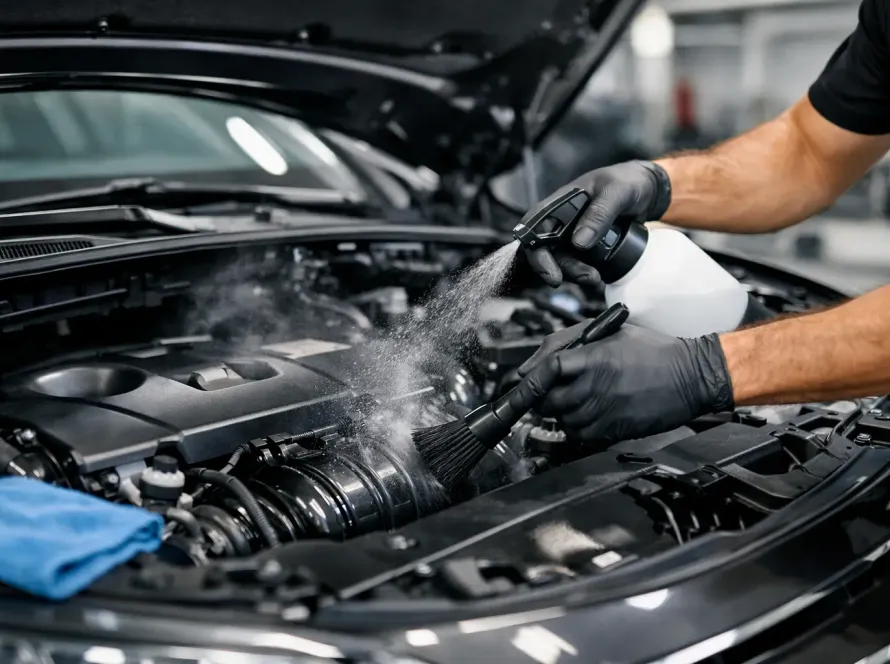
The treatment process usually involves carefully removing loose contamination before deep-cleaning the affected surfaces with appropriate interior-safe products. Fabric seats, carpets and mats may require controlled shampooing or extraction, while leather and delicate trims need products that clean without over-saturating or damaging the finish.
Drying is equally critical. Introducing moisture through cleaning without fully extracting and drying it creates the conditions mould needs to return. Professional equipment, controlled application and sufficient drying time are what separate corrective interior detailing from a cosmetic wipe-down.
Air vents and the climate-control system also deserve attention. If the smell becomes stronger when the air conditioning is running, moisture or microbial growth around the evaporator area may be contributing to the problem. Cleaning the cabin alone will not fully resolve an odour that is being circulated through the ventilation system.
At GloboWax Malta, interior work is approached with the same precision as paint correction or surface protection: assess the condition, select the correct process, and focus on a finish that lasts rather than a short-lived improvement.
When Cleaning Is Not Enough
There is a point at which replacement becomes the responsible choice. This is most likely where the mould has been present for a long time, the car has suffered water ingress, or the affected material is thick and highly absorbent.
A heavily contaminated headlining is a good example. Aggressive cleaning can loosen its adhesive or distort the material, while deeply affected foam-backed upholstery may retain odour after surface treatment. In these situations, replacing the component can produce a cleaner, safer and more durable result than repeated cleaning attempts.
The same applies to carpet underlay. The top carpet may look dry, yet the foam beneath can remain wet and contaminated. If there has been flooding or substantial water ingress, the seats and carpets may need to be lifted so the extent of the issue can be assessed properly.
If you have severe allergies, respiratory sensitivities, or notice extensive mould growth, avoid disturbing it yourself. Brushing or vacuuming dry mould without suitable containment can spread spores through the cabin. A professional assessment is the sensible first step.
Can You Remove Car Mould Yourself?
Small, isolated marks can sometimes be addressed at home, provided the affected area is dry, accessible and not extensive. Wear gloves, ventilate the vehicle, and use a product suitable for the exact surface. Never soak seats, carpets or headlining, and avoid mixing cleaning chemicals.
Household bleach is not a universal car mould solution. It may discolour fabric, damage leather, affect stitching and leave strong fumes inside a confined cabin. Fragrances and odour bombs are not a treatment either. They can mask the smell temporarily, but they do not remove the contamination or fix the moisture problem.
If mould returns after you have cleaned it, that is a clear sign that moisture remains. At that stage, further DIY cleaning may simply add more dampness to the cabin. A thorough inspection and controlled deep clean will save time, protect the interior materials and produce a better result.
How to Prevent Mould From Returning
Once the interior has been restored, prevention is largely about moisture management. Deal with leaks promptly, clear leaves and debris from drainage areas, and check that door and boot seals sit correctly. If carpets become wet after rain or washing, dry them as soon as possible rather than relying on the cabin heat alone.
Use the air conditioning regularly, even during cooler months, as it helps reduce moisture in the air. Before parking for a long period, remove wet items and make sure the cabin is dry. If the vehicle is stored, occasional ventilation and regular checks can prevent a minor damp issue from becoming a costly interior restoration.
Regular interior detailing also makes early warning signs easier to spot. Clean carpets, fresh upholstery and protected leather reveal water marks, odours and changes in condition before they become embedded problems. It is a practical way to protect both your driving environment and your vehicle’s resale value.
A clean cabin should feel as refined as the rest of the car – fresh, dry and free from distractions. If you can smell dampness or see the first signs of mould, address it before the problem settles deeper into the interior.