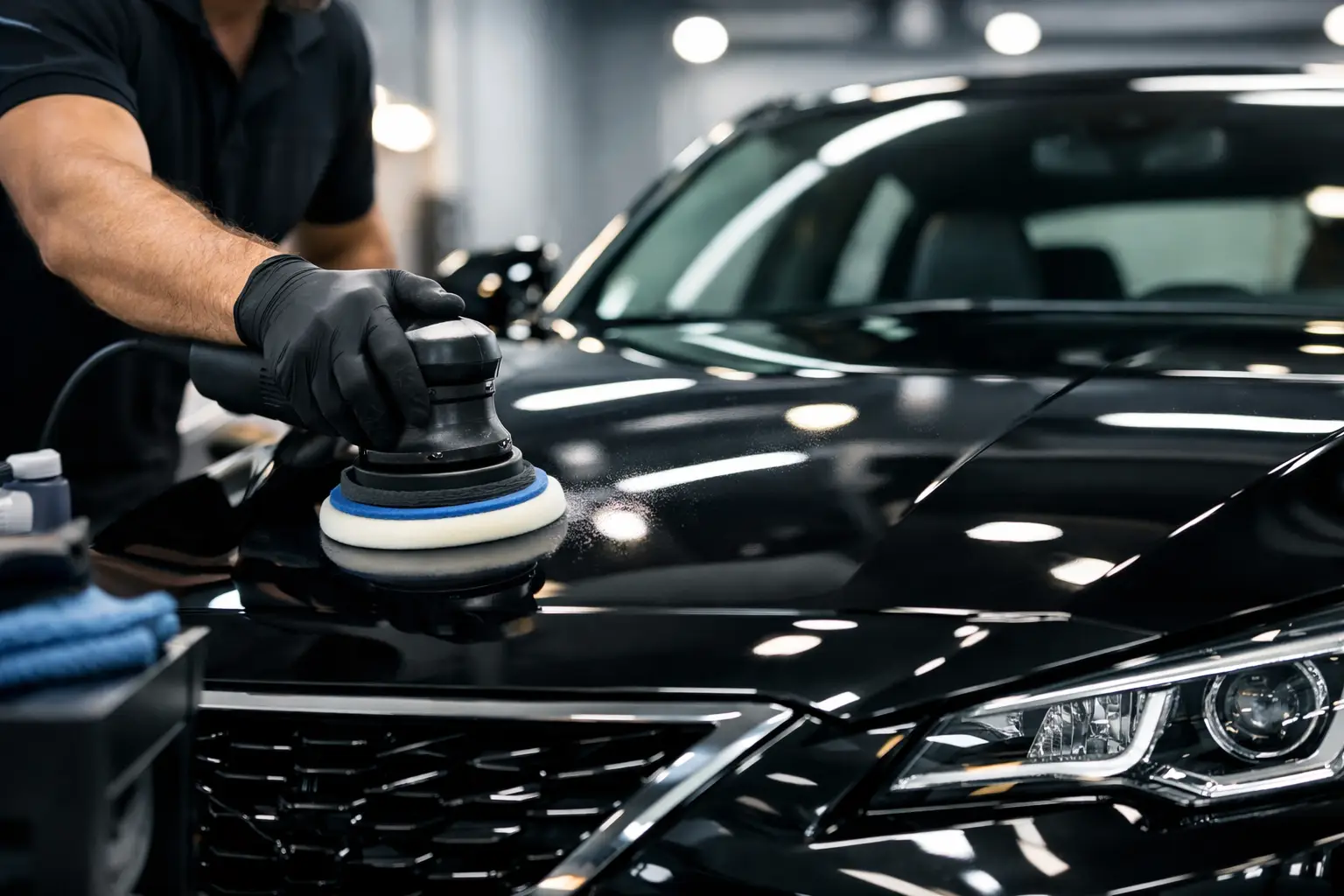
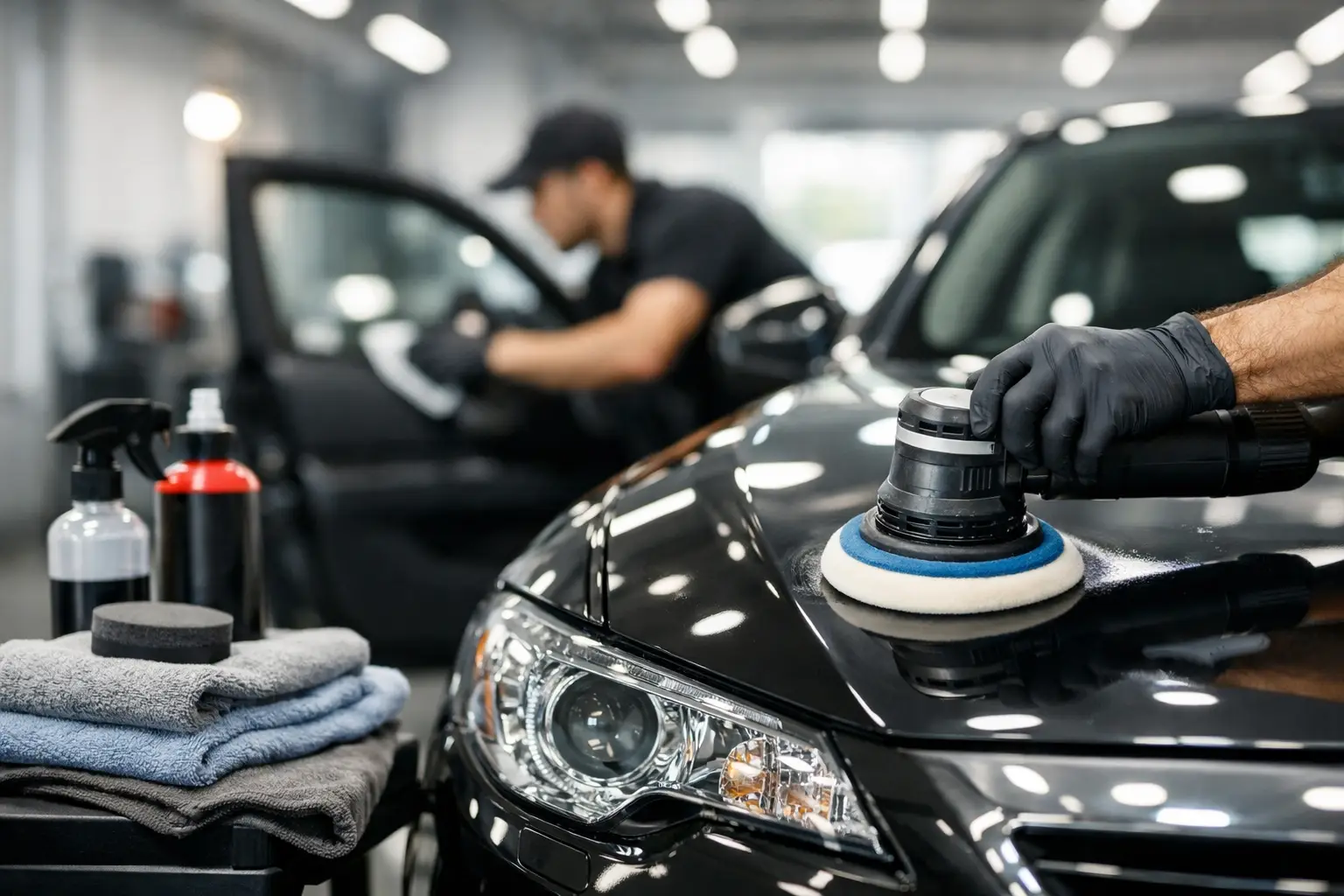
A clean exterior makes an immediate impression, but the condition beneath the bonnet says just as much about how a vehicle has been maintained. A professional engine bay cleaning service removes accumulated dust, oil residue and road grime with controlled techniques designed for modern vehicles. The result is not an artificially glossy compartment, but a clean, refined engine bay that looks cared for and is easier to inspect.
For owners in Malta, this attention matters. Heat, airborne dust, coastal moisture and regular stop-start driving can quickly leave under-bonnet surfaces looking tired. At GloboWax Malta, engine bay care is approached as specialist detailing: every stage is selected to restore presentation while respecting the sensitive electrical and mechanical areas that make up a modern vehicle.
Why a clean engine bay is worth the attention
An engine bay is exposed to far more than most drivers realise. Fine dust settles into trims and seams, moisture carries salt residue into exposed areas, and minor fluid spills can bake onto components as temperatures rise. Over time, plastic covers can lose their deep finish, metal brackets can look oxidised, and rubber hoses can appear dry and neglected.
Cleaning these areas properly improves presentation, particularly on prestige, performance and enthusiast-owned vehicles. It also makes routine checks more straightforward. When an engine compartment is covered in grime, fresh oil seepage, coolant traces or worn hoses are easier to miss. A clean bay does not prevent mechanical issues, but it gives you and your technician a clearer view of what is happening under the bonnet.
There is a resale benefit, too. A buyer may never expect an engine bay to look factory-fresh on an older daily driver, but they do notice signs of ownership. A clean, orderly compartment supports the wider impression that the vehicle has been maintained with care.
What a professional engine bay cleaning service includes
The difference between professional detailing and a quick rinse comes down to preparation, product choice and restraint. Engine bays contain connectors, sensors, fuse boxes, alternators, intake components and insulation that should never be treated casually.
A careful assessment before any cleaning begins
The process starts with an inspection. A detailing specialist looks for obvious leaks, damaged wiring, loose caps, exposed filters and components that need extra protection. The engine should be cool enough to work on safely. Applying products or water to a hot engine is poor practice and can create unnecessary risk.
This assessment also determines the right level of cleaning. A lightly dusty bay on a newer car needs a very different approach from a neglected workhorse with years of oily contamination. The aim is always to use the least aggressive method capable of delivering a visible improvement.
Controlled removal of dust and contamination
Loose debris is removed first from vents, scuttle panels, covers and hard-to-reach corners. Specialist cleaners are then applied in a measured way to suitable surfaces, allowing them to break down road film and grease without saturating the entire compartment.
Brushes of different sizes are used to agitate trims, plastic covers, painted inner wings and accessible metalwork. This is where the transformation happens. Fine detailing around badges, caps, hinges and moulded surfaces lifts the dull film that a basic wash leaves behind.
Water use should be tightly controlled. A professional service does not mean blasting the bay indiscriminately with a pressure washer. Sensitive zones are avoided or protected, and rinsing is kept purposeful. For many vehicles, low-moisture methods and careful wiping are the safer choice.
Drying, finishing and protection
Once cleaned, the bay must be properly dried. This is not an optional final touch. Residual moisture can collect in awkward places, leave water marks and create avoidable concerns around electrical connections. Air drying equipment, microfibre towels and close inspection help ensure the compartment is left dry and presentable.
Suitable dressings may then be applied to plastic and rubber surfaces. The best finish is clean and naturally rich, not wet-looking or greasy. An over-dressed engine bay can attract dust quickly and may look less credible than an untreated one. Quality protection should enhance the appearance of trims while helping them resist drying, fading and future contamination.
The risks of doing it the wrong way
Engine bay cleaning is not simply another version of washing bodywork. Incorrect chemicals, excessive water pressure and careless dressing application can cause more trouble than they solve.
Strong degreasers can stain or discolour aluminium, strip delicate finishes and dry out rubber. High-pressure water can force its way past seals, disturb connectors or soak insulation. Silicone-heavy products can leave slippery residue on areas that should remain clean and dry. Even an apparently harmless home clean can become expensive if warning lights appear afterwards.
This does not mean every engine bay requires fear or avoidance. It means the work needs judgement. Older cars, heavily modified vehicles and models with exposed aftermarket intakes may need a more conservative approach. Conversely, a well-maintained modern vehicle with sealed components can often be refreshed safely when the right procedures are used.
How often should an engine bay be cleaned?
For most vehicles, a professional engine bay clean once or twice a year is enough to maintain a smart appearance. The right interval depends on mileage, where the car is parked, how often it is driven and the conditions it faces.
A vehicle used daily in dusty areas or parked close to the coast may benefit from more frequent attention. Performance cars that attend events, cars being prepared for sale and vehicles undergoing a full detail are also strong candidates for an engine bay refresh. If there has been a fluid spill or a mechanical repair, targeted cleaning can restore the area once the underlying issue has been resolved.
Regular light maintenance between appointments helps keep the finish looking its best. With the engine cool, a soft microfibre cloth can remove loose dust from accessible plastic covers. Avoid spraying household cleaners under the bonnet, and never attempt to hide a suspected leak with dressing or degreaser. Mechanical faults should always be diagnosed first.
Engine bay detailing versus a standard car wash
A standard wash is designed for speed and exterior cleanliness. It may include a quick wipe of the visible areas beneath the bonnet, but it rarely provides the inspection, controlled cleaning and finishing required for a truly refined result.
An engine bay detail is more deliberate. It focuses on difficult surfaces, sensitive areas and the final presentation of plastic, rubber, painted metal and accessible hardware. This level of care is particularly valuable when paired with paint correction, ceramic coating or a complete vehicle detail, because the finish of the entire car should feel consistent from every angle.
There is also a sensible limit to what detailing can achieve. Cleaning can reveal the condition beneath the grime, but it cannot repair cracked covers, corroded fasteners, ageing hoses or an active oil leak. In some cases, a clean engine bay may expose wear that was previously hidden. That is useful information, even if it means the next step is a visit to a mechanic rather than another detailing treatment.
Choosing the right specialist
Ask how the provider handles electrical components, whether they inspect the bay before starting and how they control water use. Look for a specialist who can explain their process clearly rather than promising to make every compartment look “brand new” regardless of age or condition.
Premium vehicle care is built on precision, not shortcuts. The right service will leave the engine bay clean, dry, evenly finished and free from heavy residue. It should complement the mechanical integrity of the vehicle, never compromise it.
A well-presented engine bay is one of those details owners notice every time they lift the bonnet. Give it the same considered care as the paintwork, and your vehicle will reflect a higher standard of ownership in the places most people overlook.