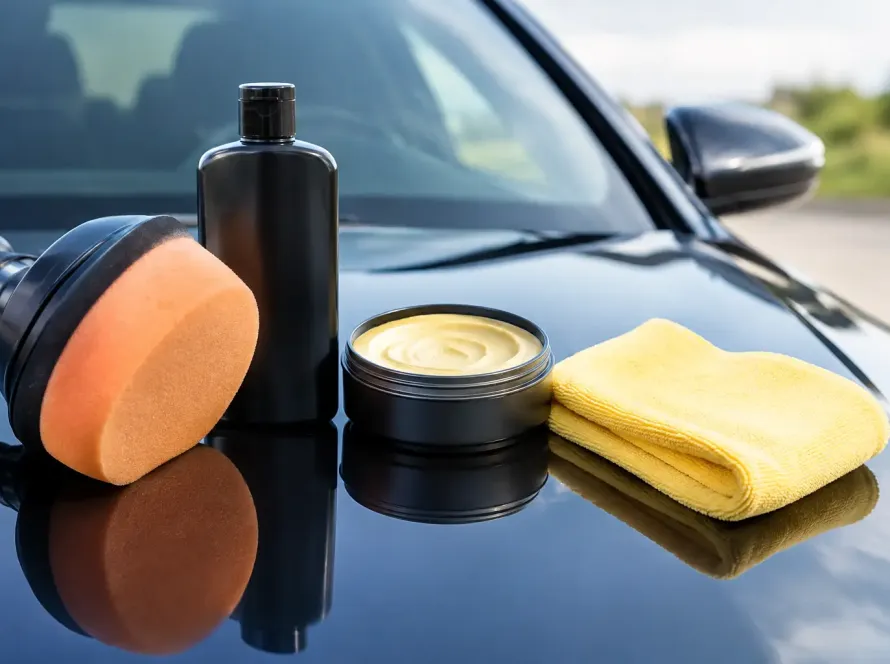
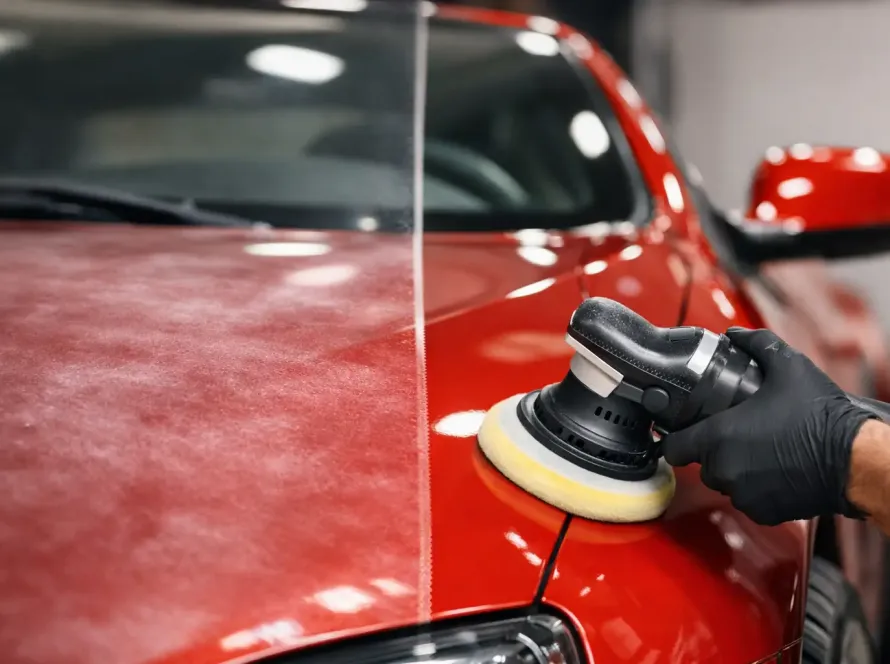
A scratch across an otherwise immaculate panel changes the way a vehicle looks in an instant. Under Malta’s intense sun, even fine marks can catch the light and make paintwork appear dull, neglected or older than it is. The best ways to remove scratches start with one essential decision: identify how deep the damage really is before applying a product, polish or repair technique.
Not every scratch needs repainting, but not every scratch can be polished away either. The right approach protects the original finish, restores clarity and avoids turning a small imperfection into a more expensive correction.
Why scratch depth determines the right repair
Modern vehicle paint is built in layers. The clear coat is the transparent top layer responsible for gloss and UV resistance. Beneath it sits the colour coat, then primer and finally the metal or plastic panel. Most light wash marks, holograms and surface scuffs affect only the clear coat. These can often be safely corrected through careful machine polishing.
A useful first check is the fingernail test. Lightly run a clean fingernail across the mark. If it does not catch, it is usually a superficial defect and may be corrected. If it catches noticeably, the scratch may extend beyond the clear coat. If you can see a different colour, grey primer or bare metal, polishing alone will not restore it.
This distinction matters because polishing works by levelling a minute amount of surrounding clear coat. It improves the appearance of shallow defects, but it cannot replace missing paint. Aggressive polishing on a deep scratch simply removes more of the healthy clear coat around it, compromising protection for an incomplete result.
Best ways to remove scratches without damaging paint
Start with a proper wash and decontamination
Never assess or polish dirty paint. Dust, sand and road film can disguise a superficial mark or create fresh scratches as you work. A meticulous hand wash using pH-neutral products, clean wash media and safe drying methods gives a true view of the panel.
For bonded contamination such as tar, iron fallout or industrial residue, a professional decontamination stage may also be needed. Paint should feel smooth before correction begins. Working over contamination causes unnecessary abrasion and prevents a clean, even finish.
Sometimes a mark that appears to be a scratch is actually paint transfer from another vehicle, a wall or a parking bollard. This can often be removed safely with the correct cleaner and a light polish, leaving the underlying paint intact. It is one reason an expert inspection is valuable before assuming the panel needs paintwork.
Use machine polishing for clear-coat scratches
For swirls, light scuffs and shallow scratches, machine polishing is usually the most effective answer. A detailer selects the pad, polishing compound and machine action according to the paint’s condition and hardness. The aim is controlled correction, not unnecessary removal of clear coat.
A single-stage enhancement polish can noticeably improve gloss and reduce fine defects on paint that is generally in good condition. More pronounced clear-coat damage may require a multi-stage correction, beginning with a controlled cutting stage and finishing with a refining polish to restore deep clarity.
The trade-off is clear: higher correction can remove more visible defects, but it also requires a greater amount of clear-coat removal. Premium detailing is about achieving the strongest safe improvement for the individual vehicle, rather than chasing a theoretical 100 per cent correction at the expense of long-term paint health.
Treat isolated deep scratches with care
When a scratch reaches the colour coat, a paint touch-up may be appropriate. Correctly matched touch-up paint can protect the exposed area and reduce the visual impact, particularly on a small, isolated mark. It will not always make the scratch disappear completely, especially when viewed closely.
A refined repair may involve cleaning the damage, applying colour in thin layers, allowing suitable curing time, levelling the repair where safe and polishing the area to blend its appearance. This demands patience, accurate colour matching and a precise hand. A quick dab of paint from a brush often leaves a raised, obvious mark that is harder to improve later.
If primer, metal or plastic is exposed, repair should not be delayed. Bare metal can begin to corrode, particularly in coastal conditions where salt in the air adds to the risk. In these cases, a repaint at a body shop may be the correct long-term solution. A professional detailer can advise whether the panel can be enhanced and protected or whether refinishing is necessary.
Leave wet sanding to experienced professionals
Wet sanding can level severe defects, runs in touch-up paint and certain isolated scratches before polishing. It is also one of the easiest ways to strike through clear coat if performed without paint-depth readings, appropriate abrasives and experience.
This is not a routine DIY shortcut. Factory paint thickness varies across every vehicle, and panels may have been repainted before. Professional paint correction uses measured, conservative methods to preserve as much original finish as possible.
DIY scratch removal: when it is worth trying
A careful owner can improve very light surface marks with a quality finishing polish, clean microfibre applicator and gentle technique. This is best reserved for small areas where the scratch does not catch a fingernail. Work in the shade on cool, clean paint, use minimal pressure and inspect regularly rather than repeatedly rubbing the same spot.
Avoid household remedies, toothpaste, harsh solvents and cheap abrasive compounds. These are frequently promoted as quick fixes, yet they can haze clear coat, stain trim or conceal damage temporarily with fillers. The vehicle may look better for a few days, then the true defect returns after washing.
Scratch-removal kits can also be misleading. Their results depend entirely on scratch depth, paint type and the user’s technique. On dark colours, improper polishing can leave hazing and buffer trails that are more visible than the original scratch in direct sunlight.
Protection after scratch correction
Removing or reducing scratches is only half the job. Freshly corrected paint needs protection from UV exposure, road grime, bird droppings, water spotting and the wash-induced swirls that gradually return without careful maintenance.
A premium wax or paint sealant delivers warmth, gloss and a sacrificial protective layer. Ceramic coating offers longer-lasting chemical resistance, improved hydrophobic behaviour and easier routine washing. It is an excellent choice for owners who want their corrected paint to retain its clarity with less effort, although it is not a force field against physical scratches.
For high-impact areas such as bumpers, bonnet edges, door cups, mirrors and sills, paint protection film provides a stronger physical barrier. It is particularly worthwhile for performance vehicles, newer cars and drivers who regularly face motorway debris, tight car parks or frequent use. The best protection depends on how the vehicle is driven, stored and maintained.
Safe washing is equally important. Use separate buckets where possible, clean microfibre towels, a quality drying towel and gentle pre-wash products that lift grime before contact. Automated brush washes may be convenient, but their accumulated grit is a common source of the fine circular scratches that diminish gloss over time.
When professional scratch removal is the better investment
Professional correction is the sensible choice when scratches cover multiple panels, paint is dark or delicate, the vehicle has sentimental or resale value, or the damage is deeper than the clear coat. It is also the best route when you want a finish that looks exceptional in sunlight, not just under workshop lighting.
At GloboWax Malta, scratch removal is approached as paint preservation rather than a quick cosmetic cover-up. Each vehicle is assessed individually, then corrected with the least aggressive method capable of producing a striking, durable result. The finish can then be protected with the treatment that matches your ownership goals.
A scratch does not have to become part of your car’s character. Address it early, choose the repair method that respects the paint beneath it, and protect the restored finish so every journey begins with the same confidence as a freshly detailed vehicle.