A proper paint protection film review begins where most car owners notice the problem: the first stone chip on an otherwise flawless bonnet. In Malta, intense sun, dusty roads, tight parking spaces and frequent motorway driving can quickly take their toll on paintwork. Paint protection film, commonly called PPF, is designed to absorb that daily punishment before it reaches the finish underneath.
It is one of the most effective ways to preserve a high-value vehicle’s original paint, but it is not a universal answer for every car or every budget. The value lies in choosing the right coverage, film quality and installation standard.
Paint protection film review: what PPF delivers
PPF is a transparent, durable urethane film applied to painted panels. Unlike waxes and most sealants, it provides a physical barrier between your paint and the hazards that cause permanent damage. Quality modern films are optically clear, resistant to UV exposure and often self-healing, meaning light wash marks and fine surface scratches can soften or disappear with heat from the sun or warm water.
Its greatest strength is impact resistance. Small stones, loose gravel, road debris, insect residue and minor scuffs hit the film first. This does not make a vehicle invincible. A sharp impact, deep scrape or serious collision can still damage the panel beneath. Yet for the everyday chips and abrasion that gradually spoil a front end, PPF offers protection that ceramic coating alone cannot match.
On a daily-driven car, the difference can be especially visible after a few years. The bonnet, bumper and wing mirrors are usually the first panels to show peppering from road use. A professionally installed film helps those areas retain the clean, even finish that supports both pride of ownership and resale appeal.
Where PPF makes the most sense
Full-car PPF gives the most comprehensive protection, particularly for luxury, performance and newly delivered vehicles. It is also the preferred route for owners who intend to keep their car in exceptional condition over the long term. Every painted surface receives the same defence, creating a consistently protected finish rather than leaving vulnerable transitions between covered and uncovered panels.
That said, full coverage is not always necessary. A front-end protection package is often the smartest balance of cost and benefit for a daily driver. This commonly focuses on the bumper, bonnet, front wings, wing mirrors and headlights – the areas most exposed to impact damage.
Other targeted applications can be equally worthwhile. Gloss-black door pillars, door edges, loading lips, side skirts and the area behind door handles are all prone to scratches and scuffs. These smaller protection zones can make practical sense even when a full front-end installation is not required.
The right choice depends on how the vehicle is used. A weekend car that covers limited miles may need less coverage than a commuter regularly travelling Malta’s busier roads. A low-slung sports car with a wide front bumper faces different risks from an SUV used for family life, beach trips and frequent loading.
The finish: will film change the look of your paint?
On a well-prepared vehicle, premium gloss PPF should be exceptionally difficult to detect. It preserves the colour and depth of the original paint while adding a smooth, protected surface. The quality of the preparation and fitting matters enormously here. Film placed over contamination, existing defects or poorly corrected paint will not create a showroom finish. It will simply seal in what is already there.
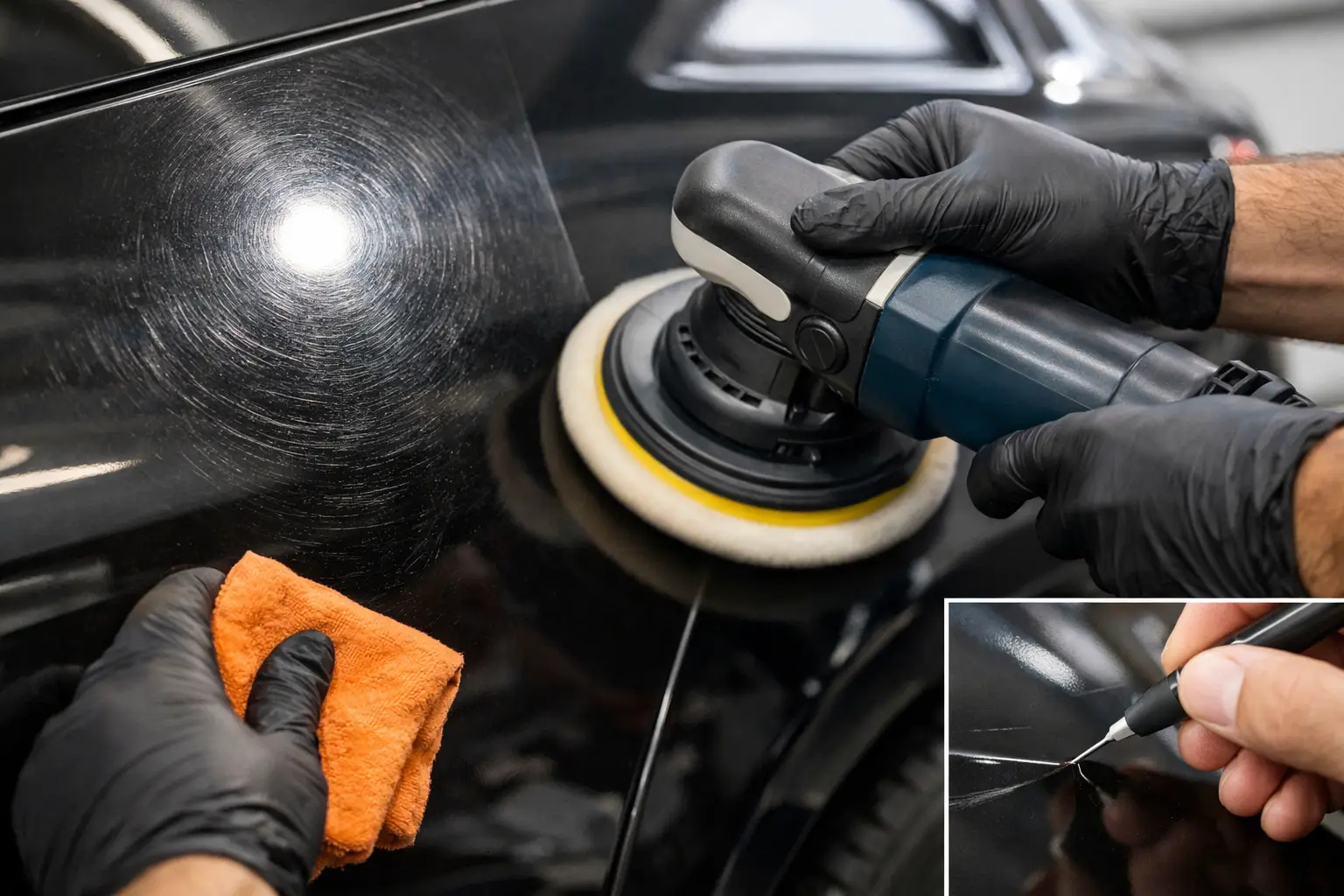
For this reason, paint correction is often recommended before installation. Fine swirls, light scratches and dullness can be refined first, allowing the film to protect the best possible version of the paintwork. This is particularly relevant on dark colours, where defects are easier to see in strong sunlight.
There are also satin and matte PPF options. These can protect factory matte paint without adding unwanted gloss, or transform gloss paint into a sophisticated satin finish while retaining the original colour beneath. It is a dramatic visual upgrade, but it should be chosen deliberately. Satin film changes the appearance of the car, whereas clear gloss film is designed to preserve it.
PPF versus ceramic coating
Paint protection film and ceramic coating are often presented as alternatives, but they perform different jobs. Ceramic coating enhances gloss, improves water behaviour and makes routine cleaning easier. It also provides useful resistance to UV exposure, grime and chemical contamination. What it does not provide is meaningful protection against stone chips.
PPF is the stronger choice where physical impact protection is the priority. Its thickness and flexible structure allow it to take the force of small debris far better than a coating. However, film still benefits from careful washing and maintenance. It is not a reason to use harsh chemicals, dirty wash mitts or abrasive polishes.
For many premium vehicles, the strongest approach is PPF on high-impact areas followed by a quality ceramic coating over the film and remaining paintwork. The result is physical protection where it matters most, plus easier cleaning and a highly refined finish across the car. This is a higher-investment route, but it is also one designed around lasting presentation rather than a short-lived shine.
What separates a premium installation from an average one
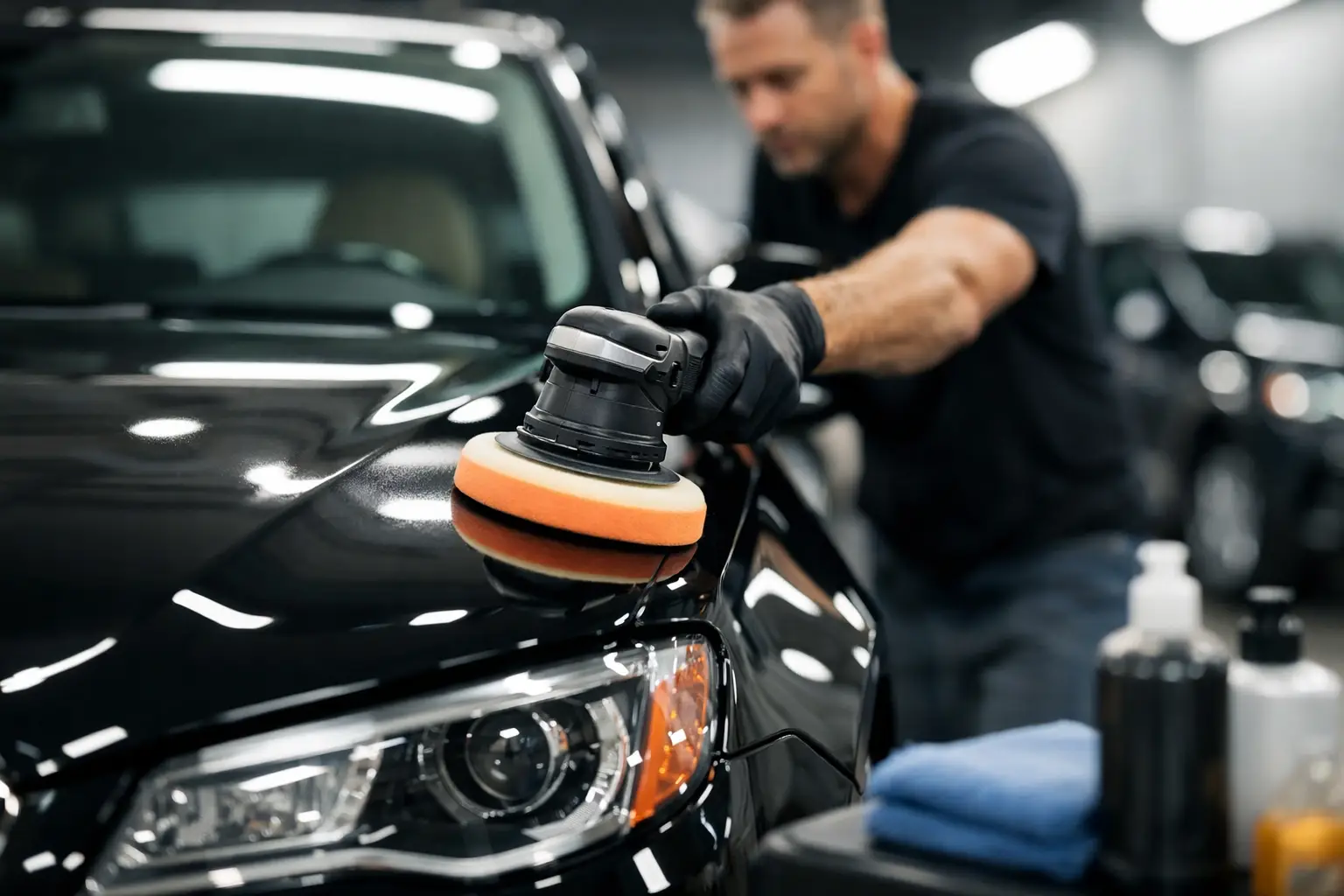
The film itself is only part of the result. Installation standards determine how clean, durable and discreet the finished work will look. A professional process begins with a detailed wash, decontamination and inspection. The paint is assessed under proper lighting, then corrected where necessary before any film is fitted.
Panels should be carefully prepared, and where practical, edges are wrapped to reduce visible lines. Complex areas such as bumpers, vents, badges and sharp body contours demand patience and precision. Rushed fitting can leave trapped contamination, lifted edges, stretch marks or obvious seams. These flaws do more than affect appearance. They can compromise the life of the installation.
It is also worth being realistic about panel design. Some vehicles have tight gaps, intricate shapes or trim that cannot safely be removed. On these cars, a small edge line may be unavoidable. Honest advice is a sign of quality. The goal is not to promise the impossible, but to deliver the cleanest, most durable finish the vehicle allows.
At GloboWax Malta, this approach means treating film installation as a protection service and a finish-critical detailing process, not simply applying material to a panel.
Longevity, maintenance and real-world expectations
High-quality PPF can provide years of protection when properly installed and maintained. Its exact lifespan depends on film specification, storage conditions, mileage, washing habits and sun exposure. Malta’s climate makes UV stability particularly valuable, though no protective product should be expected to stay perfect without care.
Wash the vehicle regularly using pH-neutral products and clean tools. Bird droppings, tree sap, fuel spills and insect residue should be removed promptly, even from protected paint. Avoid directing high-pressure water extremely close to film edges, especially during the first curing period. If a panel is damaged, one of PPF’s practical advantages is that the affected section can often be replaced without repainting the entire area.
Film can also yellow, stain or show edge wear if inferior material is used or maintenance is neglected. This is why the cheapest quote is rarely the best value. A lower initial price can become expensive if the film needs early removal, leaves adhesive residue or fails to protect the paint as intended.
Is paint protection film worth the investment?
PPF is most worthwhile when original paint condition matters. That includes new cars, cherished classics, performance vehicles, luxury models and any vehicle you plan to retain for years. It can also be a sensible decision for a well-cared-for daily driver where avoiding repeated touch-ups, bumper resprays and visible chip damage has genuine value.
For an older car with widespread paint defects or a vehicle approaching replacement, a full film installation may not be the right priority. Paint correction, ceramic protection or targeted film on the most vulnerable areas could offer a more proportionate result. The best decision is based on the vehicle’s condition, your mileage and the standard you want to maintain.
A flawless finish is easier to preserve than to restore. Protect the panels that face the road, maintain them with care, and your car can continue to look as considered on ordinary weekday journeys as it does when it leaves the detailing studio.