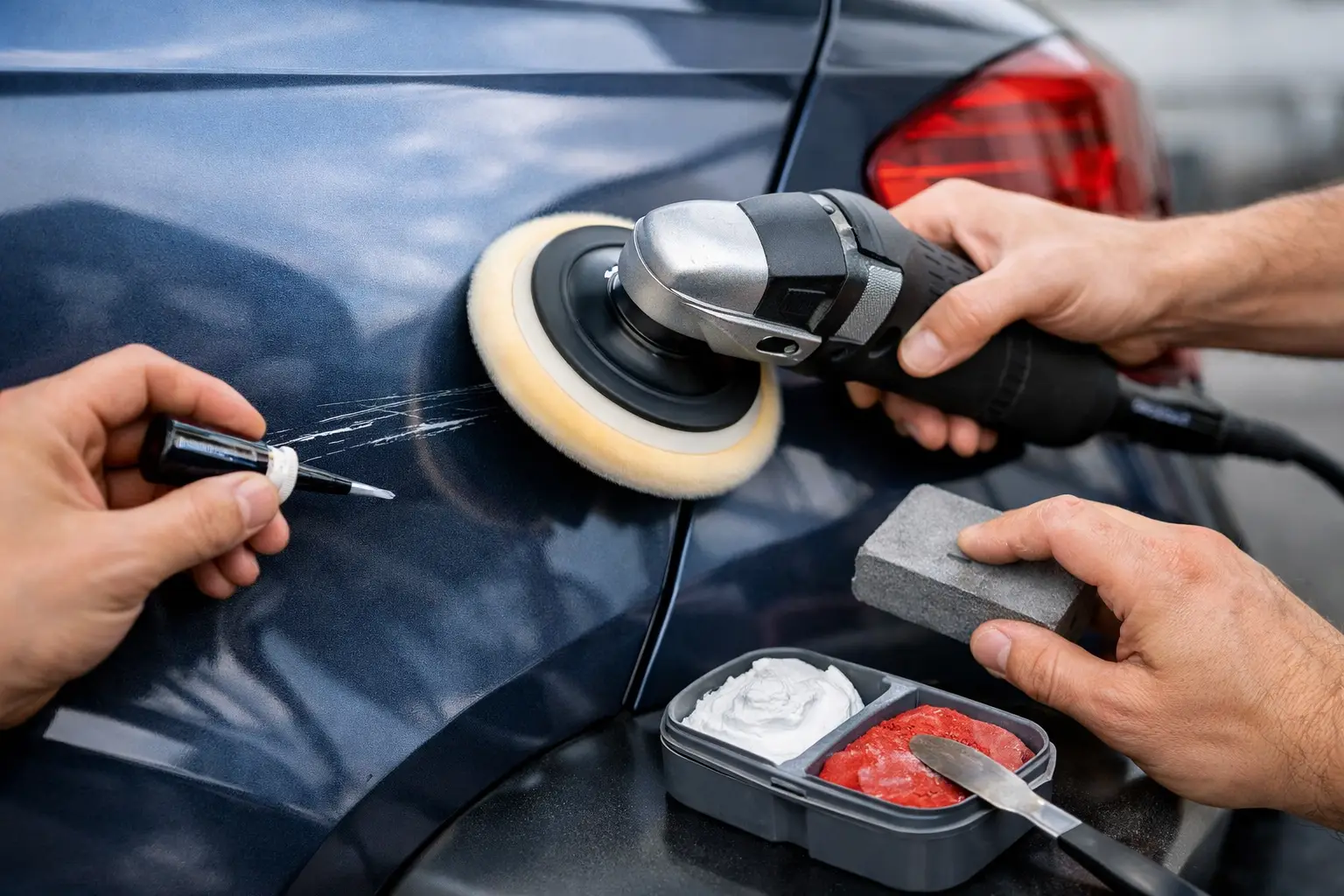
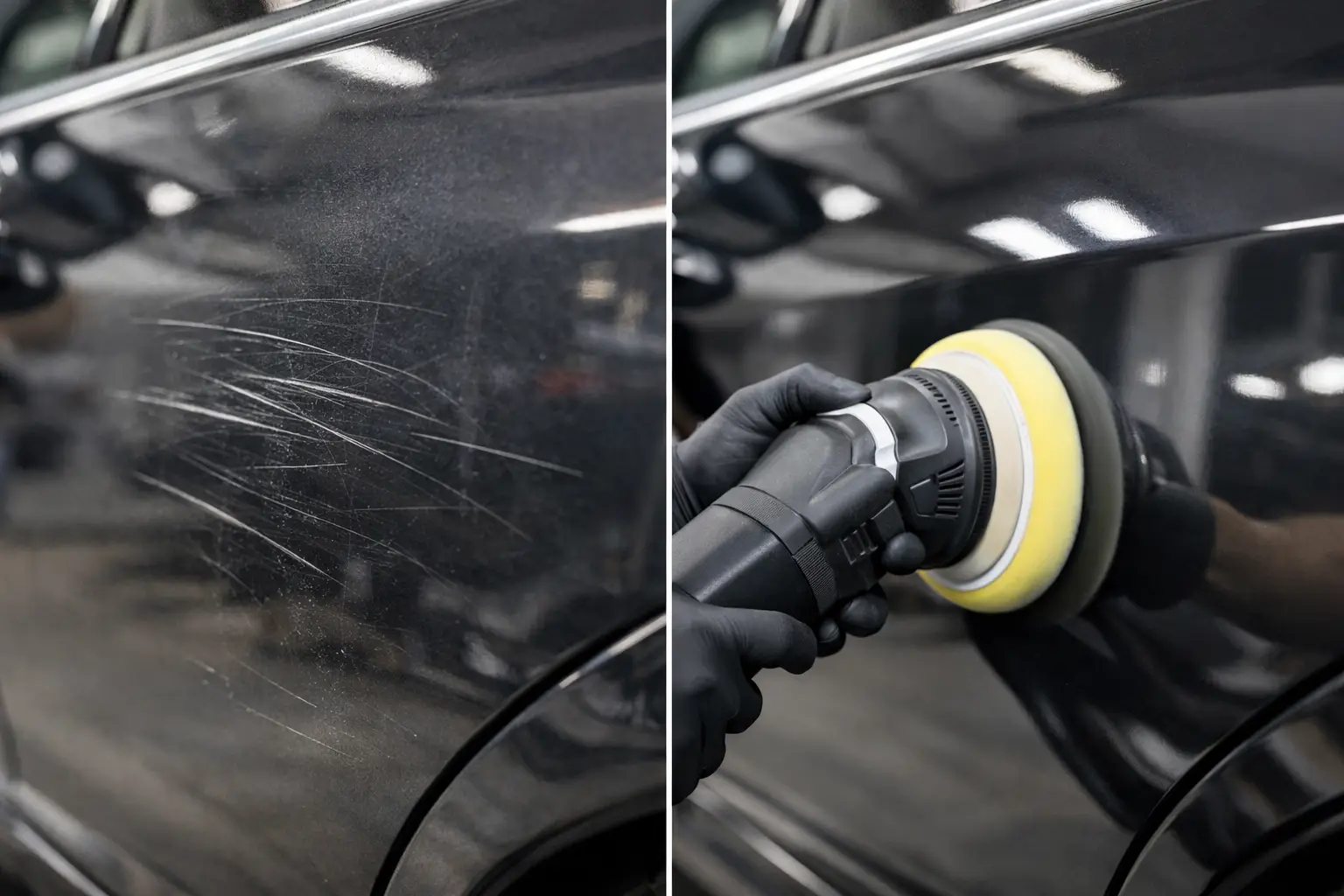
A stone chip on a freshly polished bonnet changes the way a car feels every time you approach it. So does faded paint, a scuffed door edge or a finish that no longer reflects the standard you expect. When choosing paint protection film or vinyl wrap, the right answer is not simply about appearance. It is about whether your priority is preserving original paint, transforming the car’s look, or combining both with a considered protection plan.
For Malta’s intense sun, coastal air, tight parking spaces and daily road debris, that distinction matters. Both treatments can elevate a vehicle dramatically, but they are engineered to do different jobs.
Paint protection film or vinyl wrap: the essential difference
Paint protection film, often called PPF, is a clear, durable polyurethane film applied to painted surfaces. Its primary purpose is defence. It creates a physical barrier between your paintwork and the hazards that cause visible damage, including stone chips, light scuffs, road grime, insect residue and minor abrasion.
A vinyl wrap is primarily a styling finish. It is a thinner, colour or texture-changing film that can alter the appearance of a vehicle without permanent repainting. Gloss, satin, matte, metallic, pearlescent and colour-shifting effects are all possible, giving owners far more creative freedom than factory paint alone.
The difference is easiest to understand through purpose. PPF is chosen to protect the finish you already love. Vinyl is chosen to create a finish you cannot achieve with paint alone, or to refresh a car’s visual identity while keeping the original paint underneath.
There is some overlap. Quality vinyl offers a degree of shielding from UV exposure, fine marks and everyday contamination. Yet it is not designed to absorb the impact of loose stones in the same way as premium paint protection film. Equally, clear PPF can enhance gloss and preserve the paint beneath, but it does not provide the dramatic colour change of a wrap.
When paint protection film is the stronger investment
PPF is the natural choice for owners who want to maintain factory paint in exceptional condition. It is especially valuable on newer vehicles, prestige models, performance cars and cherished daily drivers where stone chips can quickly diminish appearance and resale appeal.
The front end is normally the first area to suffer. The bumper, bonnet, front wings, wing mirrors and headlights face constant impact from grit and loose debris. A front-end PPF package can protect these vulnerable panels while leaving the car’s original colour and design completely visible. For vehicles driven frequently on motorways or exposed to demanding daily use, full-body PPF offers the highest level of coverage.
One of PPF’s defining qualities is its thickness and elasticity. It is made to take the minor punishment that would otherwise reach the clear coat. Many premium films also feature self-healing properties, allowing light swirl marks and surface marring to reduce with warmth. This does not make the car invincible, and it will not repair deep damage or replace careful washing, but it provides a meaningful extra layer of confidence.
PPF is also an intelligent choice when future value matters. Original, well-preserved paint is a genuine advantage when selling or trading a vehicle. Buyers often look closely for repainting, chips, lacquer damage and inconsistent panel finish. Protecting the original surface from the outset helps keep that conversation straightforward.
The trade-off is cost. Quality paint protection film requires skilled preparation, accurate pattern work and meticulous installation. The product itself is more expensive than vinyl, particularly for full coverage. It is best viewed as long-term preservation rather than a short-term cosmetic upgrade.
When a vinyl wrap makes more sense
A vinyl wrap is for the owner who wants their car to make a more personal statement. Perhaps the current colour feels too ordinary, perhaps you want a satin black roof, or perhaps a full colour change suits the character of the vehicle better than its factory finish. A professionally installed wrap can produce a striking transformation without committing to a respray.
This reversibility is a major advantage. When properly cared for and removed at the appropriate point in its service life, vinyl can reveal the original paint beneath. That makes it appealing for leased vehicles, business vehicles needing temporary branding, or enthusiasts who enjoy changing the car’s look every few years.
Vinyl can also be a practical answer for paint that is visually tired but structurally sound. It can give a vehicle a fresh, uniform appearance where polishing alone cannot correct faded clear coat, extensive staining or a finish that no longer suits the owner. However, a wrap is not a shortcut around poor paintwork. Deep scratches, peeling lacquer, corrosion and poor previous repairs must be assessed and addressed first. Film follows the surface beneath it, so flaws can remain visible or compromise adhesion.
The cost of wrapping varies greatly according to vehicle size, chosen finish, panel complexity and the condition of the underlying paint. It is often less expensive than full-body PPF, but a premium wrap is still a specialist installation, not a quick cosmetic job. Edges, trims, badges, panel gaps and surface preparation determine whether the final result looks factory-level or visibly aftermarket.
Protection, style and durability under Maltese conditions
Malta presents a demanding environment for vehicle finishes. Strong UV exposure can dull unprotected paint and affect low-quality films. Salt in the air, dust, bird droppings and frequent parking in close quarters create a constant risk of staining, abrasion and impact marks.
For maximum physical protection, PPF remains ahead. It is built for the front bumper that meets road debris, the door cup that suffers fingernail marks and the loading edge that takes regular knocks. Clear PPF can be applied selectively to high-wear areas or across the entire vehicle, depending on how the car is used.
For style-led ownership, vinyl delivers more visual options. A satin or matte finish can completely change the vehicle’s presence, while a gloss wrap can refresh a tired colour with remarkable depth. The important point is to select film quality and aftercare that can stand up to local conditions. Cheap material may fade, shrink, lift at edges or lose its finish far sooner than expected.
Neither treatment removes the need for maintenance. Harsh chemicals, abrasive brushes and neglected contamination can shorten the life of both PPF and vinyl. Gentle, regular washing, prompt removal of bird droppings and suitable detailing products protect the finish and keep the installation looking refined. Ceramic coatings formulated for film can also add easier cleaning and enhanced water behaviour, although they should complement the film rather than be mistaken for impact protection.
Can you combine PPF and vinyl wrap?
Yes, and for some vehicles it is the most balanced solution. A colour-change vinyl wrap can create the desired aesthetic, while PPF is applied over the highest-impact sections where additional defence is needed. This approach can work particularly well on performance cars and premium daily drivers that need both individuality and protection.
The order of installation and compatibility of products are crucial. Film systems should be chosen and fitted by a specialist who understands how the materials behave together, how edges should be finished and how the vehicle will be maintained afterwards. Trying to layer products without a clear plan can create unnecessary cost and complicate future removal.
Another option is more focused: retain the original paint, protect the front end with clear PPF, then use vinyl only for styling accents such as a roof, mirrors, bonnet stripe or interior trim. This keeps the vehicle’s design purposeful rather than overdone.
How to make the right choice for your car
Start with an honest assessment of how you use the vehicle. If it is a new car you intend to keep immaculate, if it travels regularly at speed, or if original paint preservation is your priority, PPF is likely to offer the best return. If the goal is a new colour, a distinctive finish or a reversible visual transformation, vinyl wrap is the more suitable route.
Your starting paint condition matters just as much. The finest film cannot hide poor preparation. Thorough decontamination, paint correction where appropriate, and careful inspection of every panel are what allow the final installation to look precise. This is where professional detailing separates a premium result from a surface-level makeover.
At GloboWax Malta, every protection decision should begin with the vehicle itself: its condition, use, finish and the standard you want to preserve. There is no value in recommending full coverage where targeted protection will serve you better, and no benefit in choosing a wrap when paint correction and clear protection would better suit the car.
Choose the treatment that matches how you want to enjoy your vehicle. The best finish is not simply the one that looks exceptional on collection day – it is the one that continues to protect your pride in ownership long after the first drive.