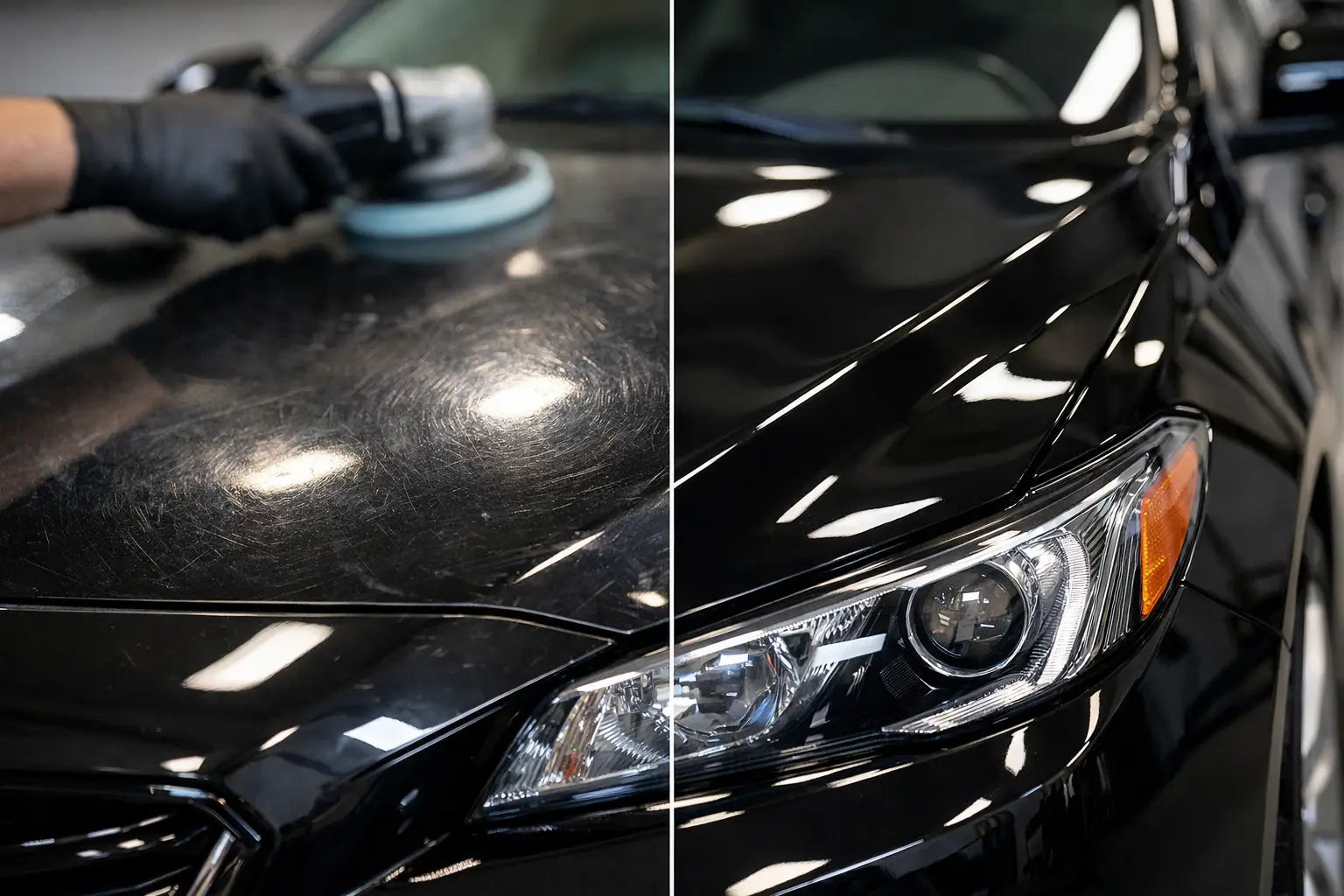
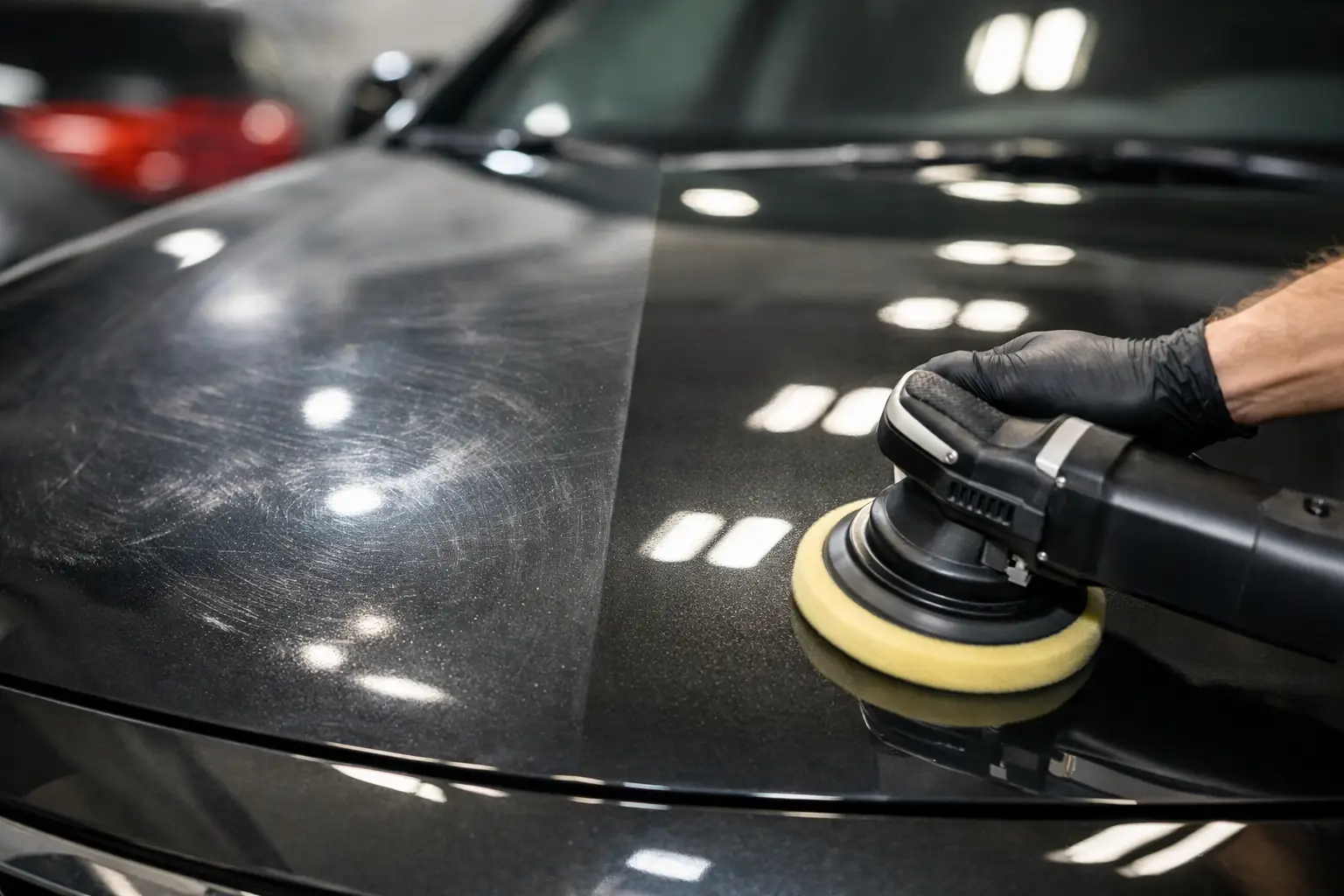
That sinking feeling usually hits before you even reach the door handle. A fresh mark across the paint, a scuff on the bumper, a key line on the panel – suddenly the whole car looks different. The good news is that car scratch repair options are wider, and more precise, than most owners realise. The right fix depends on one thing above all: how deep the damage really is.
A scratch that looks dramatic in direct sunlight may only sit in the clear coat. Another that seems minor can cut through the colour coat and expose the primer beneath. Treat them the same way and you either waste money on an unnecessary repair or leave damage that keeps getting worse. If you care about finish, value, and long-term protection, the best approach is to match the repair to the scratch, not the emotion of the moment.
Understanding car scratch repair options
Modern paintwork is built in layers. At the top sits the clear coat, which provides gloss and a degree of protection. Beneath that is the colour coat, then primer, and finally the metal or substrate. Once you understand that structure, most car scratch repair options become much easier to judge.
If a mark is only in the clear coat, it can often be corrected without repainting. If it reaches the colour coat, touch-in work or localised refinishing may be needed. If primer or bare metal is visible, the repair becomes more urgent because appearance is no longer the only issue – corrosion risk enters the picture as well.
A simple test can help. If the scratch catches your fingernail firmly, it is usually too deep for a straightforward polish. That does not automatically mean a full respray, but it does mean the repair should be assessed carefully. On darker cars in particular, even a small deep scratch can remain obvious if handled poorly.
When a polish is enough
The least invasive option is machine polishing or paint correction on the affected area. This is ideal for light swirls, superficial marks, transfer scuffs, and clear-coat scratches that have not broken through the surface layer.
Done properly, this method removes a tiny amount of clear coat to level the surrounding paint until the scratch becomes far less visible or disappears entirely. The result can be exceptional because the original paint remains intact. That matters. Factory paint is usually more durable and more consistent than any repaint, so preserving it where possible is always the premium route.
There is a limit, though. Aggressive polishing on a deep scratch will not make it vanish. At best, it softens the edges and improves how the damage catches the light. At worst, it removes unnecessary clear coat and leaves the panel thinner than it should be. Precision matters more than enthusiasm.
Best for light scratches and surface marks
This option suits owners who notice wash marring, light abrasions around door handles, or marks caused by bags, bushes, or poor washing technique. It is also a strong solution when a scratch looks worse than it is because paint transfer from another object is sitting on top of the surface.
Touch-up paint for isolated chips and fine scratches
When the scratch has gone through the clear coat and into the colour layer, touch-up paint becomes one of the more practical car scratch repair options. It is especially useful for stone chips, narrow scratches, and small isolated defects where a full bodyshop repair would feel excessive.
A good touch-up can protect the exposed area and reduce visual impact. A poor one stands out immediately. Thick blobs of paint, mismatched colour, and unlevelled edges often look worse than the original damage. That is why touch-up work is not simply about applying paint – it is about controlled filling, curing, levelling, and refining the finish.
On solid colours, a touch-up may blend reasonably well. On metallic or pearlescent paints, exact visual matching becomes more difficult because flake orientation and light reflection play a major role. In these cases, expectations should be realistic. The goal is often significant improvement and protection rather than total invisibility.
Smart repair and localised refinishing
For scratches that are too deep for polishing but too localised for a full panel respray, smart repair can be an excellent middle ground. This approach targets the damaged section rather than repainting more of the vehicle than necessary.
It works well on bumper corners, door edges, and limited areas of panel damage. The appeal is obvious: lower cost than a larger bodyshop job, reduced downtime, and a cleaner result than a simple touch-up when the damage is more noticeable.
The catch is that quality varies hugely. Blending colour and clear coat into surrounding paint takes skill, and poor refinishing can leave halos, texture mismatch, or a patch that looks right in shade but wrong in full sun. For discerning owners, this is where craftsmanship separates a proper specialist from a quick cosmetic fix.
Full panel respray when perfection matters
Some damage calls for repainting the whole panel. Deep scratches across a large visible section, damage with distortion around it, failed previous repairs, or areas where blending would be obvious often fall into this category.
A full panel respray is usually the most expensive option, but it can also be the right one when you want the finish restored properly. For prestige, performance, and newer vehicles, panel quality matters. A cheap repair that saves money today can hurt appearance and resale value later if the colour match is poor or the finish deteriorates quickly.
This route should not be treated as the default solution for every scratch. Repainting original panels unnecessarily is not ideal. But when the damage is substantial, a well-executed respray offers a clean reset and can return the panel to a far more uniform standard.
DIY kits versus professional repair
Many drivers are tempted by off-the-shelf scratch removers and touch-up kits. Sometimes that works. For very light marks, a mild abrasive product can improve the finish enough to satisfy a daily driver owner. If the car is older and the goal is simply to make the scratch less obvious, DIY may be perfectly reasonable.
Where owners get caught out is assuming every product labelled “scratch remover” can remove an actual scratch. Most cannot. They can clean the area, add gloss, mask defects temporarily, or reduce very fine marks. They do not reverse deeper paint damage.
The bigger risk is making the repair area harder to correct professionally later. Over-applied touch-up paint, harsh sanding, cheap compounds, and poor machine use can all create extra work. On premium vehicles, darker paint, or anything you genuinely care about preserving, professional assessment is usually the wiser investment.
Choosing the right repair for your car
The best car scratch repair options depend on the scratch, the panel, the paint type, and your standard for the end result. A small mark on a lower bumper corner is different from a scratch across the bonnet of a black executive saloon. Visibility matters. So does ownership intent.
If you plan to keep the car for years, preserving paint integrity and protecting exposed areas should be the priority. If you are preparing the vehicle for sale, you may focus on visible improvement and cost control. If the car is enthusiast-owned or high value, finish quality will rightly carry more weight than the cheapest quote.
This is also where protection should enter the conversation. Once a scratch has been corrected or repaired, the surrounding paint can benefit from polishing, sealant, wax, ceramic coating, or even paint protection film on vulnerable areas. Repairing damage is only part of the job. Preventing the next one is what preserves standards.
What a proper assessment should include
A serious repair specialist should do more than glance at the panel and name a price. They should inspect the depth of the scratch, identify whether it has penetrated the clear coat, consider panel material, evaluate colour complexity, and explain the expected finish honestly.
That honesty matters. Not every scratch can be made invisible without repainting, and not every repaint is necessary. The right advice is specific, not generic. At GloboWax Malta, that standard of assessment is part of what separates corrective detailing from basic cosmetic guesswork.
Owners often feel pressure to act fast, especially when the scratch is fresh. Speed is useful if metal is exposed, but rushing into the wrong repair is rarely a win. A measured inspection usually saves money and delivers a better result.
The cost question
Price varies widely because the methods vary widely. A light machine correction costs far less than refinishing a panel, and rightly so. What matters is value, not just price. If a £20 DIY attempt leaves a glaring patch on an otherwise sharp vehicle, it was never the cheap option. If a professional polish removes the mark without repainting, that can be the most cost-effective outcome of all.
The smartest owners do not ask only, “What does it cost to fix?” They also ask, “What preserves the car best?” That mindset leads to better decisions and a better-looking vehicle over time.
A scratch does not always need a dramatic repair, but it always deserves the correct one. When the method matches the damage, the finish can be restored with the kind of precision your car should have had all along.