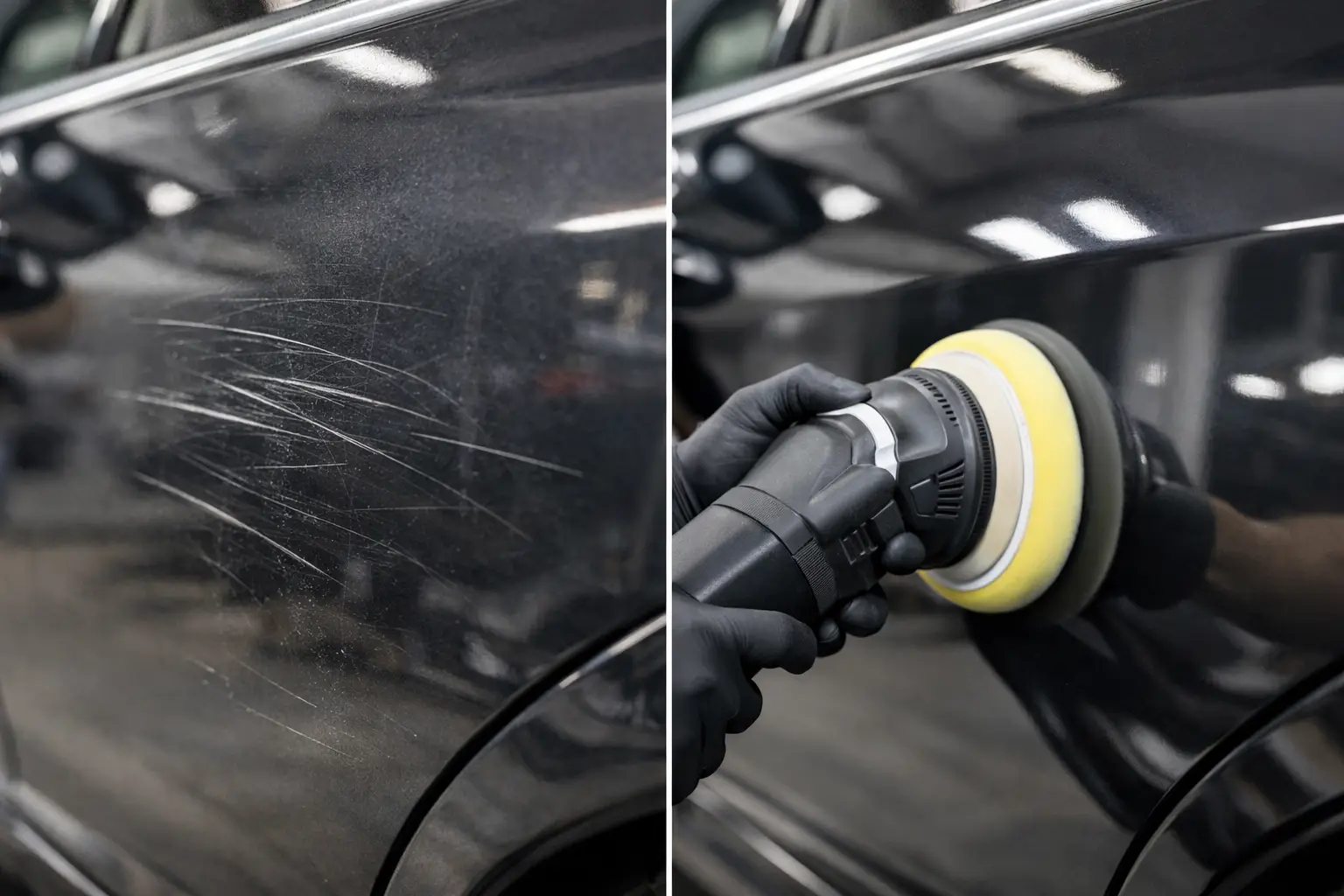
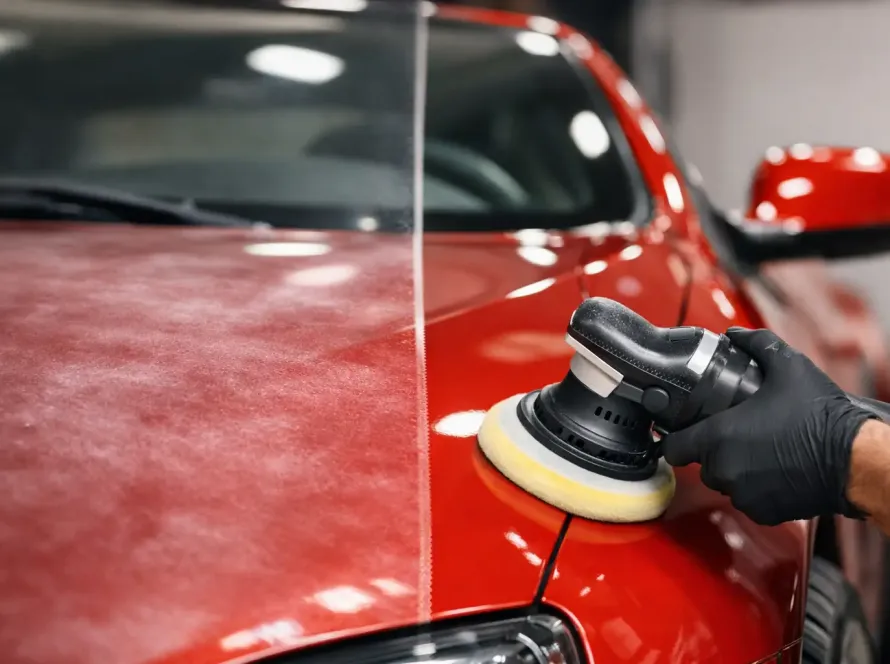
That deep gloss you noticed on day one does not stay that way by accident. A proper ceramic coating maintenance guide is what keeps the finish looking sharp, water-repellent and easier to clean long after the coating has cured. The coating does the hard work, but the way you wash, dry and handle the car afterwards determines how well that protection performs.
Ceramic coating is not a licence to neglect the paint. It is a high-performance protective layer designed to resist contamination, reduce wash-induced marring and preserve a refined finish. If you treat it like an ordinary unprotected car, the surface can still lose its clarity under traffic film, mineral deposits and poor wash habits. The good news is that maintenance is straightforward when done correctly.
Why ceramic coating maintenance matters
A ceramic-coated vehicle stays cleaner for longer, but it is not self-cleaning. Dust, road grime, bird droppings, bug splatter and hard water can still sit on the surface. Left too long, those contaminants can bond to the top layer and dull the finish. In Malta’s climate, strong sun, sea air and mineral-rich water can make this happen faster than many owners expect.
Good maintenance protects two things at once – the coating itself and the paint beneath it. When the surface is washed safely and decontaminated at the right intervals, you preserve gloss, slickness and hydrophobic performance. More importantly, you reduce the need for aggressive correction later.
Ceramic coating maintenance guide – your regular wash routine
The best maintenance routine starts with restraint. Washing too aggressively causes more harm than washing slightly less often. The aim is to remove contamination efficiently, with as little friction as possible.
Start with a thorough rinse to loosen surface dirt. If the car is particularly dirty, a pre-wash foam is a smart first step because it softens grime before any contact wash begins. This matters on coated paint because the less rubbing required, the less chance of inflicting light swirls that interrupt the crisp, reflective finish.
Use a pH-neutral shampoo designed for coated vehicles. Harsh detergents can strip away performance enhancers and leave the surface looking flat. While the ceramic layer remains in place, repeated use of unsuitable products can reduce the slickness and water behaviour owners expect.
Wash with a quality microfibre mitt, not a sponge. A sponge tends to drag contamination across the paint, while a mitt with proper pile helps lift particles away from the surface. Pair that with the two-bucket method, one for shampoo and one for rinsing the mitt, and you immediately reduce the risk of wash marks.
Drying is where many good wash routines fail. Letting water evaporate naturally often leaves mineral spotting, especially in warm conditions. Use a clean, soft drying towel and blot or glide lightly rather than pressing down hard. If the vehicle has a complex shape with trims, mirrors and badges that trap water, a gentle air blower can help remove hidden drips before they create marks.
What to avoid on a coated car
Automatic car washes are one of the quickest ways to compromise a premium finish. The brushes may be convenient, but they are rarely clean and often leave fine scratching. On coated paint, that means the surface may still bead water, yet lose the depth and clarity that made the treatment worthwhile in the first place.
Strong traffic film removers, washing-up liquid and bargain acidic cleaners also create problems. Some products are simply too aggressive for routine use and can interfere with the behaviour of the coating. Wheel cleaners and fallout removers have their place, but they should be used with control, not as a weekly shortcut.
Another common mistake is leaving contamination in place because the owner assumes the coating will protect against everything. Bird lime, bug residue and tree sap still need prompt attention. A coating buys you time, not immunity.
How often should you wash a ceramic-coated car?
It depends on how the vehicle is used. A garaged weekend car will need a different routine from a daily driver parked outside near the coast. For most owners, a careful wash every one to two weeks keeps the coating performing well and prevents heavy contamination from building up.
If the car is exposed to construction dust, sea spray, motorway mileage or frequent sun, weekly maintenance is usually worth it. Not because the car will look filthy overnight, but because contaminants become harder to remove the longer they remain on the surface.
The key is consistency. Light, correct maintenance is always better than infrequent heavy cleaning.
Topping up performance without masking problems
A well-maintained coating does not always need extras, but a compatible maintenance spray can help refresh gloss and water behaviour between deeper services. Used occasionally after washing, these products can enhance slickness and make routine cleaning even easier.
That said, top-up products should not become a way to hide neglect. If the paint feels rough, the water behaviour has dropped significantly or the finish looks muted, the issue may be contamination rather than coating failure. In those cases, adding more product on top will not solve the root cause.
Decontamination in a ceramic coating maintenance guide
Even when a car is washed properly, bonded contamination gradually accumulates. Iron particles, tar, environmental fallout and mineral deposits can cling to the surface and interfere with the coating’s hydrophobic properties. This is why periodic decontamination matters.
Chemical decontamination is usually safer than aggressive mechanical methods. Iron fallout removers and tar removers can be used when needed, provided they are suitable for coated surfaces and not overused. A clay bar or clay mitt may still be appropriate occasionally, but only with correct lubrication and only when necessary. Claying always introduces some level of contact, so it should be approached carefully.
If the coating suddenly seems less effective, contamination is often the real culprit. Many coatings regain their behaviour after a proper decontamination wash and drying process.
The first few weeks after application
Freshly applied ceramic coating needs time to settle and cure properly. During that early period, aftercare matters more than many people realise. Depending on the product used, the vehicle may need to stay dry for an initial window and avoid detergents for a short period afterwards.
This is where following the installer’s advice is essential. Different coatings have different cure characteristics. A generic routine may be close, but precision gives better long-term results. If your vehicle has been coated professionally, the aftercare guidance should reflect the specific product and the conditions it will face.
Signs your coating needs professional attention
A drop in water beading does not always mean the coating has failed. Sometimes the surface is simply clogged with minerals or traffic film. However, if the finish no longer feels smooth after careful washing, contamination returns very quickly, or the gloss looks noticeably muted, it may be time for a professional inspection.
This is especially true if you notice water spotting that no longer washes away, light marring from poor previous washing, or uneven behaviour across different panels. Bonnet, roof and boot areas often take more punishment from sun and contamination than vertical panels, so performance can vary around the car.
A professional maintenance service can safely deep-clean the coating, assess its condition and restore performance where possible. For premium vehicles, or for owners who want the finish kept at showroom standard, that level of specialist upkeep is often the difference between a coating that lasts on paper and one that continues to look exceptional in the real world.
Storage, environment and everyday habits
Maintenance is not just about wash day. Parking under trees, near sprinklers or close to building works creates avoidable risk. So does wiping dust off a dry panel with a cloth. That quick touch-up often causes the light scratching owners later blame on the coating itself.
If the vehicle is used daily, simple habits help. Remove fresh bird droppings quickly with a suitable cleaner and soft cloth. Avoid washing in direct sun where products dry too fast. Use dedicated towels for paint, wheels and lower dirty areas so contamination does not transfer across the car.
Owners who value a consistently sharp finish often find that careful routine maintenance saves both time and money. The car washes more easily, requires fewer corrective steps, and holds on to that premium look for longer.
At GloboWax Malta, we see the best ceramic coating results on cars that are protected professionally and maintained with the same level of care afterwards. The coating gives you an advantage, but the finish you keep depends on the standards you follow.
If you want your coating to keep delivering gloss, protection and easier cleaning, think of maintenance as part of the treatment rather than an afterthought. A few disciplined habits will always outperform the cycle of neglect and correction.