A stone flicked up on the motorway can mark a bonnet in seconds. Bird droppings left in the sun can stain lacquer far faster than most owners expect. That is why the question of paint protection film vs ceramic coating matters so much if you want your vehicle to keep its gloss, resist damage and hold its value.
Both options are premium forms of paint protection, but they do very different jobs. One is designed to absorb physical impact. The other is designed to enhance the finish and make the surface easier to maintain. If you choose based on marketing alone, you can end up with the wrong protection for the way you actually drive.
Paint protection film vs ceramic coating: the real difference
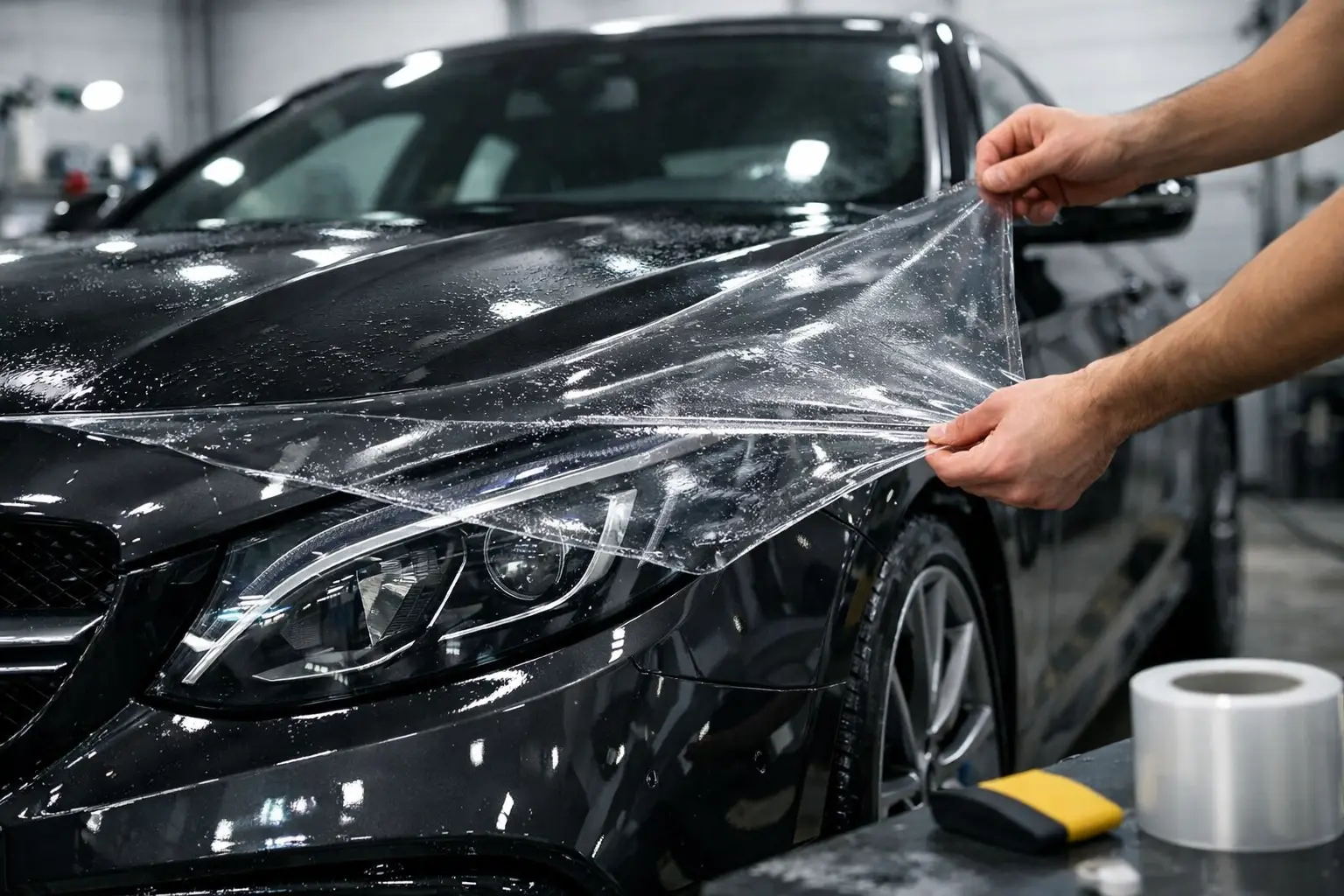
Paint protection film, often shortened to PPF, is a transparent urethane film applied over painted panels. It creates a physical barrier between the paintwork and the outside world. Good-quality film helps defend against stone chips, light abrasions, road rash, insect splatter and some minor scuffs. Many modern films also have self-healing properties, meaning fine surface marks can soften or disappear with heat.
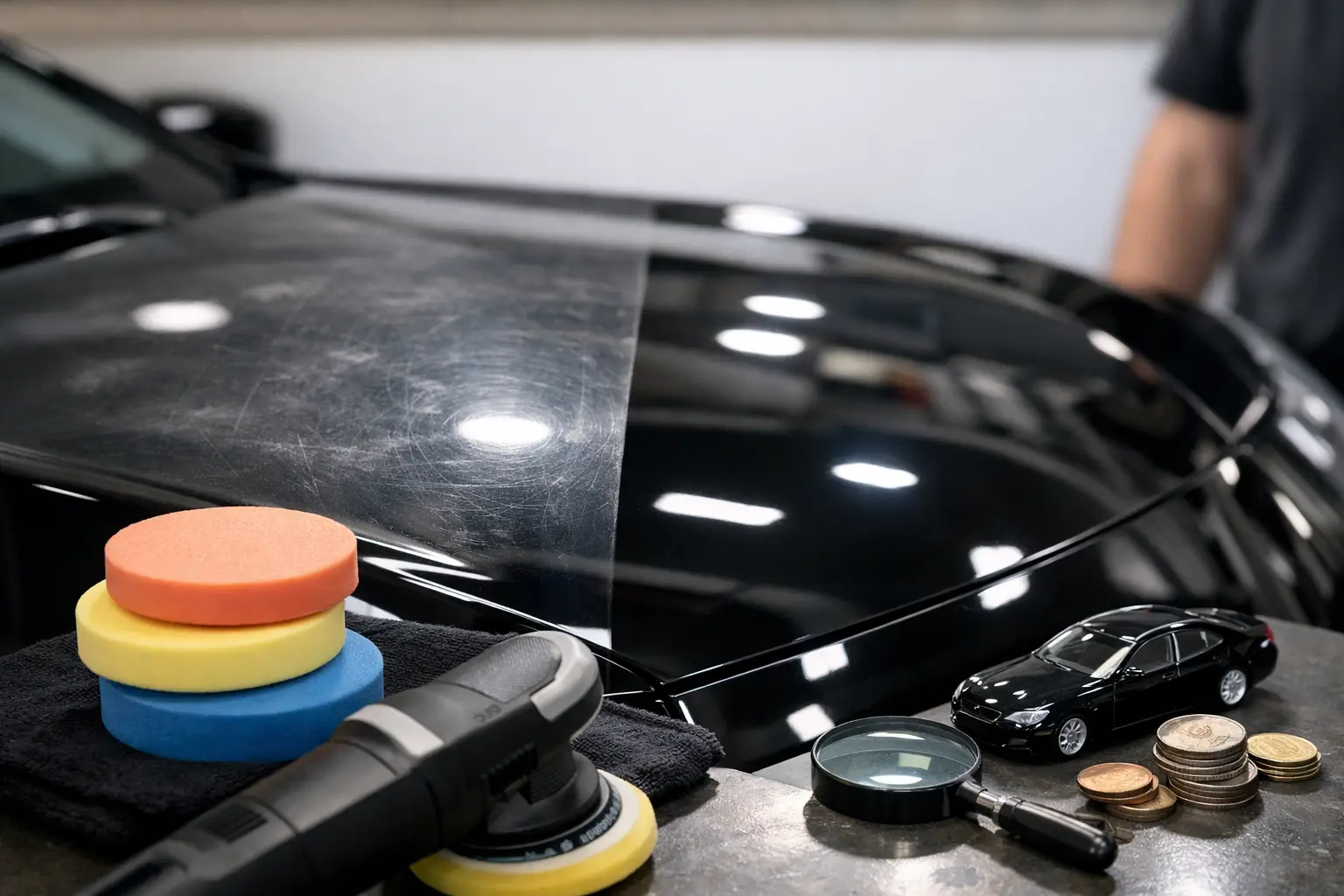
Ceramic coating is a liquid-applied protective layer that bonds to the paint surface. It does not give the same impact resistance as film, but it does improve gloss, increase chemical resistance and make washing easier. Water beads more readily, dirt clings less stubbornly and the finish tends to stay cleaner for longer.
So when comparing paint protection film vs ceramic coating, the short answer is simple. PPF is for impact protection. Ceramic coating is for surface enhancement and easier maintenance.
That sounds straightforward, but the best choice depends on your car, your driving habits and how particular you are about the finish.
When paint protection film makes more sense
If your car spends a lot of time on fast roads, exposed routes or in busy urban traffic, paint protection film is usually the stronger investment. Front bumpers, bonnets, wings, mirror caps and side skirts take constant punishment from grit, debris and careless contact. Once the paint is chipped, no coating can undo that.
PPF is especially valuable on performance cars, new cars and darker finishes where damage is more visible. It is also a smart choice for owners who intend to keep the vehicle long term or want to preserve resale appeal. A clean front end with fewer chips can make a meaningful difference to how a car presents years later.
There is, however, a trade-off. Film costs more than coating, especially if you want full-body coverage. Installation quality also matters enormously. Poorly fitted film can show edges, trapped contamination or lifting corners. This is not a product for shortcuts.
When ceramic coating is the better fit
Ceramic coating suits owners who want a sharper-looking finish and less day-to-day maintenance without stepping into the higher cost of full film coverage. It gives paintwork a richer, cleaner appearance and helps reduce the effort needed to keep the car looking its best.
For daily drivers, executive cars and well-kept family vehicles, ceramic coating often delivers the balance people want. The paint is easier to wash, drying becomes simpler and contamination is less likely to bond aggressively to the surface. That matters in Malta, where strong sun, dust, sea air and road grime can all take a toll.
What ceramic coating does not do is stop stone chips in the way film can. It offers some resistance to light marring and chemical damage, but it is not a sacrificial shield against impact. If a small stone hits hard enough, the coating will not save the panel.
Which looks better on the car?
On appearance alone, ceramic coating usually wins the immediate beauty contest. It enhances gloss, clarity and slickness in a way owners notice straight away. Colours can appear deeper, reflections sharper and the overall finish more refined.
That said, premium paint protection film has improved dramatically. The old idea that film always looks thick or dull is outdated. High-end films can be remarkably clear and visually discreet when installed properly. Some even add a gloss finish of their own.
Still, if your priority is maximum visual enhancement, ceramic coating is generally the more obvious choice. If your priority is preserving the paint against physical damage, film is the more purposeful one.
Durability and maintenance
Both systems are long-term solutions, but they age differently.
PPF is built to take abuse. It can last for years when maintained correctly, and because it absorbs punishment on top of the paint, it protects the original finish underneath. If a section becomes damaged, that panel of film can often be replaced.
Ceramic coating also offers lasting protection, but its strength is in chemical resistance and easier upkeep rather than impact defence. It helps against oxidation, UV exposure, water spotting and staining, provided the car is washed properly and contamination is not left sitting for too long.
Neither option is maintenance-free. That is a common misunderstanding. A protected car still needs careful washing, regular inspections and professional aftercare. Automatic brush washes, harsh chemicals and poor technique can still create problems, even on protected surfaces.
Cost: where the difference really shows
If budget is a major factor, ceramic coating is usually the more accessible starting point. It gives a visible upgrade and practical protection at a lower entry cost than PPF.
Paint protection film is more expensive because the material itself costs more and installation is highly labour-intensive. Every edge, contour and panel shape demands precision. A badly fitted coating can disappoint. A badly fitted film can look unacceptable.
This is why many owners do not treat it as an either-or decision. They choose film where the risk is highest and coating where the visual and maintenance benefits matter most.
Paint protection film vs ceramic coating for different drivers
For a new luxury or performance car, front-end PPF often makes excellent sense. The most exposed panels are protected from chips, while the car keeps a cleaner, newer appearance over time.
For a cherished daily driver that is parked outdoors and used regularly, ceramic coating can be a practical and worthwhile step. It lifts the finish, helps with cleaning and reduces the wear caused by environmental fallout.
For owners who are meticulous about presentation and want the strongest all-round solution, a combination of both is often the premium answer. Film protects vulnerable impact zones, while ceramic coating is applied over the remaining painted areas – and in some cases over the film itself – to improve gloss and maintenance.
Is combining both the best option?
Very often, yes.
This approach gives you the strengths of each system without forcing one product to do a job it was never designed for. The front bumper, bonnet, wings, mirrors and other high-risk areas can be wrapped in PPF. The rest of the vehicle can then be ceramic coated for easier cleaning, improved water behaviour and a more consistently refined finish.
For many owners, this is the smartest long-term strategy. It protects where the damage usually happens and enhances everywhere else.
At GloboWax Malta, this is often the conversation worth having with clients. Not what sounds best in theory, but what best suits the vehicle, the road use and the standard the owner wants to maintain.
How to choose properly
Start with one honest question: what are you most worried about?
If the answer is chips, scuffs and motorway wear, paint protection film deserves serious attention. If the answer is dull paint, constant cleaning and keeping the car looking sharper between washes, ceramic coating is likely the better fit. If the answer is both, then a tailored combination is usually the strongest route.
The condition of the paint also matters. Neither product should be used to hide neglected surfaces. Proper preparation is part of the result. If the paintwork needs correction first, that should be addressed before protection is applied, otherwise you are simply sealing in defects.
The right protection should feel like an investment in the vehicle, not an accessory added in haste. A premium finish deserves a system that matches how the car is used and how carefully you want it preserved.
A well-protected car does more than shine on collection day. It stays sharper through the miles, holds its presence in the light and rewards every owner who still turns back for one last look after parking.