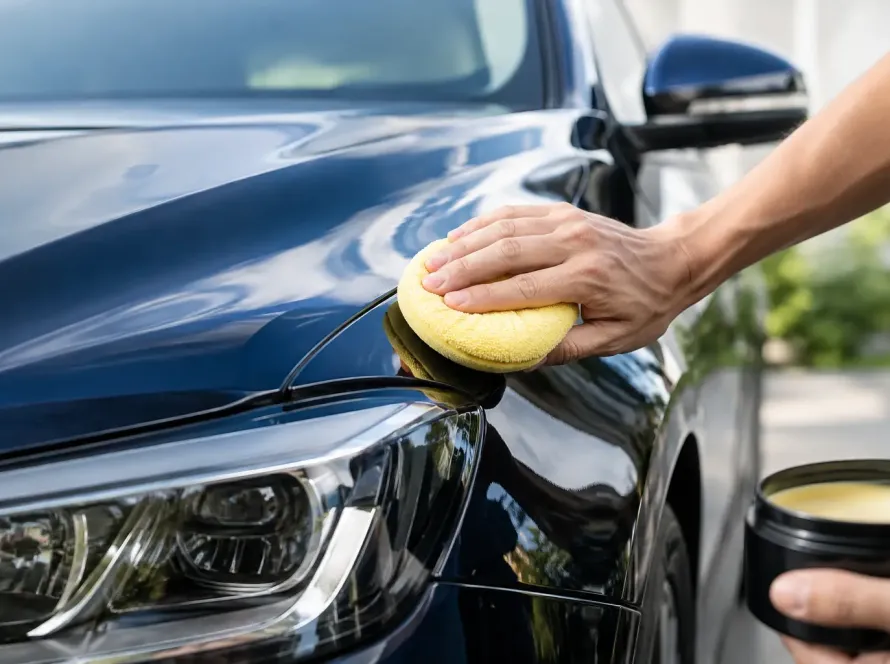
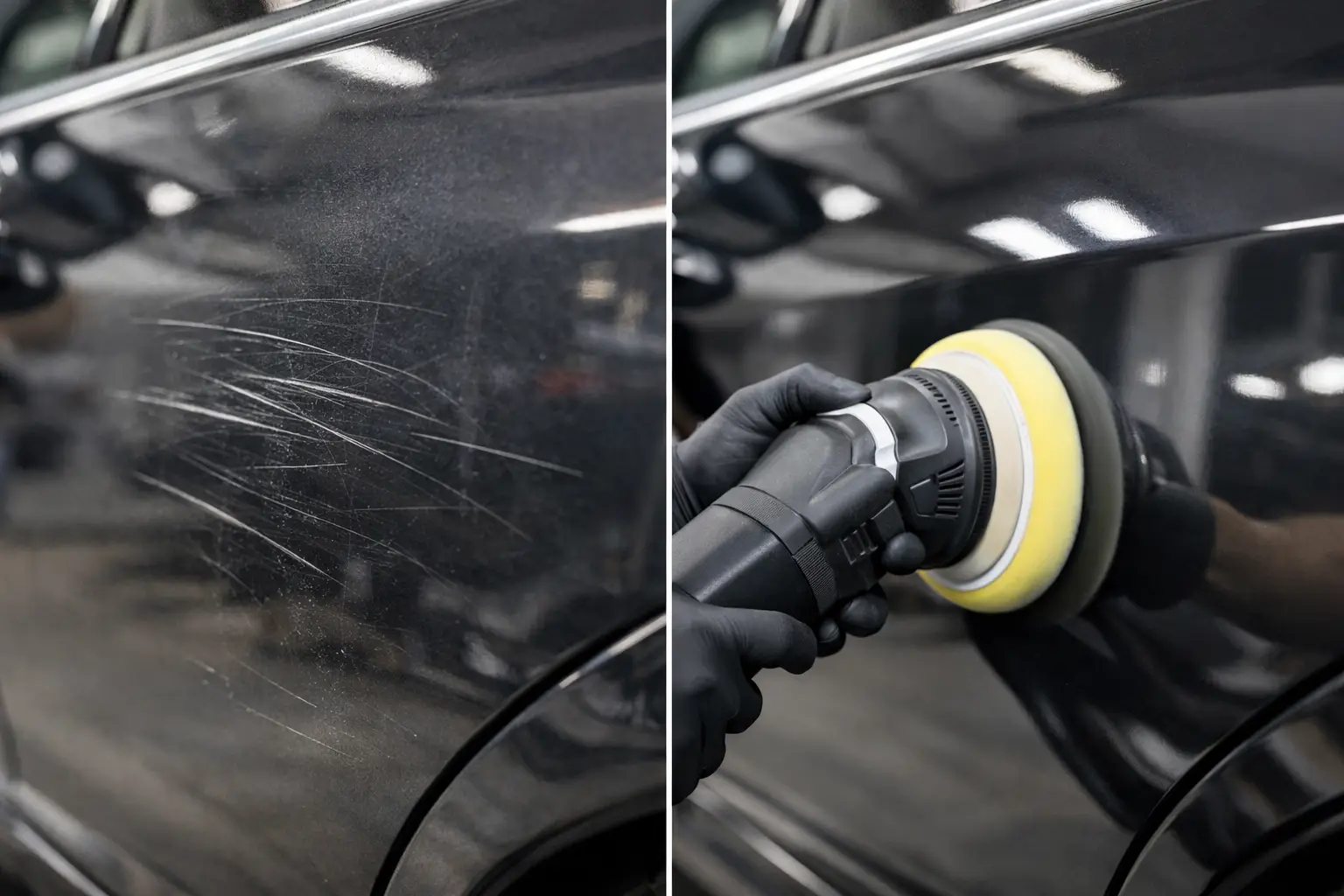
A freshly corrected paint finish can lose its edge far sooner than most owners expect. Fine wash marks, road debris, insect residue and relentless UV exposure all leave their mark. That is why self healing PPF trends deserve attention from anyone serious about preserving a vehicle’s finish, value and showroom presence.
Paint protection film is no longer viewed only as a clear barrier for supercars and track cars. Better film technology, cleaner finishes and more considered installation choices are making it a practical protection upgrade for prestige vehicles, performance cars and well-kept daily drivers alike. The strongest trend is not simply more film. It is smarter film, specified for how the car is driven, stored and maintained.
Self Healing PPF Trends Are Moving Beyond Basic Protection
Self-healing PPF is a clear urethane film designed to protect painted surfaces from stone chips, light scuffs, contamination and minor abrasion. Its defining quality is a top layer that can recover from many light surface marks when exposed to heat, whether from warm sunlight, warm water or controlled heat application.
That does not mean every scratch disappears. A deep impact through the film, a sharp gouge or damage to the paint beneath it still requires professional assessment. But for the fine marks that gradually dull an unprotected bonnet, door edge or bumper, modern film can make a meaningful difference to how a vehicle looks over time.
The current direction of the market is clear: owners expect protection to be almost invisible. They do not want a thick-looking layer, obvious edges or a finish that compromises paint clarity. Premium films are improving in gloss, optical clarity and stain resistance, allowing protection to support the original appearance rather than alter it.
Faster Healing Meets Better Everyday Appearance
Earlier generations of paint protection film proved the concept, but some could show noticeable texture, retain stains or take longer to recover after light scratching. Newer premium films are being developed around daily usability as much as impact protection.
High-gloss clarity remains the priority
Gloss PPF is becoming more refined because owners want the depth of properly polished paint to remain visible. On darker colours especially, the difference between an average film and a premium installation can be dramatic. Clear film should enhance the visual confidence of the panel, not create a hazy or orange-peel appearance.
This is also why paint correction should be considered before installation. PPF protects the condition beneath it. It does not erase existing swirls, scratches, water-spot etching or poor previous repairs. Preparing the paint correctly gives the film the clean foundation it deserves.
Hydrophobic top coats are becoming more capable
Another key development is stronger resistance to water marks, road grime and staining. Many current self-healing films feature hydrophobic top coats that help water bead and contamination release more easily during a careful wash.
This is particularly relevant in Malta, where sun, dust, coastal air and hard-water deposits can test every exterior surface. Hydrophobic behaviour does not make a car maintenance-free, and it should never be used as an excuse to neglect safe washing. It does, however, make regular care more efficient and help the finish stay sharper between detailing appointments.
Film is becoming more tailored to each vehicle
The full-front installation remains one of the most sensible protection packages. It focuses on the bumper, bonnet, wings, mirrors and headlights – the areas that face the greatest risk from road debris. For many owners, this offers the right balance of coverage, cost and real-world benefit.
Full-body PPF is also increasingly popular for vehicles with delicate paint, high replacement-panel costs, satin finishes or long-term collector value. It gives the entire vehicle a consistent protective layer, including vulnerable lower doors, rear arches and boot loading areas.
There is no single correct answer. A regularly driven executive saloon may benefit most from front-end protection and carefully chosen high-impact zones. A new performance car or a vehicle with a bespoke paint finish may justify full coverage. The best specification begins with an honest look at how and where the car is used.
Matte and Coloured PPF Are Changing the Conversation
Protection is no longer limited to preserving factory gloss. Satin and matte paint protection films allow owners to transform the visual character of a car while retaining the benefits of a protective surface. A gloss-painted vehicle can take on a refined satin appearance without a permanent respray, while factory matte paint can be protected with a film designed to retain its intended sheen.
This is a significant shift because it joins styling and preservation in one treatment. It is particularly appealing when owners want a more individual finish but do not want to sacrifice the originality of the underlying paintwork.
Coloured PPF is another emerging option, though it needs realistic expectations. It can offer a strong visual change and surface protection at the same time, but colour choice, panel preparation, edge finishing and future repair planning all matter. It is a premium installation, not a shortcut. A poorly prepared or poorly fitted coloured film will show its weaknesses far more clearly than a simple cosmetic wrap.
Coverage Quality Matters More Than Film Thickness
It is easy to focus on micron figures, brand claims and product labels. These details matter, but they are only part of the result. Film performance depends heavily on preparation, fitting precision and aftercare.
A professional installation involves thorough decontamination, paint inspection and, where required, correction before the film touches the panel. Patterns must be positioned accurately, edges finished carefully and complex areas managed without unnecessary tension. On a premium vehicle, details around badges, sensors, vents, curves and panel gaps can separate a tidy result from a truly exceptional one.
The temptation to choose the cheapest quote is understandable, especially when films can look similar in photographs. Yet the real cost of a poor installation is often paid later through visible edges, lifting, trapped contamination or disappointing clarity. Quality film needs quality workmanship to deliver its intended protection.
Protection Packages Are Becoming More Strategic
Owners are increasingly moving away from one-size-fits-all packages. Instead, they are protecting the areas that reflect their driving habits and ownership priorities.
For example, a motorway commuter may prioritise the front bumper, bonnet and mirrors. A family SUV may also need door cups, door edges, the boot sill and rear loading areas. A low-slung sports car may benefit from extended lower-side protection, rocker panels and rear arch coverage where tyres throw debris against the paint.
This approach makes the investment more purposeful. Rather than applying film simply because it is available, the vehicle receives protection where it earns its place. It also allows owners to combine PPF with other professional treatments. PPF protects against physical wear, while a suitable ceramic coating can support easier cleaning on exposed painted surfaces, wheels or glass. They perform different jobs and can work well together when selected properly.
The Maintenance Trend: Protect the Film, Not Just the Paint
Self-healing PPF is durable, but it still benefits from correct care. Aggressive brushes, harsh chemicals and dirty wash mitts can reduce the appearance and lifespan of any protective finish. The goal is to keep contamination from building up while avoiding needless abrasion.
Use a pH-neutral wash process, quality wash media and clean drying towels. Bird droppings, insect remains and tree sap should be removed promptly, particularly in hot weather. Avoid directing a high-pressure lance too closely at film edges, and allow a newly installed film the curing time recommended by the installer before washing it.
Small marks should not cause immediate concern. Let the film respond naturally to warmth first. If a mark remains visible, a detailing specialist can inspect whether it is limited to the top layer, within the film, or has reached the paint beneath. Acting early is always better than allowing damage or lifting edges to worsen.
Choose PPF for the Way You Own Your Car
The most valuable self healing PPF trend is a change in mindset. Vehicle protection is becoming less about adding another product and more about preserving a standard. When paintwork is corrected, protected and maintained properly, the car continues to look considered long after collection day.
At GloboWax Malta, protection is approached with the same precision as paint correction: assess the surface, understand the owner’s expectations and deliver a finish that looks right in every light. The right film package should feel like part of the vehicle, quietly defending the finish while its colour, gloss and character remain centre stage.
A car does not need to be rare to deserve lasting protection. It simply needs an owner who wants every drive, every wash and every future viewing to reflect the care invested from the beginning.