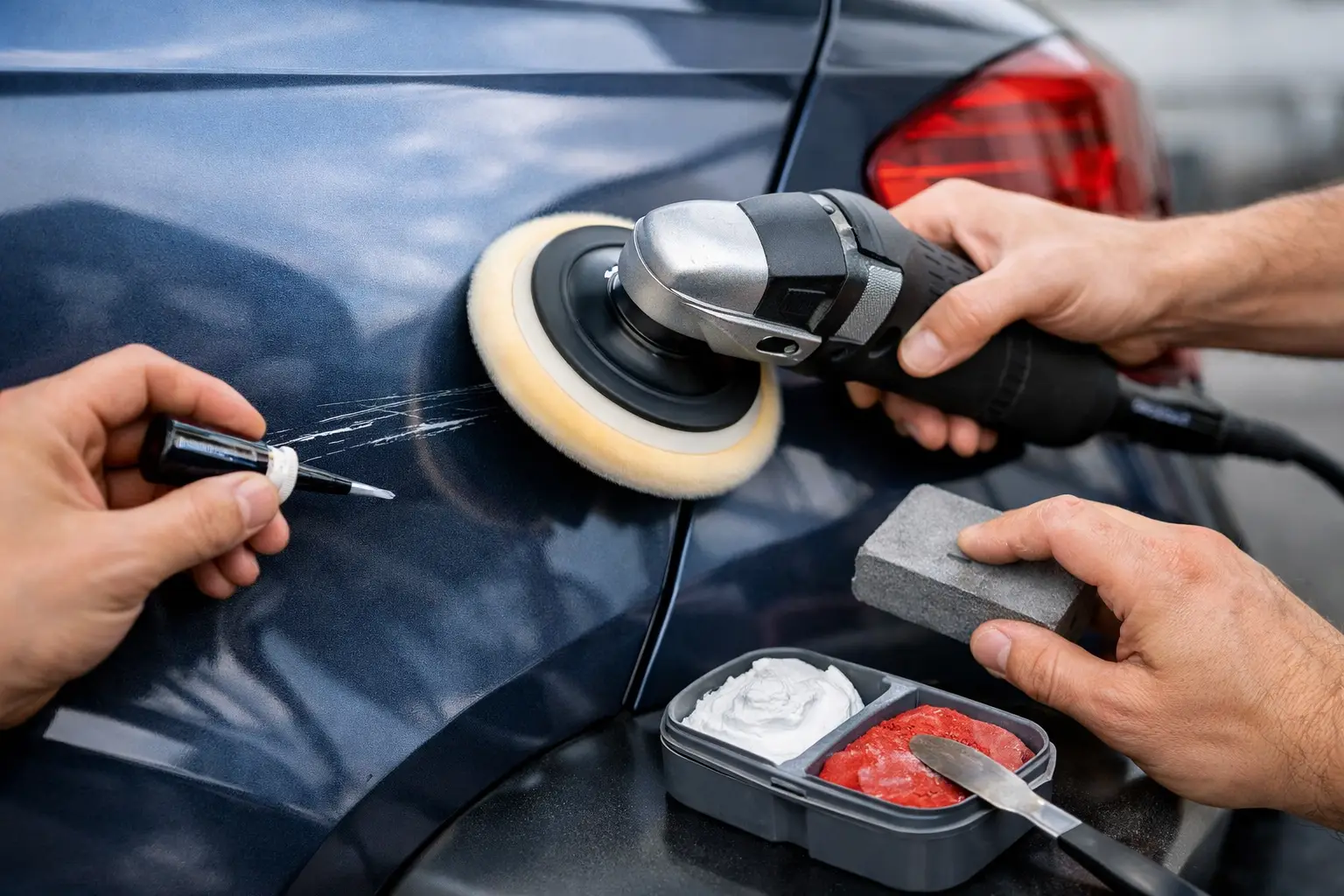
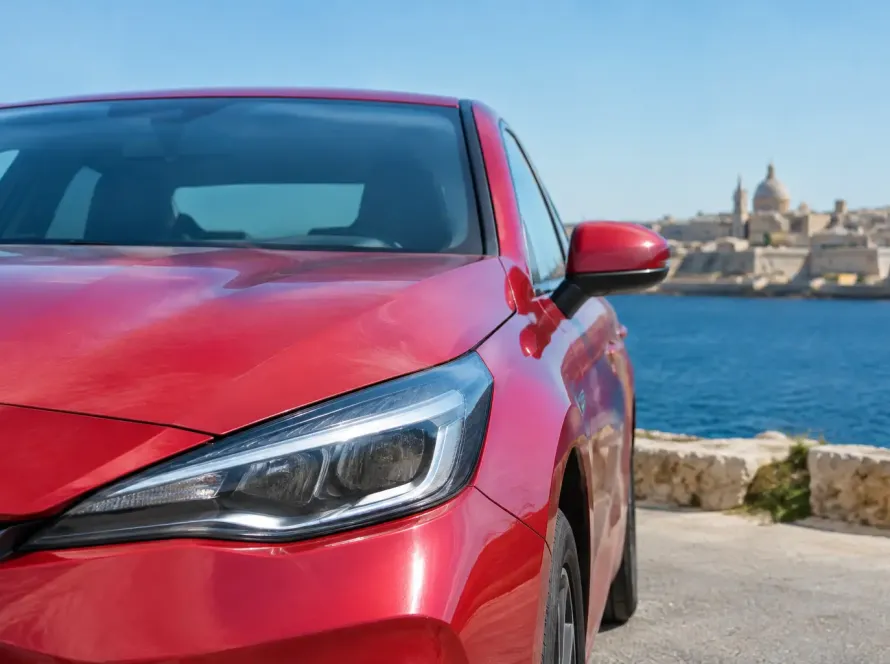
The first stone chip usually arrives sooner than expected. One motorway run, one badly timed lorry, one stretch of loose grit, and a freshly detailed bonnet no longer looks quite so flawless. That is exactly why a guide to paint protection film matters – not as a trend, but as a serious solution for owners who want their vehicle to keep its finish, value and presence.
Paint protection film, often shortened to PPF, is a transparent urethane film applied over painted panels to shield them from everyday damage. Think of it as a sacrificial layer engineered to absorb the kind of wear that would otherwise mark the lacquer itself. On modern vehicles, especially those with soft paint, dark finishes or exposed front-end surfaces, that extra layer can make a very visible difference over time.
What paint protection film actually does
PPF is designed to protect against stone chips, light scuffs, road debris, bug splatter, tar, bird droppings and UV exposure. It does not make a car invincible, and that distinction matters. A film can reduce damage dramatically, but it cannot defeat every impact, every scrape or poor washing habits carried out repeatedly.
The real strength of PPF is preservation. It helps maintain the original paint beneath, which means the vehicle keeps a sharper finish for longer and usually requires less corrective polishing down the line. For owners who take pride in presentation, that means fewer compromises. For owners thinking ahead to resale, it means a better chance of presenting cleaner, less weathered paintwork when the time comes.
Many premium films also include self-healing properties. That means light surface marks in the top layer can soften and fade with heat, whether from warm weather, hot water or the sun. It is not magic, and it will not erase deep scratches, but it does help the film stay clearer and neater during normal use.
A guide to paint protection film coverage options
Not every car needs full-body coverage, and not every owner uses their vehicle the same way. This is where a proper guide to paint protection film should be practical rather than one-size-fits-all.
Front-end protection is the most common choice. That usually covers the bumper, bonnet, front wings and mirror caps – the areas that take the worst of motorway debris and road rash. For many daily drivers, this offers the best balance between cost and protection.
Partial front-end coverage is a lower-cost option, though it comes with a visible edge line across panels and less complete shielding. On premium or darker vehicles, those cut lines can be more noticeable, which is why many owners prefer full panel coverage where possible.
Track cars, performance vehicles and prestige cars often benefit from extended or full-body PPF. Wider arches, lower ride heights and more aggressive use expose more paint to damage. In those cases, full coverage is not indulgent – it is sensible protection for a finish that would be expensive and difficult to replicate perfectly if damaged.
Who should consider PPF
If you drive regularly on motorways, live in an area with loose surface roads, park outdoors or own a vehicle with delicate paint, PPF deserves serious consideration. It is especially worthwhile on new cars, where the finish can be protected before chips and swirls start to accumulate.
It also suits owners who are particular about standards. If even small marks on the leading edge of the bonnet bother you, film offers peace of mind that waxing alone cannot provide. Ceramic coating helps with gloss and cleaning, but it is not built to absorb impact in the way PPF is.
On the other hand, if the vehicle is older, already heavily chipped or due for repainting in the near future, the value equation changes. Film works best when applied to paint in excellent condition. Where defects already exist, paint correction may be needed first, and that adds to the investment.
PPF vs ceramic coating
This is one of the most common areas of confusion. Both are protective treatments, but they do different jobs.
PPF is physical protection. It sits over the paint and defends against impact, abrasion and environmental fallout. Ceramic coating is a liquid-applied protective layer that bonds to the surface and improves gloss, slickness and chemical resistance. It makes washing easier and helps dirt release more readily, but it does not stop stone chips.
For many owners, the best result comes from combining the two. The film protects vulnerable areas from physical damage, and a ceramic coating applied over the film can improve hydrophobic performance and make maintenance easier. It is a premium approach, but for a high-value vehicle or cherished daily driver, it delivers very strong long-term results.
What affects the cost
PPF is not a budget service, and it should not be chosen on price alone. Film quality, pattern accuracy, panel preparation, edge wrapping and installation skill all influence both the finish and the lifespan.
The cheapest quote often leaves something out. That might be limited panel coverage, visible cut lines, poor surface preparation or lower-grade film with less clarity and weaker self-healing performance. On a premium car, those shortcuts tend to stand out quickly.
A proper installation takes time. Panels need to be cleaned and decontaminated thoroughly. Any correction work should be completed before the film goes on, because whatever sits beneath it remains visible. The film then needs to be laid with precision so it sits cleanly around curves, edges and complex shapes. This is craftsmanship, not a quick add-on service.
What a quality installation should look like
A well-installed film should be difficult to notice at a glance. The finish should remain clear and glossy, without trapped contamination, lifting edges or silvering. On many panels, wrapped edges help reduce visible lines and improve the overall look.
You should also expect honest guidance. Some vehicles benefit from custom bulk installation, while others suit pre-cut patterns. Neither approach is automatically superior in every case. It depends on the car, the coverage area and the installer’s method. What matters is the final result – precise fitment, minimal visual disruption and dependable long-term adhesion.
Experienced specialists will also explain what film can and cannot do. That level of clarity is often a good sign. Premium care is not about overpromising. It is about protecting the vehicle properly and setting the right expectations from the start.
How to care for paint protection film
PPF is low maintenance, but it is not no maintenance. Safe washing still matters. Harsh brushes, dirty mitts and careless drying can mark the top surface, even on self-healing film. A careful hand wash routine will always help preserve clarity and finish.
It is also wise to remove bird droppings, bug remains and tree sap promptly. Film offers a barrier, but leaving corrosive contamination in place for too long is never ideal. Gentle cleaning products and proper technique will keep both the film and the underlying paint in better condition.
If the car has ceramic coating over the film, cleaning becomes easier again, but the same rule applies – maintenance preserves performance. Protection works best when it is looked after.
Common misconceptions
One misconception is that PPF will make a neglected car look perfect. It will not. Film protects; it does not hide poor paint condition. Another is that every film yellows badly over time. Older products earned that reputation, but modern premium films are far better in terms of clarity and UV stability.
There is also the belief that film ruins appearance. Poor installation can, but quality film on a properly prepared vehicle should preserve the look of the paint rather than distract from it. In fact, many owners forget it is there until they compare a protected panel with one that has taken years of road wear unshielded.
Is it worth it?
For the right owner, absolutely. If you care about presentation, want to reduce avoidable paint damage and prefer prevention over correction, PPF is one of the smartest upgrades you can make. It protects the parts of the car that weather first and helps preserve the finish that gives the vehicle its visual impact.
That said, it is not mandatory for everyone. Some drivers are happy to accept a few chips as part of normal use. Others would rather put the budget towards paint correction, ceramic coating or regular detailing. The right choice depends on how you use the car, how long you plan to keep it and how strongly you value an immaculate finish.
At GloboWax Malta, that conversation starts with the vehicle in front of us, not a stock answer. The best protection plan is the one that suits your car, your standards and the roads you actually drive. If you treat your vehicle as more than transport, paint protection film is not about being precious – it is about being precise with what you preserve.