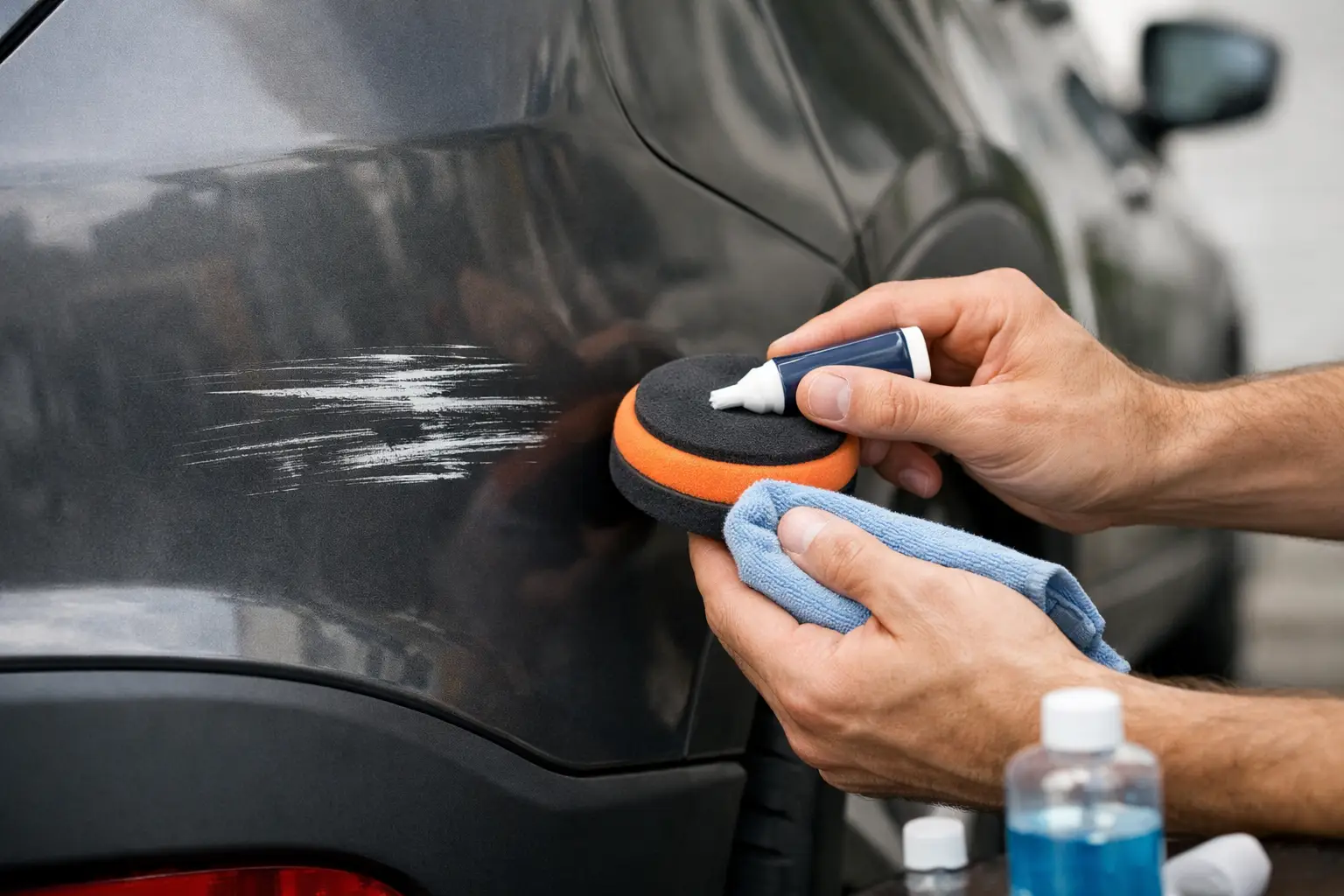
A freshly polished car can look exceptional for a day, then lose its edge after a few commutes, a layer of road dust and intense Mediterranean sun. Paint sealant for cars is designed to slow that decline. It gives cleaned and corrected paintwork a durable protective layer that enhances gloss while helping defend it from the everyday exposure that gradually dulls a vehicle’s finish.
For owners who value a crisp, well-kept appearance, sealant is not simply an extra step after washing. Applied properly, it is a practical way to preserve the effort invested in polishing and paint correction – and to make routine maintenance considerably easier.
What Is Paint Sealant for Cars?
Paint sealant is a synthetic paint protection product. Once applied to properly prepared clear coat, it bonds to the surface and creates a smooth, protective barrier. This barrier improves water behaviour, adds shine and reduces how firmly dirt, traffic film and contaminants can cling to the paint.
Unlike a traditional carnauba wax, which is prized for a warm, rich finish but generally has a shorter lifespan, a quality sealant is formulated for stronger durability. Depending on the product, the condition of the vehicle and how it is maintained, protection may last for several months.
That does not mean sealant makes paint invincible. It will not prevent stone chips, eliminate scratches from poor washing or replace the physical impact protection of paint protection film. Its value lies in shielding the clear coat from the gradual wear caused by UV exposure, pollution, bird droppings, tree sap, rainwater residue and road grime.
Why Malta’s Conditions Make Protection Matter
A car parked outside in Malta works harder than one kept in a covered garage. Strong sunshine, airborne dust, sea salt and heat all put pressure on exterior surfaces. UV exposure can oxidise and fade neglected paint over time, while salt-laden air and contaminants can undermine the clarity of the finish.
Dark colours often reveal the problem first. Black, deep blue and charcoal paint may show dust, water spotting and fine wash marring quickly, but lighter vehicles are not exempt. A white car can lose brightness and develop a flat, tired appearance when contamination is allowed to build up.
A sealant provides a sacrificial layer between the environment and the paintwork. Water beads or sheets away more effectively, washes are less labour-intensive and contaminants are less likely to bond immediately. The benefit is not just a sharper shine on collection day. It is giving the finish a better chance of retaining that clarity between appointments.
The Difference Between Sealant, Wax and Ceramic Coating
These terms are often used interchangeably, but they serve different needs.
Wax is usually chosen for its visual character. It can give paint a deep, warm gloss, particularly on solid colours and classic vehicles. However, it typically requires more frequent reapplication and may be less suited to an owner seeking extended protection with minimal upkeep.
Paint sealant offers a cleaner, highly reflective look and longer durability than most waxes. It is an excellent fit for daily-driven cars, leased vehicles and owners who want reliable protection without committing to a more permanent treatment.
Ceramic coating is a more advanced option. A professionally installed coating is designed to bond strongly with the paint and provide significantly longer-lasting chemical resistance, gloss retention and ease of maintenance. It demands thorough preparation because it locks in the surface beneath it. Applying ceramic protection over swirls, staining or poor previous work only preserves those defects.
The right choice depends on the car, its condition, where it is kept and how you use it. A well-maintained weekend car may suit regular wax or sealant application. A new daily driver exposed to outdoor parking may justify ceramic coating. Paint protection film is the stronger choice for vulnerable areas where physical impact from stone chips is the main concern.
Preparation Determines the Result
The performance of a paint sealant is closely linked to what happens before it is applied. Sealant cannot conceal significant scratches, oxidation or etched water spots. On poorly prepared paint, it may make imperfections appear more noticeable by adding gloss and reflection.
Professional preparation starts with a careful wash and chemical decontamination to remove bonded fallout, tar and embedded contaminants. Depending on the vehicle, a clay treatment may be used to leave the surface smooth. Paint is then assessed under suitable lighting to identify swirl marks, light scratches and haze.
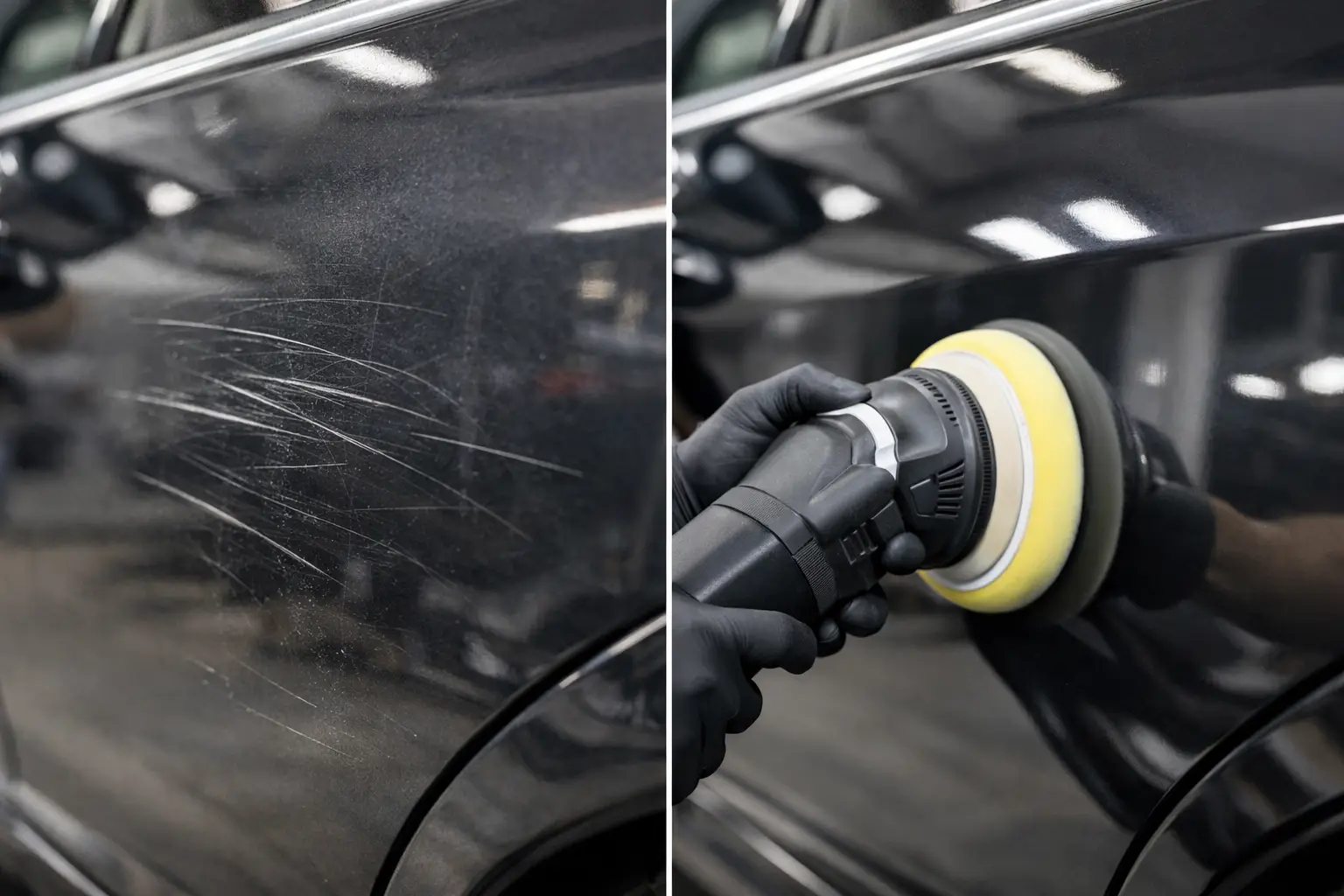
If correction is needed, machine polishing refines the clear coat and restores depth before protection is applied. This is where a detailing service differs from a quick wash-and-wax package. The goal is not to coat over a tired surface. It is to create the cleanest, clearest foundation possible, then protect it.
Why application technique matters
Sealant should be applied evenly to cool, clean paint and allowed to cure according to the product’s requirements. Too much product, poor removal or application in unsuitable conditions can leave smears, high spots or inconsistent protection.
Professional application also ensures that paintwork is treated methodically, including the often-overlooked areas around badges, mirrors, lower doors and tight body lines. A premium finish comes from precision, not from rushing through the final protective step.
What Paint Sealant Can and Cannot Do
A realistic expectation is essential. Paint sealant can improve gloss, reduce surface friction and make washing easier. It can help limit the effect of contaminants when they are removed promptly, and it supports better long-term paint presentation.
It cannot repair deep scratches, stop a careless car park door strike or make incorrect washing safe. Automatic brush washes, abrasive sponges and dirty wash mitts can still introduce swirl marks over protected paint. Sealant is protection, not permission to neglect proper care.
Nor should bird droppings, tree sap or fuel spills be left on the bodywork because a sealant has been applied. These should be removed as soon as possible with suitable products and gentle technique. The longer a contaminant remains, especially in heat, the greater the risk of etching or staining.
How to Maintain a Sealed Vehicle
The best maintenance routine is consistent rather than complicated. Wash the vehicle using pH-neutral shampoo, clean microfibre wash media and the two-bucket method, or arrange professional maintenance washing. Avoid strong traffic-film removers unless they are genuinely needed, as frequent use can reduce the lifespan of any protective layer.
Drying matters as much as washing. A quality microfibre drying towel and gentle technique help prevent water spots and minimise contact marks. If the car is frequently exposed to dust or sea air, regular safe washing is better than allowing grime to accumulate for weeks.
Sealant performance can be checked by observing water behaviour after washing. When beading or sheeting becomes weak and the paint no longer feels slick, it may be time for a maintenance treatment. This is not an exact science: water behaviour is useful, but it is only one indicator of remaining protection.
For many owners, a professional inspection every few months is the simplest approach. It allows the finish to be assessed, contaminants to be removed correctly and protection to be refreshed before the paint loses its advantage.
When a Professional Treatment Is the Better Investment
A bottle of sealant can be bought easily. Achieving an even, durable result on real-world paint is different. Vehicles with swirl marks, faded panels, previous coating residue or heavy contamination benefit from professional assessment before any protective product is selected.
This is particularly true for premium, performance and newer vehicles where paint condition affects both pride of ownership and resale appeal. A specialist can determine whether a light enhancement polish, more involved paint correction, sealant or ceramic coating offers the most sensible return.
At GloboWax Malta, protection is approached as part of the vehicle’s overall condition, not as a one-size-fits-all add-on. The aim is a finish that looks remarkable under sunlight, cleans more easily and stays closer to showroom standard for longer.
A well-applied sealant will not replace careful ownership, but it makes that care more rewarding. Give the paintwork a properly prepared surface, protect it with the right treatment and maintain it with intention – the difference remains visible long after the first shine.