A clean car can still look tired. Under Malta’s bright sun, fine swirl marks, wash marring, oxidation and light scratches become far more visible, muting the depth and clarity your paintwork once had. Machine polishing for cars is the precision process that corrects those defects, bringing back a sharp, reflective finish that a standard wash, wax or quick valet simply cannot achieve.
It is not about making paint look artificially glossy for a day. Done properly, machine polishing refines the paint surface itself. The result is richer colour, cleaner reflections and a finish that is ready for meaningful protection.
What machine polishing for cars actually does
Vehicle paint is protected by a clear coat, the transparent upper layer that creates gloss and shields the colour beneath. Over time, this layer collects microscopic imperfections. Improper washing, automatic car washes, dusty wiping, road contamination and everyday use can all leave their mark.
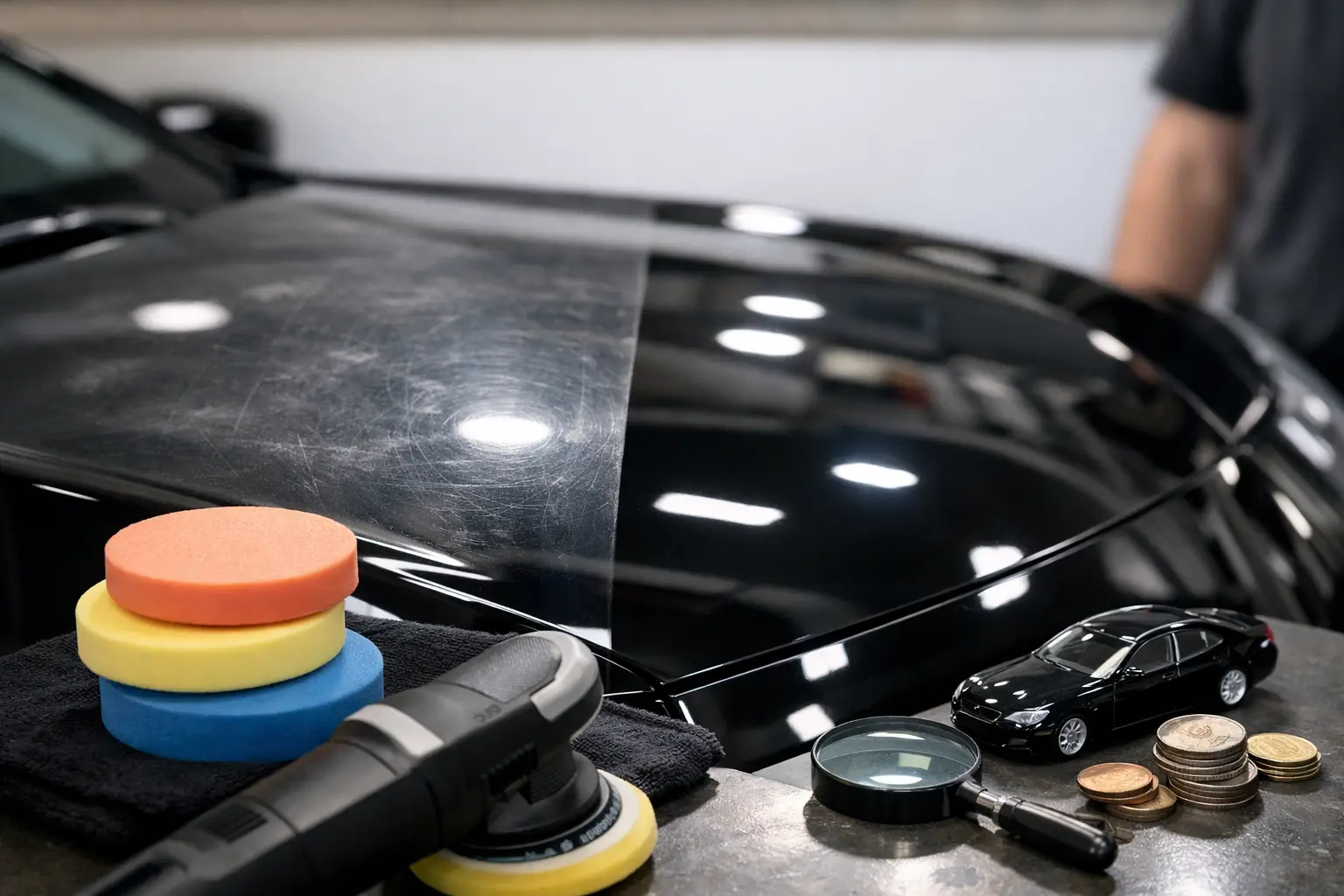
A professional machine polisher uses controlled movement, suitable polishing pads and carefully selected compounds to level the edges of these defects. Rather than hiding swirls beneath oily fillers, the process reduces their appearance by refining the clear coat around them. This is why a properly polished vehicle looks dramatically different in direct sunlight as well as under workshop lighting.
The improvement can be substantial. Dull paint regains depth, metallic finishes appear more vivid and darker colours reflect with greater clarity. Even well-kept daily drivers can benefit, particularly when the paint has lost its crispness without the owner quite knowing why.
There is, however, a vital distinction between correction and concealment. A glaze may create temporary shine, but it does not correct the surface. Professional polishing focuses on lasting visual improvement, balanced with a responsible approach to preserving as much clear coat as possible.
Not every mark should be polished away
Machine polishing is highly effective, but it is not magic and it should never be treated as an aggressive one-size-fits-all service. Every vehicle has a different paint condition, paint type and history. A newer car may need a light refinement polish, while an older vehicle with neglected paint may require a more involved correction process.
Light swirls, haze, oxidation, water-spot etching and superficial scratches can often be improved considerably. Deeper scratches that catch a fingernail may extend beyond the clear coat and into the colour layer or primer. In those cases, polishing may soften the appearance, but full removal can require touch-up work or paint repair.
The same principle applies to stone chips, severe bird-dropping etching and damaged lacquer. A responsible detailer will set clear expectations before work begins rather than promising perfection where the paint cannot safely deliver it.
Paint thickness also matters. Polishing removes a very small amount of clear coat, which is why experience, paint assessment and the right combination of machine, pad and polish are essential. Chasing every single imperfection can be the wrong decision for a vehicle that needs to retain healthy paint for years ahead. The best result is not always 100 per cent correction. It is the finest safe finish for the condition and purpose of the car.
The process behind a showroom-level finish
The machine itself is only one part of the result. Precision begins well before the polishing stage. Paintwork must first be thoroughly cleaned and decontaminated, as bonded fallout, tar and embedded particles can interfere with correction and cause fresh marring.
After a careful wash, the vehicle is assessed under proper lighting. This reveals defects that sunlight may hide on one panel and expose on another. Test sections are then carried out to identify the least aggressive method capable of producing the required finish. This measured approach protects the vehicle while ensuring a visible transformation.
A typical professional service involves several focused stages:
- Safe washing and chemical decontamination to remove dirt, traffic film, tar and fallout.
- Paint inspection to identify swirls, scratches, dullness, staining and previous repair work.
- Targeted correction using a suitable pad and polish combination.
- Fine refinement to maximise gloss and reduce haze from the correction stage.
- Panel preparation and application of an appropriate protective treatment.
Each stage affects the next. Skipping preparation can compromise the polishing result, while skipping protection leaves newly refined paint exposed to the same environmental pressures that caused the damage in the first place.
Why protection should follow paint correction
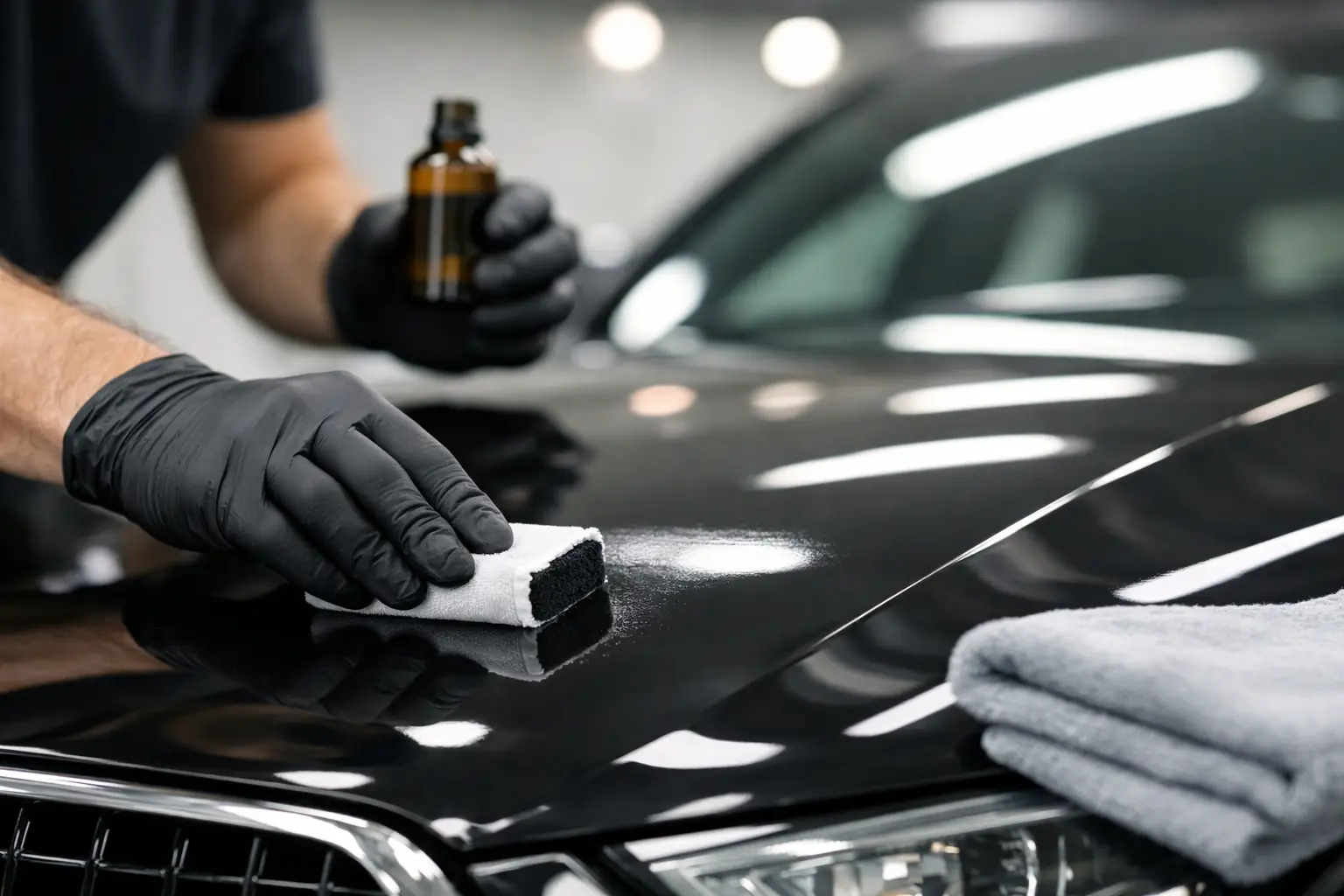
Polishing restores the visual standard of the paint. Protection helps preserve it. Once the surface is refined, it should be protected with a high-quality wax, sealant or ceramic coating selected around how the vehicle is used and maintained.
Wax offers warm gloss and can suit owners who enjoy regular detailing. Modern sealants provide durable protection with strong water behaviour and ease of maintenance. Ceramic coatings offer a longer-term solution, adding chemical resistance, enhanced gloss and easier cleaning when properly applied and maintained.
No protective treatment makes a car invincible. Ceramic coating is not a force field against deep scratches, careless washing or impact damage. It does, however, create a sacrificial protective layer that helps reduce the effect of UV exposure, road grime, bird droppings and water spotting. For vehicles exposed to Malta’s sun, coastal air and demanding road conditions, this additional defence can make a meaningful difference.
The right choice depends on the vehicle, the owner’s expectations and how it will be cared for afterwards. A cherished weekend car may justify a more comprehensive correction and coating package. A daily driver may benefit most from a practical enhancement polish and durable protection that keeps it looking consistently well maintained.
How long does machine polishing last?
The corrected finish itself lasts until new defects are introduced. In practical terms, that means aftercare is decisive. Poor washing habits can quickly bring back swirl marks, while careful maintenance can preserve the finish for years.
Avoid automated brush washes wherever possible. Their brushes can hold grit from previous vehicles and drag it across the paint. At home, use clean wash media, a pH-neutral shampoo and a gentle drying towel. Never wipe dust from dry paint, however tempting it may be. A quick dry wipe is one of the fastest ways to create visible marring on darker paintwork.
Regular maintenance washes also prevent contaminants from sitting on the surface for too long. Bird droppings, tree sap and insect residue should be removed promptly, particularly in warm weather. Protection makes this easier, but prompt care remains the best defence.
When is the right time to book polishing?
If the paint looks flat in sunlight, if circular marks appear under streetlights, or if a freshly washed car still lacks clarity, it is worth arranging a professional assessment. Polishing is also an excellent preparation step before ceramic coating, paint protection film or a sale, where a well-presented exterior can strengthen a vehicle’s appeal and perceived value.
It is equally valuable after purchasing a used car. Previous owners may have relied on quick washes and temporary shine products, leaving hidden defects beneath the surface. Correcting and protecting the paint gives you a clean starting point and a maintenance plan built around your own standards.
At GloboWax Malta, machine polishing is approached as a craft, not a quick shine service. The focus is on measured correction, exceptional gloss and durable protection suited to the car in front of us.
Your paintwork faces the road, the weather and the sun every day. Giving it the right correction and protection is a practical way to ensure that every return to the driver’s seat feels as rewarding as the first.