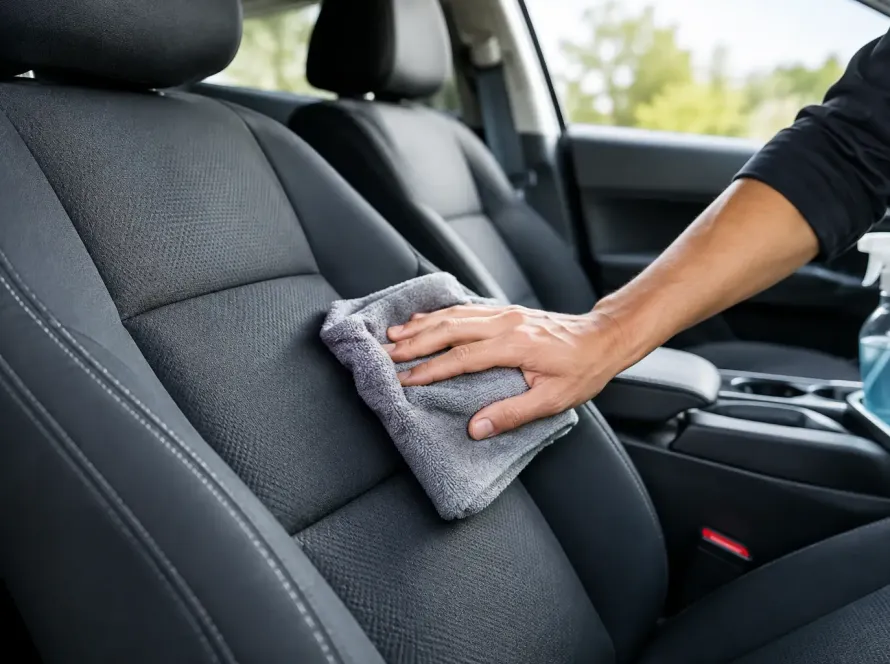
A clean cabin changes more than the way a car looks. It changes how it feels to drive, how confidently you welcome passengers and how well the materials stand up to years of use. This complete guide to car interior detailing explains what separates a quick valet from the precise cleaning and protection your vehicle deserves.
Interior detailing is not simply about removing visible dust. It is a methodical process that treats every material according to its condition: leather, fabric, Alcantara, plastics, carpets, glass and the hard-to-reach areas where dirt quietly builds up. Done properly, it restores a refined finish while helping protect the value of the vehicle.
What car interior detailing should achieve
A standard clean may leave the cabin looking presentable. Professional interior detailing aims higher. The goal is to remove embedded contamination, improve the appearance and hygiene of every surface, eliminate unwanted odours where possible and apply suitable protection without leaving greasy residues or artificial shine.
That distinction matters. Harsh cleaners can dry leather, stain delicate headliners or leave dashboard trim slippery. Excessive water can create moisture problems in seats and carpets. A specialist approach balances cleaning strength with material safety, using controlled techniques that respect the vehicle’s original finish.
For a daily driver, detailing can reverse the gradual wear caused by commuting, children, pets, food and Malta’s dusty, sun-filled conditions. For a prestige or performance vehicle, it helps preserve the carefully selected materials that make the cabin feel special. In either case, a properly maintained interior supports stronger resale appeal when it is time to sell or part-exchange.
Start with an honest assessment
Before any product reaches a surface, assess the interior in natural light. Look beyond the obvious crumbs and marks. Check the driver’s seat bolsters, steering wheel, gear selector, door pulls, centre console, footwells, seat rails and the gap between the seats and centre tunnel. These are high-contact areas, and they often reveal the true condition of the cabin.
Consider the material as well as the stain. Leather needs a different process from cloth upholstery. Alcantara and suede-like finishes require particularly gentle treatment to avoid flattening or marking the fibres. Piano-black trim scratches easily, while matte plastics can develop uneven patches if dressed with the wrong product.
Odours also deserve investigation rather than concealment. A fragrance may temporarily cover smoke, pet or food smells, but it will not resolve the source. Spills beneath a seat, damp carpet backing, a neglected cabin filter or contamination in the luggage area may all need attention. The right treatment depends on the cause, not the strength of the perfume.
The complete guide to car interior detailing process
1. Remove dry debris before wet cleaning
The first stage is thorough vacuuming. Floor mats are removed, beaten or vacuumed separately, while carpets, seats, crevices, vents and luggage areas are carefully addressed with appropriate attachments and brushes. This is more significant than it sounds: turning dry dirt into muddy residue with cleaner makes later stages less effective.
Seat rails, pedal surrounds and the spaces beneath the front seats require patience. A detailer also checks storage compartments, cup holders and door pockets, where sticky residue and discarded items tend to collect. The cabin should be cleared and dry-cleaned before any stain treatment begins.
2. Clean surfaces in the right order
Working from the upper areas down prevents freshly cleaned lower surfaces from being contaminated again. Headlining is treated with minimal moisture and gentle agitation. This material is often bonded with adhesive, so over-wetting it risks sagging or staining.
The dashboard, instrument binnacle, vents, steering wheel, controls and door cards are then cleaned with material-safe solutions and soft tools. Fine detailing brushes can lift dust from buttons, stitching and air vents without forcing grime deeper into the cabin. Screens and gloss trims need a separate, non-abrasive approach to avoid haze and micro-scratches.
Interior glass should be cleaned last. This prevents cleaner overspray and fingerprints from compromising visibility after the rest of the cabin is finished. A streak-free windscreen is not just a cosmetic improvement – it is vital when driving into strong low sun or at night.
3. Treat seats, carpets and stains with control
Fabric seats and carpets often need more than surface wiping. A suitable pre-treatment helps loosen oils, drink spills and tracked-in dirt before controlled extraction or low-moisture cleaning removes contamination. The aim is not to saturate the material. It is to lift soil effectively while allowing the interior to dry properly.
Some stains need realistic expectations. Old coffee, ink, dye transfer, sunscreen and pet accidents can permanently alter fibres or leave an odour source beneath the surface. Early treatment improves the outcome, but no responsible specialist should promise that every mark will disappear completely.
Leather needs similarly measured care. It should be cleaned to remove body oils, grime and product build-up, then conditioned or protected where appropriate. The desired finish is clean, supple and natural-looking, not glossy. A shiny steering wheel or leather seat is often a sign of accumulated oils or unsuitable dressing rather than healthy leather.
4. Protect the surfaces you have restored
Cleaning without protection leaves materials exposed to the same stresses that caused the deterioration. Quality interior protection can help resist UV exposure, dye transfer, everyday oils and fresh spills, depending on the surface and product used.
Fabric and carpet protectors can make future liquid spills easier to blot before they penetrate. Leather protection helps reduce wear from repeated contact, especially on driver’s seat bolsters. UV-safe protection for plastics and vinyl helps maintain a consistent factory-style finish rather than an overly dressed appearance.
Protection is not permanent, and it does not replace sensible care. It makes maintenance easier and gives the material a better defence against normal use. The interval depends on how often the vehicle is driven, whether it is parked outside and who uses it.
The details that make the difference
A cabin can look clean at first glance yet still fall short of a detailer’s standard. The difference is found in the finishing work: clean seatbelt webbing, conditioned rubber door seals, clear mirror glass, debris-free vents and carefully presented pedals and door jambs. These small areas create the sense that the whole vehicle has been respected.
Odour treatment is another area where precision matters. If the source has been removed, an odour-neutralising treatment can freshen the interior far more effectively than a hanging air freshener. If there is water ingress, mould or a persistent smoke issue, further investigation may be necessary before any lasting result is possible.
For vehicles with child seats, pet use or frequent passenger traffic, a deeper interior service is often worthwhile before applying protection. For lightly used cars, regular maintenance may be enough to preserve an already excellent finish. The right level of detailing depends on condition, materials and how the car is used.
How to maintain a detailed interior
The best way to protect a freshly detailed cabin is simple consistency. Remove rubbish promptly, vacuum footwells before grit becomes embedded and wipe spills as soon as it is safe to do so. Use a clean microfibre cloth for light dusting rather than household wipes, which can leave residue or cause fine scratches on sensitive trim.
Avoid applying random dashboard shines, silicone-heavy dressings or strong all-purpose cleaners. They can alter the appearance of trim, attract dust and create unwanted glare on the windscreen. Keep food and drink spills contained where possible, particularly in vehicles with light-coloured upholstery or perforated leather.
A maintenance clean every few weeks is often sufficient for a well-kept vehicle. A more comprehensive interior detail may be appropriate every six to twelve months, though families, pet owners, ride-share drivers and high-mileage commuters may benefit from more frequent attention. In Malta, regular removal of dust and protection from UV exposure are especially worthwhile.
When professional detailing is the better choice
Home maintenance is valuable, but professional care becomes the sensible option when contamination is embedded, odours persist, seats are heavily soiled or premium materials need specialist handling. It is also a strong choice before selling a vehicle, after purchasing a used car or when you want the cabin to match a freshly corrected and protected exterior.
At GloboWax Malta, interior detailing is approached as part of the vehicle’s overall preservation. The objective is not to mask wear for a day. It is to restore a clean, refined environment and help protect the materials that define your car’s character.
Treat the interior with the same standards you expect from the paintwork, and every journey begins in a space that still feels worthy of the car around it.