A fine mark on a door can look minor until the afternoon sun exposes every edge of it. The decision between scratch repair vs respray is not simply about making damage disappear. It is about choosing the right level of correction for your paint, your budget and the long-term standard you expect from your vehicle.
For some marks, careful machine polishing can restore the finish without adding paint at all. For deeper damage, a targeted repair may provide an excellent result. And where paint has been lost across a wider area, a properly prepared respray may be the only route to a true restoration. The best choice starts with an honest assessment of the damage, not a one-size-fits-all solution.
Scratch Repair vs Respray: The Core Difference
Scratch repair focuses on correcting a localised imperfection while retaining as much of the original factory finish as possible. Depending on the scratch, this may involve decontamination, paint correction, wet sanding, touch-up work and precision polishing. The aim is to reduce or remove the visible damage without repainting a complete panel.
A respray involves applying new paint, usually to an entire panel or a carefully blended section. It is the more comprehensive option when the original paint has been cut through, the panel has several defects, or the damage includes chips, peeling clear coat, corrosion or previous poor-quality repairs.
Neither approach is automatically better. Factory paint is valuable because it was applied in controlled conditions and is typically highly durable. Preserving it wherever sensible is a strong principle. But preserving damaged paint at all costs is not a premium result either. When a scratch has penetrated too deeply, the correct repair is the one that delivers an even colour, stable protection and a finish that looks right from every angle.
First, Understand What the Scratch Has Reached
Modern vehicle paint is built in layers. At the surface sits the clear coat, which gives paint its gloss and protects the colour beneath. Under that is the colour coat, followed by primer and then the metal or plastic panel itself.
A light clear-coat scratch often looks white or hazy in direct light. It may catch a fingernail slightly, but it has not necessarily reached the colour layer. These marks are commonly caused by poor washing technique, hedge brushing, shopping bags, light contact with another car door or automatic car washes. Professional paint correction can often improve them dramatically, and in many cases remove them entirely.
If the scratch reveals a different colour beneath the surface, or exposes a dark, grey or metallic area, it has likely reached the base coat, primer or panel. It cannot be polished away because material is missing. At this point, a touch-up or paint repair is needed to protect the area and improve its appearance.
Rust is a clear signal not to delay. Malta’s coastal air, strong sunlight and regular exposure to dust can be unforgiving on compromised paint. Once moisture reaches bare metal, a small stone chip can become a more expensive panel repair. A cosmetic fix is not enough if corrosion has started beneath the surface.
When Scratch Repair Is the Better Choice
Scratch repair is usually the preferred route when damage is small, isolated and limited to the upper paint layers. It is also the right starting point when the paint looks dull, swirled or marked but there is no actual loss of colour.
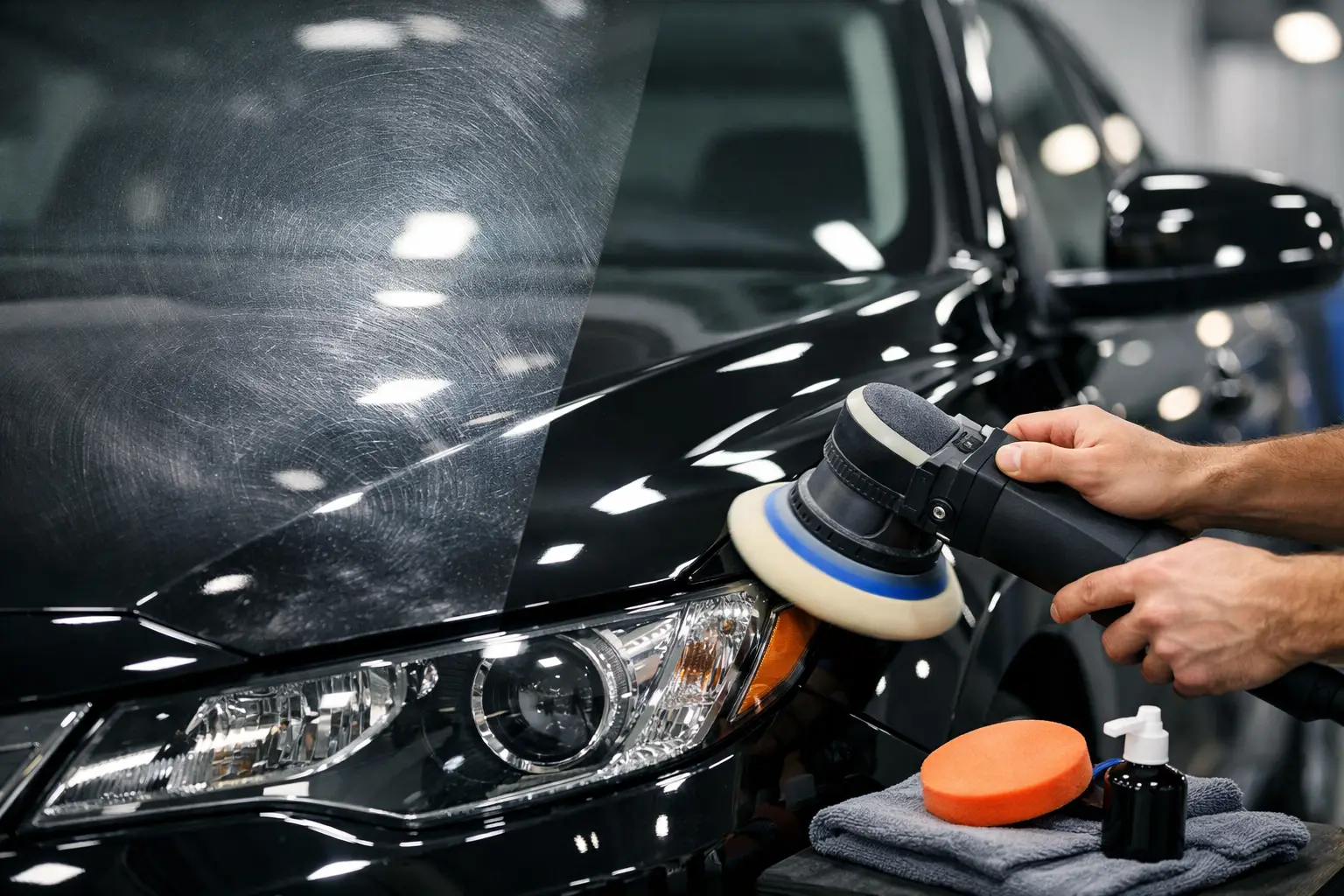
A skilled detailer will measure paint thickness where appropriate and use the least aggressive method capable of achieving the desired improvement. This may mean a single-stage polish for light wash marks, or a more involved correction process for heavier defects. The goal is clarity and gloss, not simply removing paint to chase every last mark.
For a deeper but narrow scratch, a specialist can sometimes level and refine the defect, then use colour-matched touch-up paint to reduce its visibility. This is particularly useful on low-impact areas where repainting a full panel would be disproportionate. A high-quality localised repair can make a significant difference at a lower cost and with less disruption than a respray.
Scratch repair also preserves the original finish across the rest of the panel. That matters on newer vehicles, prestige cars and vehicles where maintaining original paint can support buyer confidence at resale. It can be a precise, conservative solution when the defect allows it.
There are limits. A repair may be far less noticeable without being completely invisible at close range. Deep marks, complex metallic colours and scratches on sharp body lines are especially demanding. An experienced professional should be clear about the likely result before work begins.
When a Respray Is Worth It
A respray becomes the stronger option when there is too much damage for correction or local repair to look refined. This may include a key scratch running across a door, widespread lacquer failure on a bonnet or roof, multiple chips and scrapes across one panel, or previous touch-up work that has become obvious.
Panel damage also changes the decision. If a bumper has been gouged, a door has been dented or a wing has suffered impact damage, proper body preparation is essential before paint is applied. Repainting over an uneven or poorly repaired surface will not produce a showroom-quality finish, regardless of the paint used.
A professional respray should involve more than covering the damaged patch. The surface needs to be cleaned, prepared, repaired where necessary, primed and painted with accurate colour matching. Depending on the position and colour, paint may need to be blended into adjacent panels so the transition is not visible in changing light.
The quality of this process matters enormously. Poor paint preparation can lead to mismatched colour, visible tape lines, uneven texture, overspray, weak adhesion or early peeling. A cheaper respray can become expensive when it has to be corrected later. Choose workmanship that respects the lines, materials and finish of the vehicle.
A respray is generally more costly than scratch repair and may take longer, but it can offer the most complete result when damage is extensive. It is often the sensible investment for owners preparing a well-kept vehicle for sale, restoring a cherished car or correcting damage that undermines the whole appearance of a panel.
The Paint Correction Option Many Owners Miss
Not every visible mark is a scratch that requires paint. Swirls, bird-dropping etching, light oxidation, transfer from another object and shallow scuffing can all make paint look damaged when the underlying colour remains intact.
Paint correction is the process of carefully levelling microscopic defects in the clear coat to restore depth, reflection and gloss. It is particularly effective on dark colours, where poor wash marks can make an otherwise immaculate car look tired. The difference can be striking: a panel that appeared to need repainting may regain a crisp, reflective finish through measured correction alone.
This is why inspection under proper lighting is essential. What looks severe in a car park may be superficial in a controlled studio setting. Equally, a mark that looks harmless in shade may reveal exposed primer under focused lighting. Good advice depends on seeing the true condition, not guessing from a photograph.
How Cost, Time and Value Affect the Decision
Scratch repair is normally faster and more cost-effective because it addresses only the damaged area. It can be ideal for a single incident, a lease return concern or a vehicle that otherwise has sound paint. The trade-off is that it may not suit deep or extensive damage, and some local repairs will remain faintly detectable under close inspection.
A respray costs more because the preparation and paint application are more involved. It may also require the vehicle to be off the road for longer. In return, it can provide a uniform finish across a badly affected panel and resolve problems that polishing or touch-up paint cannot.
Vehicle value is another consideration. A careful scratch repair may help retain more of the original paintwork, while a documented, high-quality respray is preferable to visible damage, corrosion or a poor DIY touch-up. What harms resale value most is usually not the fact that work was completed, but work completed badly.
Protect the Result Once the Damage Is Corrected
Whether you choose repair or repainting, the finish deserves protection. Freshly corrected paint is more vulnerable to new wash marks, environmental fallout and UV exposure than most owners realise. In Malta, intense sun and coastal contaminants make regular, considered maintenance especially worthwhile.
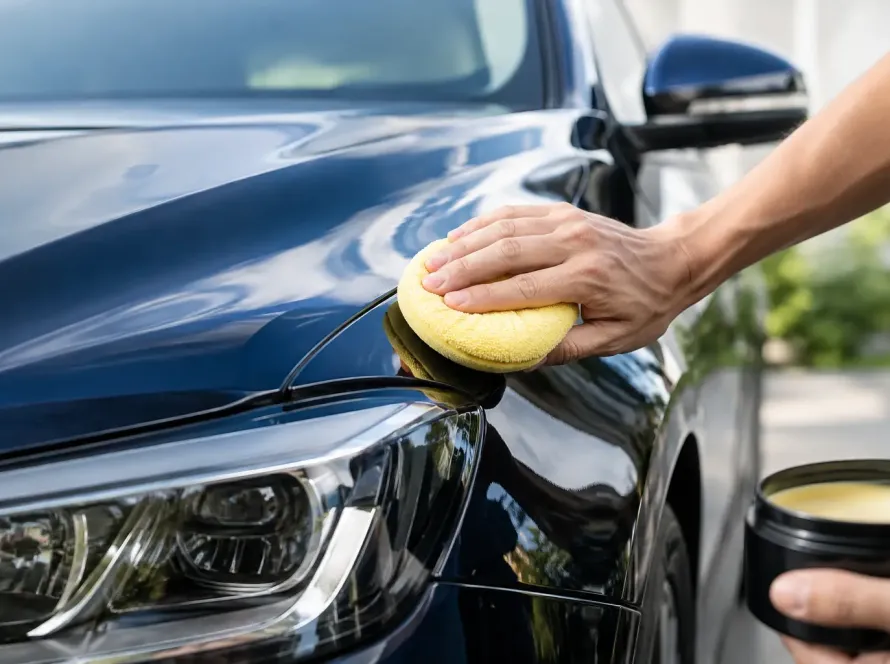
A professional wax, sealant or ceramic coating can enhance gloss and make routine cleaning safer and easier. Paint protection film is also worth considering for high-impact areas such as front bumpers, bonnet edges, door cups and loading areas. It is not a substitute for repairing existing damage, but it can prevent the next scratch from becoming a respray decision.
At GloboWax Malta, the approach is always to assess the paint first, then recommend the most precise correction that delivers a refined, lasting result. Sometimes that means meticulous polishing. Sometimes it means a targeted repair. And when a panel needs repainting, the priority is a finish that restores pride in every glance at your car.
The right choice is the one that respects both the condition of the paint and the standard you want to maintain. Before reaching for touch-up paint or committing to a full respray, have the damage inspected properly – a measured decision now can preserve your vehicle’s appearance for years to come.