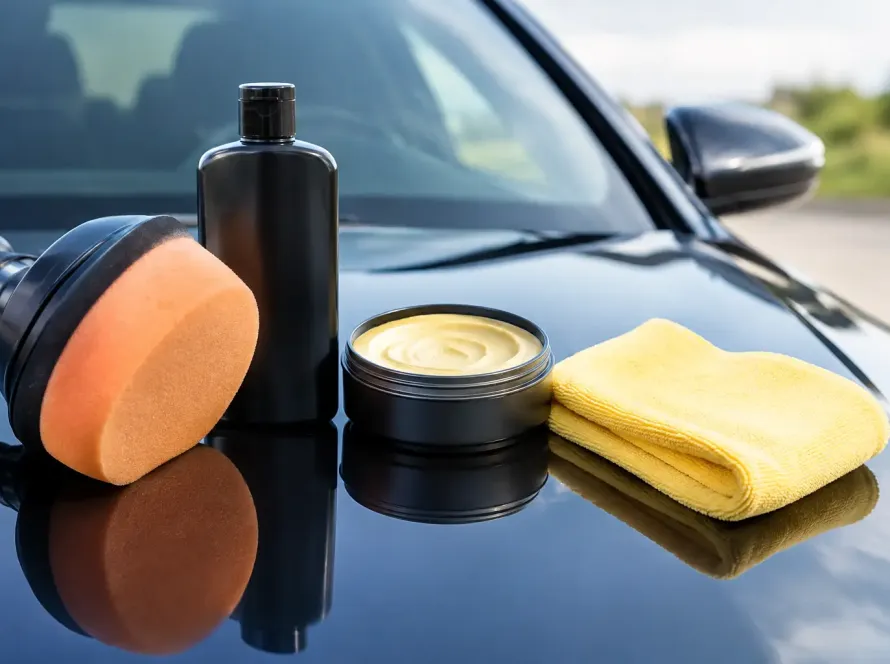
A car can be clean, waxed and still look tired. That flat shine, the spiderweb swirl marks under sunlight, the faint haze that takes the life out of the paint – these are the signs owners notice when a vehicle no longer reflects the standard they expect. Car paint correction is the process that addresses those defects properly, refining the surface so the finish looks deeper, clearer and far closer to how it should.
For owners who value presentation, this is not a cosmetic extra. Paint condition affects how a vehicle is perceived, how it ages and, in many cases, how well it holds its value. A premium car with dull, marked paint never looks truly premium. Equally, a well-kept daily driver can look exceptional when the finish has been corrected with precision.
What car paint correction actually does
Car paint correction is a machine polishing process designed to remove or significantly reduce imperfections within the clear coat. These can include swirl marks, wash marring, oxidation, light scratches, holograms, water spot etching and general dullness. The goal is not to mask defects for a few days. It is to level the paint carefully enough that light reflects evenly again.
That is why corrected paint looks so different from paint that has simply been polished with fillers or covered in wax. The gloss appears sharper. Metallic flakes look cleaner. Dark colours gain depth. Lighter colours look brighter and more refined. The transformation is visible because the defects causing distortion have been reduced rather than hidden.
This is also where many owners confuse paint correction with a standard valet or hand polish. A routine wash improves cleanliness. A basic polish may add temporary gloss. Correction is a more skilled and methodical process, built around inspection, paint reading, machine technique, pad and compound choice, and the discipline to remove only what is necessary.
Why paint loses its finish sooner than most people expect
Modern paint systems are durable, but they are not invincible. Most defects come from everyday contact rather than major damage. Poor washing technique is one of the biggest causes. Automatic brushes, dirty sponges, aggressive drying and repeated wiping of dust all create fine scratches over time.
In Malta, strong sun, heat, airborne contamination and mineral deposits can accelerate the problem. UV exposure can flatten the appearance of paint. Salt and environmental fallout cling to the surface. Water spots can etch if left too long. Even a car that appears well maintained can gradually lose clarity if it is not washed and protected correctly.
There is also the issue of previous work. Many cars arrive with heavy polishing marks from rushed machine work, especially on darker paint. Under indoor lighting the finish may look acceptable. Step into direct sunlight and the defects become obvious. This is where proper correction makes the difference between a surface that merely shines and one that looks genuinely refined.
When car paint correction is worth it
If your paint looks greyed out in sunlight, shows swirl marks under street lighting or feels older than the car should, correction is often worthwhile. It is especially valuable before applying ceramic coating or paint protection, because sealing in defects makes little sense if the paint can first be restored to a much higher standard.
It is also worth considering before sale, after buying a used vehicle, or when preparing a performance or prestige car for regular maintenance at a higher level. The right correction can dramatically improve first impressions. It can also change how you feel about the car every time you approach it.
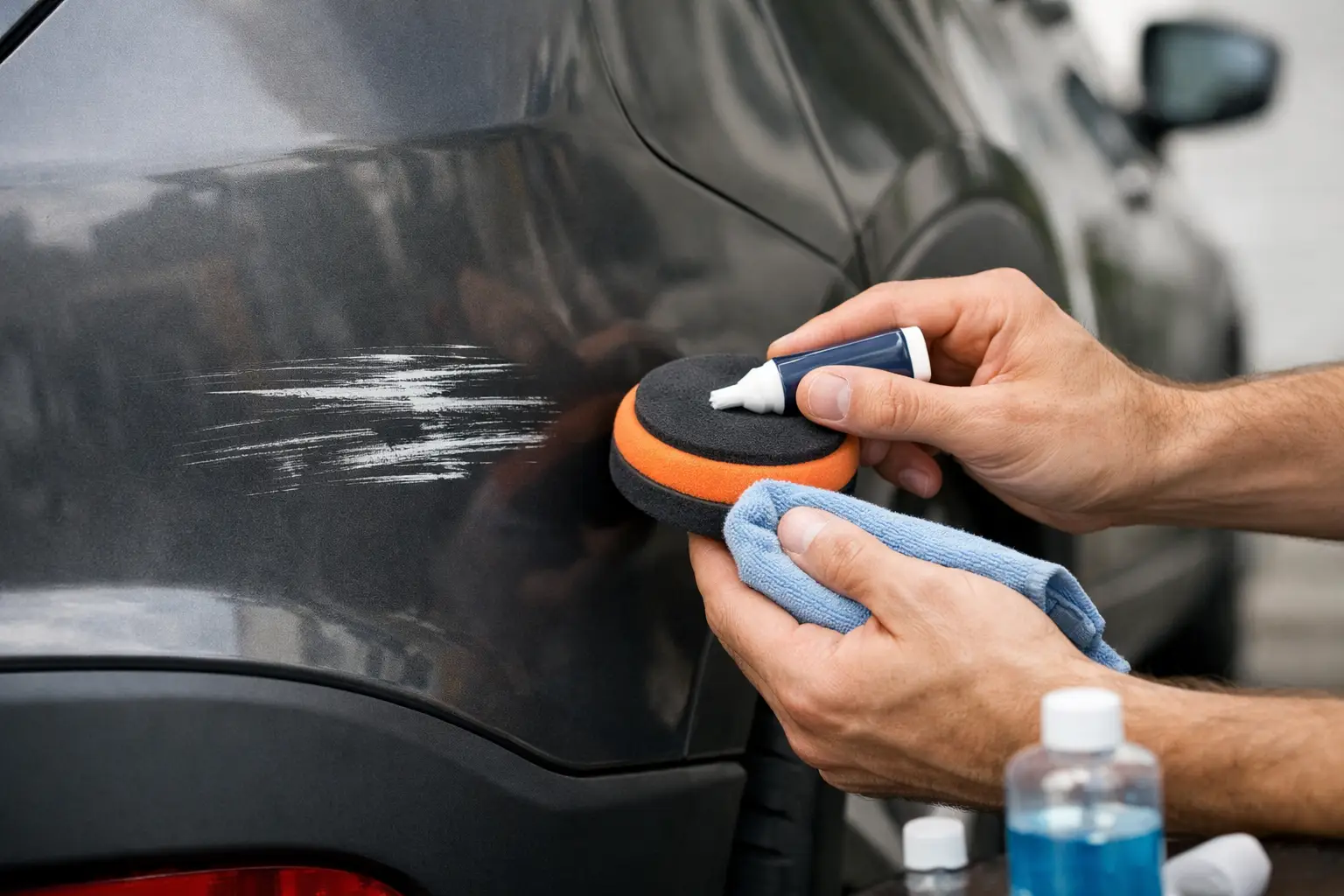
That said, it depends on the paint condition and your expectations. Not every mark can or should be chased aggressively. Deeper scratches that sit beyond the safe level of correction may need touch-up work or may be better softened rather than removed completely. Good detailing is about judgement as much as technique.
The stages behind a professional correction
Proper correction starts long before the machine polisher touches the paint. The vehicle needs to be washed thoroughly, chemically decontaminated and often clayed to remove bonded fallout. Only then can the true condition of the surface be assessed.
Paint depth readings and inspection lighting help establish a safe plan. Some vehicles need a single-stage correction to improve gloss and remove a good percentage of defects. Others benefit from a two-stage process, where a cutting stage removes heavier imperfections and a refining stage restores maximum clarity and finish. Softer paints may mark easily but refine beautifully. Harder paints may resist defects but require more considered correction to achieve proper results.
This is why there is no universal package that suits every car. The right approach depends on paint hardness, colour, defect severity and how far the owner wants to go. A careful specialist will always balance improvement with preservation.
What results should you realistically expect?
A realistic result is a dramatic improvement in gloss, clarity and uniformity, with a substantial reduction in visible defects. In many cases, the change is enough to make the vehicle look years newer. Reflections become cleaner, contours sharper and the overall finish more elegant.
But honesty matters here. Paint correction is not body shop repair. Stone chips, deep gouges and areas where the clear coat has already failed cannot be polished back to perfect condition. If the paint has been overworked in the past, there may be limits to what can be removed safely. Premium detailing should always be transparent about those boundaries.
In practice, that transparency protects the vehicle. Chasing perfection at any cost is how paint gets unnecessarily thinned. Long-term value comes from excellent improvement delivered with restraint and technical discipline.
Correction first, protection second
Once the paint has been corrected, protection becomes the next priority. This is the stage many owners overlook. Freshly corrected paint looks superb, but without protection it is exposed again to UV, contamination and poor wash habits.
A quality wax or sealant will add gloss and provide a useful barrier. A ceramic coating offers more durable protection, stronger chemical resistance and easier maintenance. For high-impact areas or owners who want maximum defence, paint protection film can preserve vulnerable panels from chips and abrasion.
The order matters. Correct first, then protect. Applying protection over a compromised finish only preserves the imperfections. When the surface is corrected beforehand, the protective layer locks in the best possible appearance.
Is paint correction safe for every car?
When carried out properly, yes – but only with inspection, experience and the right tools. Factory paint, repainted panels, older finishes and delicate paint systems all need to be treated differently. Safe correction is about measured improvement, not aggressive cutting for the sake of dramatic before-and-after photos.
This is one reason specialist detailing stands apart from general polishing services. Premium results depend on knowing how much to remove, where to stop and how to finish the paint so it looks crisp in all lighting, not just under workshop lamps.
Owners of newer vehicles are often surprised to learn that even nearly new paint can benefit from correction. Transport films, dealer preparation, rushed washing and poor handovers leave many cars with defects before they have properly started life on the road.
How to keep corrected paint looking exceptional
Maintenance determines how long the result lasts. A corrected car that is washed carelessly will quickly pick up fresh marring. A corrected and protected car maintained properly will hold its finish far longer.
The essentials are straightforward: use safe washing methods, quality wash media, clean drying towels and regular decontamination when needed. Avoid automatic brush washes. Remove bird droppings and tree residue promptly. Keep protection topped up if using wax or sealant, and follow the right aftercare if the vehicle has a coating.
For owners who want consistent presentation without guesswork, professional maintenance detailing is often the smartest route. It protects the investment already made in the paint and keeps the car at the level it deserves.
At GloboWax Malta, that standard is built around correction with purpose – not just more shine for a few days, but a finish restored with precision and protected for the road ahead.
If your car still looks underwhelming after a wash, the paint is usually telling the real story. Correcting it properly is often the moment the whole vehicle comes back to life.