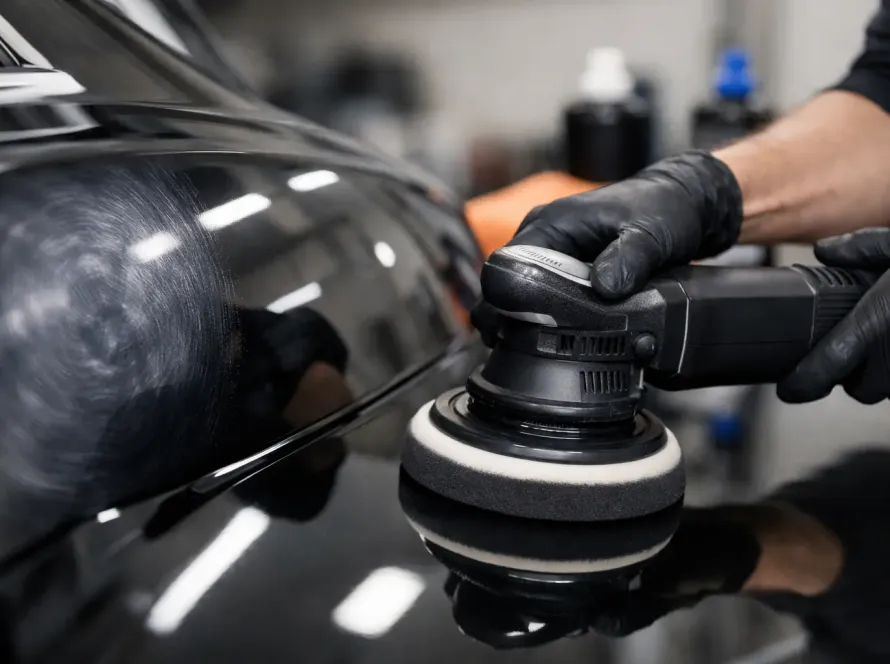
A car can look clean from ten feet away and still tell a very different story under proper lighting. Swirl marks, oxidation, light scratches and hazing all reduce depth, gloss and the overall impression of the vehicle. That is why paint correction cost varies so much – the service is not priced around a quick polish, but around the condition of the paint and the level of improvement required.
For owners who care about presentation, resale value and long-term protection, that difference matters. Paint correction is a specialist process designed to refine the clear coat, remove defects where safely possible and restore a sharper, richer finish. It is precision work, and the price reflects the time, judgement and craftsmanship behind the result.
What is included in paint correction cost?
When people compare prices, they often assume every service labelled paint correction is the same. It is not. A basic enhancement polish and a true multi-stage correction are completely different in labour, machine work and expected finish.
A professional correction service usually starts long before the polishing machine touches the paint. The vehicle needs a safe wash, chemical decontamination, clay treatment if needed, careful drying and a detailed inspection under proper lighting. Only then can the technician assess the real condition of the paintwork and decide how aggressive or conservative the correction should be.
The polishing stage is where the biggest share of the cost sits. This may involve one stage to improve gloss and remove lighter defects, or multiple stages to address deeper swirls, water spot etching, sanding marks or more pronounced marring. Panel edges, curves and sensitive areas require added caution. Once correction is complete, the paint is typically refined and prepared for protection, whether that is a wax, sealant or ceramic coating.
Why paint correction cost can vary so widely
Two cars of the same make and model can need very different levels of work. One may have mild wash marring from poor maintenance. The other may have years of automated car wash damage, heavy oxidation and poorly attempted machine polishing. That difference alone can shift the pricing substantially.
Condition of the paint
This is the biggest factor. Light defects are faster to improve. Deeper scratches, etched mineral deposits and extensive swirl marks take far longer and may not all be safely removable. In some cases, the goal is significant visual improvement rather than full defect removal, because preserving clear coat thickness is more important than chasing perfection.
Size of the vehicle
A compact hatchback simply has less surface area than a large saloon, SUV or prestige 4×4. More panels mean more polishing time, more inspection time and more material use. Larger vehicles nearly always sit at a higher price point for that reason.
Paint hardness and finish type
Some paints correct relatively easily. Others are much harder and demand more cutting power, more passes and more time to refine properly. Soft paint can also be challenging because it marks easily during the process and needs a more delicate finishing approach. Solid colours, metallic finishes and darker shades all behave differently under correction and inspection lighting.
Level of correction requested
Not every customer needs the same outcome. Some want a noticeable improvement for a daily driver. Others want a near-showroom finish before applying ceramic coating or preparing the vehicle for sale. A one-stage enhancement is more affordable than a two-stage or three-stage correction because the labour difference is considerable.
Previous poor workmanship
If a car has been badly polished in the past, correction often becomes more involved. Holograms, buffer trails, inconsistent finishing and overworked areas add complexity. Rectifying poor detailing can take longer than correcting naturally worn paint.
Typical price ranges to expect
While exact pricing depends on inspection, there are broad ranges that help set expectations. In the premium detailing market, a one-stage paint correction on a smaller vehicle often starts from a few hundred pounds or euros. A larger vehicle or one in poorer condition will move higher.
A two-stage correction usually sits in a more substantial bracket because it includes a cutting stage to remove defects and a refining stage to maximise clarity and gloss. For heavily marked paint or higher-end vehicles where finish quality is critical, prices can rise further due to the extra hours involved.
In Malta, pricing may also reflect specialist experience, workshop standards, product quality and the level of finish expected from a premium service. If a quote seems unusually low, it is worth asking exactly what is included, how much correction is realistic and whether the vehicle will receive proper preparation and protection afterwards.
Cheap vs premium correction – what are you really paying for?
Paint correction is one of those services where price alone can be misleading. A lower quote may sound attractive, but if the process is rushed, the defects may be hidden temporarily with fillers rather than properly corrected. The car can look glossy on collection day, then reveal the same swirls and haze after a few washes.
A premium service is built on proper inspection, controlled technique and realistic results. It also respects the paint. Skilled detailers know when to push for more correction and when to stop to preserve the integrity of the clear coat. That judgement is a major part of the value.
You are also paying for the environment in which the work is carried out. Lighting, machine selection, pad choice, polishing compounds, panel preparation and aftercare all influence the final result. Precision is what separates a genuine transformation from a quick cosmetic improvement.
Is paint correction worth the cost?
For many owners, yes – especially if the vehicle has strong value, sentimental value or a finish that has lost its sharpness over time. Corrected paintwork looks cleaner, reflects light more evenly and gives the whole car a more refined presence. On darker vehicles, the difference can be dramatic.
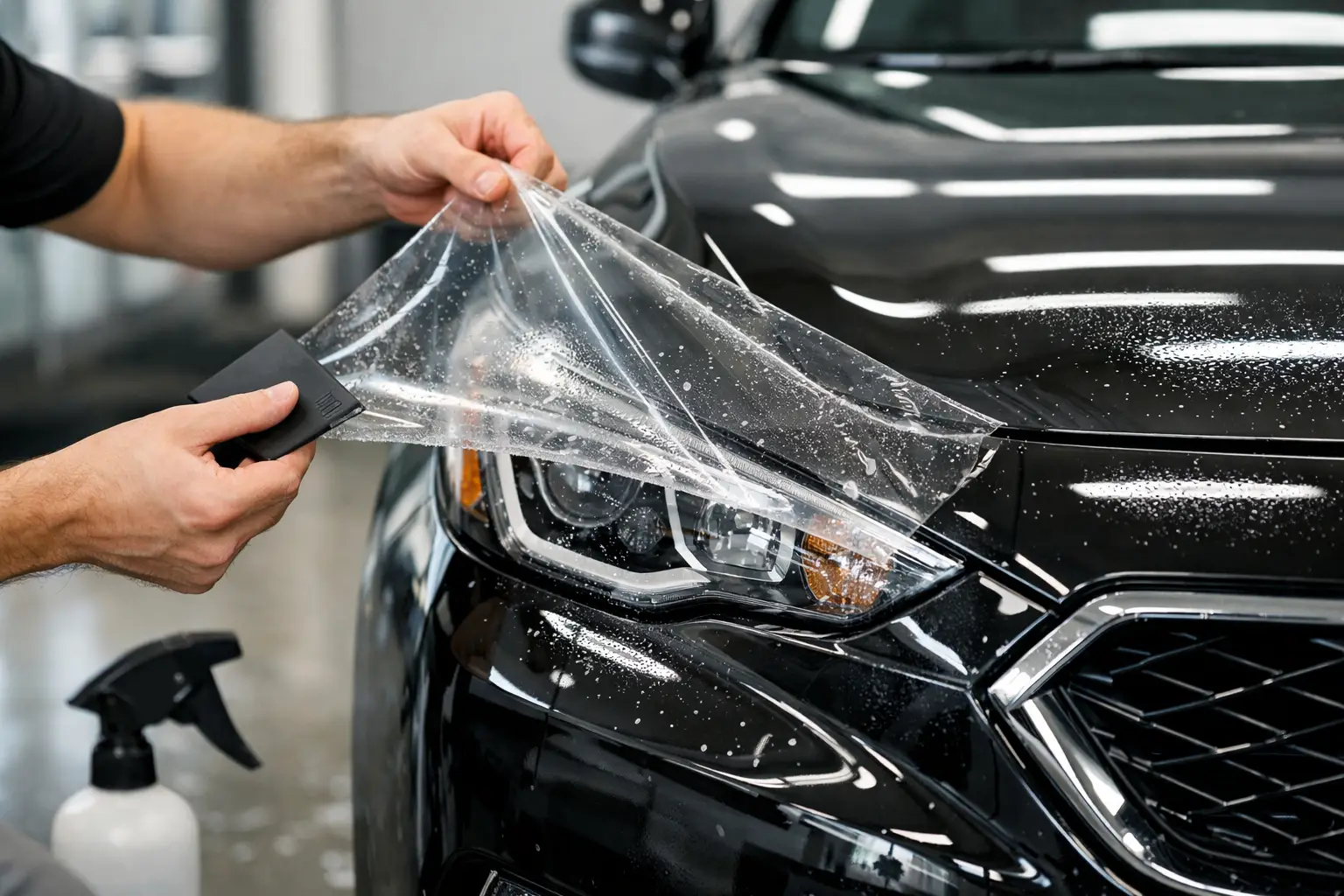
There is also a practical side. Correcting the paint before applying protection makes that protection work better. Ceramic coatings and sealants bond more effectively to properly prepared surfaces, which means you are not sealing defects under a layer of gloss. If you plan to protect the car long term, correction is often the stage that makes the protection truly worthwhile.
Resale value matters too. Buyers notice paint condition quickly, even if they cannot name the defects. A vehicle with deep gloss and cleaner paintwork creates a stronger impression of care and maintenance.
How to choose the right level of correction
The best choice depends on your car, your expectations and how you use it. A daily driver may only need a one-stage correction to restore gloss and remove the bulk of visible defects. That offers strong visual improvement without moving into the higher cost of more intensive correction.
If you own a prestige, performance or collector vehicle, or if the paint is in poor condition, a more comprehensive correction may be justified. This is especially true if you are preparing the car for ceramic coating, sale, a special event or simply want a finish that reflects a higher standard.
A good specialist will not sell you more correction than you need. They should inspect the paint, explain what is realistic and set clear expectations around improvement versus full removal. Honest guidance is part of a premium service.
Questions to ask before accepting a quote on paint correction cost
Before booking, ask whether the service is one-stage or multi-stage, what preparation is included, how defects are assessed and what protection is applied afterwards. It also helps to ask whether the finish is being genuinely corrected or just enhanced temporarily.
Photos can be useful, but proper pricing often needs an in-person inspection. Paint condition looks different under workshop lighting than it does on a driveway. A tailored quote is usually a sign that the detailer is taking the work seriously rather than offering a one-price-fits-all service.
For owners who want their vehicle corrected and protected to a premium standard, working with an experienced specialist matters. At GloboWax Malta, that level of care is built around precision, measured correction and results designed to last.
Paintwork does not need to be perfect to look exceptional. The right correction service simply brings the finish back to where it should be – sharper, deeper and properly protected for the miles ahead.