Swirl marks have a way of showing up at the worst possible moment. Your car looks clean in the shade, then sunlight hits the paint and suddenly the finish is covered in fine circular scratches that steal the gloss. If you are wondering how to remove swirl marks without making the damage worse, the answer lies in correction first, then protection.
These marks are usually not deep scratches in the traditional sense. They are thousands of very fine imperfections in the clear coat, often caused by poor washing habits, dirty drying towels, automatic car washes, or rushed polishing. The good news is that many swirl marks can be corrected. The important part is knowing when a careful DIY approach is enough and when the paint needs professional machine correction.
What swirl marks really are
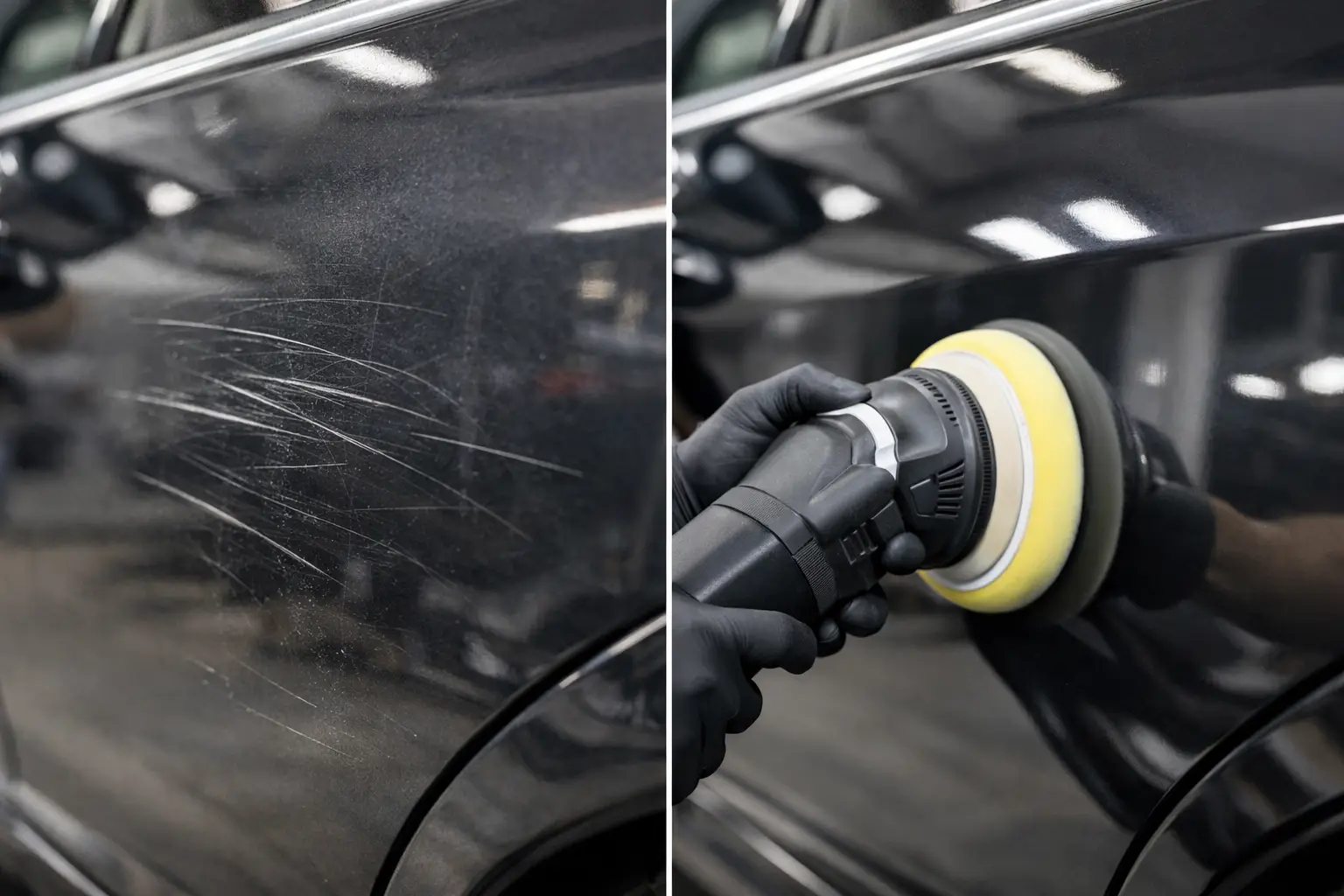
Swirl marks are micro-scratches in the top layer of your paintwork, usually the clear coat. They scatter light rather than reflecting it evenly, which is why the finish looks dull, hazy or cobwebbed under direct light. Darker vehicles tend to show them more clearly, but they affect every paint colour.
In most cases, the problem is not a single event. It is the build-up of small mistakes over time. A sponge dropped on the ground and reused, a chamois dragged across dusty paint, or a car wash brush that has touched dozens of vehicles before yours can all leave behind visible marring. That is why swirl mark removal is not just about polishing the paint. It is also about changing the care routine that caused the issue in the first place.
How to remove swirl marks without damaging the paint
The safest way to remove swirl marks starts with a proper assessment. Some are light enough to improve with a finishing polish by hand or machine. Others need a more focused paint correction process using a dual action machine polisher, the right pad, and a compound matched to the condition of the paint.
Before any polishing begins, the car must be thoroughly washed and decontaminated. This stage matters more than many owners realise. If the surface still holds grit, road fallout or bonded contaminants, polishing can drag those particles across the panel and create fresh defects.
A correct preparation process usually includes a careful pre-wash, a contact wash using the two-bucket method, safe drying with clean microfibre towels, and decontamination where needed. On neglected paint, a clay treatment may be necessary to lift embedded contamination before correction starts. Only once the surface is clean can you judge the true condition of the finish.
Hand polishing vs machine polishing
If the swirl marks are very light, hand polishing can improve the appearance. It is a cautious option for small areas or owners who want to refine a panel without investing in equipment. The trade-off is that hand application has limited cutting power. It can brighten the finish, but it rarely delivers the level of correction needed for widespread swirling.
Machine polishing is where real transformation happens. A dual action polisher is generally the safer choice for modern paintwork because it reduces the risk of overheating or creating buffer trails. With the right pad and polish combination, it can remove or significantly reduce swirl marks while restoring clarity and gloss.
This is where experience matters. Too aggressive a compound can remove defects but leave haze. Too soft a combination may make the paint look better temporarily without properly correcting it. Paint systems vary between manufacturers, and even between models. Softer paint can mark easily. Harder paint may need more cut to achieve visible correction. Precision is what separates genuine paint correction from a quick cosmetic improvement.
Why test spots matter
A professional detailer will usually begin with a test spot on one section of the vehicle. This reveals how the paint responds and helps determine the least aggressive method that achieves the result. That approach protects clear coat thickness while delivering the finish the owner expects.
It is tempting to assume stronger always means better, but paint correction should be measured, not rushed. Every polishing stage removes a minute amount of clear coat. The aim is not simply to chase perfection at any cost. The aim is to refine the finish responsibly while preserving the integrity of the paint.
When swirl marks need professional correction
There is a difference between light wash marring and deeper defects that only look like swirl marks under certain lighting. If your paint has heavy holograms, deeper random scratches, oxidised areas or previous poor polishing marks, a home kit may not be enough.
Professional correction is often the right choice for high-value vehicles, dark-coloured paint, soft clear coats, and cars that deserve a showroom-standard finish. It is also the smarter route if you plan to apply ceramic coating or paint protection afterwards. There is little point sealing defects beneath a protective layer.
At this level, proper lighting, paint depth awareness, pad selection and finishing refinement all matter. The difference is visible in the final result – sharper reflections, better depth, and a surface that looks clean not just from a distance, but under harsh daylight as well.
Why swirl marks keep coming back
Many owners remove swirl marks once, then unknowingly reintroduce them within weeks. That usually comes down to washing technique. Paint correction restores the finish, but maintenance determines how long it stays that way.
Automatic car washes are a common culprit. Even when marketed as gentle, they often use contaminated brushes or cloth systems that repeatedly drag dirt across the paint. The result is predictable – fine scratches, dulled gloss and a finish that never quite looks freshly corrected for long.
The same applies at home if the wash process is careless. Using a single bucket, washing in direct sun, reusing old cloths, or drying with unsuitable materials can all mark the surface. Premium paintwork needs a premium maintenance method. That means lubrication, clean wash media, proper rinsing and disciplined drying.
Protecting the finish after swirl mark removal
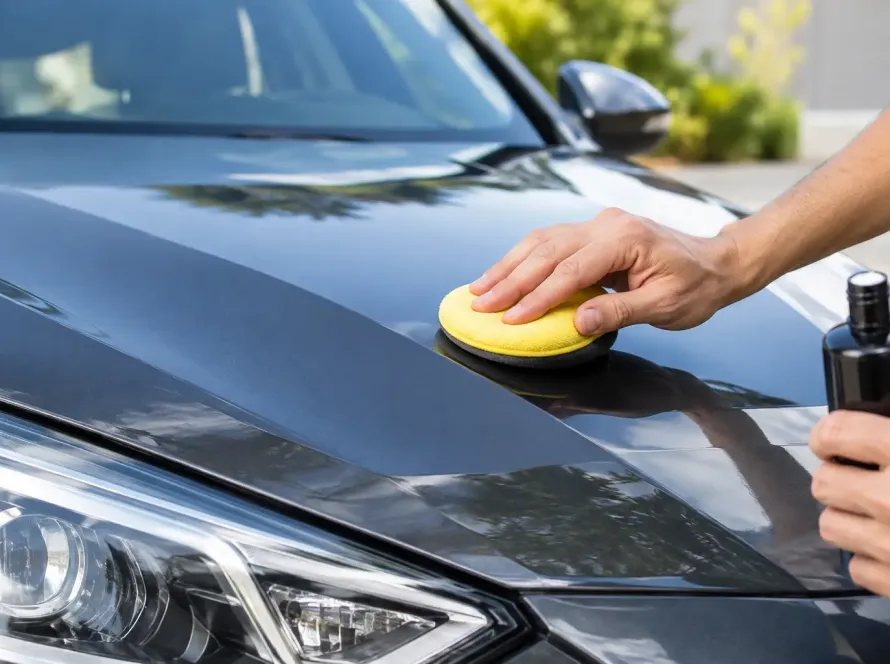
Once the paint has been corrected, protection becomes the priority. Wax can enhance gloss and provide short-term defence, but it will not last as long as more advanced solutions. Paint sealants offer better durability, and ceramic coatings provide stronger chemical resistance, UV defence and easier maintenance.
The right protection depends on how the car is used. A weekend car kept under cover has different needs from a daily driver exposed to sun, traffic film and regular washing. What matters is choosing a system that supports the finish and makes safe maintenance easier.
Protection also improves the ownership experience. A properly protected surface sheds dirt more readily, cleans more easily and holds its gloss for longer. For owners who care about presentation and long-term value, that is not a luxury. It is part of preserving the car properly.
How to avoid swirl marks in future
If you want to know how to remove swirl marks and keep them away, the answer is discipline. Wash only when the paint can be cleaned safely. Use dedicated mitts and towels. Keep tools clean. Replace worn microfibres before they become a problem. Dry with care rather than speed.
It also helps to think beyond washing. Poor wiping habits are just as damaging. Dusting a dry car, leaning against panels with dirty clothing, or rubbing bird droppings aggressively can all mar the finish. Small habits create either lasting shine or steady decline.
For owners who expect a higher standard, regular maintenance detailing makes a real difference. It catches contamination early, preserves protection layers and keeps the paintwork in the condition it deserves. That is especially important in climates where sun exposure, salt air and environmental fallout can wear down the finish faster than expected.
Is swirl mark removal worth it?
If your vehicle matters to you, absolutely. Swirl marks age a car visually, even when the paint is otherwise sound. Removing them restores depth, clarity and the kind of gloss that makes the whole vehicle feel better kept. It can also support resale appeal, particularly on premium and performance models where presentation influences perception.
That said, the best result depends on expectations. Some owners want strong improvement at sensible cost. Others want near-perfect paint with every panel refined to a higher standard. Both are valid. The right approach depends on the condition of the vehicle, the paint type and how exacting you want the finish to be.
For cars that deserve expert attention, professional detailing offers the control, finish quality and long-term protection that quick fixes cannot match. GloboWax Malta approaches paint correction with that standard in mind – measured, precise and built around lasting results.
A flawless finish is never just about shine. It is about preserving the surface properly, so every time the light hits the paint, the car looks exactly as it should.