A small mark on a leather seat can change the feel of the entire cabin. Whether it is denim transfer on a light-coloured bolster, a coffee spill after a busy morning, or sunscreen built up on the steering wheel, leather stain removal needs a measured approach. The aim is not simply to make the mark less visible. It is to remove contamination while preserving the colour, protective coating and supple finish that give automotive leather its premium character.
A quick household fix may appear tempting, especially when the stain is fresh. Yet the wrong cleaner can leave behind a larger problem: faded dye, a glossy patch, a dry surface or a tide mark around the original stain. High-quality interior detailing treats the leather as a finished surface, not as an absorbent household material. That distinction protects both the appearance of your car and its long-term value.
Leather Stain Removal Starts With Identification
Most modern vehicle leather is coated leather. It has a protective top layer over the dyed hide, which makes daily cleaning more manageable but does not make it immune to damage. Aggressive chemicals can weaken or strip this coating, while oily residues can settle into the surface texture and attract more grime.
Before any treatment begins, the stain should be identified. Food and drink spills usually leave sugar, tannin or oil residues. Ink can bond quickly and spread if rubbed. Dark marks on pale seats are often dye transfer from jeans, belts or dark clothing. Grease, make-up, hand cream and sunscreen are common around armrests, door cards and steering wheels, where repeated contact gradually builds contamination.
The age of the stain matters too. A fresh coffee splash is usually easier to lift than one that has baked into a seat under the Maltese sun. However, speed should never mean scrubbing. Blotting excess liquid carefully and keeping the affected area dry is a better first response than reaching for an all-purpose cleaner.
It also pays to confirm what you are cleaning. Some interiors use leatherette, vinyl or mixed-material trim rather than natural leather throughout. They can look similar, but their response to cleaners and conditioners differs. Alcantara and suede-style inserts require a completely separate method. A professional inspection avoids treating one material as another.
What to Do When a Stain Appears
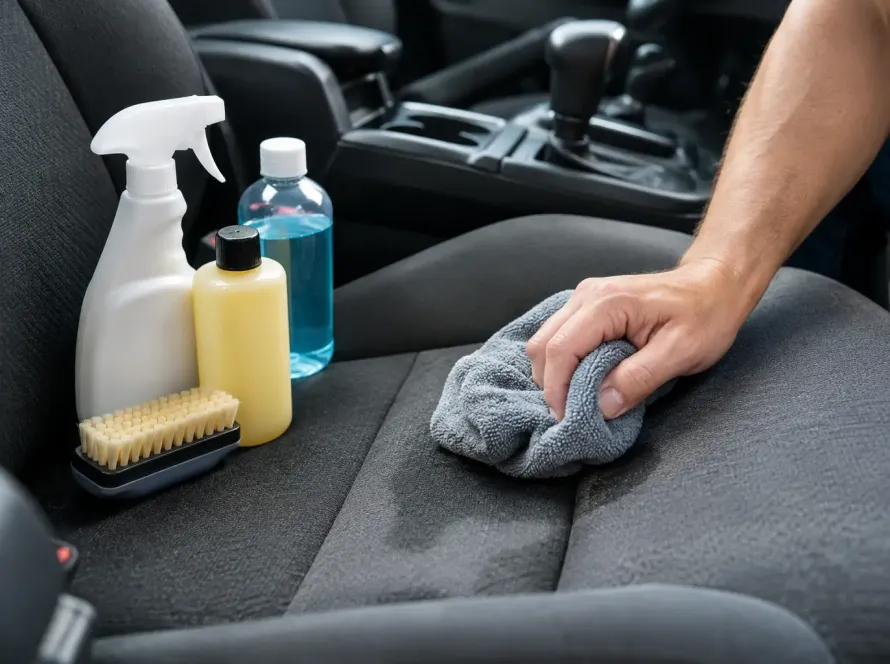
For a recent spill, use a clean, soft microfibre cloth to blot rather than wipe. Work from the outer edge towards the centre so the stain does not spread across the panel. Avoid saturating the leather with water. Moisture can migrate into seams, perforations and foam beneath the cover, creating unpleasant odours or leaving rings as it dries.
If a residue remains, use only a pH-balanced cleaner made specifically for automotive leather, applied sparingly to a cloth or soft detailing brush rather than directly onto the seat. Test any product on a discreet area first. Gentle, controlled passes are safer than applying pressure in one spot. Wipe away loosened contamination with a separate clean cloth and allow the surface to dry naturally.
Do not use washing-up liquid, alcohol-based wipes, bleach, acetone, strong degreasers or abrasive pads. These shortcuts can remove the surface finish along with the stain. The result may be a patch that looks cleaner at first but becomes visibly duller, lighter or more vulnerable to cracking over time.
Conditioner is not always the answer either. On modern coated leather, heavy conditioning products can leave a slippery, overly shiny finish and may trap residue if applied before the surface is properly cleaned. A quality leather protector, selected for the specific trim, is often more useful after cleaning because it helps reduce future dye transfer and makes maintenance easier.
Ink, dye transfer and oily marks need restraint
Ink is one of the highest-risk stains because it can penetrate quickly and is easily spread by rubbing. Dye transfer can be equally stubborn, particularly on ivory, cream and light-grey interiors. Both should be addressed early, but neither benefits from repeated DIY treatments. Each attempt can disturb the factory finish and make professional correction more difficult.
Oily stains are less dramatic but can be just as damaging over time. They create a darkened, polished appearance on touchpoints and may mask the original matte finish of the leather. A proper clean removes the oils gradually, restoring an even appearance without making the surface look artificially dry.
If the leather has become discoloured, cracked or worn through, stain removal alone will not deliver a complete result. At that point, the work may involve specialist preparation, recolouring or targeted repair. Knowing when cleaning has reached its limit is part of protecting the interior properly.
Why Leather Can Look Worse After DIY Cleaning
The most common issue is unevenness. A stain is removed from one small section, but the surrounding leather still carries everyday oils and airborne grime. That newly cleaned spot then looks brighter or flatter than the rest of the seat. Professional detailing cleans and refines the relevant panel evenly, creating a consistent finish rather than a visible repair area.
Over-wetting is another concern. Perforated leather, stitched seams and ventilated seats all introduce places where liquid can travel below the visible surface. This is particularly risky with electrically operated or climate-controlled seating. The safest approach uses minimal product, carefully controlled agitation and proper drying techniques.
There is also a difference between a clean finish and a glossy one. Leather should look refined and natural, not wet or heavily dressed. Excess shine often comes from silicone-heavy products or contamination that has not truly been removed. A premium interior should retain a clean, low-sheen appearance with a comfortable, non-greasy feel.
Professional Leather Stain Removal Protects the Bigger Picture
A specialist assessment considers more than the mark itself. The condition of the leather, the position of the stain, the vehicle’s age and the type of finish all affect the right method. On a newer luxury car, preserving the original factory coating is often the priority. On a well-used daily driver, the focus may be on lifting embedded grime and restoring a clean, consistent appearance without unnecessary intervention.
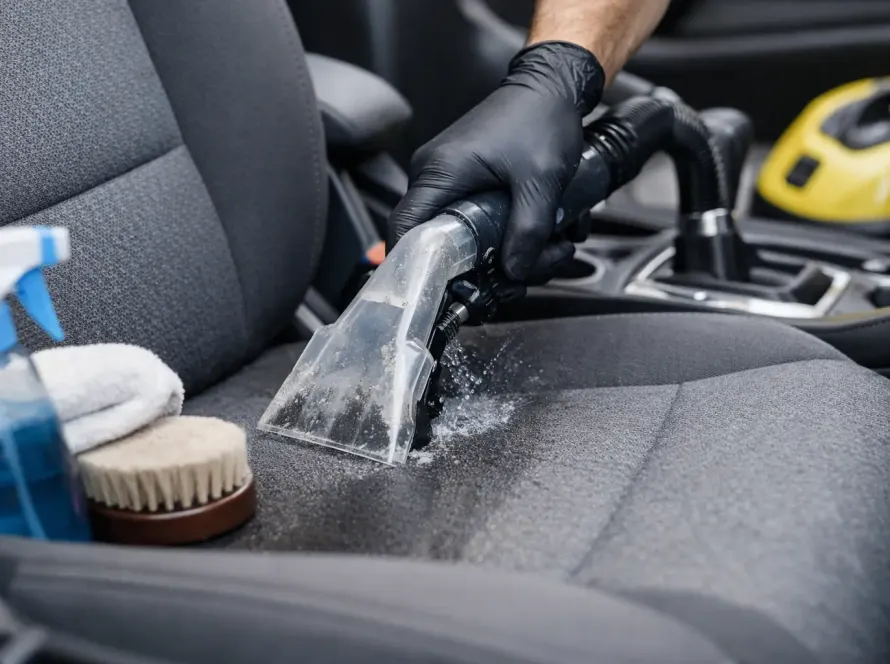
Professional-grade products are designed to work with automotive surfaces, but technique remains decisive. The correct dilution, brush choice, dwell time and extraction method can make the difference between a successful result and an avoidable repair. This is why a routine valet is not always enough for delicate interior work.
At GloboWax Malta, interior detailing is approached with the same precision used for paint correction and exterior protection. The objective is to revive the cabin while respecting every material within it, from leather seating and steering wheels to trim, stitching and high-contact surfaces. It is careful work, but that care is visible every time you open the door.
Preventing Future Leather Stains
Prevention is simpler than correction. Clean off sunscreen, body lotion and fresh spills promptly, especially during warmer months when heat accelerates residue build-up. If you wear dark denim, inspect pale leather bolsters regularly for early signs of transfer. A light maintenance clean performed at the right intervals is far safer than waiting until dirt becomes embedded.
Use a dedicated leather protector after professional cleaning where appropriate, and avoid dressing the seats with products that promise an exaggerated shine. Keep sharp objects, pens and loose cosmetics secure, particularly in door pockets and centre consoles. For family vehicles, a quick check beneath child seats and around rear-seat cupholders can prevent small spills from becoming permanent distractions.
The standard is not perfection at every moment. Cars are made to be driven. The goal is to respond to stains intelligently, maintain the leather before wear sets in, and choose specialist care when the finish deserves more than a quick wipe. That is how a well-kept interior continues to feel special long after the first drive.