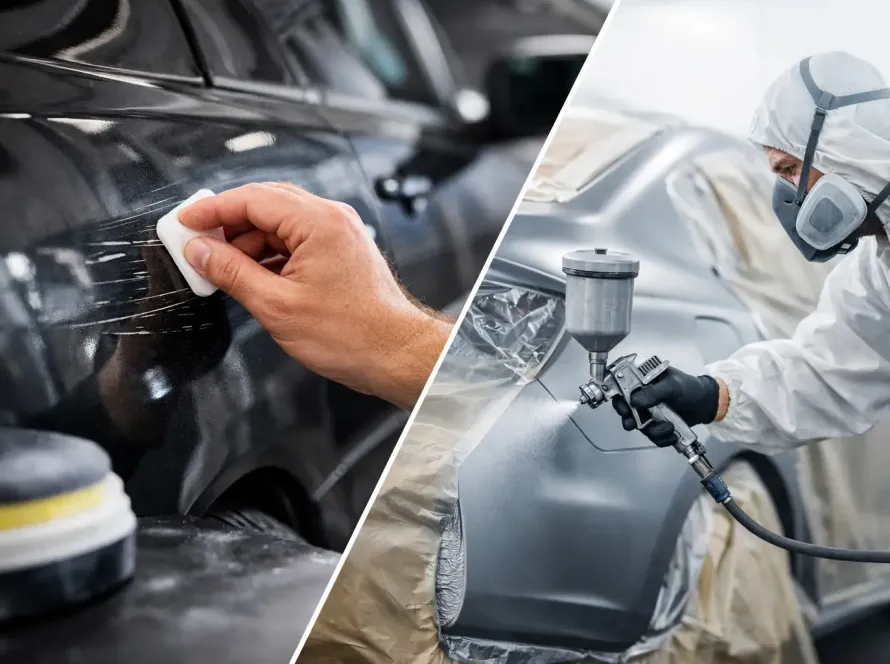
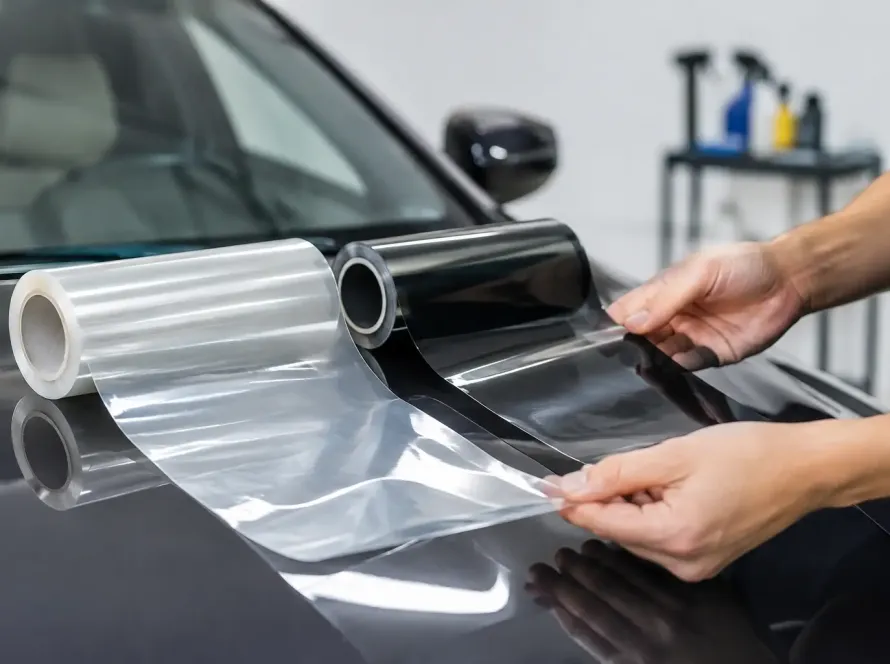
A freshly polished car can look exceptional under Malta’s bright sun, but that finish is exposed to far more than dust between washes. UV exposure, sea air, mineral deposits, road film and bird droppings all work against paintwork. This ceramic wax comparison separates the claims from the real-world results, helping you choose protection that matches your vehicle, expectations and maintenance routine.
The key distinction is simple: ceramic wax is not the same thing as a professional ceramic coating. Both can increase gloss, improve water behaviour and make cleaning easier. Their chemistry, application process and expected lifespan, however, are very different.
Ceramic Wax Comparison: What Are You Actually Buying?
The term “ceramic wax” is used broadly. It usually describes a wax, spray sealant or paste protection product enhanced with silicon dioxide, often called SiO2. This ingredient supports water repellency and surface slickness, producing the tight beading and glossy finish many owners associate with ceramic protection.
Traditional carnauba wax is prized for warmth and depth, especially on darker colours. It can make a well-prepared vehicle look rich and refined, but it is a sacrificial layer. Heat, detergent and regular washing gradually reduce its performance.
Synthetic sealants are engineered for durability. They tend to offer a crisp, reflective shine and generally outlast conventional wax, often with stronger resistance to weathering. Ceramic waxes sit between these options. They provide a more modern, sharper look and stronger hydrophobic behaviour than many standard waxes, while remaining quick to apply and remove.
A true ceramic coating is a different category. It is a professionally applied liquid coating that bonds to the clear coat after thorough paint preparation. Once cured, it forms a durable protective layer designed for long-term gloss, easier maintenance and enhanced resistance to contamination. It does not make paint invincible, but it provides a markedly higher level of performance than a ceramic wax.
How Each Protection Option Performs
Choosing protection based on shine alone can lead to disappointment. The right option depends on whether you want a weekend enhancement, a practical maintenance product or a long-term investment in your car’s finish.
Traditional wax
A quality wax delivers an elegant, deep gloss that remains popular with enthusiasts. It is particularly appealing when the car is used occasionally, garaged and maintained carefully. Wax is also forgiving to apply and an excellent finishing choice after a professional polish.
Its limitation is longevity. In Malta’s climate, intense sun and frequent washing can shorten its useful life. Expect to reapply it regularly if you want consistent protection and water beading.
Synthetic sealant
Paint sealants suit owners who want dependable protection without the commitment of a coating. They normally last longer than traditional wax and produce a clean, high-reflection finish. They are a sensible choice for daily drivers that need straightforward care through changing weather and routine use.
They do not always deliver the same visual warmth as a premium carnauba wax, although the difference is often subtle on lighter-coloured cars. Paint condition has a greater influence on the final result than the product category alone.
Ceramic wax
Ceramic wax adds modern water repellency and a sharp gloss to the convenience of a wax or sealant. Applied to clean, decontaminated paint, it can help reduce grime adhesion and make wash days more efficient. It is ideal for owners who enjoy maintaining their vehicle and want a noticeable upgrade from basic wax protection.
The trade-off is that its advertised durability can vary significantly. A ceramic wax may perform strongly for a number of months when correctly applied and maintained, but it remains a top layer that wears away. Harsh detergents, automated car washes and neglected contamination will shorten its life.
Professional ceramic coating
For vehicles that deserve lasting defence, ceramic coating is the premium option. The process starts with meticulous washing, chemical decontamination and, where needed, paint correction. This matters because a coating preserves the condition beneath it. It will enhance gloss, but it cannot conceal swirl marks, scratches or dull paint.
Once installed correctly, a coating provides exceptional gloss, highly effective water behaviour and a surface that is easier to maintain. It is particularly valuable for new vehicles, prestige cars and daily drivers where appearance, resale value and reduced maintenance all matter. Coatings still require safe washing and periodic care, but they offer superior durability compared with waxes and spray products.
Gloss, Beading and Protection Are Not the Same Thing
Water beading is satisfying to watch, but it should not be the only measure of protection. Beading indicates a hydrophobic surface, yet a product can bead water while offering limited resistance to chemical contamination or abrasion.
Gloss is also influenced heavily by preparation. A professionally corrected panel with a quality sealant can look more impressive than a poorly prepared panel covered in a costly coating. The protection product amplifies clarity and reflectivity. The correction work creates the foundation.
Real protection means considering how the vehicle is used. Cars parked outdoors near the coast face different demands from a weekend vehicle kept in a covered garage. A daily commuter may benefit most from the longevity of a coating, while an enthusiast who enjoys regular detailing may prefer the ritual and appearance of a premium ceramic wax.
Malta Conditions Change the Decision
Malta’s environment is demanding on exterior surfaces. Strong sunlight can accelerate oxidation and fade unprotected finishes over time. Salt in coastal air, dust, hard-water spotting and airborne contaminants can quickly reduce the look of freshly cleaned paint.
For a car that spends long hours outside, short-lived protection often becomes a false economy. Reapplying wax can be worthwhile if it is part of a consistent maintenance routine, but it requires discipline. Ceramic coating makes more sense when the objective is stable, long-term protection with less frequent intensive work.
That said, coating every vehicle is not automatically the best answer. If a car is approaching resale, is used infrequently or has paintwork that needs a more substantial repair first, a professional enhancement polish and ceramic wax may be the more proportionate choice. The best detailing plan is built around the car’s condition and your ownership plans, not the most expensive label.
Preparation Determines the Result
No protection product can bond properly to paint covered in traffic film, old wax, tar, iron fallout or embedded contamination. Applying a ceramic wax over an unprepared surface may create temporary shine, but it will not deliver its full durability or clarity.
Professional preparation typically includes safe washing, decontamination and paint assessment. Paint correction may then be recommended to reduce swirl marks, haze and light scratches before any protection is applied. This is where a vehicle changes from simply clean to genuinely refined.
At GloboWax Malta, protection is approached as part of a complete finish, not a quick add-on. The aim is to restore visual clarity first, then apply the right level of defence for how the car is driven, stored and maintained.
Making Ceramic Wax Last Longer
Ceramic wax rewards careful ownership. Wash with a pH-neutral shampoo, use clean wash media and dry the vehicle promptly to reduce water spots. Avoid strong traffic-film removers unless genuinely necessary, as aggressive chemicals can reduce the lifespan of any sacrificial protection.
Do not confuse a dust-covered car with a car that needs aggressive washing. Regular, safe maintenance is more effective than repeatedly stripping the surface and starting again. A compatible ceramic detailer can refresh hydrophobic behaviour between full applications, provided the paintwork has been properly cleaned first.
Most importantly, remove bird droppings, tree sap and insect residue as soon as practical. Ceramic wax helps make this safer and easier, but it is not a licence to leave corrosive contamination on the paint.
Which Option Is Right for Your Vehicle?
Choose traditional wax when you value a warm, show-car finish and are happy to reapply it regularly. Choose a synthetic sealant for dependable, cost-conscious daily protection. Choose ceramic wax when you want strong gloss and water repellency with a hands-on maintenance routine. Choose a professional ceramic coating when lasting performance, easier upkeep and long-term appearance are the priority.
The finish your car deserves is not defined by the bottle with the boldest claim. It is defined by precise preparation, suitable protection and the care that follows. When those three elements work together, every wash becomes simpler and your paintwork keeps the depth, gloss and presence that made you proud to own the car in the first place.