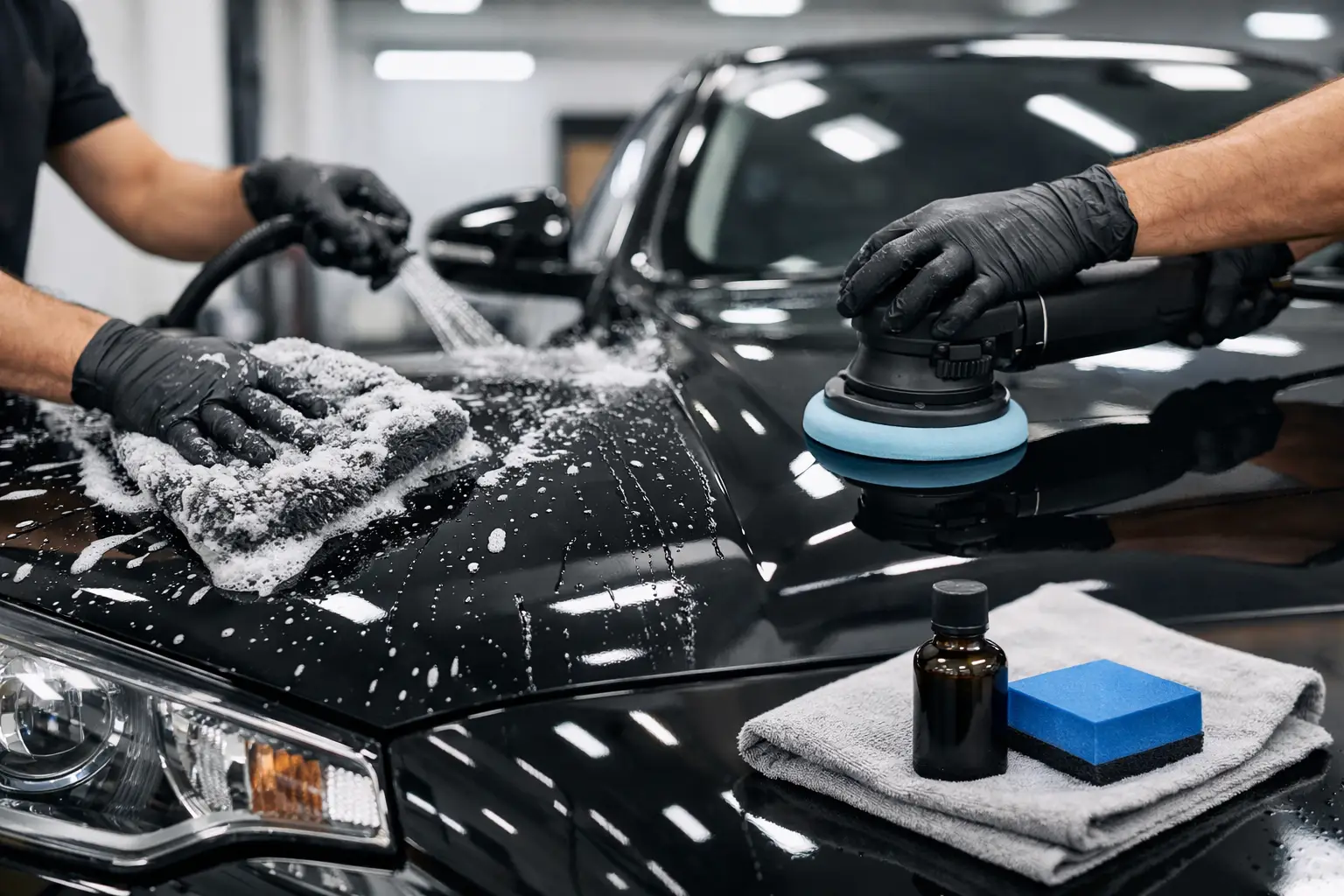
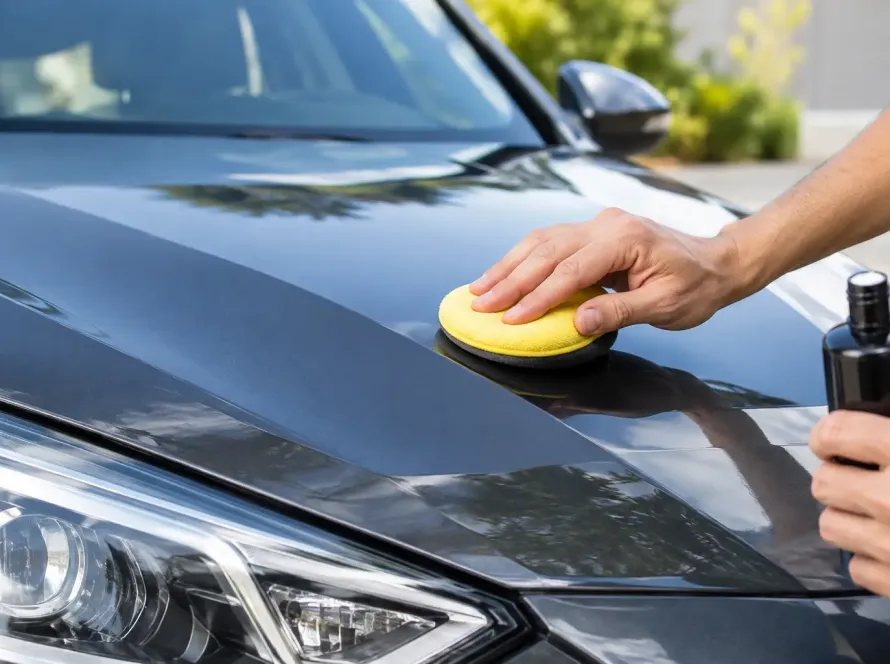
A deep, glossy finish can be dulled in a matter of minutes by an ordinary wash carried out with the wrong tools. Paint swirl prevention is not about treating your car delicately for the sake of it. It is about stopping fine scratches from building up until sunlight reveals a web of marks across the bonnet, doors and boot lid.
Swirls are among the most common reasons a vehicle loses that crisp, showroom-level reflection. They affect every colour, although dark paint makes them especially obvious. The good news is that most swirls are avoidable. With the right wash routine, quality materials and professional protection, your paint can retain its clarity far longer.
What Paint Swirls Really Are
Paint swirls are fine, circular scratches in the clear coat, the transparent protective layer above your vehicle’s colour. They are usually not deep enough to catch a fingernail, but they scatter light rather than reflecting it cleanly. Under direct Maltese sunshine, forecourt lighting or a phone torch, that scattered light becomes highly visible.
Despite the name, swirl marks are not always created in circles. Straight-line marring, towel marks and hazy patches can produce the same dull appearance. The common factor is friction: dirt is dragged across the surface during washing, drying or even casual wiping.
A quick machine polish can often reduce or remove light swirls, but correction involves carefully levelling a minute amount of clear coat. It is far better to preserve that paint thickness wherever possible. Prevention protects the appearance of your car and keeps more options available over its lifetime.
Paint Swirl Prevention Starts Before You Touch the Paint
The highest-risk moment in any wash is not the shampoo stage. It is the moment someone touches a dusty panel before loose contamination has been safely removed. Sand, road film, salt residue and airborne dust act like abrasives when trapped beneath a sponge, mitt or towel.
Start with a thorough pre-rinse using clean water. The aim is to remove as much loose debris as possible without physical contact. A quality pre-wash product can help soften traffic film and grime, particularly around lower doors, bumpers, wheel arches and the rear of the vehicle.
Give the product time to work, but do not allow it to dry on the paint in warm conditions. Malta’s strong sun can shorten working times considerably, so washing early in the morning, later in the afternoon or in shade makes a genuine difference. A cool panel is safer to clean and less likely to develop water spotting.
Only once the loose contamination has been rinsed away should a wash mitt make contact with the paint. This single change in sequence removes much of the risk associated with routine washing.
Use the right wash media
A soft, high-quality microfibre wash mitt is designed to lift dirt away from the surface and hold it within its fibres. Old sponges, rough mitts and household cloths tend to keep grit close to the paint, where it can be dragged from panel to panel.
The same rule applies to brushes. Brushes may be useful for tyres, wheel barrels and textured trim when used appropriately, but they do not belong on painted bodywork. Neither does a washing-up sponge, even if it looks clean.
Use a separate mitt for the lower sections of the car. The sills, lower doors and rear bumper collect heavier grit than the upper panels, and mixing that contamination into the same mitt used on the bonnet is an avoidable compromise.
Wash With Control, Not Pressure
A safe contact wash should feel methodical rather than rushed. Work from the cleanest areas downwards: roof, glass, bonnet and upper panels first, followed by the dirtier lower sections. Wash one panel at a time using straight, overlapping passes rather than tight circular motions.
A two-bucket method remains a sound approach for owners washing at home. One bucket holds the shampoo solution and the other clean rinse water. After each section, rinse the mitt thoroughly before returning it to the shampoo bucket. Grit guards can add another layer of protection by helping debris settle at the bottom rather than returning to the mitt.
Do not press hard. Let the lubricity of a pH-neutral car shampoo and the pile of the mitt do the work. Pressure does not improve cleaning when the panel is properly pre-washed. It simply increases the chance that any missed particle will mark the clear coat.
Automatic car washes are another consideration. A touchless wash can be useful for removing loose dirt between proper details, although it may not provide a complete finish. Brush-based automatic washes, however, can transfer contamination from vehicle to vehicle and are a frequent cause of widespread marring. Convenience has a cost when paint clarity matters.
Drying Is Where Good Work Is Often Lost
A vehicle can be washed carefully and still leave the driveway with fresh marks if it is dried using a poor towel or an aggressive technique. Chamois leathers, worn bath towels and silicone blades can all create unnecessary friction. A drying blade can also trap a single grain of dirt and pull it across an entire panel.
Choose plush, clean microfibre drying towels made specifically for automotive paint. Rather than rubbing vigorously, lay the towel across the panel and gently pat or draw it over the surface with minimal pressure. A filtered air blower is also excellent for clearing water from mirrors, badges, grilles and panel gaps before towel drying.
Clean towels are non-negotiable. Fabric softener can coat microfibre fibres and reduce their ability to absorb safely, while a towel dropped on the ground should not return to the paint. Keep separate cloths for paintwork, wheels, glass and interiors, and wash them after use with a suitable microfibre detergent.
Avoid dry wiping between washes
Few habits create swirls faster than wiping dust from dry paint with a sleeve, tissue, duster or quick-detail cloth. Even a light layer of dust contains abrasive particles. If the car needs attention between washes, use a properly lubricated detail spray with a clean microfibre towel for very light contamination, or arrange a safe rinse and wash for anything heavier.
Bird droppings, insect residue and tree sap should be removed promptly because they can etch into the clear coat. The key is lubrication and patience. Soften the contamination first with a dedicated product or damp microfibre, then lift it away gently rather than scraping at it.
Protection Makes Every Wash Safer
Paint protection does not make a vehicle scratch-proof. It does, however, create a smoother, more hydrophobic surface that releases dirt more easily and reduces the effort needed during future washes. Less bonded contamination means less contact and less friction.
A quality wax or sealant can enhance gloss while providing a sacrificial barrier. Ceramic coatings offer more durable chemical resistance and water behaviour when professionally prepared and maintained. Paint protection film provides the highest physical defence against stone chips and road debris on vulnerable areas such as the front bumper, bonnet edge, wing mirrors and sills.
The right choice depends on how the car is used. A cherished weekend vehicle may suit a carefully maintained wax finish. A daily-driven executive car, performance model or family SUV exposed to sun, motorway debris and regular use may benefit more from ceramic coating or strategically applied paint protection film.
Protection also makes maintenance more satisfying. Water sheets or beads away, grime releases more readily, and the gloss appears sharper because the surface remains cleaner. It is a practical investment in preserving the work that goes into a proper detail.
When Swirls Are Already Visible
If swirls have already taken hold, resist the temptation to attack them with an abrasive polish bought off the shelf. Some marks may be light enough for a single-stage enhancement, while others need more measured paint correction. The correct approach depends on paint hardness, clear-coat thickness, previous repairs and the depth of the damage.
A professional inspection allows the paint to be assessed before polishing begins. The goal is not simply to chase every visible defect. It is to achieve a remarkable improvement while respecting the integrity of the paintwork. Once correction is complete, applying a suitable protective treatment and adopting a safer maintenance routine keeps that clarity from fading prematurely.
At GloboWax Malta, this balance of correction and protection is central to the finish. A vehicle should look transformed on collection day, but it should also be equipped to stay that way through real daily use.
Your car does not need to be hidden away to retain a flawless finish. It needs thoughtful care at the moments that matter most: before washing, during contact, while drying and after correction. Treat each wash as maintenance for an asset you value, and the shine will continue to reflect the standards behind it.