A daily driver faces the conditions that slowly take the shine out of a car: relentless sun, airborne salt, dust, traffic film, bird droppings and hurried washes. Ceramic coating for daily drivers is designed to make that ownership reality easier to manage, while keeping the paintwork looking sharper for longer. It is not a force field, but when the preparation and application are right, it is one of the most effective ways to protect a car that is used every day.
For Malta drivers, the case is particularly strong. UV exposure, coastal air and dry, dusty roads can quickly leave unprotected paint looking flat and tired. A professionally applied coating gives the surface a deeper gloss, greater resistance to contamination and a finish that is far easier to maintain.
What ceramic coating actually does
Ceramic coating is a liquid polymer applied to properly prepared paintwork. Once cured, it forms a durable, transparent layer that chemically bonds with the surface. The result is a slick, highly hydrophobic finish that repels water and reduces the grip of dirt, grime and other contaminants.
That hydrophobic behaviour is what owners notice first. Rainwater beads and rolls away more readily, wash water carries away loose dirt with less effort, and the car retains a freshly detailed appearance between cleans. The gloss is not simply cosmetic, either. A coating enhances the clarity of the paint beneath it, giving the bodywork a richer, more refined finish.
For a car used for commuting, school runs, meetings and weekend drives, that reduction in maintenance effort matters. You still need to wash the vehicle correctly, but you spend less time fighting traffic film and less risk damaging the paint through aggressive scrubbing.
Ceramic coating for daily drivers in Malta
A daily-driven car needs protection that suits real conditions, not just a perfect showroom environment. Malta’s sunlight can fade and oxidise neglected paint over time, while salt in the air can settle on exterior surfaces. Add construction dust, tight parking spaces and frequent stop-start driving, and the finish is continually under pressure.
Ceramic coating provides a sacrificial barrier between those elements and the clear coat. It helps reduce the impact of UV exposure, acidic bird droppings, tree sap and road grime when these contaminants are removed promptly. It also makes routine washing safer because dirt releases more easily from the surface.
The key word is reduce. A ceramic coating does not make paint invulnerable to scratches, stone chips or careless parking. It will not prevent a trolley mark, repair existing swirl marks or replace paint protection film in high-impact areas. Owners who expect those results will be disappointed. Owners who want a cleaner, glossier car that is genuinely easier to preserve will see the value immediately.
The finish depends on the preparation
The quality of a ceramic coating is decided long before the coating bottle is opened. Applying protection over dull paint, embedded contamination or swirl marks simply locks those defects beneath a glossy layer. The coating may bead water, but the finish will not look its best.
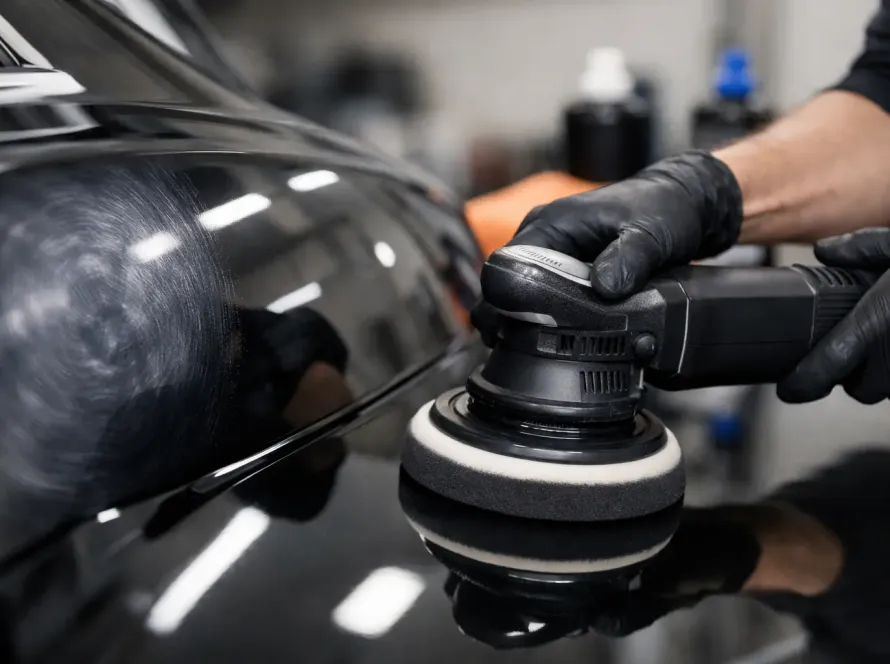
Professional preparation begins with a careful wash and decontamination process to remove bonded fallout, tar and residue. The paint is then assessed under proper lighting. Where required, paint correction or polishing refines the surface, reducing swirls, light scratches and haze to restore depth and clarity.
Only then is the coating applied in a controlled manner. Precision matters: the surface must be clean, panels must be worked methodically, and excess product must be levelled correctly before curing. This is why a specialist application delivers a different result from a quick retail kit used on an unprepared car.
At GloboWax Malta, ceramic protection is approached as the final stage of a complete finish transformation, not as a shortcut. That distinction protects both the appearance of the vehicle and the value of the investment.
Is it worth it for an everyday car?
For many owners, ceramic coating is often associated with supercars or cherished weekend vehicles. In practice, a daily driver may benefit even more because it encounters more contamination, more weather exposure and more frequent washing.
It is especially worthwhile if you keep your car outdoors, value a consistently polished appearance or intend to own the vehicle for several years. It can also make sense for leased vehicles and newer cars where preserving the condition of the paintwork supports a stronger handover or resale position.
The value is not only in the gloss. It is in the hours saved over repeated washes, the confidence that grime is less likely to bond aggressively to the paint, and the satisfaction of stepping into a car that still looks cared for after a demanding week. For professionals who arrive at client meetings in their vehicle, that standard of presentation carries weight.
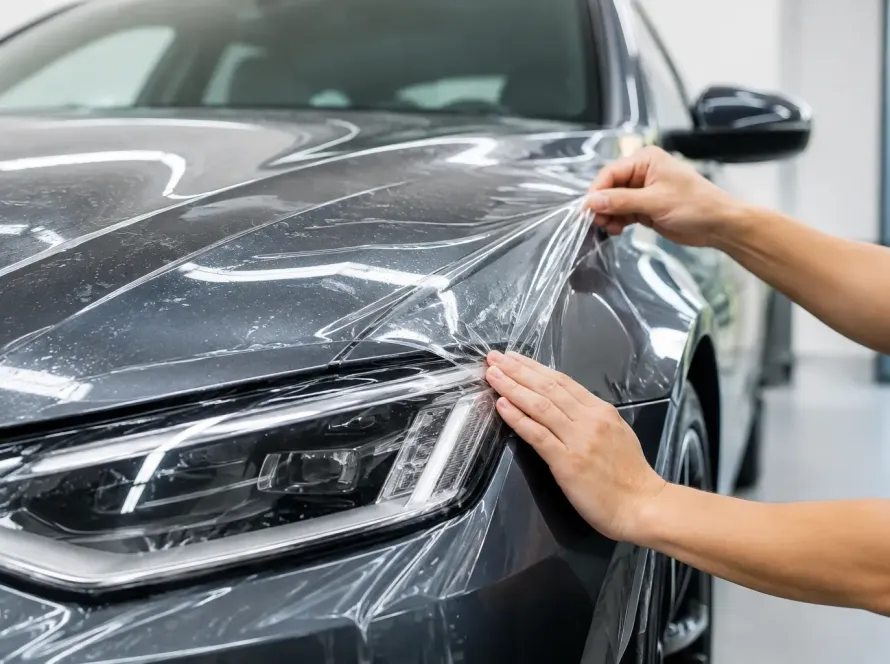
There are cases where another option may be better. If a vehicle has significant paint damage, correction should come first. If the front end is regularly exposed to motorway debris, paint protection film on vulnerable areas can offer stronger physical defence against chips. Ceramic coating and paint protection film can also work together, delivering impact protection where it is needed and exceptional gloss across the wider vehicle.
What ceramic coating will not do
Clear expectations lead to better results. Ceramic coatings are strong chemical and environmental protectants, but they are not armour. They cannot stop deep scratches, prevent stone chips or remove the need for maintenance.
A coated vehicle can still develop swirl marks if it is washed with dirty sponges, harsh brushes or poor technique. Automatic car washes with abrasive rollers remain a risk. Bird droppings and tree sap should still be removed quickly, particularly in hot weather, because heat can accelerate staining.
The coating also does not eliminate the need for a regular wash. Instead, it makes correct washing more efficient. A pH-neutral shampoo, clean wash media and gentle drying methods will preserve the coating and the paint beneath it. This is the difference between simply owning protection and getting the full lifespan from it.
Maintaining a coated daily driver
The best maintenance routine is uncomplicated. Wash the car before dirt becomes heavily bonded, rinse thoroughly to remove loose particles, and avoid harsh degreasers unless they are suitable for coated surfaces. Drying with clean, quality microfibre towels prevents water spots and maintains the crisp finish that made the coating worthwhile.
If the car is parked outside, a regular maintenance wash is more valuable than waiting until it looks visibly dirty. Salt residue, dust and mineral-rich water deposits can build gradually. Prompt care keeps the hydrophobic effect performing as it should and allows you to spot issues early.
Professional inspections and maintenance treatments can also help assess the condition of the coating over time. Protection is not a set-and-forget promise. It is a high-performance surface that responds best to thoughtful care.
Choosing the right protection package
The right ceramic coating package depends on the vehicle’s age, paint condition, where it is parked and how it is used. A newer car may need lighter paint refinement before protection, while an older daily driver may benefit from more extensive correction to remove years of wash marks and dullness.
Be honest about your routine. If you enjoy maintaining your car and wash it carefully, a coating will reward that effort with remarkable gloss and easier cleaning. If you need a vehicle that stays presentable through a busy schedule, it can reduce the work required to keep it looking well cared for. Either way, professional preparation is where lasting results begin.
A daily driver does not have to look daily-driven. With the right correction, protection and maintenance, every journey can begin with paintwork that reflects the same standards you bring to the rest of your life.