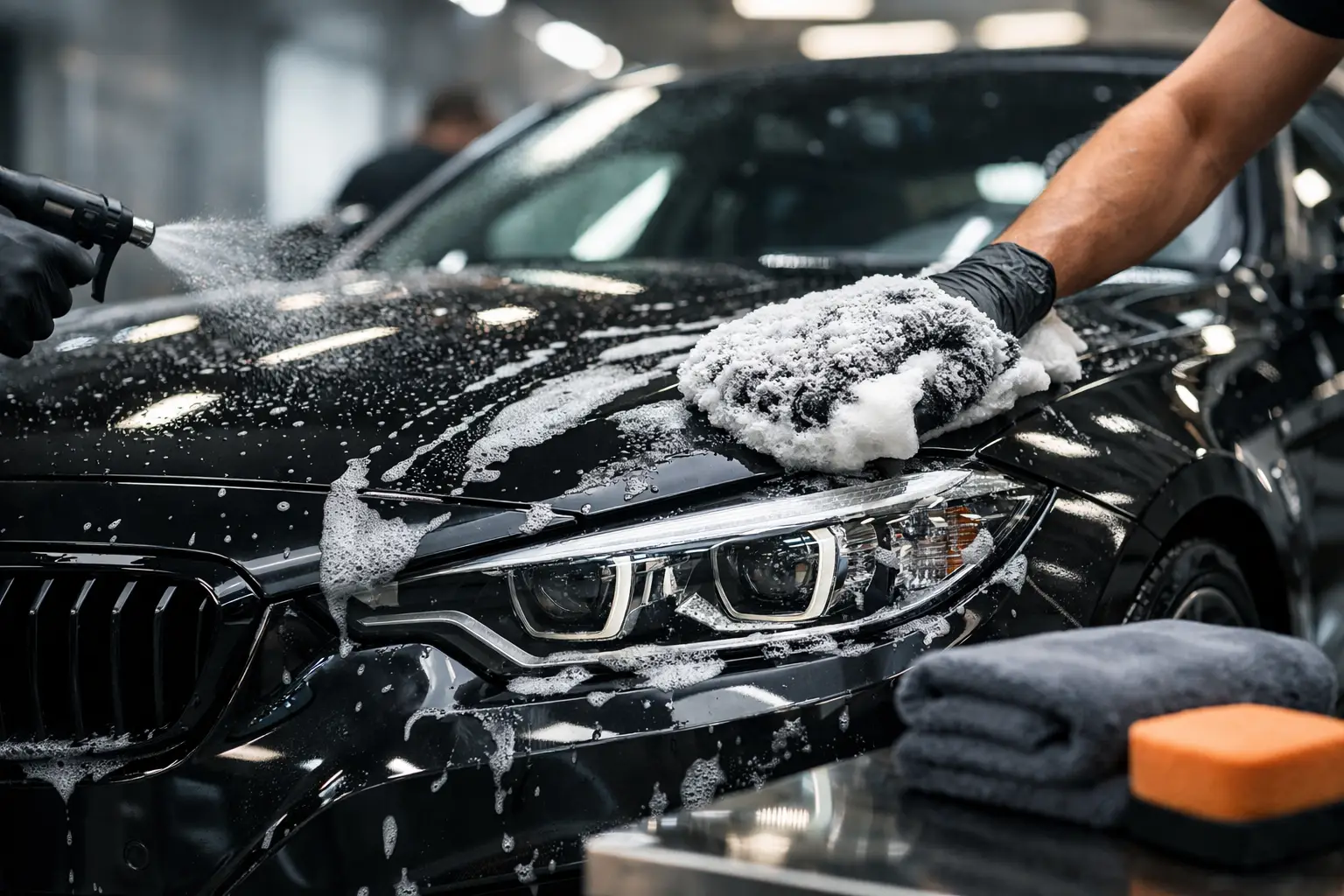
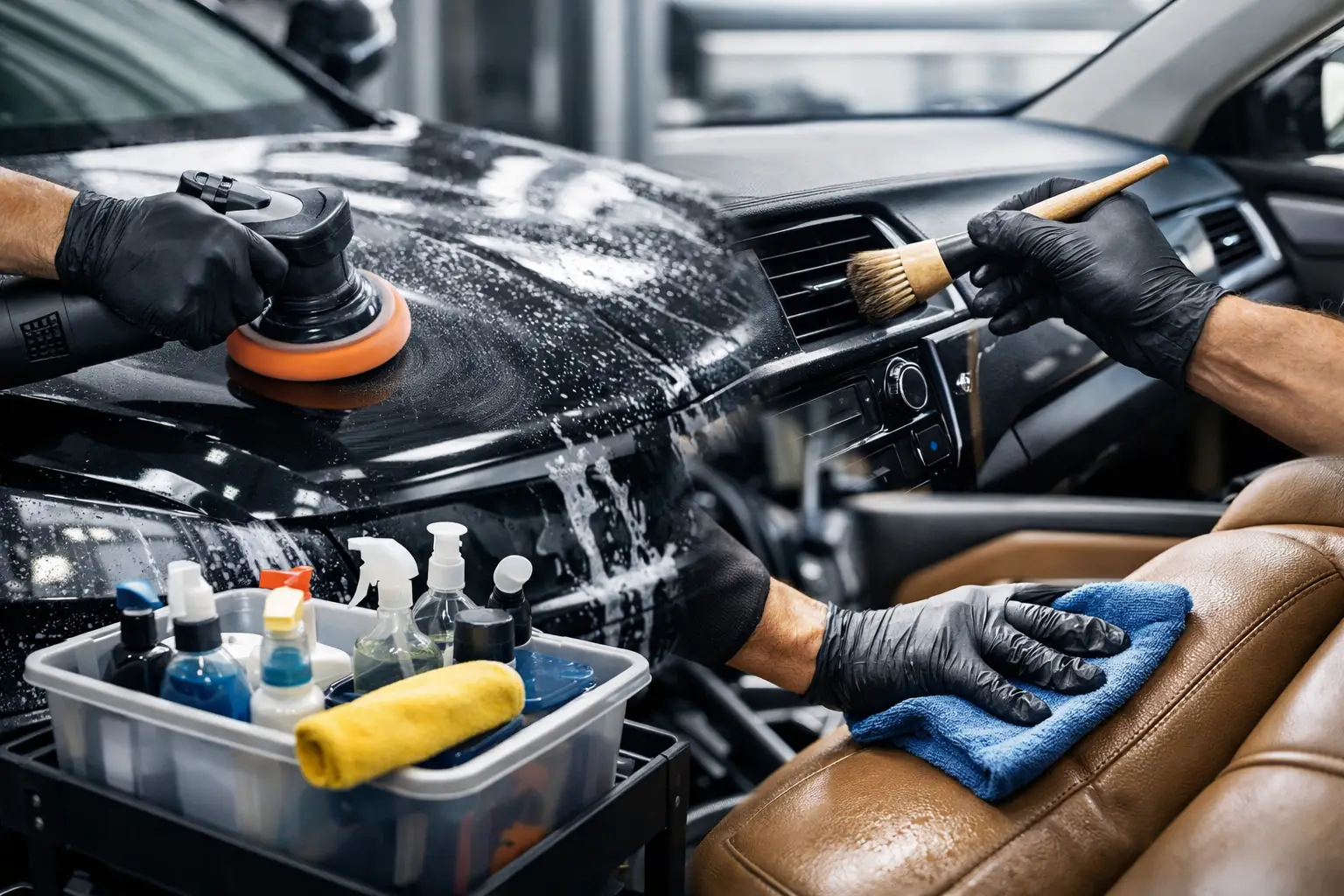
A proper car detailing service guide starts with a simple distinction: washing removes loose dirt, while detailing restores, refines and protects every surface that makes your vehicle feel exceptional. For owners in Malta, that difference matters. Intense sun, airborne dust, coastal salt and daily traffic can quickly dull paintwork, dry interior materials and reduce the crisp appearance that supports a vehicle’s pride and resale value.
Professional detailing is not about applying shine for one afternoon. It is a considered process that assesses the condition of the vehicle, corrects what can be improved, and adds protection suited to how the car is driven, stored and maintained.
What a Car Detailing Service Guide Should Cover
The right service begins with the vehicle in front of you, not a fixed package sold to every owner. A newer car may need decontamination and long-term paint protection before damage takes hold. A well-used daily driver may benefit more from interior restoration, single-stage polishing and durable protection. A prestige or performance vehicle with visible swirls, scratches or oxidation may require multi-stage paint correction before a ceramic coating or paint protection film is applied.
This tailored approach prevents two common disappointments. The first is paying for a premium protective treatment over paint that has not been properly prepared. The second is choosing an intensive correction when the goal is simply to refresh a family car and keep it easy to maintain. The best result is not always the most extensive service. It is the treatment that addresses the car’s condition and your expectations.
Exterior detailing: beyond a clean bodywork finish
Exterior detailing normally begins with a safe wash process designed to lift grime without adding fresh marring to the paint. Wheels, tyres, arches, door shuts and lower panels deserve particular attention because they collect the most stubborn contamination. A specialist will also remove bonded contaminants such as tar, iron fallout and tree sap that ordinary washing leaves behind.
Once the surface is clean, the paint can be inspected properly under controlled lighting. This reveals swirl marks, light scratches, haze, water spotting and oxidation that may be hidden outdoors. Polishing then refines the clear coat to improve gloss, colour depth and clarity.
Paint correction takes this further. It is a precision process that removes or reduces defects through measured machine polishing. Not every scratch can be safely removed, and a responsible detailer will explain that limitation rather than chase perfection at the expense of paint thickness. Deep marks that catch a fingernail may be softened substantially but not eliminated completely. Preserving the integrity of the paint always comes first.
Headlight restoration is another high-value exterior treatment. Clouded lenses reduce the clean, modern look of a vehicle and can compromise night-time visibility. Restoring and protecting them can make an immediate difference without replacing the units.
Interior detailing: the part you experience every day
A polished exterior creates the first impression, but the cabin is where drivers and passengers spend their time. Interior detailing focuses on the surfaces that accumulate body oils, dust, spills, odours and wear: seats, carpets, mats, leather, steering wheels, trim, vents and glass.
The goal is not to leave every surface overly glossy or heavily fragranced. A quality interior should feel clean, fresh and correctly finished. Leather should retain a natural appearance, not become slippery. Dashboard materials should look even and protected without glare on the windscreen. Fabric seats and carpets should be cleaned with methods appropriate to their condition, then thoroughly dried to avoid lingering dampness or odour.
Seat protection is particularly worthwhile for light-coloured upholstery, family vehicles and cars used daily. It creates a practical barrier against staining and makes regular cleaning easier. As with paint protection, it works best when applied to a properly prepared surface.
Choosing the Right Level of Paint Protection
After correction or enhancement, the paint needs protection. This is what helps maintain gloss, repel contamination and reduce the effort required to keep the vehicle looking its best. The right choice depends on budget, expected ownership period, parking conditions and maintenance habits.
A professional wax or sealant delivers a rich finish and worthwhile short-to-medium-term protection. It suits owners who enjoy regular detailing appointments and want an enhanced look without committing to a longer-term coating.
Ceramic coating provides a more durable protective layer with strong gloss, water behaviour and resistance to everyday contaminants. It can make maintenance more straightforward, but it is not invincible. Ceramic coatings do not prevent stone chips, eliminate the need for washing or make a car scratch-proof. Their performance depends heavily on preparation, correct application and ongoing care.
Paint protection film is the stronger choice for high-impact areas where physical damage is the main concern. Bonnet edges, front bumpers, mirrors, sills and rear arches are common areas for protection from stone chips and road debris. It is especially valuable for performance cars, new vehicles and owners who cover significant mileage. Film and ceramic coating can also work together: film for impact-prone panels, coating for gloss and easier maintenance across the wider vehicle.
Window tinting can complement paint protection by improving cabin comfort, reducing glare and helping shield interior materials from UV exposure. The appropriate shade should always be selected with visibility, legal requirements and the intended use of the vehicle in mind.
How to Judge a Detailing Service Before You Book
A detailing appointment should feel specific to your car rather than rushed or vague. Ask what preparation is included, how the paint is assessed, which surfaces will be protected and what aftercare the treatment requires. Clear answers are a sign of a specialist process.
It is also sensible to ask whether the quoted correction level is realistic. A professional should be able to describe the likely improvement without promising to remove every imperfection. Paint condition, previous repairs, panel material and the history of the vehicle all affect what is possible.
Look for an approach that respects delicate materials. Matte paint, satin wraps, soft clear coats, older leather, piano-black trim and polished metal all require different products and techniques. One-size-fits-all cleaning can create damage where none existed.
At GloboWax Malta, this level of assessment is central to the work. Each treatment is designed around visible improvement and long-term preservation, using professional-grade products, careful preparation and the precision developed through years of specialist experience.
Maintaining the Finish After Professional Detailing
The way a vehicle is washed after detailing has a direct effect on how long the result lasts. Avoid harsh roadside brushes and strong detergent products that can reduce the performance of waxes, coatings and trim dressings. Use pH-appropriate products, clean wash media and a method that keeps grit away from the paint wherever possible.
Do not wait until contamination is baked onto the bodywork. Bird droppings, insect residue, salt spray and tree sap should be removed promptly, particularly in warm Maltese conditions. These contaminants can mark unprotected paint and may still cause damage if left too long on a coated surface.
For coated vehicles, regular maintenance washes are usually more effective than occasional aggressive cleaning. The same principle applies inside: vacuum routinely, deal with spills quickly and avoid household cleaners on leather, screens and sensitive trim.
A maintenance detail every few months can keep the vehicle at a high standard, refresh protective layers where needed and identify small issues before they become more expensive to correct. Vehicles stored outdoors, driven near the coast or used frequently may need attention more often than weekend cars kept under cover.
When Detailing Delivers the Greatest Return
Detailing is most valuable before a problem becomes obvious. Booking paint protection soon after purchasing a new or nearly new car preserves the finish while it is still in excellent condition. Correcting neglected paint before selling can improve buyer confidence and make photographs far more compelling. Restoring an interior before a lease return or private sale can also prevent a tired cabin from undermining an otherwise well-maintained vehicle.
Yet the strongest reason to detail is often more personal. A vehicle that looks cared for is simply better to own. The paint has depth, the cabin feels inviting, the headlights are clear and washing becomes less of a chore. Treat professional detailing as planned vehicle care, not a last-minute cosmetic fix, and every journey begins with a higher standard.