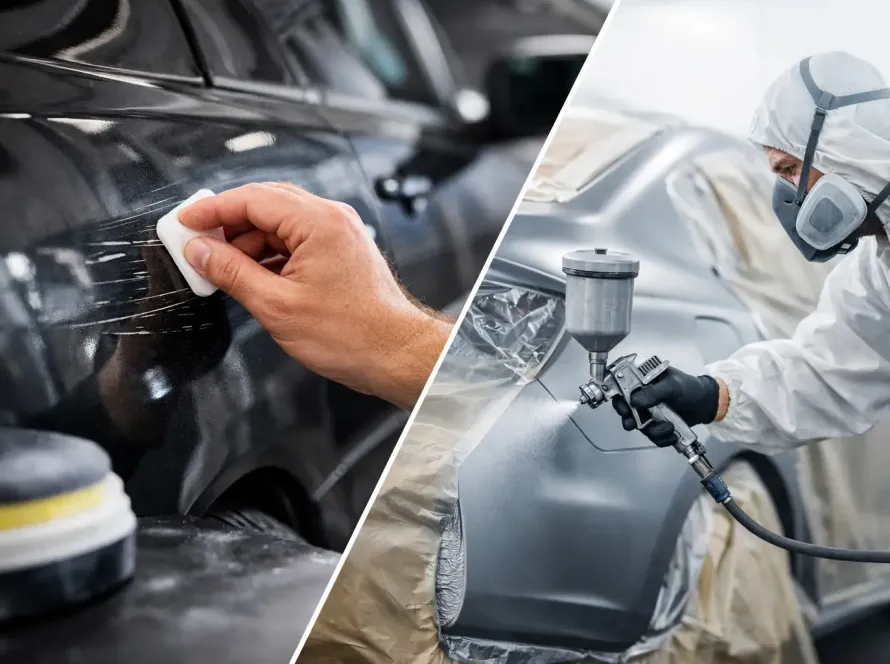
A car can be freshly washed, waxed, and still look tired under direct light. That is usually the moment owners start asking, is paint correction worth it? If your paintwork shows swirl marks, light scratches, oxidation, haze, or a dull finish that never seems to improve, the answer can be yes – but only when the condition of the paint, the value of the vehicle, and your expectations all line up.
Paint correction is not a fancy wash and it is not a temporary gloss enhancer. It is a specialist process that removes or significantly reduces imperfections within the clear coat to restore clarity, depth, and reflectivity. Done properly, it can transform the way a vehicle looks. Done for the wrong reasons, or on the wrong car, it can be money spent where a simpler service would have been enough.
What paint correction actually does
Modern paintwork is covered by a clear coat. Over time, poor washing methods, road contamination, automatic car washes, bird droppings, UV exposure, and everyday use leave that surface marked. The result is often swirls, fine scratches, water spot etching, oxidation, and a general loss of gloss.
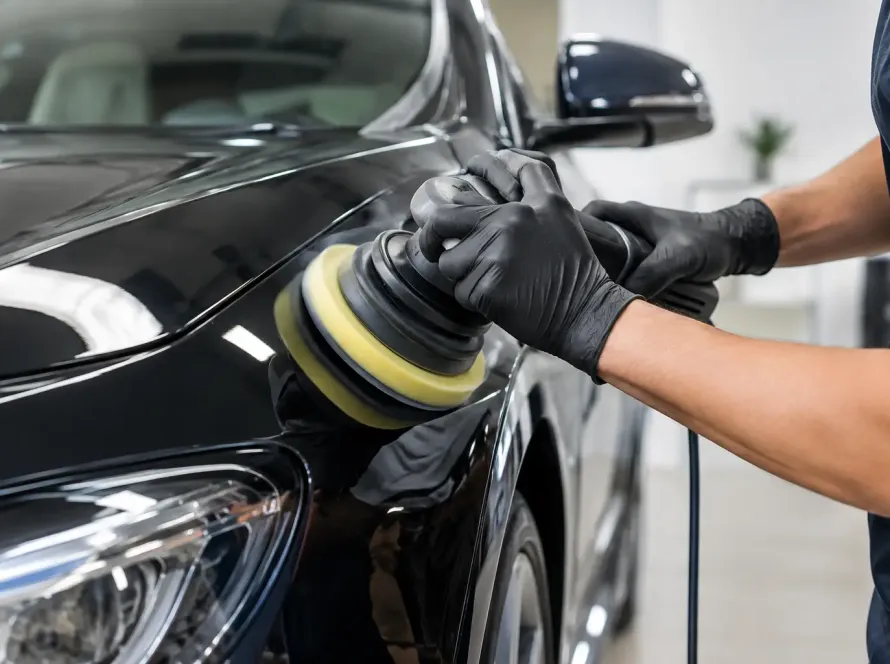
Paint correction works by carefully machine polishing the clear coat to level out those defects. The goal is not to hide damage with fillers. The goal is to refine the surface so light reflects evenly again. That is where the rich gloss, sharp reflections, and clean finish come from.
The key point is that correction removes defects rather than masking them. That is why the results are so much more dramatic than a standard polish or quick valeting treatment.
Is paint correction worth it for every car?
Not every vehicle needs it, and not every owner will benefit from it in the same way. If you drive an older daily car with heavily neglected paint and you are simply looking for a cleaner, smarter appearance, a single-stage enhancement polish may be the better choice. It can improve gloss without the time and cost of deeper corrective work.
On the other hand, if you own a prestige vehicle, performance car, cherished family car, or a newer model you want to keep in top condition, paint correction often makes strong sense. It restores the finish closer to its true potential and creates the ideal foundation for long-term protection such as ceramic coating or paint protection film.
So when people ask if paint correction is worth it, the real answer is this: it depends on what the car means to you, how far the paint has declined, and whether you care about a finish that looks properly refined rather than simply clean.
When the investment makes the most sense
Paint correction delivers the strongest value when the defects are visible enough to affect the overall appearance, but not so deep that repainting is the only real fix. Swirl marks from improper washing are a classic example. In daylight they can flatten the finish and make even an expensive vehicle look average.
It is also worth considering before applying any protective coating. A ceramic coating will lock in the condition of the paint beneath it. If the paint is full of haze and fine scratches, the coating will protect that flawed finish. Correct first, protect second – that is how you get the best visual result and the best return from the coating itself.
Resale is another reason. Buyers notice glossy, well-kept paintwork immediately. Even if they do not know the term paint correction, they recognise a car that has been properly cared for. A corrected finish can help support perceived value and make the vehicle more appealing when it is time to sell.
When it may not be worth it
There are cases where paint correction is not the smartest use of your budget. If the paint has severe stone chipping, lacquer failure, deep scratches through the clear coat, or previous poor-quality body repairs, polishing alone will not solve the problem. A good detailer will be honest about that.
It may also be unnecessary if you are planning to sell a lower-value car very soon and only want it presentable for viewings. In that case, a thorough detail and light enhancement may give you enough improvement without going further.
Another factor is ownership habits. If a car is corrected to a high standard and then repeatedly put through harsh automatic washes, the finish will quickly lose that refined look. Paint correction is worth more to owners who are prepared to maintain the result properly.
The difference between cost and value
Paint correction is labour-intensive, highly skilled work. The price reflects the inspection, preparation, machine polishing stages, paint depth awareness, and finishing required to deliver a safe and meaningful result. This is not just about making paint shiny. It is about removing defects with precision.
That is why cheap offers can be misleading. A rushed job may leave holograms, uneven results, or unnecessary clear coat removal. Proper correction takes time because every panel, contour, and defect pattern needs to be assessed individually.
Real value comes from the finish achieved and the confidence that the paint has been treated correctly. For owners who want genuine transformation, not surface-level gloss, that difference matters.
What results should you realistically expect?
A reputable specialist should improve the finish significantly, but not promise miracles. Some defects can be safely removed. Others can only be reduced. Deep random scratches, etched marks, and previous damage may remain visible to some degree.
That does not mean the service has failed. In many cases, a 70 to 90 per cent improvement completely changes the way the car presents. The paint looks clearer, darker, glossier, and more uniform. Under sunlight, the reflections sharpen. Under workshop lighting, the haze and swirls are reduced or eliminated.
The best paint correction results do not look artificial. They look like the vehicle has been restored to a standard it should have had all along.
Is paint correction worth it before ceramic coating?
In most cases, yes. If you are already investing in ceramic coating, skipping correction can be a false economy. Coating over flawed paint preserves those flaws. Correcting the paint first means the coating protects a far better surface and enhances the final appearance more convincingly.
This matters especially on black, navy, grey, and other darker colours where swirl marks are more obvious. These finishes reward proper correction because the improvement in depth and gloss is immediate.
At GloboWax Malta, this is why correction and protection are often considered together rather than as separate decisions. The finish only performs at its best when the surface underneath has been properly refined.
How to decide if your car is a good candidate
Start with a simple question: does the paint still look impressive in direct sunlight, or only when it is wet? If the shine disappears once the wash is over, there is usually surface damage limiting the finish.
Then consider your goals. If you want your car to look exceptional, preserve value, and hold onto that freshly detailed appearance for longer, correction is often a smart move. If you simply want it cleaner than it is now, a lower-level service may be enough.
It also helps to think long term. Paint correction is rarely just about today’s shine. It is about restoring the finish so future protection works better and regular maintenance becomes more rewarding.
The real question behind “is paint correction worth it”
Usually, this question is not really about polishing. It is about standards. Some owners are content with tidy. Others want their vehicle to reflect the same care they apply to every other investment they make. If you notice defects every time the light hits the bonnet, if poor paintwork undermines the look of the whole car, and if you want more than a temporary cosmetic lift, paint correction earns its place.
For the right vehicle and the right owner, it is one of the most visible improvements you can make. Not because it is fashionable, but because refined paint changes everything else around it – gloss, depth, presence, and pride of ownership.
If you are on the fence, the best next step is not to guess from photos online. Have the paint assessed properly, understand what can realistically be achieved, and choose the level of correction that matches both the car and your expectations. A premium finish is never accidental, and when the paint is corrected well, you see that every time the light catches it.