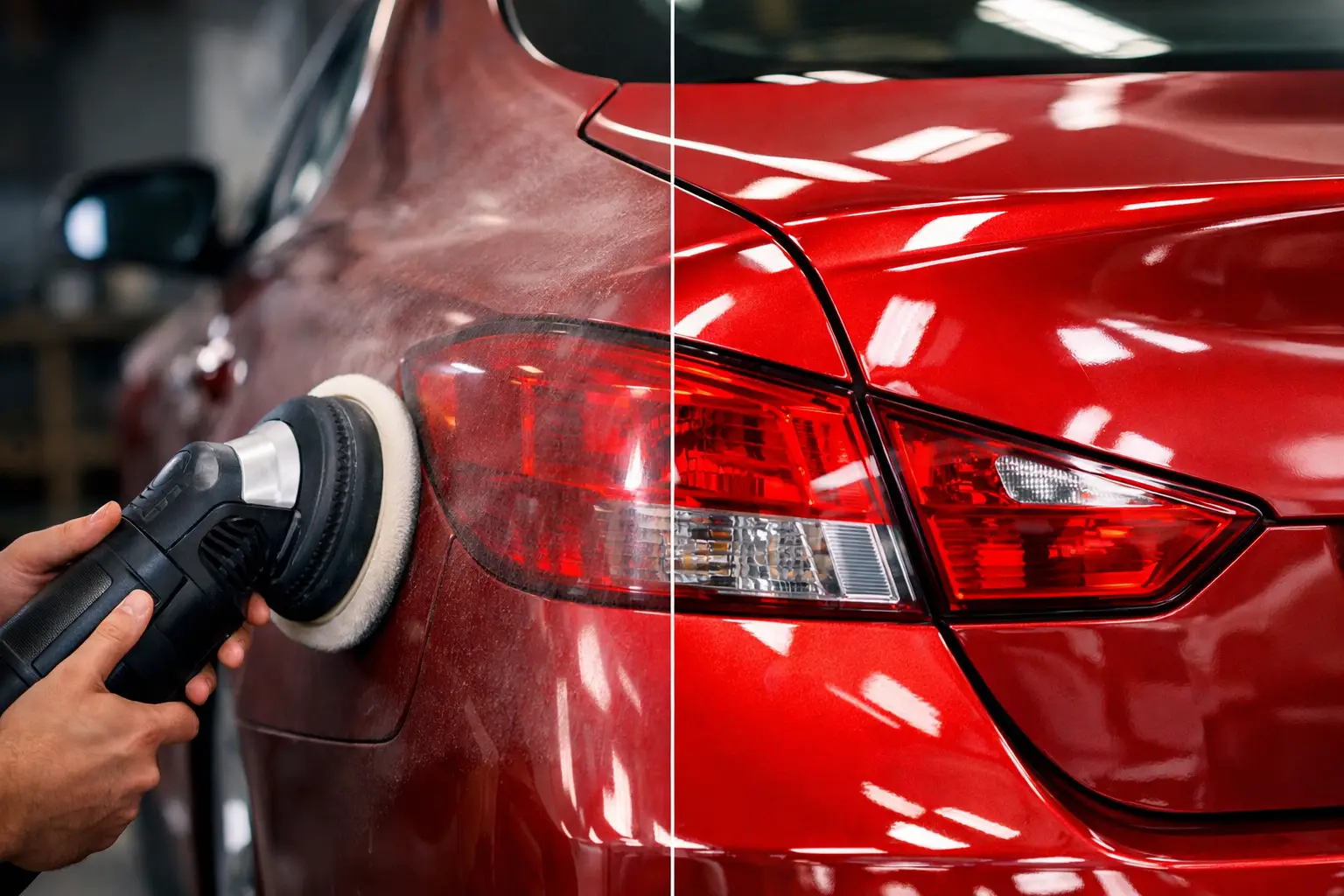
You collect the car after a proper correction, step into the light, and the paint looks deeper, sharper and dramatically cleaner. Then the obvious question follows – is paint correction permanent? The honest answer is no, not in the strict sense. Paint correction permanently removes the defects that are safely polished away at the time, but the finish is still exposed to future washing marks, environmental fallout, UV, road grime and poor maintenance.
That distinction matters. A high-level correction is not a cosmetic cover-up. It is a precise refinement of the clear coat designed to remove or reduce swirl marks, oxidation, haze and light scratches. The improvement is real. What is not permanent is the condition of the paint after the vehicle returns to everyday use.
Is paint correction permanent or temporary?
Paint correction sits somewhere between permanent and temporary, and that is why so many owners get mixed messages.
When a defect is truly removed through machine polishing, it is gone from the surface that was corrected. It has not been hidden with fillers or masked with glaze. In that sense, the result is permanent. However, the car is not sealed away from the world afterwards. New defects can appear the next time the vehicle is washed badly, parked under the wrong tree, brushed with dusty towels or left exposed to contaminants for too long.
So the corrected defects do not come back by themselves, but fresh damage can make it look as though the correction has faded. For owners who expect a one-time treatment to keep paint flawless forever, that can feel disappointing. For owners who understand correction as a restorative process followed by protection and proper care, it makes perfect sense.
What paint correction actually does
Modern vehicle paint usually consists of layers, with a clear coat sitting above the base colour. Paint correction works within that clear coat. Using measured machine polishing and carefully selected compounds and pads, a detailer levels out microscopic imperfections so the surface reflects light more evenly.
That is why corrected paint looks richer and glossier. You are not adding artificial shine. You are restoring clarity.
The level of correction depends on the starting condition of the vehicle. Some cars need only a single-stage polish to lift haze and improve gloss. Others require multi-stage correction to tackle deeper swirl marks, random isolated scratches and more severe dullness. The goal is always the same – maximum improvement with sensible paint preservation.
A professional detailer will never chase perfection at the expense of clear coat health. That is where experience matters. Premium correction is not aggressive polishing for the sake of dramatic before-and-after photos. It is controlled refinement.
Why corrected paint does not stay flawless forever
Even after an excellent correction, your car still lives in the real world. In Malta especially, strong sun, airborne dust, coastal contamination and regular road use all work against a pristine finish.
Poor washing is the biggest culprit. Most swirl marks are not created on the road. They are installed during cleaning. Cheap sponges, dirty mitts, automatic car washes and rushed drying all drag contamination across the paint. It only takes a few careless washes to introduce fresh marring.
Then there is environmental exposure. Bird droppings, bug remains, tree sap, water spotting and industrial fallout can all mark the surface if left too long. UV exposure also gradually affects how paint presents over time, particularly on vehicles that spend long hours outdoors.
This is why the right question is often not simply, is paint correction permanent, but how long will the corrected finish stay at its best? That answer depends heavily on what happens next.
What makes paint correction last longer
The finish after correction can remain stunning for a very long time if it is properly protected and maintained. This is where owners often see the greatest difference between a good result and a lasting one.
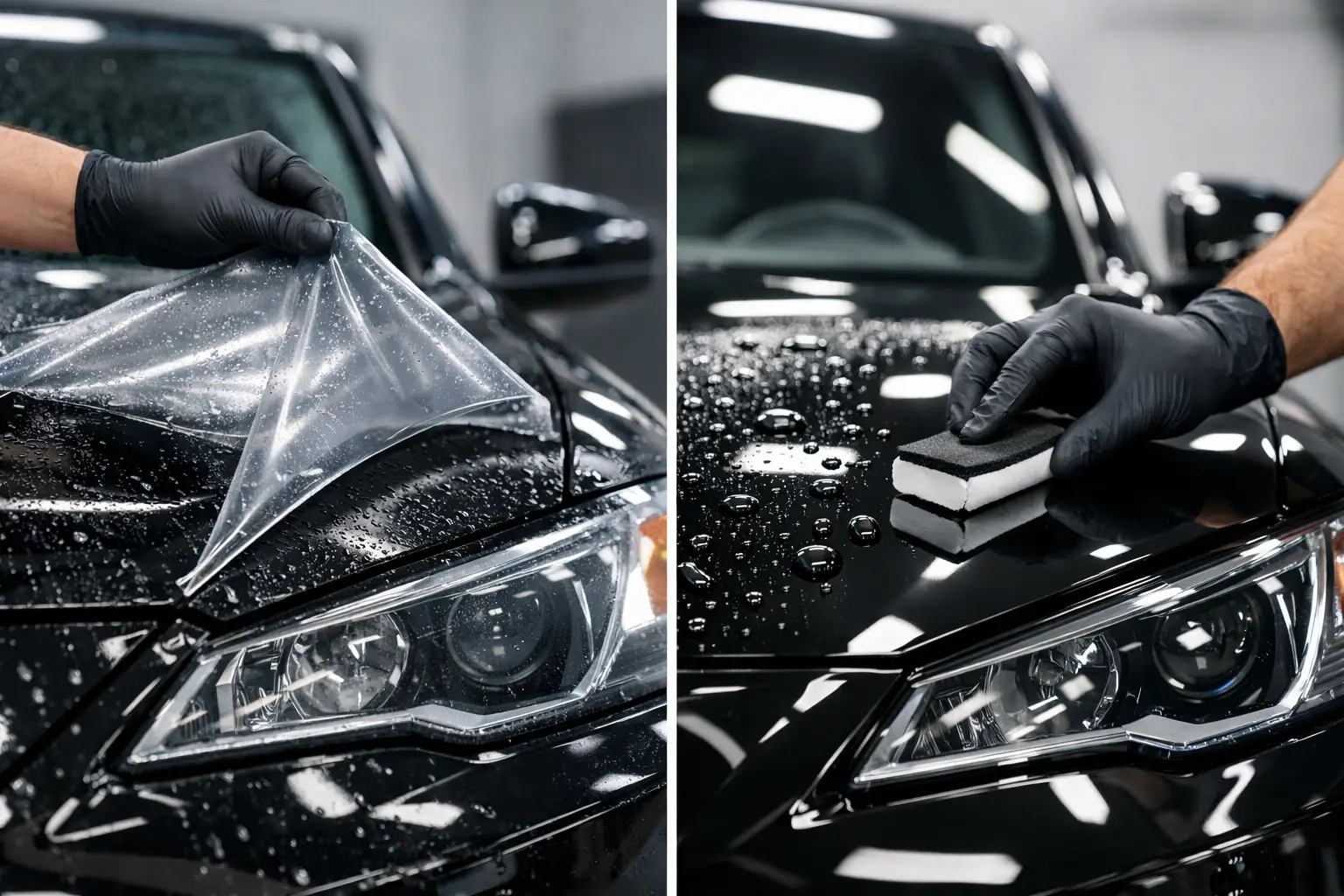
Protection matters because corrected paint is refined, but still vulnerable. A wax will add short-term gloss and sacrificial defence. A sealant typically lasts longer. A ceramic coating provides a more durable layer of chemical resistance, easier cleaning and stronger hydrophobic behaviour. Paint protection film goes further again by adding physical defence against many forms of impact and abrasion on high-risk areas.
None of these options make the paint invincible, but they dramatically improve its ability to resist daily wear. More importantly, they help reduce the chance of new defects being introduced during maintenance.
Washing technique is just as important as the protective product itself. Safe pre-washing, quality wash media, clean drying towels and regular decontamination all help preserve the corrected finish. If the aftercare is poor, even the best correction and coating package will lose its visual edge sooner than it should.
Is paint correction permanent if you add ceramic coating?
Ceramic coating changes the conversation, but it does not make paint correction permanent.
A coating helps lock in the visual improvement and protects the surface from many everyday contaminants. It can reduce the likelihood of light wash marring when the vehicle is maintained correctly, and it makes cleaning easier because dirt is less likely to bond strongly to the paint. That is valuable, especially for owners who want a premium finish with less ongoing effort.
However, ceramic coating is not a force field. It can still be scratched, worn down or contaminated. If the vehicle is neglected or washed badly, defects can still appear. Think of coating as a powerful protective step after correction, not a guarantee of permanent perfection.
For many vehicles, the ideal process is correction first, then ceramic coating, followed by disciplined maintenance. That combination offers the best balance of appearance, protection and long-term value.
When paint correction may need to be done again
A car does not need major correction every year. In fact, repeated aggressive polishing would not be a responsible approach. But some vehicles benefit from periodic refinement over time.
If a daily driver is washed frequently, parked outdoors and used heavily, light marring may gradually build again. In that case, a maintenance polish or targeted enhancement may be enough to restore sharpness. A garage-kept weekend car maintained correctly may hold its finish far longer.
The need for future correction depends on paint type, usage, storage and care standards. Softer paints tend to mark more easily. Darker colours also reveal defects faster under direct light. This is why two cars corrected to the same standard on the same day can look very different a year later.
The difference between a real correction and a short-lived gloss boost
Not every shiny car has been properly corrected. Some lower-grade valeting services use glazes or filler-heavy products that temporarily mask defects. The paint can look impressive for a short period, especially indoors or in softer light, but the swirls return once the product wears off.
That is not true correction. It is presentation.
A professional correction focuses on measurable improvement in the paint itself. It takes more time, more skill and more restraint. The result is more honest and more valuable because the finish has genuinely been refined rather than disguised. That is one reason premium detailing commands a different level of trust from a quick polish service.
So, is paint correction worth it?
Absolutely – if your goal is to restore the finish properly and protect the value of the vehicle.
Paint correction can transform tired paintwork, improve depth and gloss, reduce visible defects and make the whole car look newer and better cared for. For enthusiast owners, it brings pride back to the drive. For premium and performance vehicles, it aligns the appearance with the standard the car deserves. For anyone considering resale, it can significantly improve first impressions.
The key is having realistic expectations. Paint correction is not permanent in the sense of one treatment solving every future paint problem. It is permanent in the sense that the defects removed during the process are genuinely corrected. What happens afterwards is down to protection, environment and maintenance.
At GloboWax Malta, that is exactly how we approach it – not as a quick shine, but as a craft-led restoration followed by the right protective strategy.
If you want your paint to look exceptional for longer, the smartest move is not chasing a permanent miracle. It is investing in expert correction once, then treating the finish with the same standard of care that made it look remarkable in the first place.