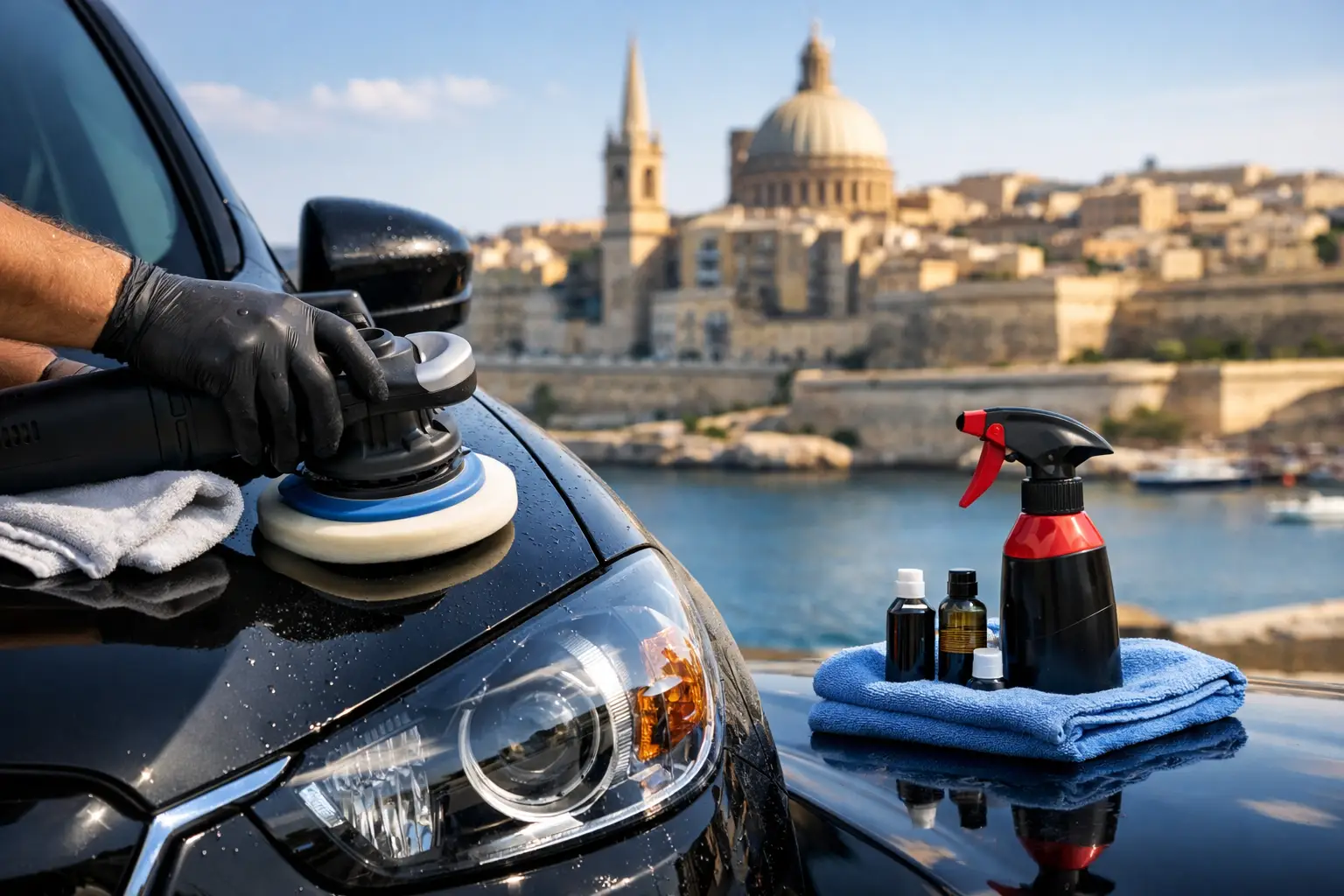
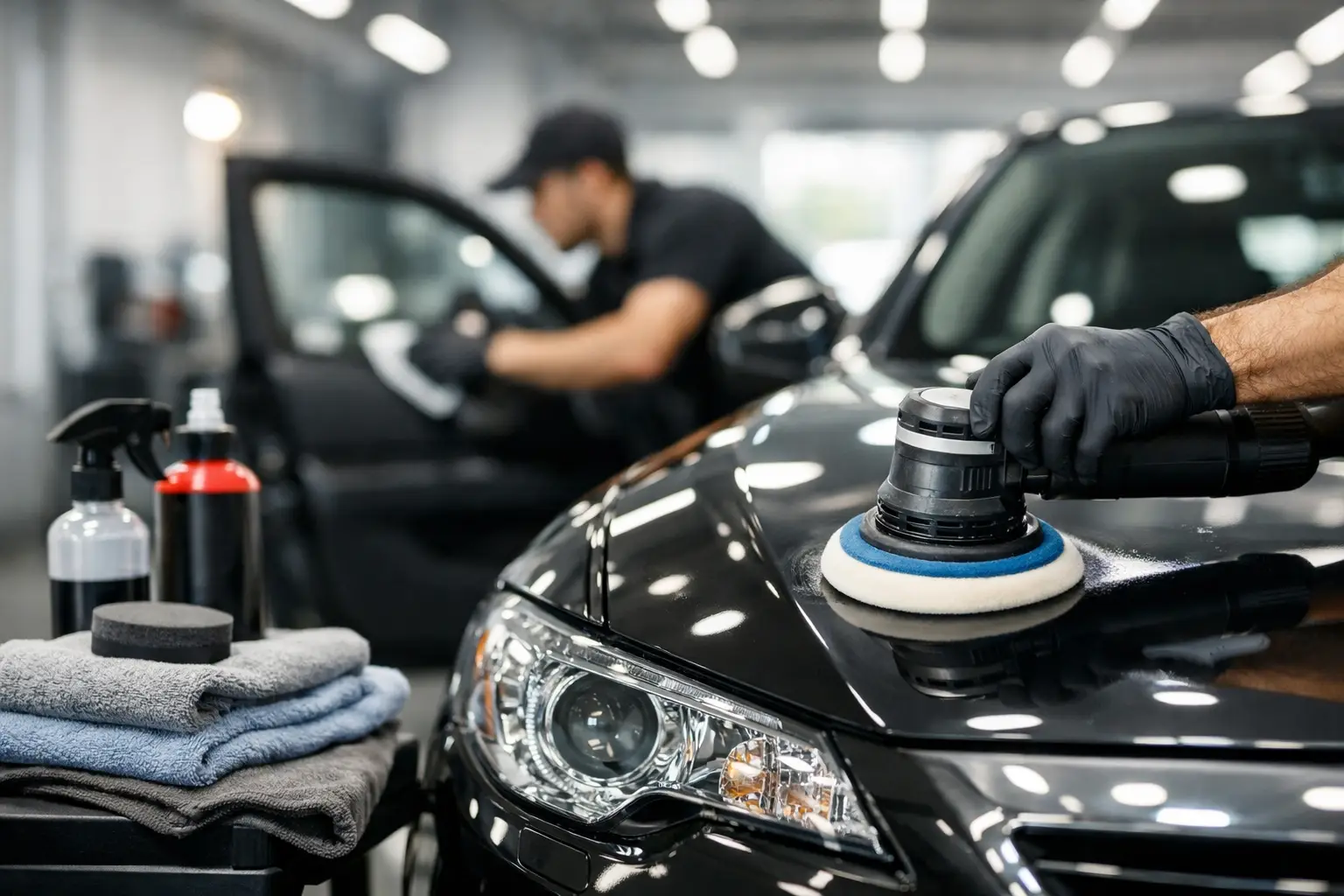
You can wash a car on Sunday morning, stand back, and still feel slightly underwhelmed. The paint may be cleaner, but not truly clear. The cabin may smell fresher, but not properly restored. That is usually the moment people start asking, is car detailing worth it? If you care about how your vehicle looks, how long its surfaces last, and how well it holds its value, the answer is often yes.
The key distinction is simple. A standard wash removes obvious dirt. Professional detailing goes much further. It corrects, refines, protects, and preserves. For owners who see their vehicle as more than basic transport, that difference matters.
What makes detailing different from a car wash?
A car wash is about maintenance at surface level. It lifts road grime, rinses the bodywork, and gives the car a cleaner appearance. That has value, of course, but it does not deal with the underlying issues that gradually age a vehicle.
Detailing is a more precise craft. It addresses paint contamination, light scratches, faded trim, neglected interiors, clouded headlights, and surfaces that have lost their finish through sun, traffic film, poor washing methods, or simple daily use. It also adds protection, whether through waxes, sealants, ceramic coatings, fabric protection, or specialist treatments designed to defend the vehicle against ongoing wear.
This is why a detailed car looks different even to someone who cannot explain why. The gloss is deeper. The surfaces feel smoother. The cabin appears sharper and better cared for. It is not just clean. It is refined.
Is car detailing worth it for every car owner?
Not always. That is the honest answer.
If you drive an older runabout, park it outdoors year-round, and simply need it to get from A to B, full detailing may not be a priority. A good wash and basic interior clean might be enough for your needs.
But if you own a newer vehicle, a prestige model, a performance car, or any car you take genuine pride in, detailing becomes a far more sensible investment. The same applies if you plan to sell in the future, want to slow visible wear, or are frustrated by swirl marks, dull paint, stained seats, or a cabin that never quite feels fresh enough.
Detailing is especially worthwhile when the car still has strong potential. Correcting problems early is usually more cost-effective than waiting until the damage becomes harder, and more expensive, to reverse.
Where the real value comes from
People often focus first on the visual improvement, and that is understandable. A professionally detailed vehicle can look exceptional. Yet the strongest case for detailing is not vanity. It is preservation.
Paintwork is under constant attack from UV exposure, bird droppings, traffic film, salt, tree sap, harsh weather, and poor washing techniques. Interiors deal with body oils, food spills, dust, heat, fading, and friction on heavily used surfaces. Left untreated, these issues slowly reduce both appearance and condition.
Detailing helps interrupt that decline. Paint correction can remove or reduce imperfections before they become part of the car’s tired overall look. Protective treatments can make washing easier and reduce contamination bonding to the surface. Interior protection can help keep leather, fabric, and trim in stronger condition for longer.
That matters because neglected cars rarely age gracefully. Well-maintained cars do.
The cost question behind “is car detailing worth it”
For many owners, the real question behind is car detailing worth it is whether the results justify the price. That depends on what you compare it with.
If you compare detailing to a quick automated wash, detailing will always seem expensive. But that is not a fair comparison. One is fast cleaning. The other is skilled corrective and protective work.
A better comparison is the cost of avoidable deterioration. Repainting panels, replacing heavily worn interior sections, restoring badly oxidised headlights, or trying to rescue paint that has been neglected for years is usually far more expensive than maintaining the vehicle properly in the first place.
There is also the resale factor. Buyers notice condition immediately. They may not know the technical name for paint correction or decontamination, but they know when a car has been cared for. Clean, protected, well-presented vehicles tend to inspire more confidence and stronger offers than tired examples with dull lacquer, stained upholstery, and obvious neglect.
Detailing does not guarantee a specific return, but it can absolutely strengthen the way your vehicle is perceived.
When professional detailing makes the biggest difference
Some cars benefit from detailing more dramatically than others. Dark paint, for example, shows swirl marks and haze quickly. Family vehicles often suffer more cabin wear from daily use. Cars parked outside in strong sun can lose clarity and finish faster than garage-kept vehicles.
There are also key moments when detailing is particularly worthwhile.
After buying a used car
Even a well-kept used vehicle often carries signs of previous ownership. Minor scratches, ingrained interior dirt, odours, and tired trim can all make the car feel less special than it should. A professional detail resets that experience. It turns the car into yours, not just someone else’s car with a new keeper.
Before selling or part-exchanging
Presentation has a direct effect on first impressions. A proper detail can help the vehicle photograph better, show more honestly, and appear better maintained. That can influence interest levels and negotiation.
As part of long-term ownership
This is where detailing often delivers the best value. Rather than waiting until the car looks worn, regular professional care keeps it in stronger condition throughout ownership. Protection and maintenance are usually more efficient than repeated restoration.
Why DIY often falls short
There is nothing wrong with caring for your own car. In fact, careful washing between professional visits is a smart habit. But many owners overestimate what home products and weekend effort can achieve.
The challenge is not enthusiasm. It is technique, tools, lighting, chemistry, and experience. Poor washing creates swirl marks. Incorrect polishing can leave uneven results or remove more clear coat than necessary. Cheap interior products can add shine where a natural finish is wanted, or worse, leave residue that attracts more dust.
Professional detailing is valuable because it combines judgement with process. Knowing what to correct, what to preserve, and what level of treatment a vehicle genuinely needs is part of the service. Precision matters, especially on premium paintwork and delicate interior materials.
Protection is where detailing really proves its worth
A polished car looks excellent on day one. A protected car continues to look better for longer.
This is where premium detailing separates itself from cosmetic quick fixes. Wax, sealant, ceramic coating, paint protection film, fabric protection, leather care, and glass treatments all serve a practical purpose. They help reduce the impact of daily use and environmental exposure.
That does not mean a protected car becomes indestructible. It does mean it is easier to clean, better defended, and more likely to retain its finish through real-world driving. For owners in coastal climates, high sun exposure, or heavy-use conditions, protection is not just an upgrade. It is sensible vehicle care.
So, is car detailing worth it?
If you only want a car to look passable until the next rain shower, probably not. If you want your vehicle to present at a higher standard, age more gracefully, and hold onto more of its appeal over time, detailing is absolutely worth serious consideration.
The value lies in the combination of immediate transformation and long-term protection. You enjoy the visual impact now, while reducing the pace of wear that quietly chips away at your vehicle’s condition. That is especially true when the work is carried out with the right products, the right methods, and the level of care a premium vehicle deserves.
For many owners, the better question is not whether detailing is worth it. It is whether neglect will cost more in the long run.
A well-kept car always says something about the standards behind the wheel. Give it the level of care that allows it to keep saying the right thing.