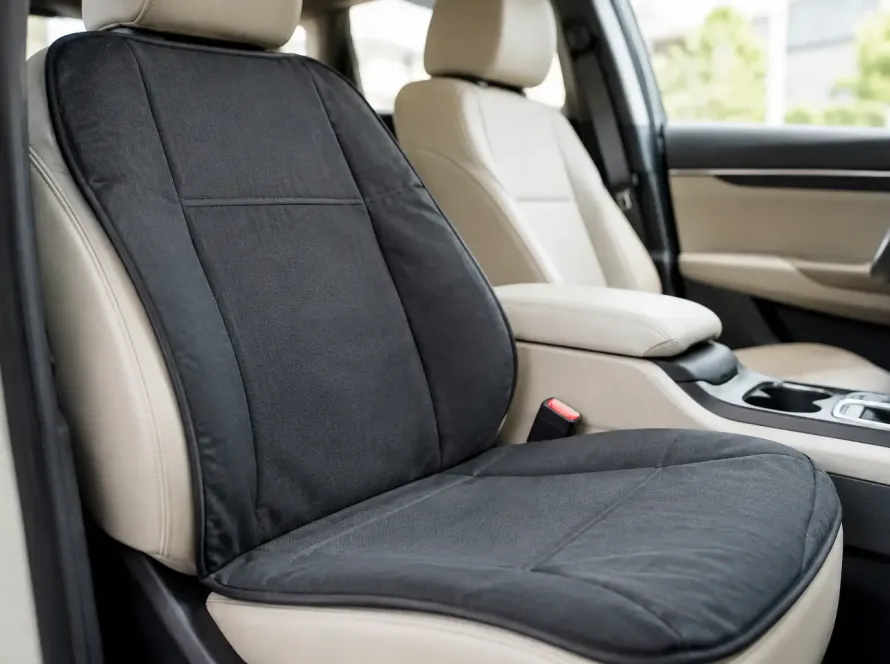
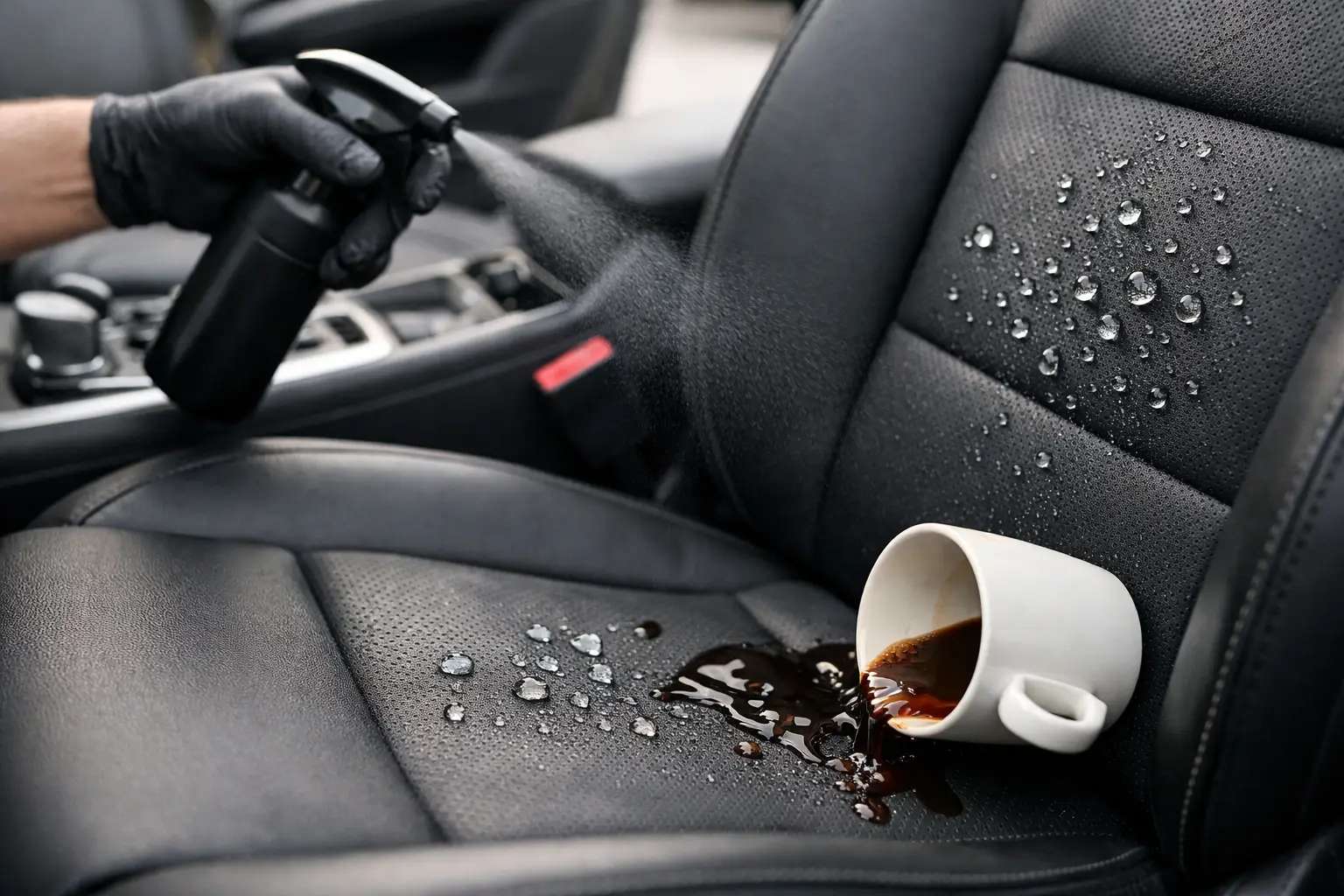
A coffee spill on a light-coloured seat, sun cream pressed into leather, or a child’s snack ground into the carpet can make an otherwise immaculate cabin feel neglected. The best interior stain removers do more than disguise the mark: they lift the contamination from the surface while respecting the materials, dyes and protective coatings underneath.
That distinction matters. A strong household cleaner may appear to solve the problem quickly, yet leave leather dry, fabric water-marked or trim permanently faded. Professional-level interior care starts by identifying the stain and the surface, then choosing the least aggressive product capable of doing the job properly.
What makes the best interior stain removers effective?
There is no single bottle that is right for every mark inside every vehicle. Alcantara, coated leather, uncoated leather, fabric, nylon carpet, vinyl and piano-black trim all respond differently to moisture, agitation and chemical cleaners. The most effective choice is one that breaks down the stain without saturating the material or stripping its finish.
Look for a cleaner with a clearly stated purpose, controlled foaming or spray application, and a residue-free finish. A product that leaves soap behind can attract fresh dirt, making a treated seat look clean for a week before the stain’s outline reappears.
For valuable, performance or luxury vehicles, discretion is part of the result. Test any product on a concealed area first, use a clean microfibre cloth, and never soak seats, headlinings or door cards. Excess water can travel beneath the surface, affecting adhesives, foam backing and electrical components.
7 best interior stain removers by stain type
1. Enzyme cleaner for food, milk and pet accidents
Enzyme-based cleaners are among the best choices for organic stains. They are designed to break down proteins and oils left by milk, vomit, food spills, pet accidents and some sweat marks. Their real advantage is odour control: a fragrance may cover a smell briefly, while an enzyme formula targets the source.
Apply sparingly, allow the product to dwell according to its instructions, then blot with a clean towel. Do not scrub aggressively. On fabric, working from the outside edge towards the centre helps prevent the stain spreading into a larger ring.
2. Fabric and carpet spot cleaner for everyday spills
For tea, coffee, soft drinks, mud and general grime, a dedicated fabric and carpet spot cleaner is often the most versatile option. Quality formulas suspend the dirt so it can be blotted or extracted from the fibres rather than pushed further in.
The trade-off is moisture. A heavily saturated seat may take a long time to dry in Malta’s humid conditions, and damp upholstery can develop an unpleasant odour. Use short bursts of product, blot patiently and leave doors open in a secure, ventilated area where possible. For deep or old stains, professional extraction is a more reliable route than repeated applications at home.
3. Leather cleaner for oils, dye transfer and light marks
Leather needs a leather-specific cleaner, not an all-purpose degreaser. Modern automotive leather is commonly coated, which means the safest approach is to clean the protective top layer gently rather than attacking it with harsh solvents.
A pH-balanced leather cleaner is well suited to body oils on bolsters, light food marks and the blue or dark dye transfer often left by denim. Apply the cleaner to a soft brush or microfibre cloth rather than directly flooding the seat. Work one small area at a time and wipe away the residue before it dries.
If the mark does not lift after a cautious attempt, stop. Persistent dye transfer or ingrained soiling may require specialist techniques, and over-cleaning can create a pale patch that is more noticeable than the original stain. Finish with a suitable leather protector where appropriate to reduce future dye transfer and wear.
4. Citrus-based cleaner for grease and sun cream
Greasy fingerprints around handles, oily marks on armrests and sun cream on door cards need a cleaner with enough degreasing ability to cut through oils. A mild citrus-based interior cleaner can be effective on durable vinyl, rubber mats and certain hard plastics.
Use it with restraint. Citrus cleaners vary significantly in strength, and concentrated products can dull delicate trim, remove dressings or affect printed symbols. Dilute only as directed, spray onto the cloth instead of the surface, and immediately wipe dry. It is a strong option for hard surfaces, but not the first choice for leather, Alcantara or touch-sensitive screens.
5. Upholstery foam for headlining marks
A sagging headlining is an expensive consequence of over-wetting. For small finger marks or light staining above the seats, choose a low-moisture upholstery foam. Foam gives you more control and reduces the risk of soaking the adhesive-backed material.
Apply it to a cloth first, then dab with minimal pressure. Never scrub the headlining, and avoid dragging the cloth across the fabric. If the stain is extensive, leave it to a detailing specialist. The headlining is one interior surface where an enthusiastic DIY approach can create a much bigger repair.
6. Interior-safe cleaner for plastic, vinyl and rubber
Scuffs, shoe marks and sticky residue on lower door cards, centre consoles and rubber mats respond well to a dedicated interior cleaner. The best formulas clean without leaving a shiny, slippery film. A satin, factory-fresh finish looks more refined and also reduces glare on the dashboard.
Use a soft detailing brush around seams, buttons and textured plastic, then remove loosened grime with a clean microfibre towel. Take particular care around infotainment controls, steering-wheel switches and stitched trim. Spraying directly into these areas creates unnecessary risk; product belongs on the applicator, not inside the vehicle.
7. Isopropyl alcohol solution for ink and adhesive residue
A carefully diluted isopropyl alcohol solution can help remove fresh ink marks, adhesive residue and stubborn transfer on compatible hard surfaces. It is a specialist option, not an everyday interior cleaner. Alcohol can alter dyes, dry out leather and haze sensitive clear plastics if used incorrectly.
Use only a small amount on a cloth after a patch test, and follow with a damp cloth to remove residue. Never use it on instrument-cluster lenses, infotainment screens, Alcantara or unprotected leather. If the mark is on a high-visibility surface, professional assessment is the safer investment.
The removal technique matters as much as the product
Even the right cleaner can disappoint when the method is wrong. Begin by vacuuming loose debris so it does not become abrasive mud once damp. Blot liquid spills immediately with a dry towel, applying pressure rather than rubbing. Rubbing creates friction, spreads pigment and can distort delicate fibres.
Treat the smallest possible area first. Apply cleaner to a cloth or brush unless the product specifically instructs otherwise, then use gentle, controlled passes. Blot away lifted contamination with a second clean cloth. Repeating a mild process two or three times is usually safer than using one aggressive treatment.
For fabric seats and carpets, drying is part of stain removal. If a surface is left damp, residues can wick back to the top as it dries, producing a ring or making the original mark look as though it has returned. A clean extraction process, proper air movement and sufficient drying time are what deliver an even finish.
When stain removal should become professional interior detailing
Some stains are not surface problems. Old coffee spills can penetrate seat foam, nicotine can settle throughout the cabin, and dye transfer may bond to leather coatings. Flood damage, mould, petrol smells and bodily fluids also call for trained handling rather than stronger retail chemicals.
Professional interior detailing combines appropriate cleaners with extraction equipment, steam where suitable, specialist brushes and controlled drying. More importantly, it provides judgement. An experienced detailer knows when to continue cleaning, when to protect the material, and when a repair or recolouring service is the better answer.
At GloboWax Malta, interior care is approached as restoration and preservation, not a quick cover-up. The aim is to return the cabin to a clean, refined standard while protecting the finishes that define your vehicle’s value.
A stain caught early is usually a stain that can be removed cleanly. Keep a soft microfibre cloth in the car, deal with spills before they settle, and choose a product for the exact surface in front of you. That small amount of care keeps every journey looking closer to showroom standard.