A pristine cabin changes the entire experience of owning a car. It is where you spend your time, welcome passengers and notice every small sign of wear. This car upholstery protection guide explains how to keep fabric, leather and Alcantara-style interiors looking refined for longer – without relying on quick fixes that can leave residue, streaks or permanent damage.
Malta’s bright sun, airborne dust, humidity and everyday use can be demanding on interior materials. A coffee spill, sun cream on a headrest or repeated friction on a driver’s bolster may seem minor at first, but these marks gradually reduce the finish and value of the vehicle. Protection works best when it is planned before damage becomes visible.
Start with the material, not the product
There is no single upholstery treatment that suits every interior. Fabric seats, leather trims, synthetic leather, carpets and suede-effect surfaces all react differently to moisture, heat and cleaning chemicals. The best result begins with identifying exactly what is in your vehicle.
Fabric upholstery is absorbent. Without protection, liquids can travel quickly through the fibres, reaching the foam beneath and creating lingering odours. A professional fabric protector forms an invisible barrier around individual fibres, giving you time to blot spills before they penetrate. It does not make a seat completely waterproof, nor should it change the soft feel of the material. Its purpose is to reduce absorption and make future cleaning safer.
Leather needs a different approach. Modern automotive leather is usually coated, meaning it benefits less from heavy oils and more from gentle cleaning followed by a quality leather protector. The right treatment helps defend against dye transfer from denim, body oils, UV exposure and abrasion, while preserving the natural low-sheen appearance expected in a premium cabin.
Alcantara and similar microsuede materials require particular care. They can mat, darken and develop water marks when treated with unsuitable cleaners. These surfaces should be cleaned with specialised methods and minimal moisture. Protection may be appropriate, but only when the product is designed for the material and applied with control.
Why upholstery protection matters in Malta
Interior damage is rarely caused by one dramatic event. More often, it comes from repeated exposure. Strong sunlight can fade fabrics, dry leather and weaken stitching over time. Fine dust works its way into carpets and seat fibres, creating a dull, abrasive finish. Humidity can also make neglected spills and moisture harder to manage.
For daily-driven cars, the driver’s seat, steering wheel, centre armrest and door cards experience the greatest contact. In family vehicles, rear seats and carpets deal with food, drinks, sandy shoes and child seats. Performance and luxury vehicles may see less frequent use, but their interiors often feature delicate materials that demand a higher standard of preservation.
A protected interior is easier to maintain because dirt remains closer to the surface. That means less aggressive cleaning is needed over the life of the car. It also supports resale value. Buyers notice a well-kept cabin immediately, especially the condition of the driver’s seat, carpet, headlining and leather contact points.
Prepare the interior properly before protection
Applying protection over existing contamination does not restore upholstery. It can trap oils, stains and odours beneath the treatment, making correction more difficult later. Thorough preparation is the stage that separates a lasting result from a temporary cosmetic improvement.
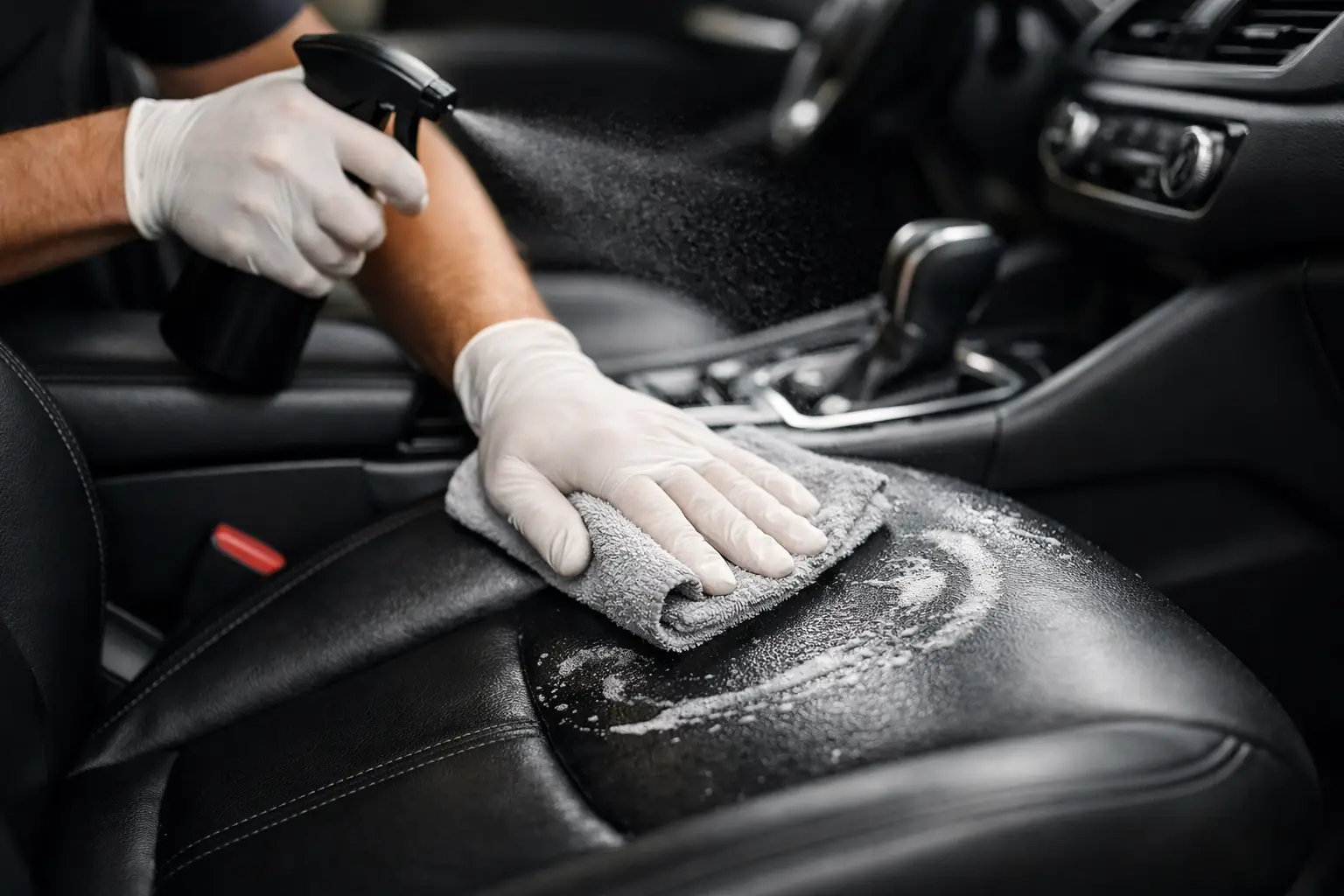
The process should begin with detailed vacuuming, including seat rails, seams, carpet edges and under-seat areas. These overlooked sections retain grit that can migrate back onto cleaned surfaces. Fabric seats and carpets may then need a controlled deep clean to lift embedded dirt, while leather requires a pH-appropriate cleaner applied gently with soft brushes or towels.
Drying is equally important. Fabric that remains damp beneath a protector can develop odours or uneven results. Leather should be clean and dry before a protective layer is applied. For heavily soiled interiors, dye transfer, pet hair, old food spills or odours from moisture, professional interior detailing is usually the wiser first step.
The car upholstery protection guide to everyday habits
Professional protection gives the interior a strong foundation, but simple habits determine how long that finish lasts. The aim is not to make the car feel precious or unusable. It is to deal with contamination while it is still easy to remove.
Keep a clean microfibre cloth in the car for fresh spills. Blot liquid rather than rubbing it into the material, working from the outside of the affected area towards the centre. Avoid household detergents, dish soap and heavily fragranced cleaners. They can leave residue that attracts more dirt, alter leather finishes or create rings in fabric.
Sun protection matters as much inside the car as it does outside. Parking in shade where practical, using a quality sunshade and keeping windows lightly tinted within legal requirements can reduce heat and UV stress. This is particularly valuable for darker leather, coloured stitching and dashboard trims.
Regular light maintenance is more effective than occasional aggressive cleaning. A gentle vacuum every few weeks prevents dry dirt from being ground into carpets. Wiping high-contact leather surfaces with an appropriate interior cleaner helps remove oils before they become visible shine or discolouration. If a product leaves leather slippery or excessively glossy, it is not delivering a factory-correct finish.
Know when protection needs renewing
Upholstery protection is durable, but it is not permanent. Its lifespan depends on the material, frequency of use, cleaning routine and environmental exposure. A daily family car may need attention sooner than a weekend vehicle stored under cover. The key is to assess performance rather than follow a rigid calendar.
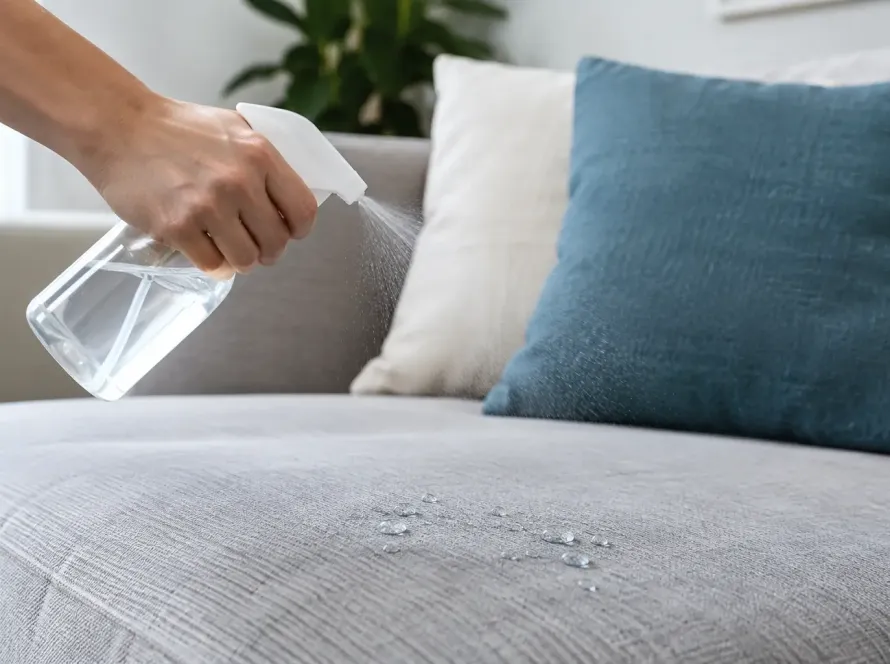
On protected fabric, a small amount of clean water should bead or remain near the surface briefly instead of immediately soaking in. If it darkens the material at once, the protective layer may be weakening. Leather protection is less visible, but warning signs include increased dye transfer, dryness, uneven sheen or difficulty removing light marks from high-contact areas.
Do not simply reapply more product without cleaning first. Surface contamination prevents fresh protection from bonding evenly. A maintenance detail can remove accumulated dirt, refresh the finish and restore protection without subjecting materials to unnecessary harsh treatment.
Common mistakes that shorten upholstery life
The first mistake is waiting until seats look dirty. By that stage, body oils, dust and spills may have settled below the surface. The second is using the same cleaner on every material. A cleaner that seems harmless on plastic may be unsuitable for leather or Alcantara-style trim.
Over-wetting is another frequent problem. Saturating fabric seats and carpets can push contamination deeper, prolong drying time and increase the risk of unpleasant odours. Excessive scrubbing can fray fibres, flatten microsuede and remove colour from delicate surfaces.
Seat covers can help in hard-working vehicles, but they are not always the ideal solution. Poorly fitted covers can trap grit, rub against upholstery and hide developing problems. For a vehicle with a premium interior, correctly applied professional protection often preserves the original design and feel more effectively.
When professional upholstery protection is worth it
DIY products can be useful for light maintenance, especially when used carefully on already clean surfaces. However, professional treatment is particularly worthwhile for new vehicles, recently purchased used cars, luxury interiors, family cars and vehicles being prepared for sale. It is also the sensible choice where there are existing stains, sensitive materials or uncertainty about previous cleaning products.
A specialist can assess the material, correct contamination safely and select the right protective treatment for each surface rather than applying a one-size-fits-all coating. At GloboWax Malta, interior care is approached with the same precision as exterior paint protection: clean correctly, preserve the original finish and protect it for the journeys ahead.
Your car’s interior should remain a place you are proud to step into. Protect it early, maintain it gently and address small marks before they become permanent reminders of everyday use.