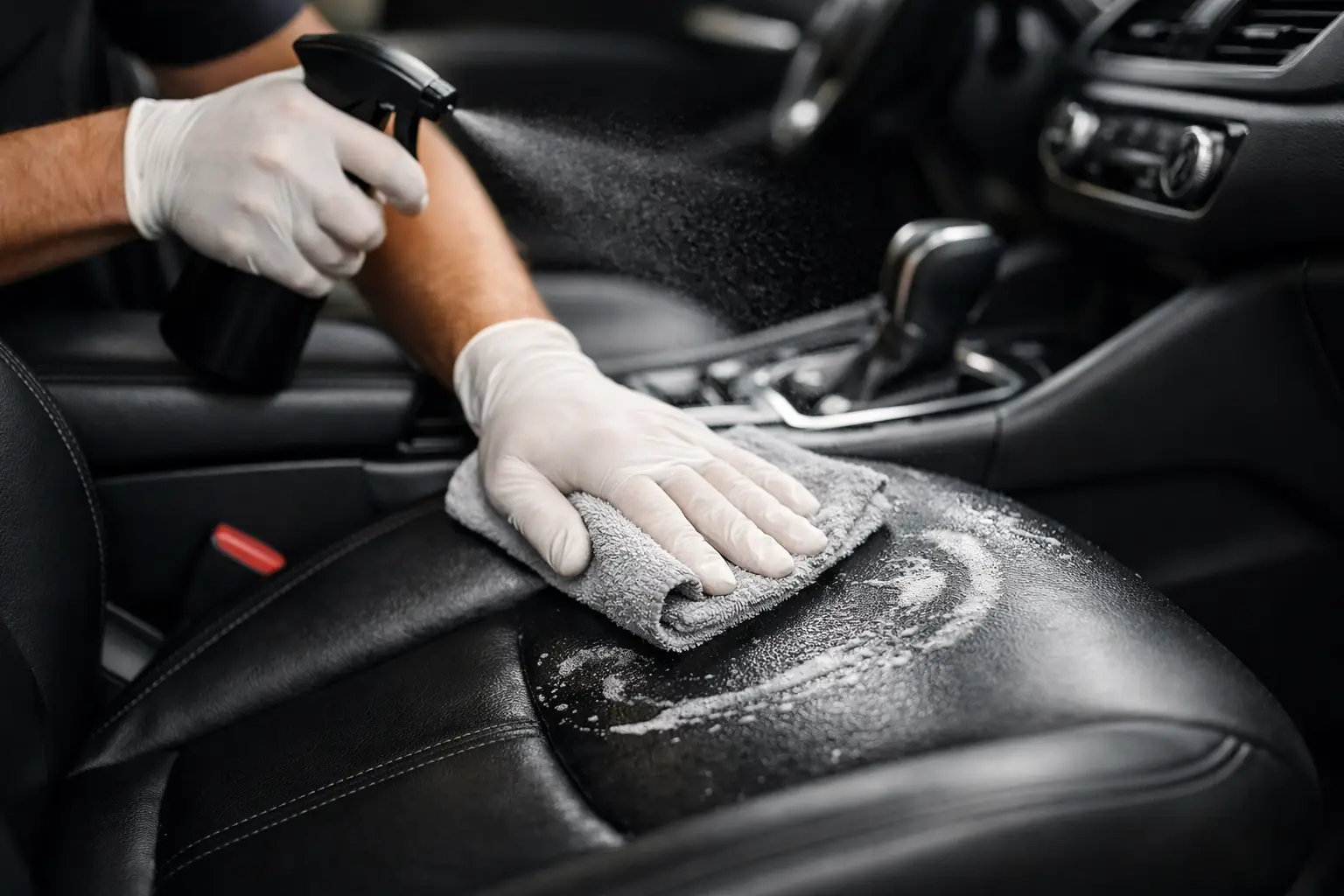
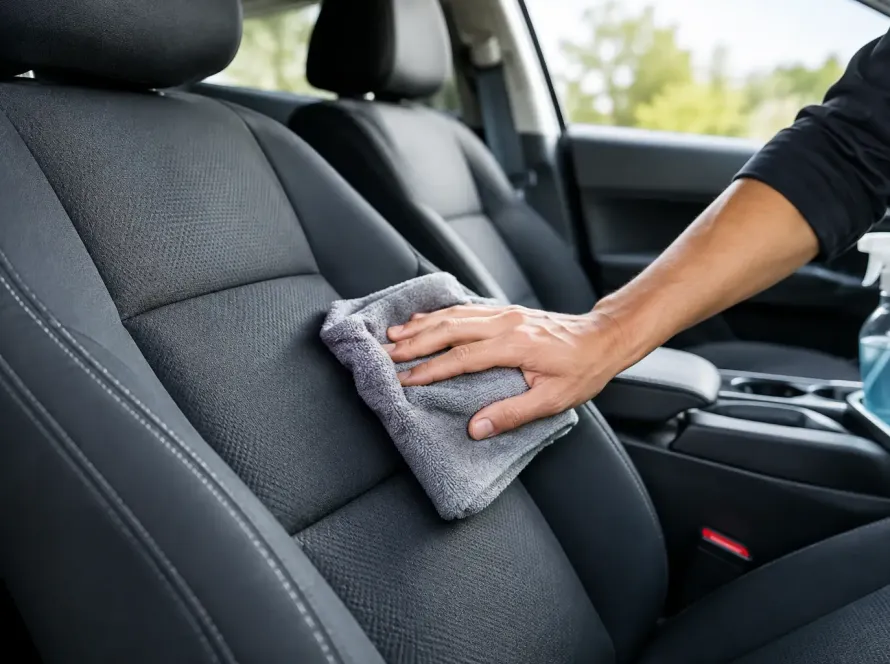
A coffee lid slips at the traffic lights. A child drops a snack on the school run. A wet beach towel lands on the rear seat after a Maltese summer afternoon. These are ordinary moments, but without effective car seat stain protection, they can leave behind marks, odours and premature wear that quietly diminish an otherwise well-kept interior.
A professional protective treatment gives your upholstery more time. Instead of allowing liquids, oils and everyday grime to sink deep into fabric or leather, it creates a barrier that helps keep contamination closer to the surface. The result is not an interior that needs no care, but one that is far easier to maintain at a showroom standard.
Why car seats stain so easily
Vehicle seats deal with more than most owners realise. Food residue, sun cream, denim dye, makeup, pet hair, rainwater and body oils all transfer gradually into the materials. Fabric seats are especially absorbent, while leather can dry, discolour or become shiny in high-contact areas if it is not properly maintained.
Malta’s climate adds another challenge. Strong UV exposure and heat can accelerate material ageing, while sand and dust act as fine abrasives under clothing and on seat surfaces. Air conditioning may keep the cabin comfortable, but it does not prevent the steady build-up of contamination that affects the look and feel of your upholstery.
A quick vacuum or wipe-down improves appearances temporarily. It cannot always remove what has already settled below the surface. That is why protection works best when it follows a thorough interior detail, rather than being applied over hidden dirt.
What professional car seat stain protection does
Quality seat protection is designed for the specific material being treated. On fabric, a professional-grade protector helps repel water-based spills and reduces the ability of dirt and oils to bond with the fibres. On leather, the right treatment supports a clean, natural finish while helping shield against friction, colour transfer and everyday soiling.
The practical advantage is response time. If a drink spills onto protected fabric, it is more likely to bead on the surface rather than immediately soak through. That gives you the opportunity to blot it carefully before a stain takes hold. It also makes routine cleaning less aggressive, helping preserve the texture and appearance of the material over time.
The visual benefit matters too. Clean, even upholstery changes the entire impression of a cabin. It makes a daily driver feel more considered, protects the refined atmosphere of a premium vehicle and supports stronger resale appeal when the time comes to sell or part-exchange.
Protection is not a substitute for good habits. Dark liquids can still stain if left unattended, and abrasive dirt can still cause wear if it is repeatedly rubbed into the seat. The difference is that a protected surface is working in your favour from the moment life happens.
Fabric, leather and Alcantara need different care
There is no single product that should be used indiscriminately across every interior. The material, colour, condition and use of the vehicle all influence the best approach.
Fabric upholstery
Fabric is common in family cars, hatchbacks and performance models, and it can hide a surprising amount of embedded grime. Its fibres readily absorb liquids, especially on light-coloured seats. After a deep clean, a fabric protector provides a valuable layer of defence against accidental spills, muddy clothing and daily use.
This is particularly worthwhile for owners who travel with children, pets or passengers regularly. It is also an excellent preventative treatment for a newly purchased car, before its interior begins to show the signs of everyday life.
Leather seats
Leather needs protection, but it also needs the correct finish. Heavy, glossy dressings can create an artificial appearance and may leave a surface feeling slippery. Professional leather protection should preserve the original matt or satin look while reducing the impact of body oils, dye transfer from jeans and UV-related deterioration.
Light leather benefits significantly from regular maintenance, as colour transfer and staining show quickly. However, darker leather should not be neglected simply because marks are less visible. Dirt and oil build-up can still change its texture and lead to uneven sheen.
Alcantara and specialist trims
Alcantara, suede-effect materials and mixed-finish interiors require greater care. These surfaces can be delicate, and inappropriate cleaning methods may alter their feel or leave visible patches. A specialist assessment is the safest route, particularly in performance and luxury vehicles where the interior materials are a key part of the car’s character.
The right preparation makes protection perform
Applying a protector to a seat that has not been correctly cleaned is a missed opportunity. Any dirt, oils or old residues beneath the treatment remain there, potentially locking in the very contamination you want to remove.
A professional process begins with inspection. The detailer identifies the upholstery type, existing staining, wear points and any areas requiring targeted treatment. Seats are then carefully vacuumed, cleaned and, where appropriate, extracted to remove embedded contamination. The material must be fully dry before the protective treatment is applied.
This methodical preparation is what separates lasting results from a quick spray-and-go service. The goal is not merely to make seats look cleaner on the day. It is to create a properly prepared surface that can stay cleaner for longer.
At GloboWax Malta, interior protection is approached as part of the vehicle’s wider preservation. A flawless paint finish deserves an interior that feels equally cared for when the door opens.
How long does seat protection last?
Durability depends on the material, the product used and how the vehicle is used. A car driven every day by a family, used for beach trips or carrying pets will naturally require more frequent maintenance than a weekend vehicle with minimal passenger use.
As a general principle, protection should be reviewed during regular professional interior detailing. If liquids begin absorbing quickly instead of beading, or the seats become difficult to clean with gentle methods, the protective layer may be ready for renewal.
Avoid harsh household cleaners and overly wet cleaning techniques between appointments. These can weaken protective coatings, leave residues and sometimes create water marks. For fresh spills, blot rather than scrub. Work from the outside of the affected area towards the centre, using a clean absorbent cloth. Rubbing forces contamination further into the material and can spread the stain.
Is it worth protecting older seats?
Yes, provided they are cleaned and assessed first. Protection cannot reverse permanent discolouration, cracking or fibre damage, but it can help preserve the improvement achieved through professional interior detailing. For an older vehicle, this can be one of the most satisfying ways to restore a sense of pride in the cabin without replacing the upholstery.
It is also a sensible step before putting a car on the market. Buyers notice the driver’s seat, rear bench and seat bolsters immediately. An interior that is clean, fresh and free from visible staining sends a clear message: this vehicle has been cared for properly.
Protect the surface you use every day
Your seats are among the most touched surfaces in your car, yet they are often overlooked until a spill or stubborn mark demands attention. Treating them before that point is a practical investment in comfort, appearance and long-term value.
The best time for car seat stain protection is after a meticulous clean, while the upholstery is at its best and before the next coffee, commute or coastal trip puts it to the test.