A spotless car should not come at the expense of the surface beneath it or the environment around it. Eco-friendly car detailing takes a more considered approach: achieving the deep gloss, clean interior and protected finish your vehicle deserves while reducing unnecessary water use, harsh chemical runoff and material waste.
For Malta’s motorists, that distinction matters. Salt in the air, intense UV exposure, dust and tightly parked streets place constant pressure on paintwork, wheels, trims and interiors. A quick wash may make a car look cleaner for a day, but specialist detailing is about restoring condition and building protection that lasts. When it is carried out with responsible products and precise methods, it can also be the better choice for the island we drive on.
What eco-friendly car detailing really means
Eco-conscious detailing is not simply using a product with a green label. It is a professional process built around controlled product use, effective water management and treatments that reduce the need for aggressive repeat cleaning.
The goal remains uncompromising: a refined finish, clean surfaces and durable protection. The difference is in how that result is achieved. Specialist-grade, biodegradable or low-impact cleaning products are selected for the task at hand, rather than relying on overly strong all-purpose chemicals. Water is used deliberately, not left running through every stage of a wash. Reusable microfibre towels, applicators and wash media replace disposable materials wherever practical.
Just as importantly, responsible detailing avoids introducing contaminants to sensitive areas. Degreasers, wheel cleaners and shampoos need to be suitable for the vehicle’s surfaces and handled with care. A premium approach considers the paint, the drainage route and the person using the car afterwards.
Less water does not mean less clean
There is a common assumption that excellent detailing requires large volumes of water. In reality, technique makes the difference. Controlled rinsing, pre-treatment, efficient wash methods and high-quality drying media can significantly reduce water consumption without compromising cleanliness.
This is particularly relevant in Malta, where fresh water is a valuable resource. A professional detailer can use water where it has the greatest effect, such as safely removing loose contamination before contact washing, rather than wasting it during routine cleaning. The focus is on lubricating and lifting dirt away from the paint, which helps to limit the fine marks that leave dark finishes looking dull in direct sunlight.
Waterless and rinseless products can have a place too, especially for lightly soiled vehicles or regular maintenance. They are not a universal answer. A car carrying thick mud, abrasive dust or heavy road film still needs a safe pre-wash and rinse process. Using too little water on a heavily contaminated panel can create avoidable marring. Eco-friendly car detailing should be intelligent, not dogmatic.
Safer products, chosen for the right surface
A vehicle is made up of very different materials: clear coat, glass, polished metal, leather, fabric, plastics, rubber and delicate electronic areas under the bonnet. Treating them all with one harsh cleaner is neither premium nor responsible.
Purpose-selected products make it possible to clean effectively with less chemical load. A pH-balanced shampoo can remove everyday dirt while respecting waxes, sealants and ceramic coatings. A suitable interior cleaner can lift marks from leather or fabric without leaving behind an overpowering scent or greasy residue. Specialist wheel products can tackle brake dust while being chosen with the wheel finish and level of contamination in mind.
This approach supports the longevity of the car as well as the environment. Strong products used too frequently can dry out trims, stain sensitive finishes, weaken existing protection or leave surfaces needing earlier replacement. Responsible product selection is therefore part of preserving both appearance and value.
Protection is the most sustainable part of the detail
The most effective way to reduce the environmental footprint of car care is often to make the vehicle easier to maintain for longer. A properly protected surface does exactly that.
Quality wax, paint sealant, ceramic coating or paint protection film creates a barrier between the vehicle and the elements. Dirt and road grime are less likely to bond stubbornly to a protected surface, water sheds more readily and routine washing becomes more efficient. That can mean less product, less water and less intensive agitation over the life of the treatment.
The right option depends on the vehicle, its use and the owner’s expectations. A well-maintained daily driver may benefit from a high-quality wax or sealant applied as part of regular care. A new performance car or prestige vehicle exposed to regular sunlight and motorway mileage may justify ceramic coating for long-term chemical resistance and gloss retention. Paint protection film is particularly valuable on high-impact areas where stone chips and abrasion are a concern.
No protective treatment removes the need for maintenance. Ceramic coating is not a licence to neglect washing, and paint protection film is not invulnerable. However, professional protection gives contaminants less opportunity to damage the finish, reducing the need for harsh correction later.
Interior detailing with cleaner air in mind
Eco-conscious car care extends well beyond the paintwork. The cabin is where drivers and passengers spend their time, often in confined space and high temperatures. A premium interior detail should leave it visibly refreshed without masking dirt with heavy fragrances or leaving a sticky film on touchpoints.
Low-residue cleaners, careful steam use where appropriate and thorough extraction can transform upholstery, carpets, leather and hard surfaces. The benefit is not only aesthetic. Removing embedded dust, food residue, spills and grime helps maintain the condition of materials that would otherwise deteriorate early.
Steam is useful for selected areas because it can loosen dirt with minimal chemical use, but it requires experience. Excess moisture near electronics, headlining, soft-touch finishes or poorly ventilated fabrics can cause problems. Precision matters more than the tool itself. The best detail is always the one matched to the material in front of it.
Paint correction prevents wasteful shortcuts
Dull paint is often treated with filler-heavy polishes or quick gloss products that hide defects temporarily. Under Malta’s strong sun, those marks return quickly. Genuine paint correction is more exacting: it assesses the depth of scratches and swirl marks, then uses measured machine polishing to refine the clear coat safely.
This is an area where restraint is essential. Clear coat is finite. Removing more paint than necessary simply to chase every imperfection is not responsible detailing. An experienced specialist aims for the strongest safe improvement, then protects the refined finish so it holds its clarity.
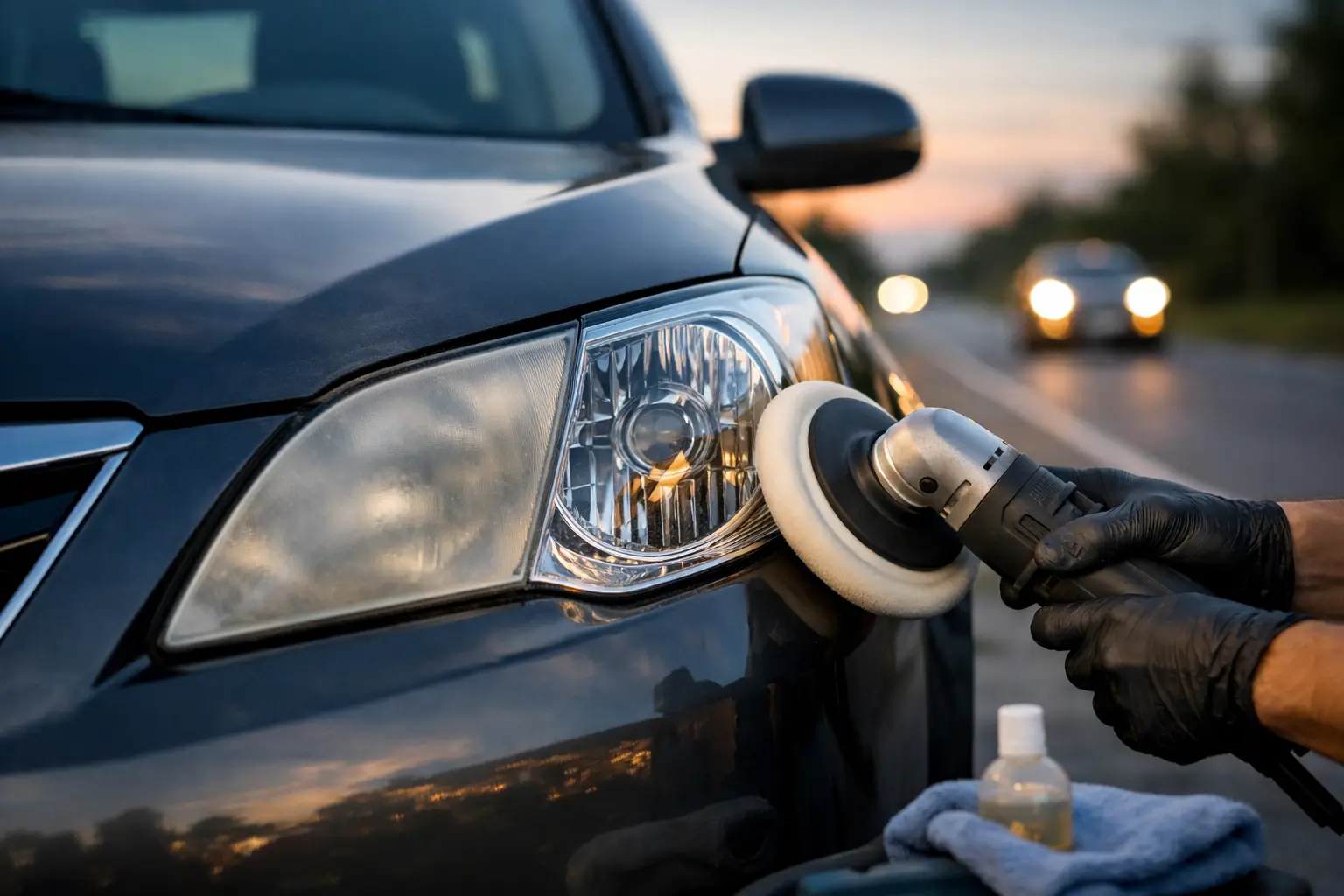
That principle applies to headlight restoration too. Clouded lenses reduce visibility and diminish the appearance of a vehicle, but sanding and polishing without applying UV protection can lead to a rapid return of haze. A complete service restores clarity and follows it with suitable protection, helping the result endure rather than creating repeat work.
How to choose an eco-conscious detailer
Look beyond broad environmental claims and ask practical questions. A credible detailing specialist should be able to explain how they manage water, which products they use on sensitive surfaces and how they prevent needless damage during the cleaning process. They should also be clear about the limits of every treatment.
A trustworthy provider will not promise that every scratch can disappear, that a coating prevents all damage or that one service suits every car. They will inspect the vehicle, discuss its condition and recommend a plan based on how it is stored, driven and maintained. That level of care protects you from paying for the wrong service and protects the vehicle from unnecessary intervention.
At GloboWax Malta, eco-friendly products and meticulous craftsmanship work together because premium results should be built to last. Whether the priority is a refreshed cabin, corrected paintwork, protected wheels or a full exterior transformation, the standard should be visible long after collection day.
Your car faces the island’s sun, salt and daily traffic every time it leaves the driveway. Give it care that respects those conditions, protects the finish you value and makes every future wash easier, safer and more satisfying.